Requesting a Call:
Online Support
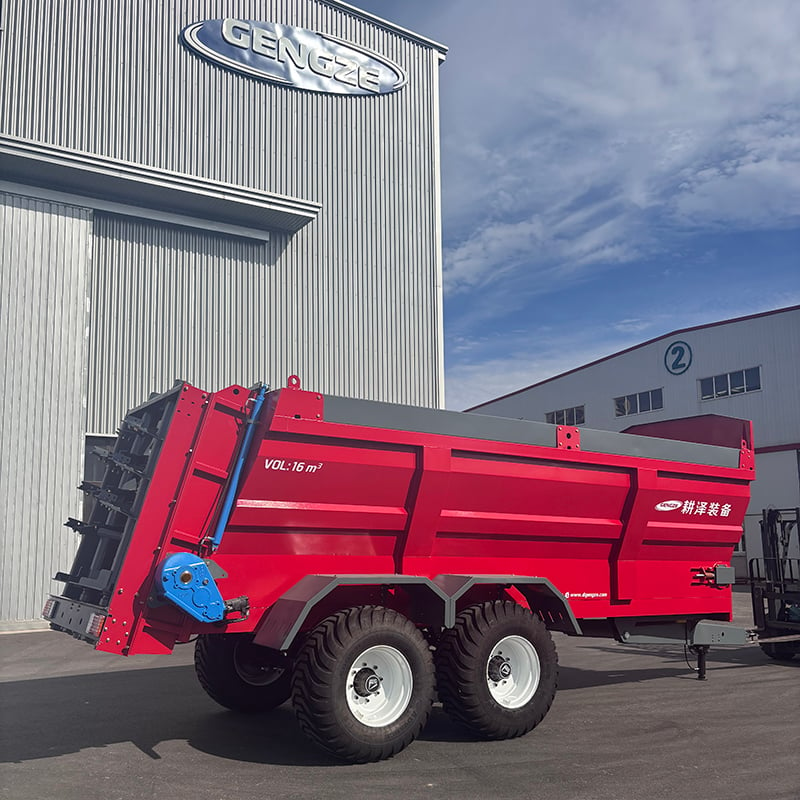
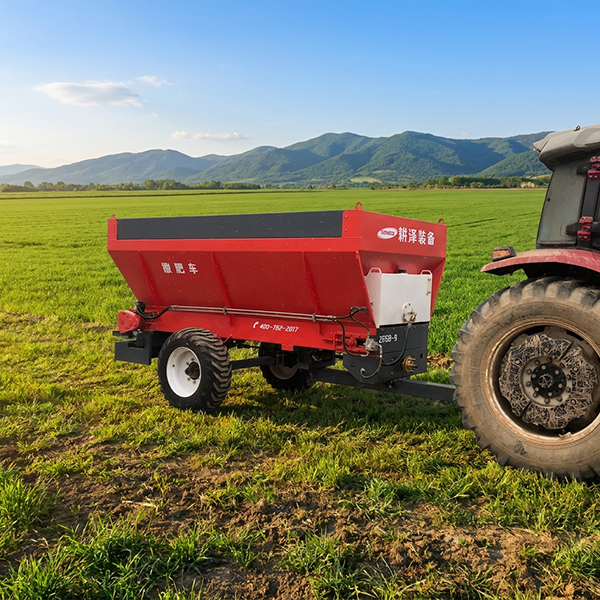
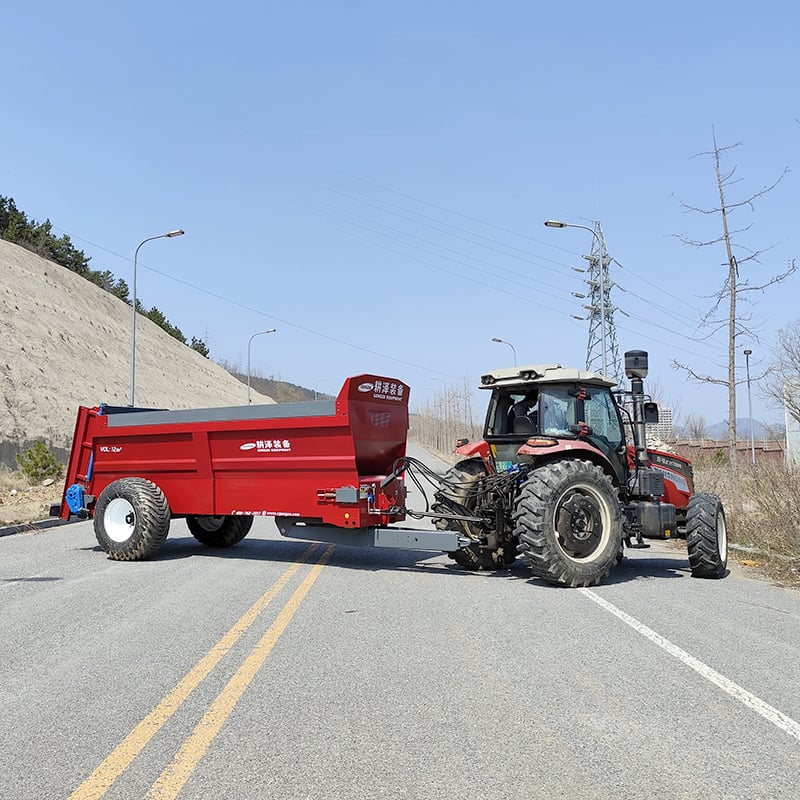
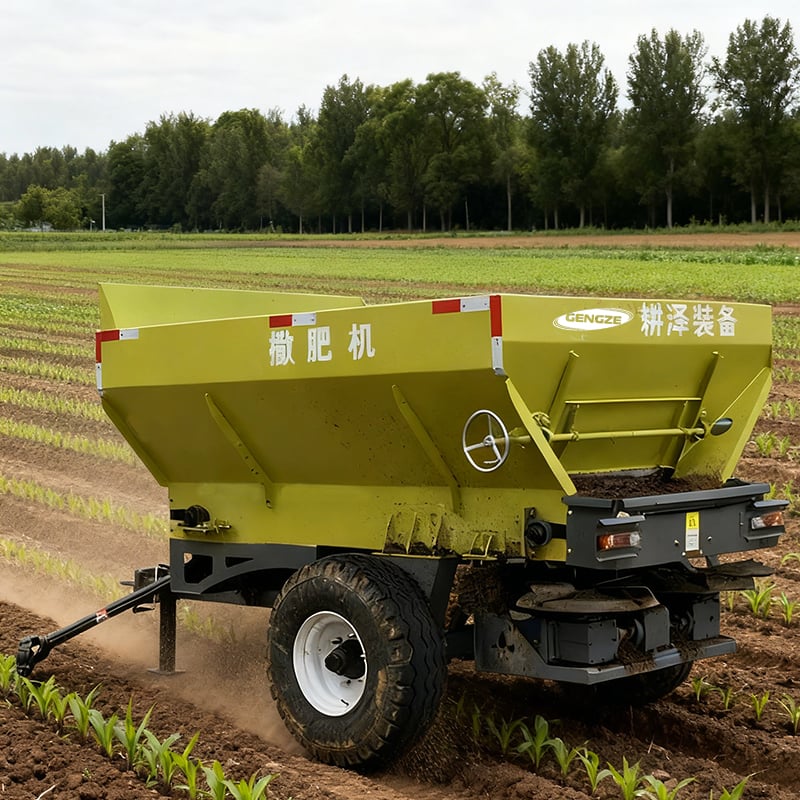
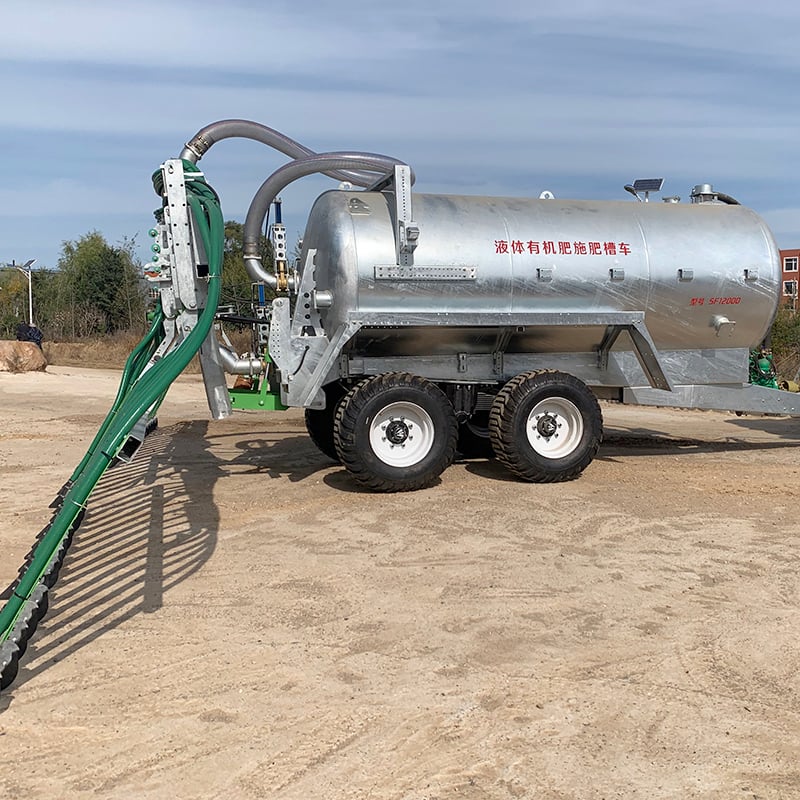
When considering the purchase of an agricultural manure spreader, B2B buyers must navigate a landscape of quality, suitability, and cost. Agricultural manure spreaders are essential for effective nutrient management in farming, allowing for the efficient application of organic fertilizers. This article will guide purchasing managers, distributors, and agricultural engineers through the key factors to evaluate when sourcing spreader manure, ensuring they make informed decisions that align with their operational needs.
Evaluating the quality of agricultural manure spreaders involves several critical factors. First, consider the construction materials used in the spreader. High-quality steel or durable composites can significantly affect the longevity and resistance to corrosion. Buyers should request information on the material specifications and any protective coatings that enhance durability.
Another aspect to evaluate is the manufacturer’s quality control processes. A reputable manufacturer, such as Dalian Gengze Agricultural Equipment Manufacturing Co., Ltd, typically adheres to strict quality standards and conducts rigorous testing on their products. Buyers should inquire about the company’s production methods, including any certifications that demonstrate compliance with industry standards.
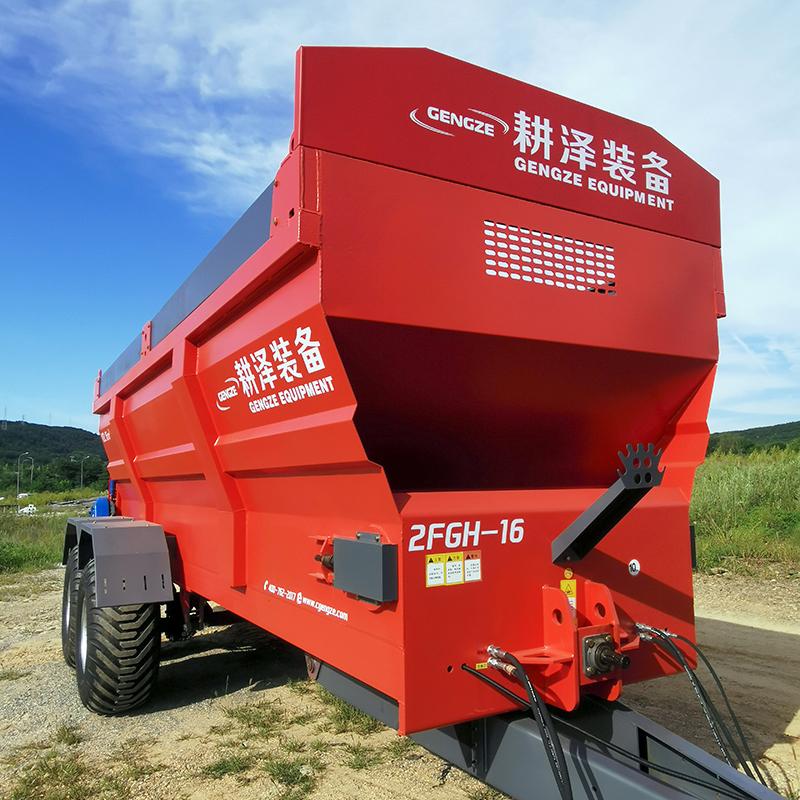
Lastly, assessing the design features of the manure spreader is essential. Innovative designs can improve operational efficiency, such as adjustable spread widths and effective agitation systems that ensure even distribution of large manure spreader. Buyers should conduct field tests or request demonstration models to evaluate performance in real-world conditions.
When sourcing manure spreaders, several specifications are crucial for ensuring that the equipment meets operational requirements. First, the capacity of the spreader measured in cubic yards or tons should align with the size of the farm and the volume of big manure spreader produced. A larger capacity may reduce the number of trips required for spreading, thus enhancing efficiency.
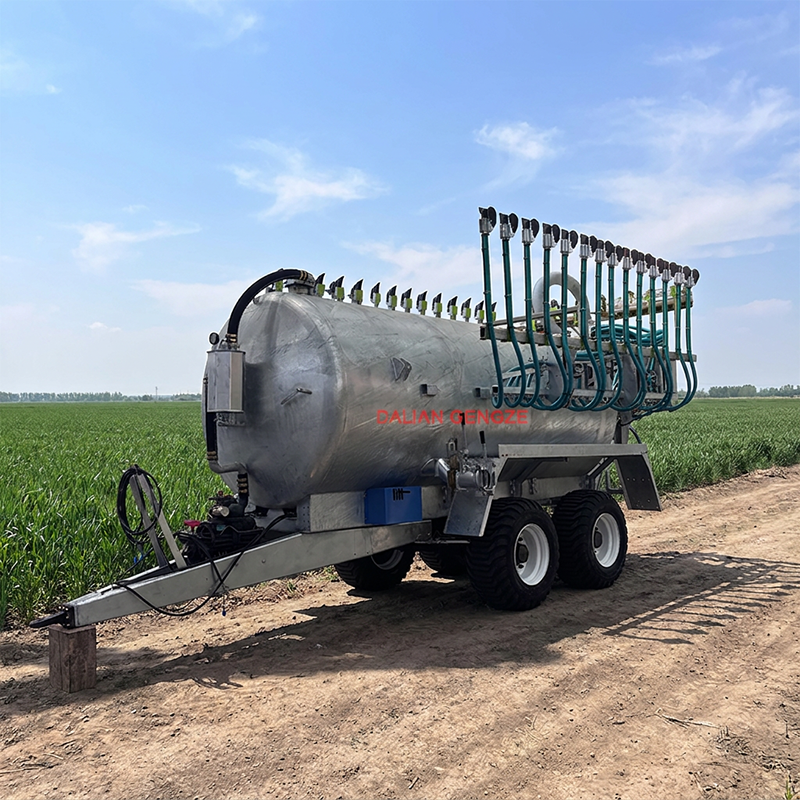
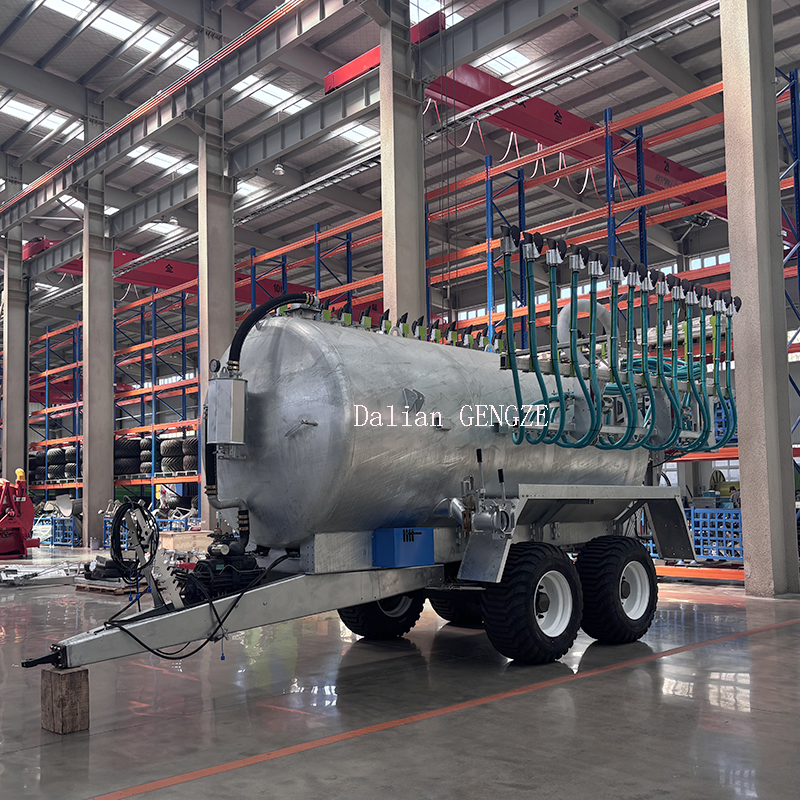
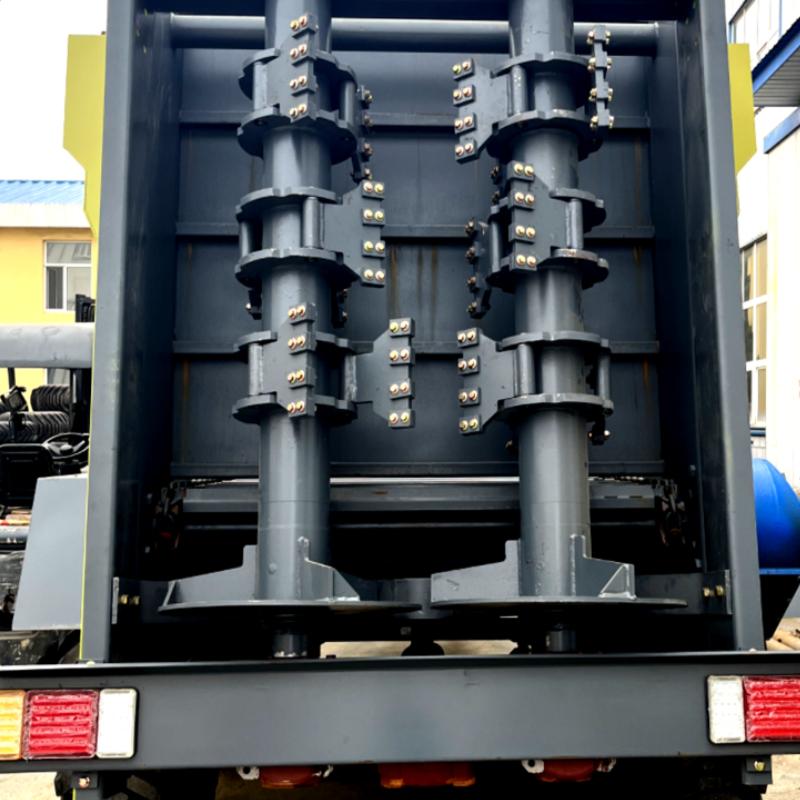
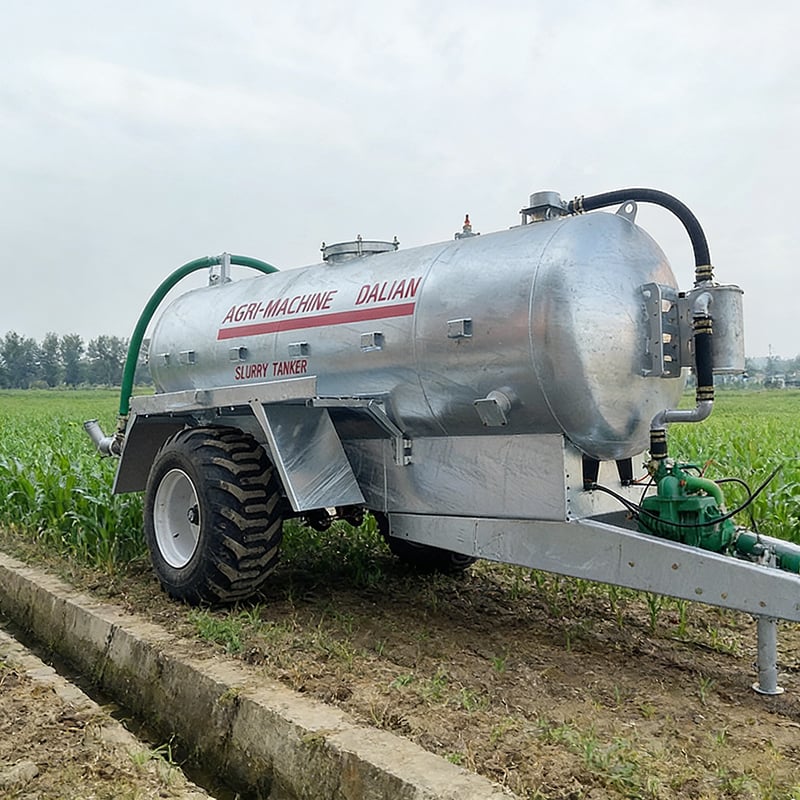
Another critical specification is the spreading mechanism, which can vary between models. For instance, some spreaders utilize a vertical beat system, while others may employ a horizontal auger. Each mechanism affects how evenly manure is distributed and can influence the spreader's suitability for different types of manure, such as liquid slurry or solid waste.
Additionally, the width of the spread pattern is important, as it determines how much area can be covered in a single pass. Buyers should also consider the weight and design of the spreader, ensuring compatibility with existing tractors and equipment. A well-matched spreader can enhance operational efficiency and reduce wear on machinery.
When purchasing agricultural manure spreaders in bulk, understanding the cost factors is vital. The initial purchase price is only one component; potential buyers should also account for shipping, handling, and installation costs. Bulk purchases may offer significant savings, but it’s essential to clarify minimum order quantities (MOQ) and any associated discounts.
Operational costs should also be considered, including maintenance and repair expenses. High-quality manure spreaders from established manufacturers often come with warranties that can mitigate long-term costs. Buyers should inquire about the availability of replacement parts and the manufacturer's reputation for customer service, as this can affect future repair costs.
Financing options may also be available for bulk purchases, allowing buyers to spread costs over time. It’s advisable to compare different suppliers and their financing terms to find the most favorable arrangement.
Finding reliable suppliers of agricultural manure spreaders involves a strategic approach. Start by researching manufacturers with a solid reputation and extensive industry experience. Companies like Dalian Gengze Agricultural Equipment Manufacturing Co., Ltd, which has over 20 years in agricultural equipment manufacturing, can be a trustworthy source due to their established presence and proven track record.
Industry trade shows and agricultural exhibitions can also be excellent venues for connecting with suppliers. These events allow buyers to observe equipment firsthand, engage with manufacturers, and gather vital information about product specifications and innovations.
Online directories and industry associations can provide listings of verified suppliers, along with customer reviews and ratings. It’s beneficial to reach out to peers in the agricultural sector for referrals, as firsthand recommendations can often lead to finding reputable suppliers.
Comparing different models of agricultural manure spreaders requires a systematic approach. Begin by listing the key specifications that are most relevant to your operations, such as capacity, spreading mechanism, and material durability.
Next, gather product data sheets from various manufacturers, noting any unique features that could add value. For instance, some models may offer advanced technology for monitoring application rates or GPS guidance for precision spreading.
Conducting side-by-side comparisons of these specifications can help identify which models best meet your operational needs. Additionally, consider the experiences of other users by researching reviews or seeking testimonials from existing customers. This feedback can provide insights into reliability, performance, and after-sales support.
Finally, if possible, arrange for demonstrations or trials of the models you are considering. This hands-on experience can be invaluable in assessing how well the spreaders perform under actual working conditions, ensuring that your final choice is well-informed and suited to your specific requirements.
By understanding these various aspects of agricultural manure spreaders, B2B buyers can make informed decisions that enhance their farming operations and contribute to effective nutrient management.

Dalian Gengze Agricultural Equipment Manufacturing Co.,Ltd
Copyright © Dalian Gengze Agricultural Equipment Manufacturing Co.,Ltd All Rights Reserved | Blog | Privacy Policy
 EN