Requesting a Call:
Online Support
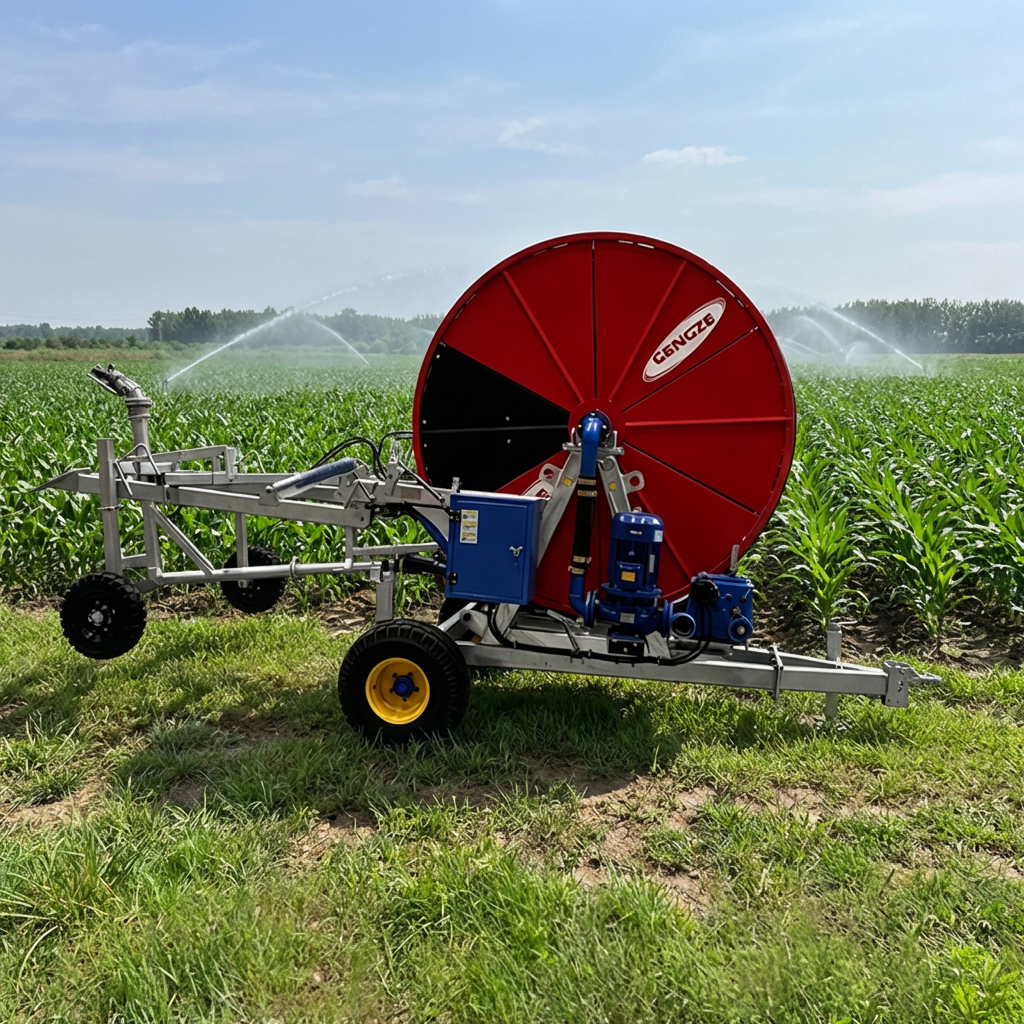
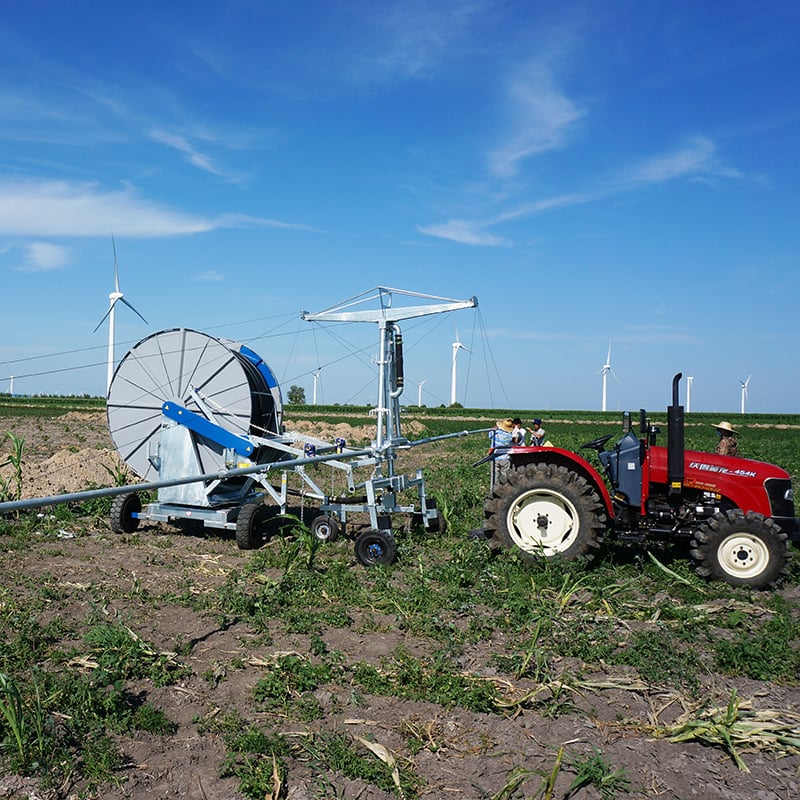
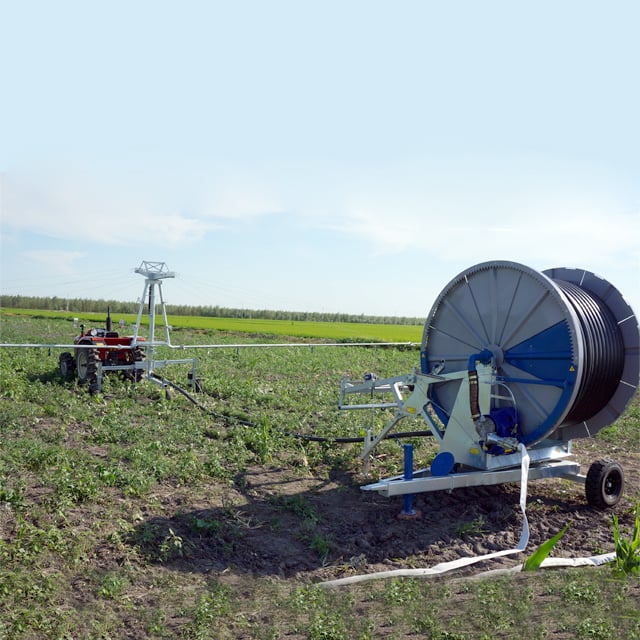
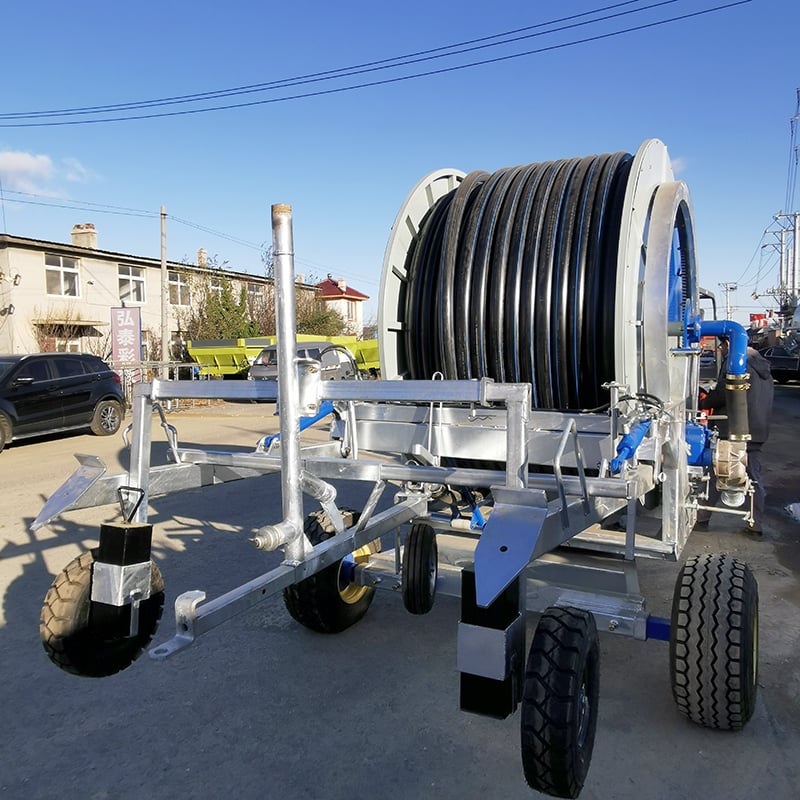
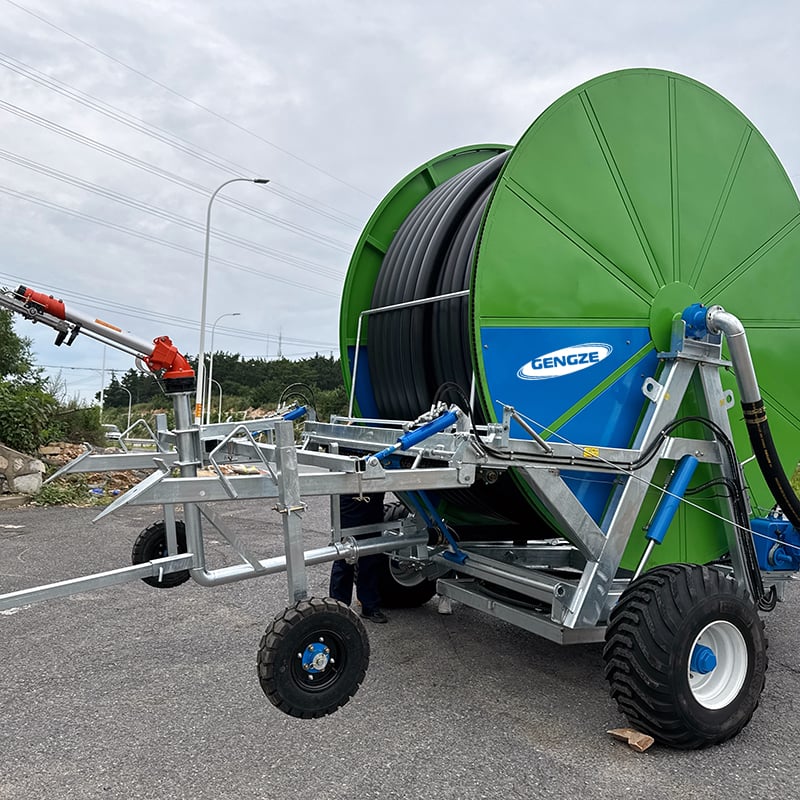
Irrigation reels are essential tools for efficient agricultural water management, designed to automate the process of irrigation for various crops. As a B2B buyer, understanding the intricacies of irrigation reels is crucial for making informed purchasing decisions. This article addresses key buyer concerns, including selecting the right product, evaluating suppliers, understanding specifications, and troubleshooting common issues, ensuring you’re well-equipped to optimize your irrigation practices.
Selecting the right irrigation reel involves considering multiple factors tailored to your specific agricultural application. First, evaluate the size of the area you need to irrigate. Farm irrigation systems center pivot come in various widths and lengths, enabling you to choose a model suitable for small plots or extensive fields.
Next, consider the type of crop you are irrigating. Different crops have unique water requirements, which can influence your choice of reel. For instance, delicate plants may require gentler watering techniques, while larger fields with robust crops might benefit from higher water pressure and volume.
Additionally, think about the terrain of your agricultural land. If you have uneven or sloped fields, you may need a reel that can handle varying elevations and is equipped to maintain efficient water distribution without wastage. Lastly, assess your budget and the total cost of ownership, including maintenance, to ensure you select a reel that provides both efficiency and value.
Finding a trustworthy supplier is vital for acquiring high-quality irrigation reels. Look for manufacturers with a proven track record in agricultural equipment, such as Gengze, which has been in the industry for over 20 years. Suppliers like Gengze that specialize in irrigation solutions and have experience working with various agricultural applications are often better equipped to meet your needs.
Verify the supplier’s certifications and quality control processes. Reliable manufacturers typically adhere to stringent quality assurance protocols to ensure their products meet industry standards. Additionally, seek suppliers that provide comprehensive product support, including installation guidance, maintenance recommendations, and troubleshooting assistance. This level of service can greatly enhance your purchasing experience and ensure the reliability of your best center pivot irrigation system.
When evaluating irrigation reels, several specifications are crucial for ensuring optimal performance. Key factors include:
Material: The construction material affects durability, weight, and resistance to environmental factors. Look for reels made from high-quality, corrosion-resistant materials that can withstand exposure to water and chemicals.
Pressure Rating: The pressure rating indicates the maximum water pressure the reel can handle. Ensure it matches your irrigation system's requirements to prevent leaks or damage.
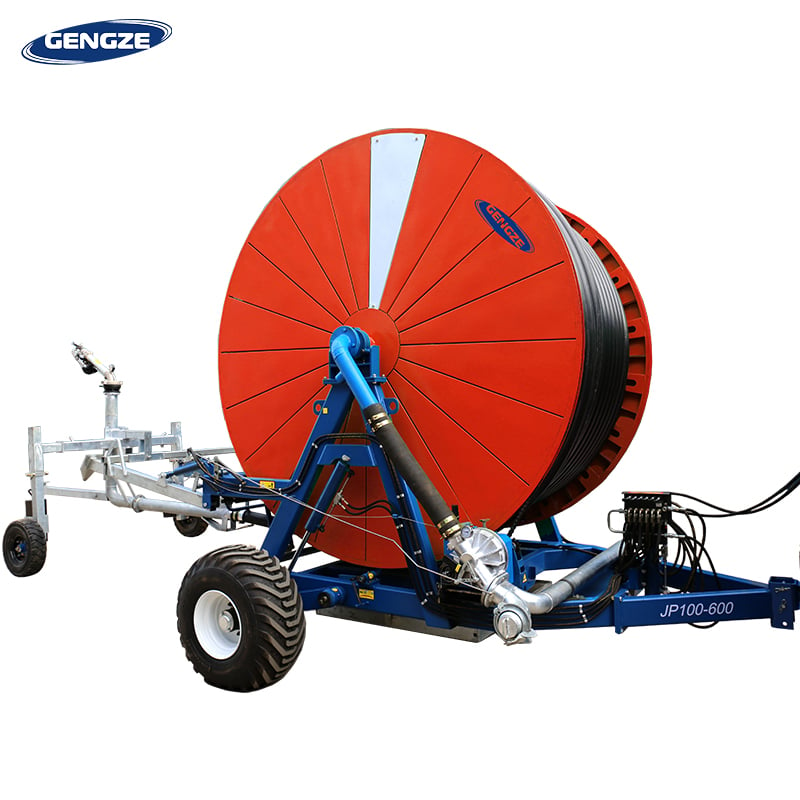
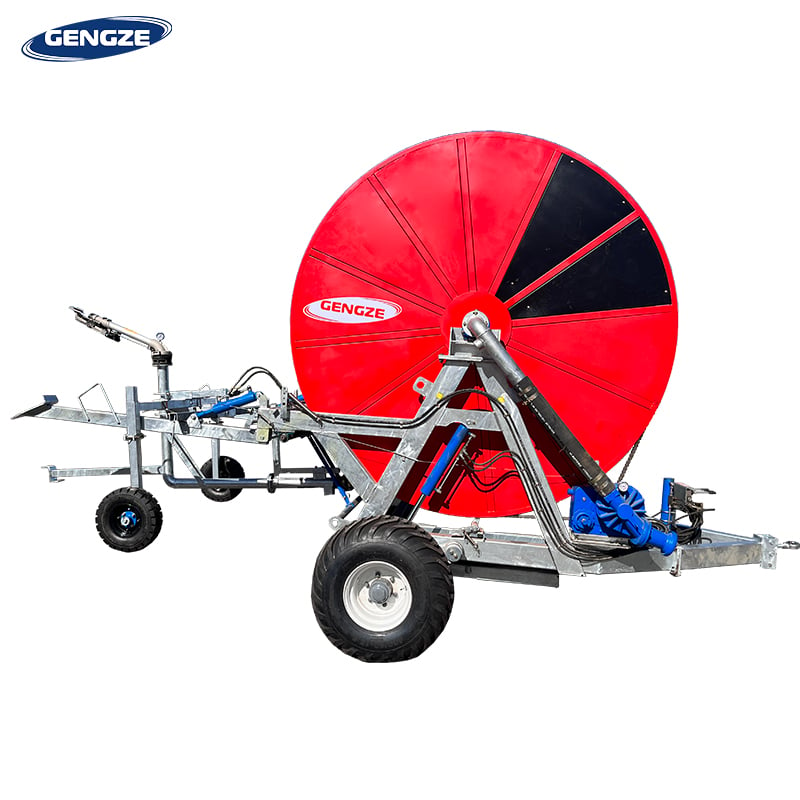
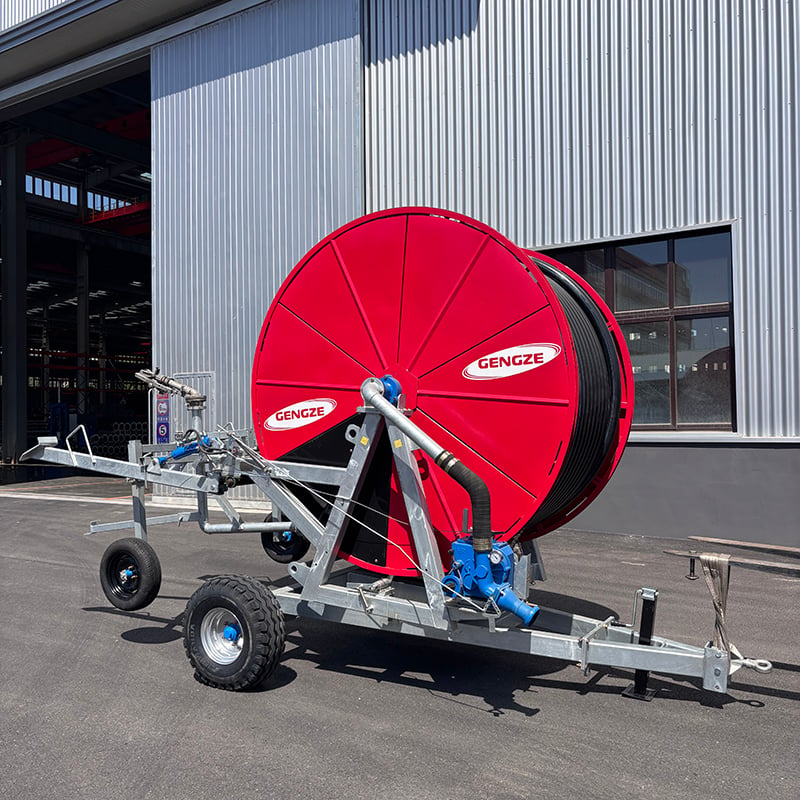
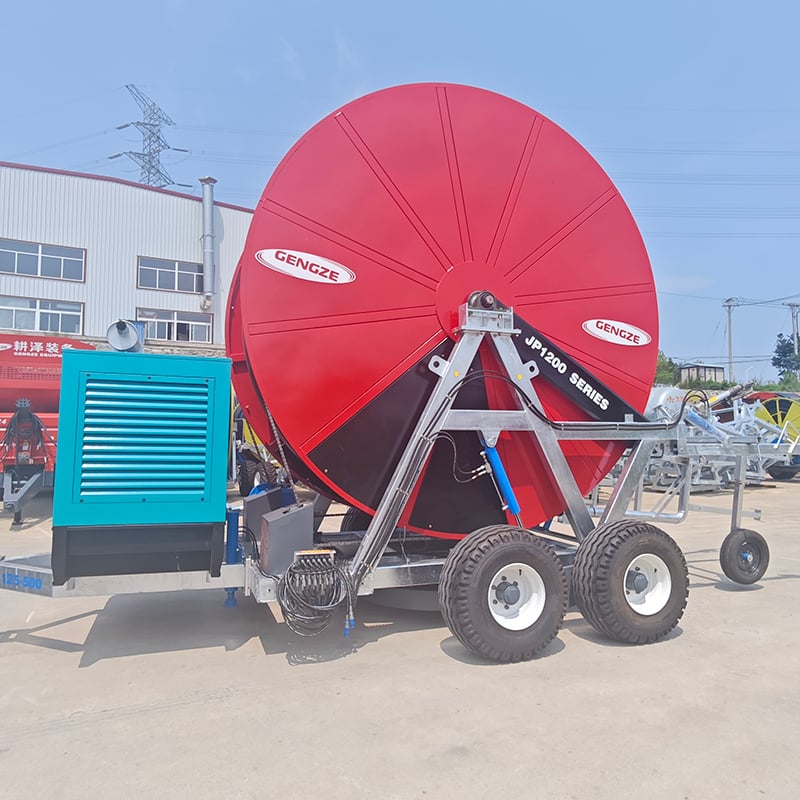
Reel Size and Capacity: This includes the diameter and width of the reel, which determines the amount of hose it can hold. A larger capacity allows for longer hoses, suitable for extensive fields.
Hose Length: Consider the length of the hose that comes with the reel, as this will impact how far you can reach across your field without needing to reposition the system.
Weight: Heavier reels may be more stable but could require additional machinery for transport. Ensure that the weight suits your operational capabilities.
Ease of Operation: Look for features that facilitate easy setup and operation, such as automatic rewind functions and user-friendly controls.
Understanding these specifications will help you choose a reel that not only fits your current needs but also ensures long-term efficiency and reliability.
Despite their efficiency, irrigation reels can face several common issues. Here are some problems and their solutions:
Clogged Nozzles: Over time, dirt and debris can clog the nozzles, affecting water distribution. Regularly check and clean the nozzles to maintain optimal performance. Investing in filters can also help prevent debris from entering the system.
Hose Kinks and Twists: Hoses can kink or twist during operation, leading to uneven water distribution. Ensure that the hose is properly wound and free from tangles before use. Implementing a guide system can also help manage hose movement.
Water Pressure Issues: Inconsistent water pressure may indicate leaks or blockages in the system. Conduct a thorough inspection of the entire irrigation setup, including connections and hoses, to identify and rectify any issues promptly.
Mechanical Failures: Regular maintenance checks are essential to prevent mechanical failures. Lubricate moving parts and check for signs of wear to ensure all components function smoothly.
By proactively addressing these issues, you can enhance the longevity and efficiency of your irrigation reel.
Establishing trust with your chosen supplier is crucial for a satisfactory purchasing experience. Start by requesting samples or demonstrations of the irrigation reel to assess quality and functionality firsthand. This step helps verify that the product meets your specifications and performance expectations.
Additionally, ask for references or testimonials from other customers to gauge their experiences with the supplier. A supplier like Gengze with a solid reputation in the industry is more likely to deliver reliable products and excellent customer service.
Finally, ensure clear communication regarding warranties, return policies, and after-sales support. A trustworthy supplier like Gengze will be transparent about these aspects, providing you with confidence in your investment.
In summary, understanding the specifications and features of irrigation reels, along with choosing a reliable supplier, can significantly enhance your agricultural operations. By addressing common issues proactively and building a trusting relationship with your supplier, you can ensure that your center point irrigation system operates efficiently and effectively, supporting the success of your farming endeavors.

Dalian Gengze Agricultural Equipment Manufacturing Co.,Ltd
Copyright © Dalian Gengze Agricultural Equipment Manufacturing Co.,Ltd All Rights Reserved | Blog | Privacy Policy
 EN