Զանգի հարցում.
Առցանց աջակցություն

Ուշ գարունը դաշտային մշակաբույսերի, խոտավետային հողերի, բանջարեղենի և պտղատու ծառերի համար կրիտիկական աճի շրջան է: Ջերմաստիճանի բարձրացման, մշակաբույսերի տրանսպիրացիայի արագացման և անհավասարաչափ տեղատվության պայմաններում ժամանակին և արդյունավետ լրացուցիչ ոռոգումը անհրաժեշտ է բերքի, որակի և համաչափ աճի ապահովման համար: Մեծ մասշտաբի ֆերմաների, ընտանեկան ֆերմաների և մշակաբույսերի մշակման բազաների համար լարային ոռոգման սարքավորումները ուշ գարնանային լրացուցիչ ոռոգման համար համարվում են բավականին հուսալի, ծախսատար արդյունավետ և ճկուն լուծում: Հիմնված մշակված տեխնիկական լուծումների, ճկուն տեղադրման և համաչափ ջրի բաշխման վրա՝ լարային ոռոգման համակարգերը ապահովում են հաստատուն խոնավություն այն ժամանակ, երբ մշակաբույսերը այն ամենից շատ են կարիք ունենում:
1. Բարձր մոբիլություն և արագ տեղադրում ուշ գարնանային արտակարգ ոռոգման համար
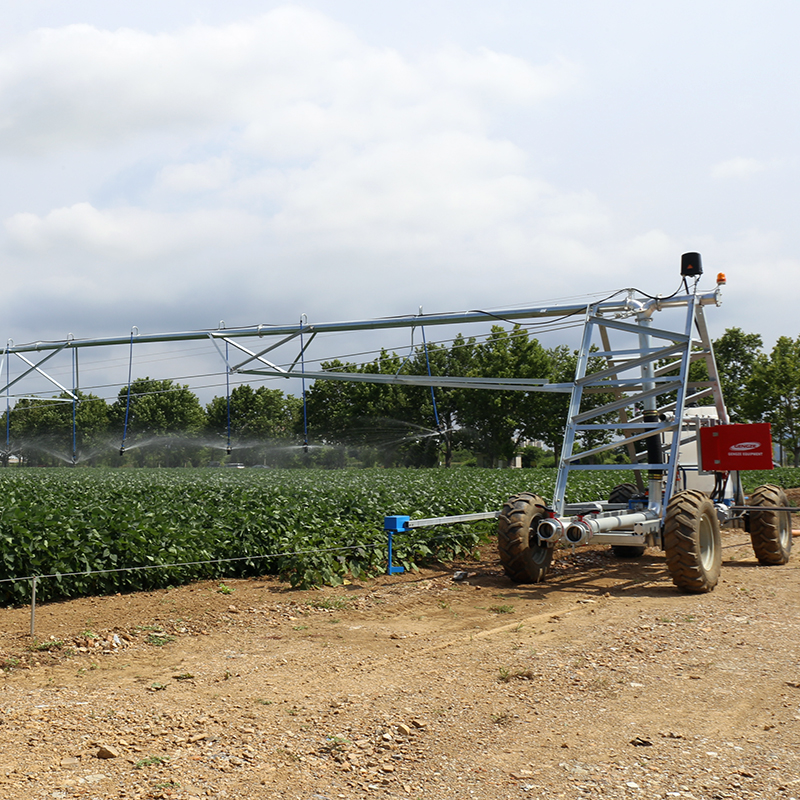
Ուշ գարունը հաճախ բերում է սudden չորացման շրջաններ և կարճ ժամանակահատվածներ, երբ դաշտերում պայմանները հարմար են աշխատանքի համար: Շարժական ջրառարկման սարքերը նախատեսված են բացառիկ շարժունակության և արագ տեղադրման համար: Դրանք հեշտությամբ կարելի է տեղափոխել տարբեր դաշտերի, ճանապարհների եզրերի և անկանոն հատվածների միջև՝ առանց մշտական խողովակաշարի տեղադրման: Անկախ նրանից, թե ձեզ անհրաժեշտ է ջրառարկել ցորեն, սոյայի սերմեր, ցորեն, կարտոֆիլ, կերային խոտ կամ պտղատու ծառեր, այս համակարգը մի քանի րոպեում միացվում է ճնշման գլխավոր խողովակներին, ավազաններին, գետերին կամ ջրատար սարքերին: Այս շարժունակությունը հնարավորություն է տալիս արագ արձագանքել չորացման սթրեսին և ավարտել լրացուցիչ ջրառարկումը՝ մինչև տաքացումների կամ ուժեղ անձրևների սկսվելը, ինչը նվազեցնում է բերքի կորուստը և մաքսիմալացնում բույսերի առողջությունը:
2. Համասեռ սփրեյինգ և իդեալական ատոմացում զգայուն ուշ գարնանային աճի համար
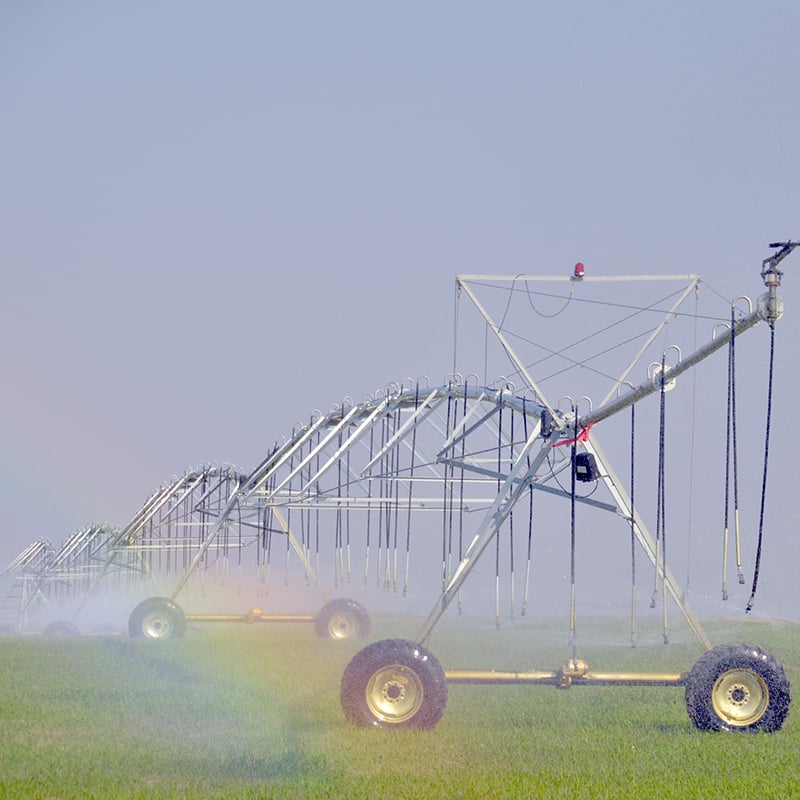
Գարնան վերջին մշակաբույսերը գտնվում են վեգետատիվ ակտիվ փուլում. անհավասարաչափ ոռոգումը հանգեցնում է աճի դանդաղեցման, բույսերի թեքվելու և հասունացման անհամատեղելիության: Ժամանակակից ձողավոր ոռոգիչները սարքավորված են հաստատուն արագությամբ պտտվող սփրեյերով և ընտրովի բազմաթեքային սփրեյերով օժտված տրուսներով, որոնք առաջացնում են մանր, համատեղելի կաթիլներ՝ ցածր ցանցային ինտենսիվությամբ: Իդեալական ատոմիզացիան նվազեցնում է հողի սեղմվածությունը, տերևների այրվածքը և ջրի հոսքը, միաժամանակ բարելավելով ջրի ներծծումը: Քամոտ շրջանների համար տրուսային մոդելները ապահովում են կայուն ծածկույթ, ինչը դրանք հարմար է դարձնում բարձր արժեքավոր ապահովագրային մշակաբույսերի համար, ինչպես օրինակ՝ սուրճ, կեռաս, շաքարի ճանճ և բանջարեղեն: Համատեղելի խոնավությունը ուղղակիորեն բարելավում է սննդարար նյութերի յուրացումը, ֆոտոսինթեզը և գարնան վերջին մշակաբույսերի վեգետատիվ ակտիվությունը:
3. Ուժեղ հարմարվողականություն ռելիեֆի և հողատարածքի պայմաններին
Վերջնային գարնանային դաշտերում հաճախ հանդիպում են անհավասար ռելիեֆ, թեքություններ կամ խոչընդոտներ, ինչպես օրինակ՝ ծառեր, գետակներ և ֆերմերային ենթակառուցվածքներ: Համեմատության համար՝ ամրացված ջրացանցային կամ կաթիլային համակարգերի հետ, ձողային ջրավազակի համակարգը անխափան աշխատում է հարթ, բլրային կամ անկանոն ձևավորված տարածքներում: Այն չի սահմանափակվում դաշտի խոչընդոտներով և կարող է հարմարվել փոքր, միջին և մեծ մակերեսներին: Այս բազմակողմանիությունը վերացնում է թանկարժեք հողի մակերևույթի հարթեցման անհրաժեշտությունը և ապահովում է, որ ձեր դաշտի յուրաքանչյուր անկյուն ստանա բավարար լրացուցիչ ջուր՝ ինչը կարևոր է ամբողջ տնկարկային տարածքում վերջնային գարնանային աճի համատեղելիության համար:
4. Աշխատավարձի խնայողություն և ցածր շահագործման ինտենսիվություն
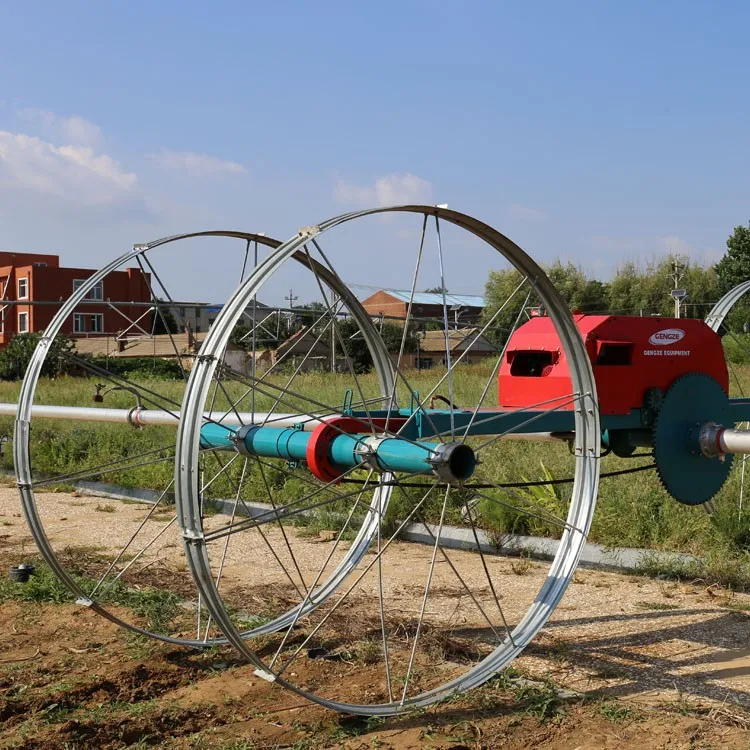
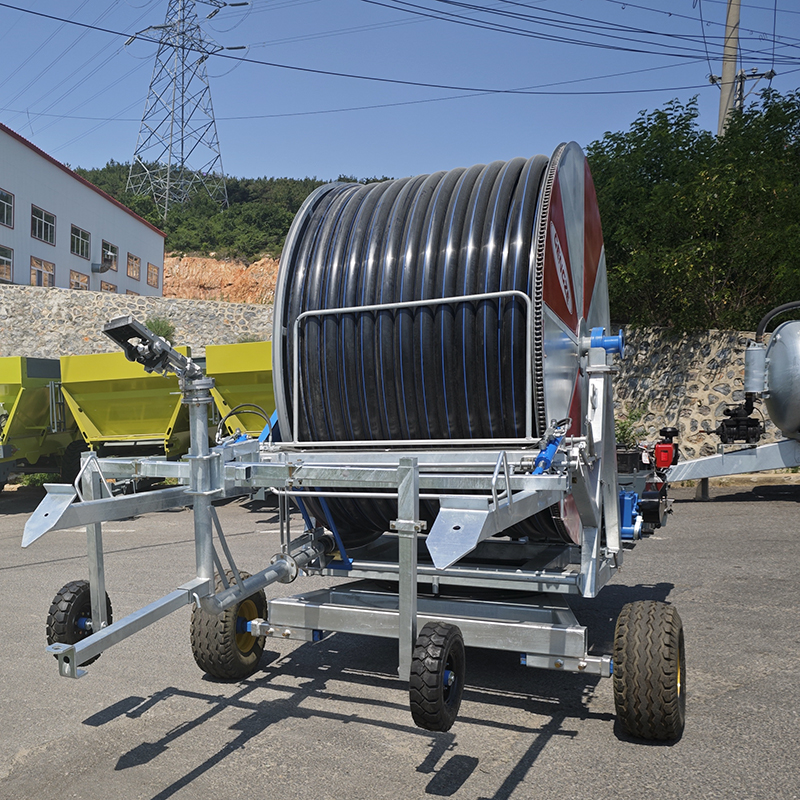
Ամառվա վերջի հասունացման շրջանում, երբ գյուղատնտեսական աշխատանքները ամենաշատն են, մեծ պահանջարկ կա ցանքի, մոլախոտերի վերացման և վնասատուների վերահսկման համար: Շարժական ջրավազանային ոռոգման համակարգերը հեշտ է օգտագործել և կառավարել՝ նվազագույն ձեռքով միջամտությամբ: Համակարգի տեղադրումից հետո սարքը ինքնաբերաբար մաքրում է PE խողովակը և շարժում է ցանցավոր սփրինկլերը ոռոգման ճանապարհով: Մեկ օպերատորը կարող է կառավարել մի քանի միավոր, ինչը կտրուկ նվազեցնում է աշխատավարձի ծախսերը և աշխատանքի ինտենսիվությունը: Ինքնաշարժ կառավարումը նաև ապահովում է կայուն և համաչափ աշխատանք ամբողջ լրացուցիչ ոռոգման ցիկլի ընթացքում:
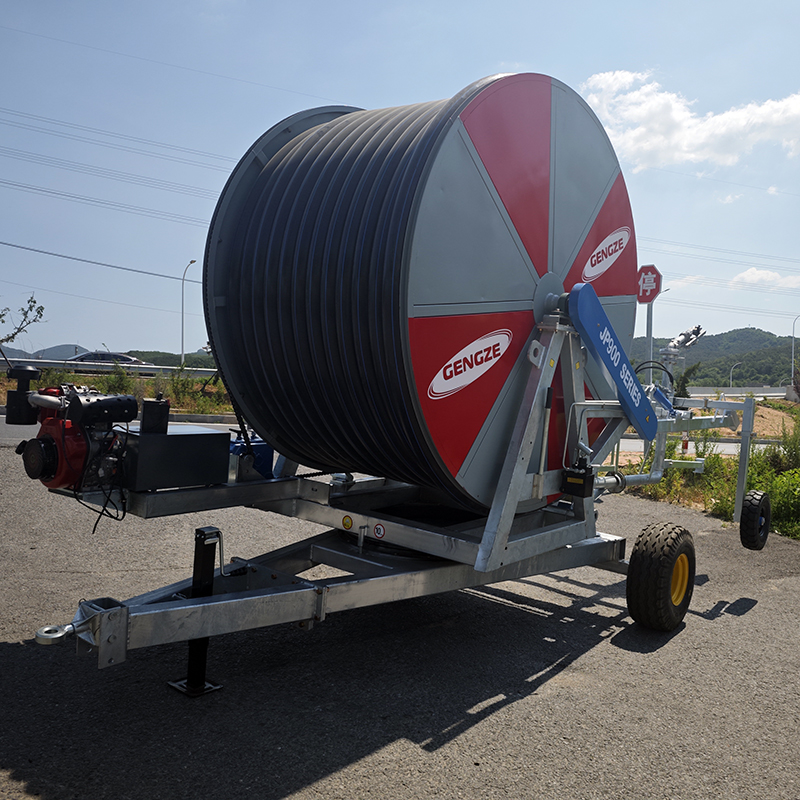
5. Ջրի, էներգիայի խնայողություն և ծախսերի արդյունավետություն մեծ մասշտաբով օգտագործման համար
Ամառվա վերջի լրացուցիչ ոռոգումը հաճախ իրականացվում է մեծ տարածքներում, ինչը հարուցում է ջրի և էներգիայի ծախսերի վերաբերյալ մտահոգություններ: Շարժական ջրավազանային ոռոգման համակարգերը նվազեցնում են կորուստները՝ ճշգրիտ բաշխման և ցածր ճնշման դիզայնի շնորհիվ: Համեմատած ստվերային ոռոգման հետ՝ այն զգալիորեն նվազեցնում է ջրի օգտագործումը՝ միաժամանակ բարելավելով բաշխման համաչափությունը: Համակարգերը հասանելի են ջրի տուրբինով, էլեկտրաշարժիչով կամ դիզելային շարժիչով շարժման տարբերակներով՝ համապատասխանեցված տեղական էներգիայի մատակարարման պայմաններին:
- Էլեկտրական մոդելները լավ են աշխատում ցանցին միացված տարածքներում՝ ապահովելով կայուն և ցածր ծախսերով շահագործում:
- Դիզելային միավորները լավ են աշխատում հեռավոր տարածքներում, որտեղ սահմանափակ է էլեկտրամատակարարումը:
- Ջրատուրբինային տարբերակները մաքսիմալացնում են էներգաօգտագործման արդյունավետությունը՝ օգտագործելով ջրատար խողովակների ճնշումը:
Մշակման համար օգտագործվում են մշակված սկզբնաղբյուրի PE խողովակներ, ամբողջությամբ եռացված միացումներ և ամուր գլանաձև կառուցվածքներ, որոնք երկարացնում են շահագործման ժամկետը և նվազեցնում սպասարկման ծախսերը՝ ապահովելով բարձր երկարաժամկետ վերադարձ մեծ մասշտաբի լրացուցիչ ոռոգման համար:
6. Աջակցում է ջրի և պարարտանյութի ինտեգրմանը տարվա վերջին գարնանային պարարտանյութերի մատակարարման համար
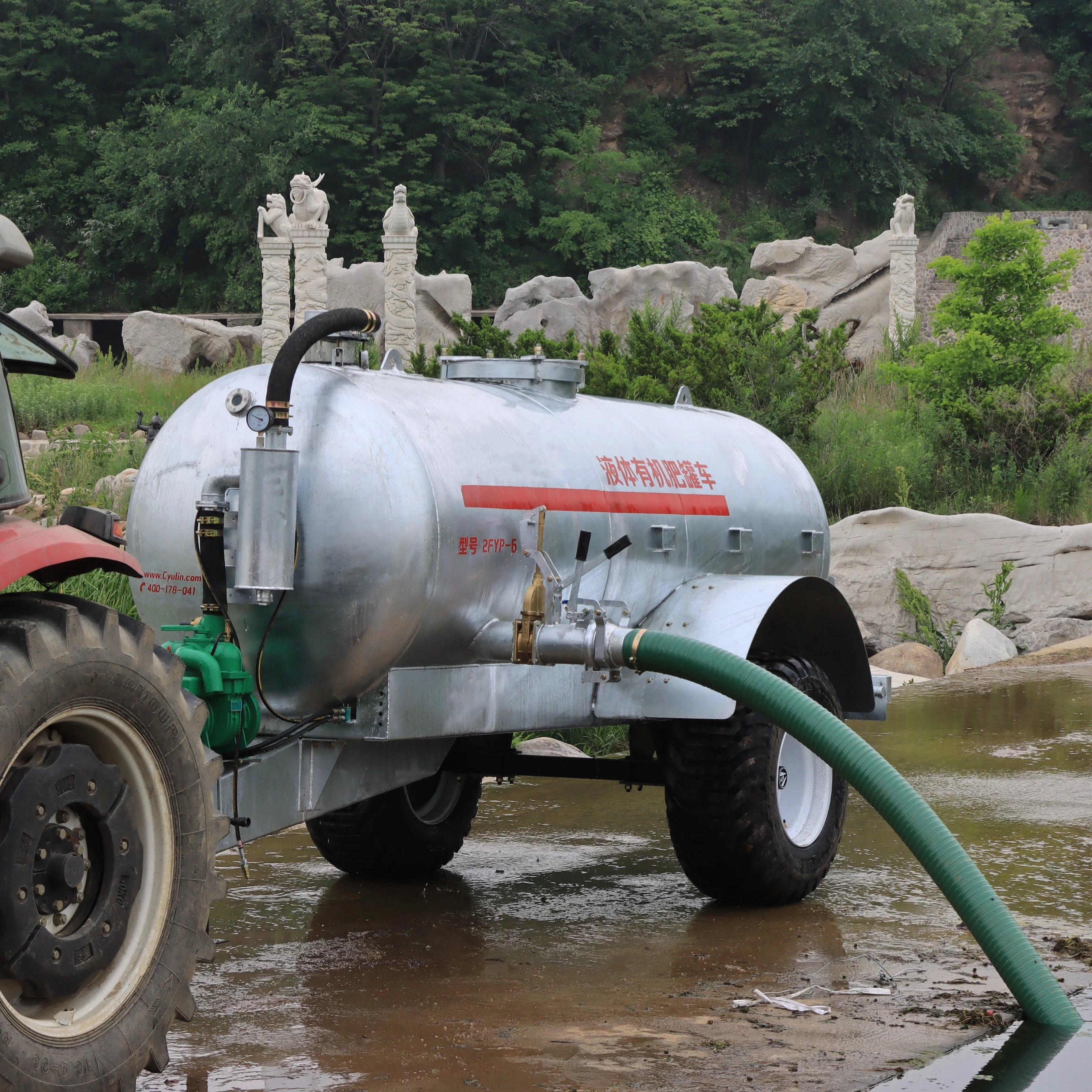
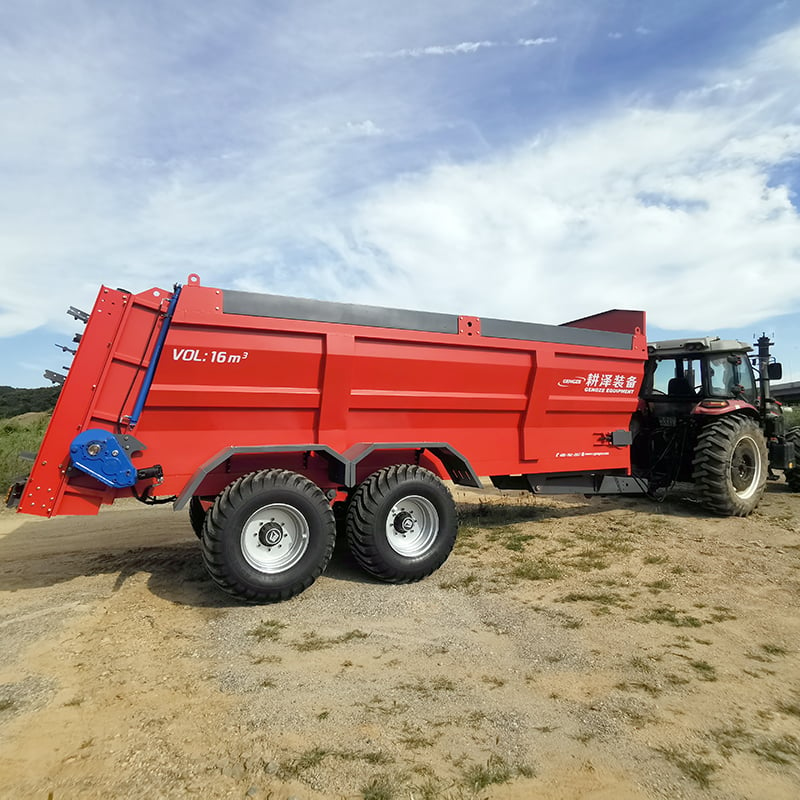
Ուշ գարունը ոչ միայն ջրի պահանջարկի գագաթնակետային շրջան է, այլև բույսերի վերին պարարտացման հիմնարար փուլ: Շատ ձեռքի մեջ պտտվող լավազարդային հեղուկ պարարտանյութերի ոռոգման մեքենաներ աջակցում են ջրի և պարարտանյութի ինտեգրացված կիրառմանը՝ ներառյալ կենսագազի սուլյուցիան, կենդանիների կողմից արտադրված օրգանական պարարտանյութերը և քիմիական պարարտանյութերը: Մեծ տրամագծով PE խողովակները (≥100 մմ) անվտանգ են տեղափոխում հեղուկ սննդարար նյութերը՝ միաժամանակ ոռոգելով, ինչը բարելավում է հողի ունակությունները, մեծացնում սննդարար նյութերի օգտագործման արդյունավետությունը և աջակցում է էկոլոգիապես մաքուր մշակումների և բուծման շրջանառություններին: Այս բոլորը մեկ մեջ ներառող ֆունկցիան պարզեցնում է ուշ գարնանային դաշտային կառավարումը և բարձրացնում բերքատվությունը:
7. Հուսալի հետվաճառքային սպասարկում և կայուն աշխատանքային ցուցանիշներ անընդհատ ոռոգման համար
Ուշ գարնանային լրացուցիչ ոռոգման համար անհրաժեշտ են հուսալի սարքավորումներ: Վստահելի արտադրողներ, ինչպես օրինակ՝ GENGZE-ն, ապահովում են լիարժեք հետվաճառքային սպասարկում.
- Արագ վերանորոգումների համար լիարժեք պահեստամասերի պաշար
- Մասնագիտացված, սերտիֆիկացված տեխնիկական թիմեր տեղադրման, շահագործման մեջ մտցման և սպասարկման համար
- Օգտագործողների վերապատրաստում անկախ շահագործման և հիմնարար սպասարկման համար
Այս ծառայությունները նվազեցնում են անջատման ժամանակը և ապահովում են ձեր ոռոգման համակարգի հուսալի աշխատանքը գարնան վերջի կրիտիկական աճի փուլերում:
Եզրակացություն
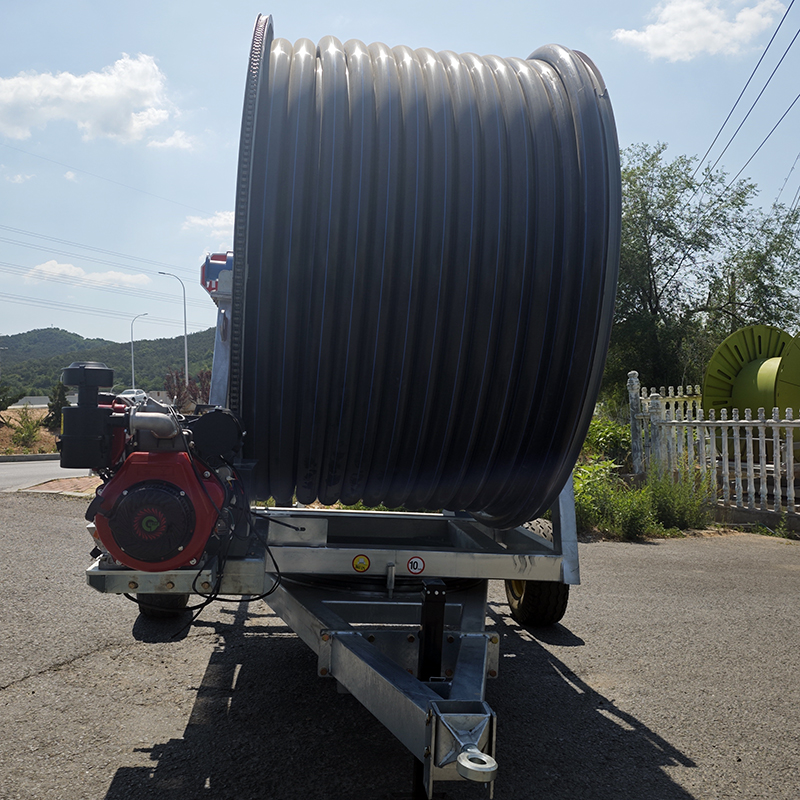
Ամռան վերջին լրացուցիչ ոռոգման համար թյուբիկավորված շարժական ոռոգման համակարգը միավորում է շարժականություն, համասեռություն, ճկունություն, աշխատավարձի խնայողություն, ջրի օգտագործման արդյունավետություն և ջրի ու պարարտանյութերի ինտեգրում՝ ապահովելով մշակաբույսերի աճը և բերքի ապահովումը: Այն համապատասխանում է կորնիզի, ցորենի, սոյայի, կերային մշակաբույսերի, բանջարեղենի, պտղատու ծառերի և բարձր արժեքավոր առևտրային մշակաբույսերի համար: Քանի որ ժամանակակից գյուղատնտեսությունը շեշտադրում է ջրի խնայողությունը, ծախսերի վերահսկումը և արտադրության կայունությունը, թյուբիկավորված շարժական ոռոգման համակարգերը դարձել են իմաստուն և արդյունավետ ամռան վերջի ֆերմերային կառավարման անփոխարինելի միջոցներ:
Արդյոք դուք վարում եք մեծ առևտրային ֆերմա, ընտանեկան ֆերմա կամ մշակաբույսերի մշակման բազա, պրոֆեսիոնալ ռելեի ոռոգման համակարգի ընտրությունը ապահովում է ձեր մշակաբույսերի համար համապատասխան և ժամանակին խոնավություն այն ժամանակ, երբ դա ամենից անհրաժեշտ է՝ ստեղծելով հաջող բերքի համար ամուր հիմք:
 Թեժ նորություններ
2026-10-13
2026-10-08
2026-09-29
2026-09-22
2026-09-03
2026-08-28

Dalian Gengze Agricultural Equipment Manufacturing Co.,Ltd
Copyright © Dalian Gengze Agricultural Equipment Manufacturing Co.,Ltd All Rights Reserved | Բլոգ|Գաղտնիության քաղաքականություն
 EN
EN