Requesting a Call:
Online Support
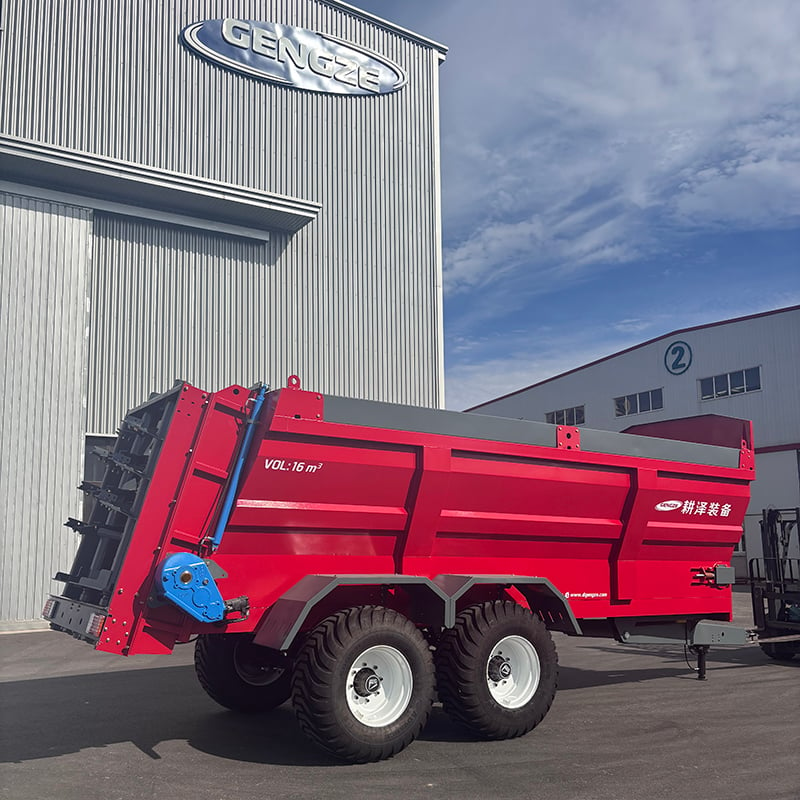
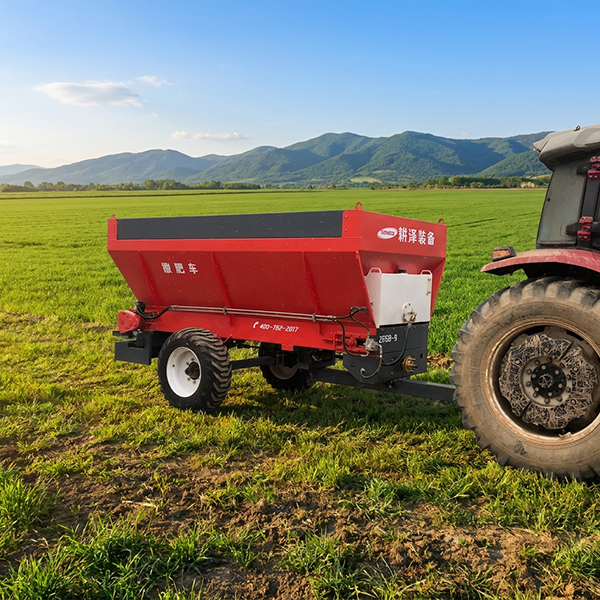
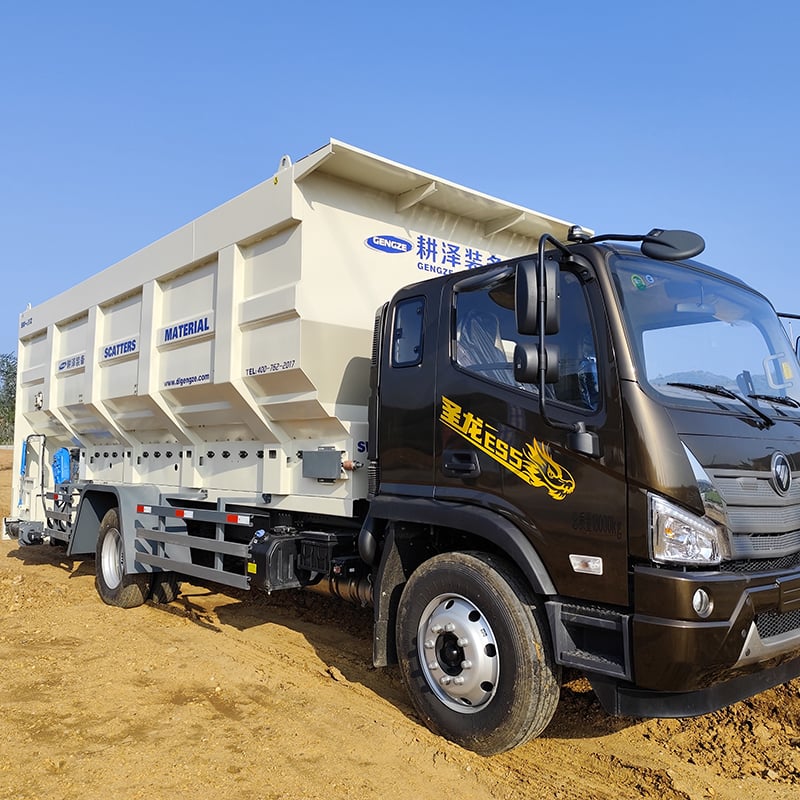
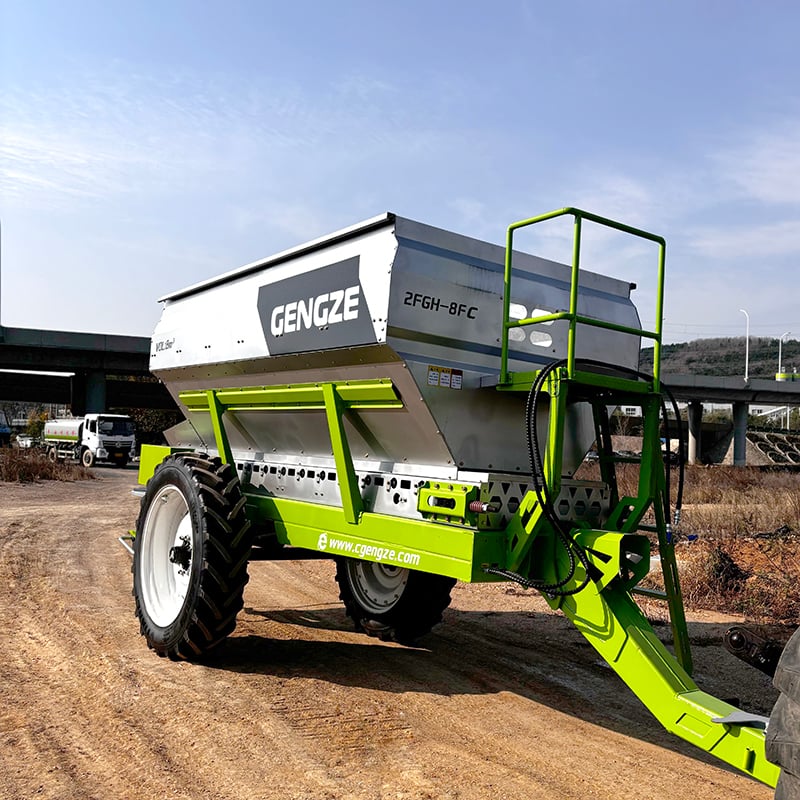
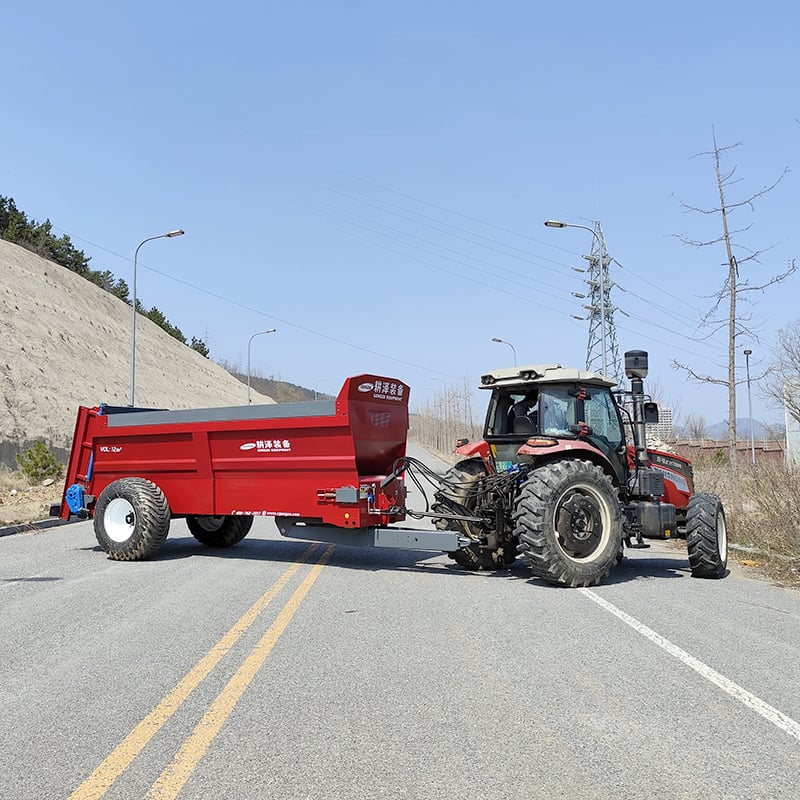
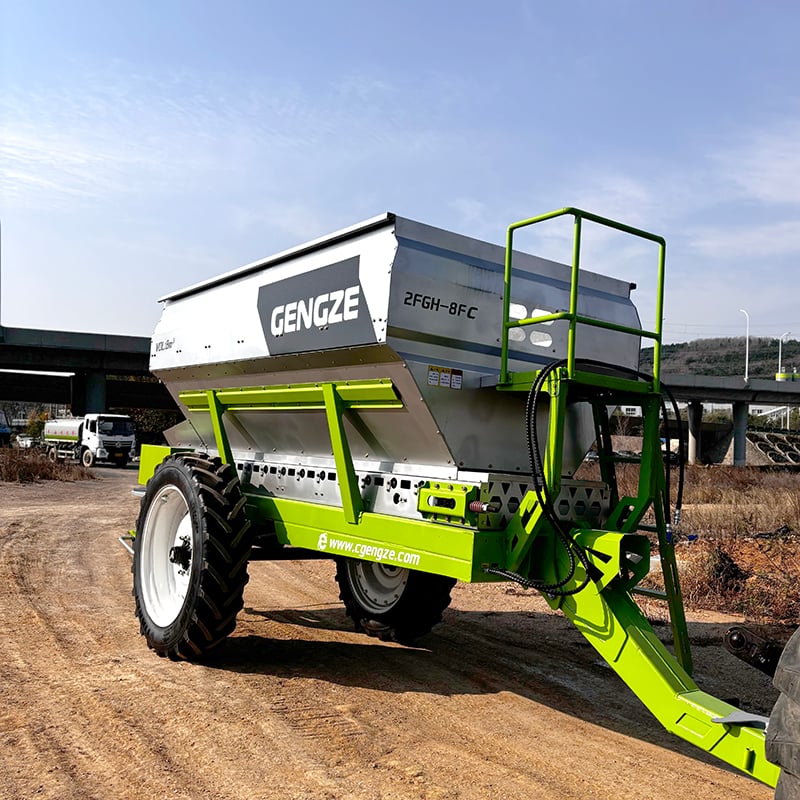
Broadcast fertilizer spreaders are essential tools in agriculture, designed to evenly distribute fertilizer across fields to ensure optimal crop growth. For B2B buyers, such as purchasing managers and agricultural engineers, selecting the right broadcast fertilizer spreader is crucial for maximizing efficiency and minimizing costs. This article will guide you through essential aspects such as choosing the appropriate spreader, installation guidance, cost factors, common issues, and comparisons for bulk orders.
When selecting a broadcast fertilizer spreader, consider several key factors to ensure compatibility with your agricultural practices. First, assess the size of your operation; larger farms may benefit from high-capacity models, while smaller operations might find compact units more effective.
Next, evaluate the type of fertilizer you plan to use. Different spreaders are designed for various materials, including granular, liquid, and pelletized fertilizers. It’s vital to choose a spreader fertiliser that can handle the specific type of fertilizer to avoid clogging and ensure an even distribution.
Additionally, consider the spread width and application rate. A wider spread width may reduce the time spent fertilizing large areas, but you must ensure it's appropriate for your crop type and soil conditions. The application rate should be adjustable to accommodate different fertilizers and field conditions, allowing for precise control over nutrient delivery.
Lastly, think about the durability and construction materials. High-quality materials can withstand the rigors of agricultural use and reduce maintenance costs. Dalian Gengze Agricultural Equipment Manufacturing Co., Ltd. specializes in producing robust, high-efficiency spreaders that are designed to meet the demands of modern farming.
Installing a broadcast fertilizer spreader requires careful attention to detail to ensure optimal performance. Begin by reading the manufacturer’s manual thoroughly, as it contains specific instructions tailored to the model you have purchased.
Ensure that your tractor or vehicle is compatible with the spreader’s hitch type. Proper alignment is crucial; misalignment can lead to uneven distribution and operational inefficiency. Utilize proper tools for installation, including wrenches and screwdrivers, and check that all bolts and fasteners are secured tightly to avoid any issues during operation.
Once installed, perform a test run in a controlled area. This allows you to calibrate the spreader settings according to the desired application rate and ensures that it operates smoothly before you head out to the fields. Regular maintenance checks after installation will also help keep the farm fertilizer spreader in optimal working condition.
The cost of a broadcast fertilizer spreader can vary significantly based on several factors. First, the type and capacity of the spreader play a crucial role in determining price. Larger, more advanced models often come with higher price tags due to their enhanced features and capabilities.
Material quality also affects cost. Spreaders made from durable, corrosion-resistant materials may have a higher initial purchase price, but they can lead to lower long-term maintenance costs and increased lifespan.
Additionally, consider the level of customization offered by suppliers. Custom features tailored to specific agricultural needs may increase the upfront costs but can enhance efficiency and performance in the long run. Be sure to discuss these options with potential suppliers to align on both budget and requirements.
Finally, factor in shipping costs, especially if you are importing from overseas. Understanding the total cost of ownership, including potential maintenance and operational expenses, will help you make a more informed purchasing decision.
Even the best broadcast fertilizer spreaders can encounter issues during operation. One common problem is uneven distribution, which can be caused by incorrect calibration or malfunctioning components. Regularly check the calibration settings and perform maintenance checks to ensure all parts are functioning properly.
Another frequent issue is clogging, particularly when using certain types of fertilizers. Ensure that the spreader's auger and distribution plates are clean and free of debris before use. If you experience persistent clogging, consider switching to a spreader designed for the specific type of fertilizer you are using.
Wear and tear on moving parts is also a concern. Regularly inspect the gearbox, bearings, and other moving components for signs of wear. Replacing worn parts promptly can prevent more extensive damage and costly repairs later.
Dalian Gengze Agricultural Equipment Manufacturing Co., Ltd. emphasizes the importance of routine maintenance to mitigate these common issues, ensuring that your spreader operates smoothly and efficiently throughout its lifespan.
When planning to purchase broadcast fertilizer spreaders in bulk, comparison becomes crucial. Start by evaluating the specifications of each model, including capacity, weight, and dimensions. Consider how these factors align with your operational needs.
Next, assess the manufacturer's reputation and experience. A supplier with a solid track record in agricultural equipment, such as Dalian Gengze, can provide insights into product durability and performance based on years of industry experience.
Pricing should also be a focal point in your comparison. Request detailed quotes that encompass not just the unit price but also shipping, potential bulk order discounts, and warranty options. Understanding the total cost will help you make a more informed decision.
Finally, review the after-sales support offered by each supplier. Reliable customer service, availability of spare parts, and maintenance support can significantly impact the long-term usability of your investment.
By thoroughly comparing these aspects, you can make a confident decision on the right broadcast fertilizer spreaders for your agricultural needs.

Dalian Gengze Agricultural Equipment Manufacturing Co.,Ltd
Copyright © Dalian Gengze Agricultural Equipment Manufacturing Co.,Ltd All Rights Reserved | Blog | Privacy Policy
 EN