Requesting a Call:
Online Support
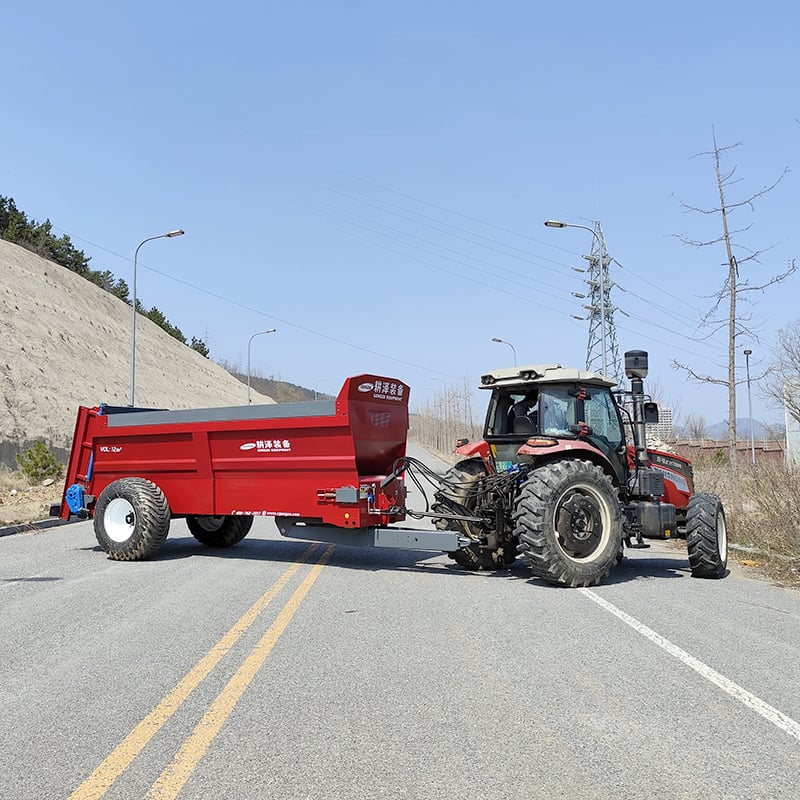
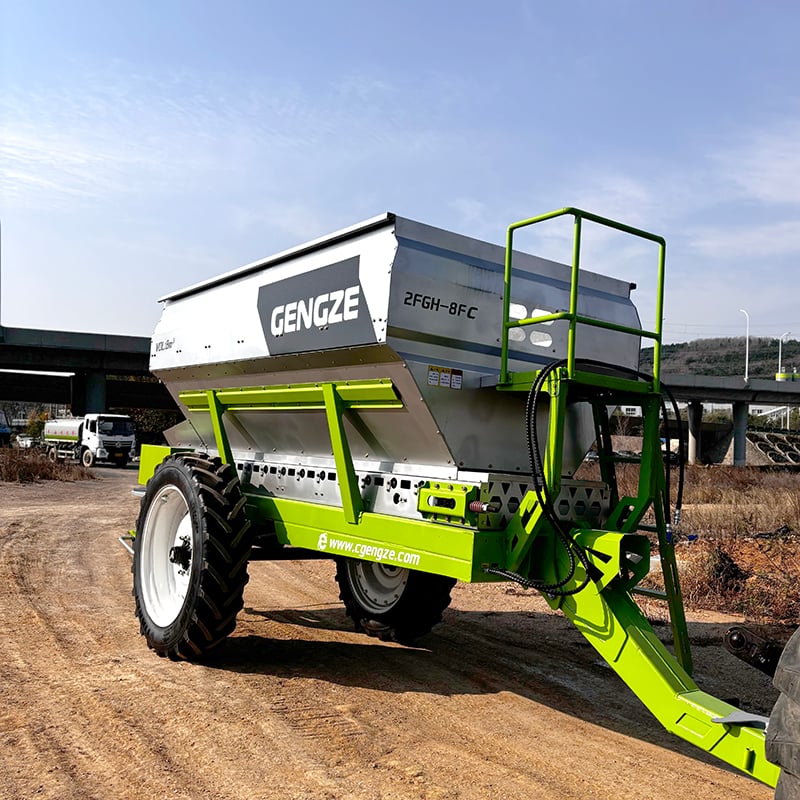
Fertilizer spreader machines are essential tools in modern agriculture, designed to distribute fertilizers evenly and efficiently across fields. For B2B buyers, including purchasing managers and agricultural engineers, selecting the right fertilizer spreader machine is critical to maximizing crop yield and minimizing waste. This article will address key considerations for choosing a fertilizer spreader, specifications to evaluate, common issues and their solutions, installation guidance, and applications within contemporary agricultural practices.
When selecting a fertilizer spreader machine, the first step is to define your specific agricultural needs. Consider the size of your operations, the type of fertilizer being used (granular or liquid), and the terrain of your fields. Spreader types such as broadcast or drop spreaders offer different benefits: broadcast spreader fertiliser cover larger areas and are ideal for uniform distribution, while drop spreaders provide accuracy when applying fertilizers near sensitive areas.
Moreover, evaluate the machine's capacity. A larger capacity means fewer trips to refill, which is crucial for large-scale operations. Additionally, look for features such as adjustable spread patterns, which allow for flexibility depending on the crop type and field conditions. It’s also advisable to consider the machine’s compatibility with existing equipment, ensuring it integrates seamlessly with your current agricultural fleet.
When sourcing fertilizer spreaders, several key specifications should be evaluated:
Material: The durability of the machine is often determined by the materials used in construction. Stainless steel and high-grade plastics enhance resistance to corrosion and wear, extending the machine's lifespan.
Tank Capacity: Determine the volume capacity that meets your operational needs. A larger tank reduces downtime but may impact maneuverability in smaller fields.
Spread Width: This specification indicates how wide the machine can spread fertilizer in one pass. A wider spread width can improve efficiency, especially in large fields.
Drive System: Different compost spreaders may use hydraulic or mechanical drive systems. Assess which system aligns better with your operational needs, as this affects maintenance and operational efficiency.
Calibration Features: Look for machines that offer easy calibration settings, allowing for precise application rates to avoid over-fertilization, which can damage crops and waste resources.
Understanding these specifications helps in selecting the right machine for your application, ensuring effectiveness and efficiency in fertilizer distribution.
Fertilizer spreaders can encounter various issues that may hinder their performance:
Clogging: A common issue, especially with certain fertilizers, can lead to uneven distribution. To solve this, maintain regular cleaning schedules and ensure the fertilizer used is appropriate for the machine's design. Investing in a spreader with an anti-clogging design can also be beneficial.
Inaccurate Calibration: Poor calibration can result in either over-application or under-application of fertilizers. Regularly check and adjust the settings according to the manufacturer’s guidelines and the application requirements.
Wear and Tear: Components such as the spreader plates and augers can wear out over time. Regular inspections and timely replacements of parts are essential to maintain performance.
Inconsistent Spreading Patterns: This can arise from uneven terrain or improper machine settings. Conducting a test run before full application can help identify and correct these issues.
Addressing these common problems proactively can enhance the operational efficiency of fertilizer spreaders and ensure a successful fertilization process.
Proper installation is crucial for the effective operation of fertilizer spreader machines. Here are key steps to ensure optimal use:
Read the Manual: Always start by thoroughly reading the manufacturer's manual. This document contains specific guidance on installation and operational best practices.
Check Compatibility: Ensure the spreader is compatible with your tractor or towing vehicle. Proper hitching techniques and weight distribution are vital for safe operation.
Calibration: Before using the machine, calibrate it according to the fertilizer type and the intended application rate. This step is critical to achieve the desired distribution.
Safety Features: Inspect the safety features, such as guards and shields, to ensure they are correctly installed and functional. This helps protect operators and bystanders during use.
Field Tests: Conduct a small field test to verify the machine's performance. This allows for adjustments to be made before tackling larger areas.
Following these installation steps can significantly enhance the performance and safety of fertilizer spreaders in the field.
Fertilizer spreaders play a pivotal role in contemporary agricultural practices. Their applications include:
Precision Agriculture: With advancements in technology, many modern spreaders can be integrated with GPS and precision agriculture techniques. This allows for variable rate applications, reducing waste and ensuring precise nutrient delivery to crops.
Organic Farming: Fertilizer spreaders are also adapted for organic fertilizers, which may have different application requirements compared to conventional fertilizers. The ability to handle a variety of materials makes these machines versatile tools in both organic and conventional farming.
Crop-Specific Applications: Different crops have varying nutrient needs. Fertilizer spreaders can be calibrated to apply specific types and amounts of nutrients tailored to the requirements of different crops, improving overall agricultural productivity.
Soil Health Management: Proper fertilizer application contributes to soil health, enhancing the microbial activity and nutrient availability in the soil, which are crucial for sustainable farming.
By understanding the applications of fertilizer spreaders, buyers can make informed decisions that align with their operational goals and enhance productivity in their agricultural practices.
Investing in a quality fertilizer spreader machine is a strategic decision that can yield significant benefits in crop management and overall farm efficiency.

Dalian Gengze Agricultural Equipment Manufacturing Co.,Ltd
Copyright © Dalian Gengze Agricultural Equipment Manufacturing Co.,Ltd All Rights Reserved | Blog | Privacy Policy
 EN