Requesting a Call:
Online Support
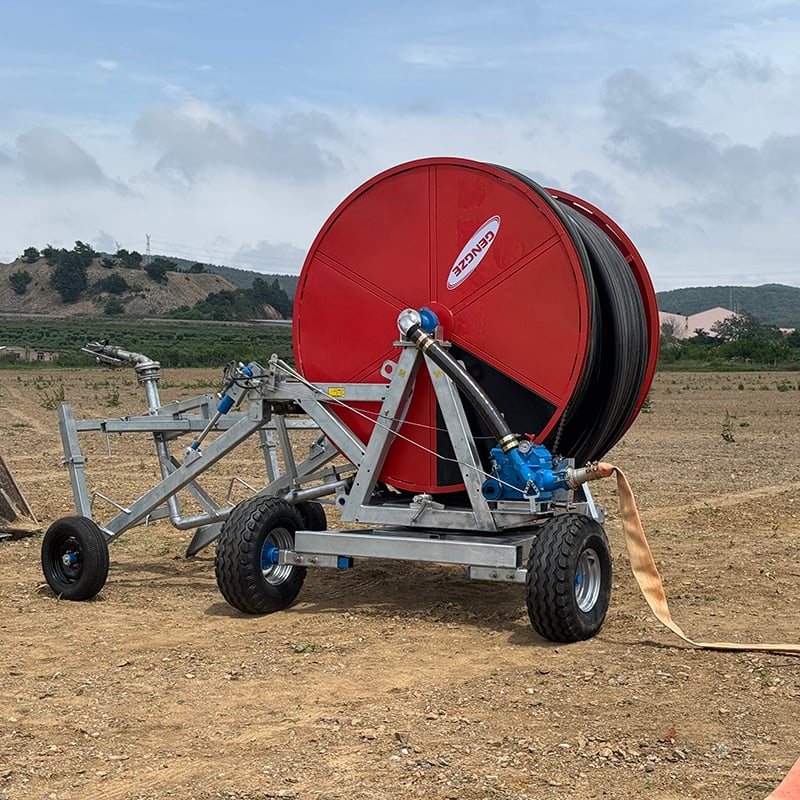
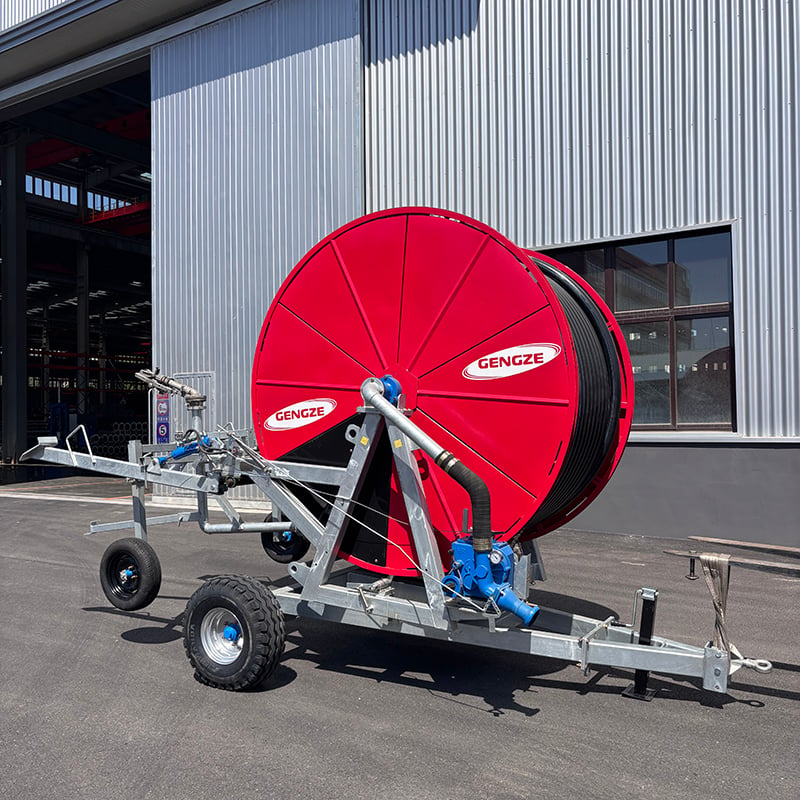
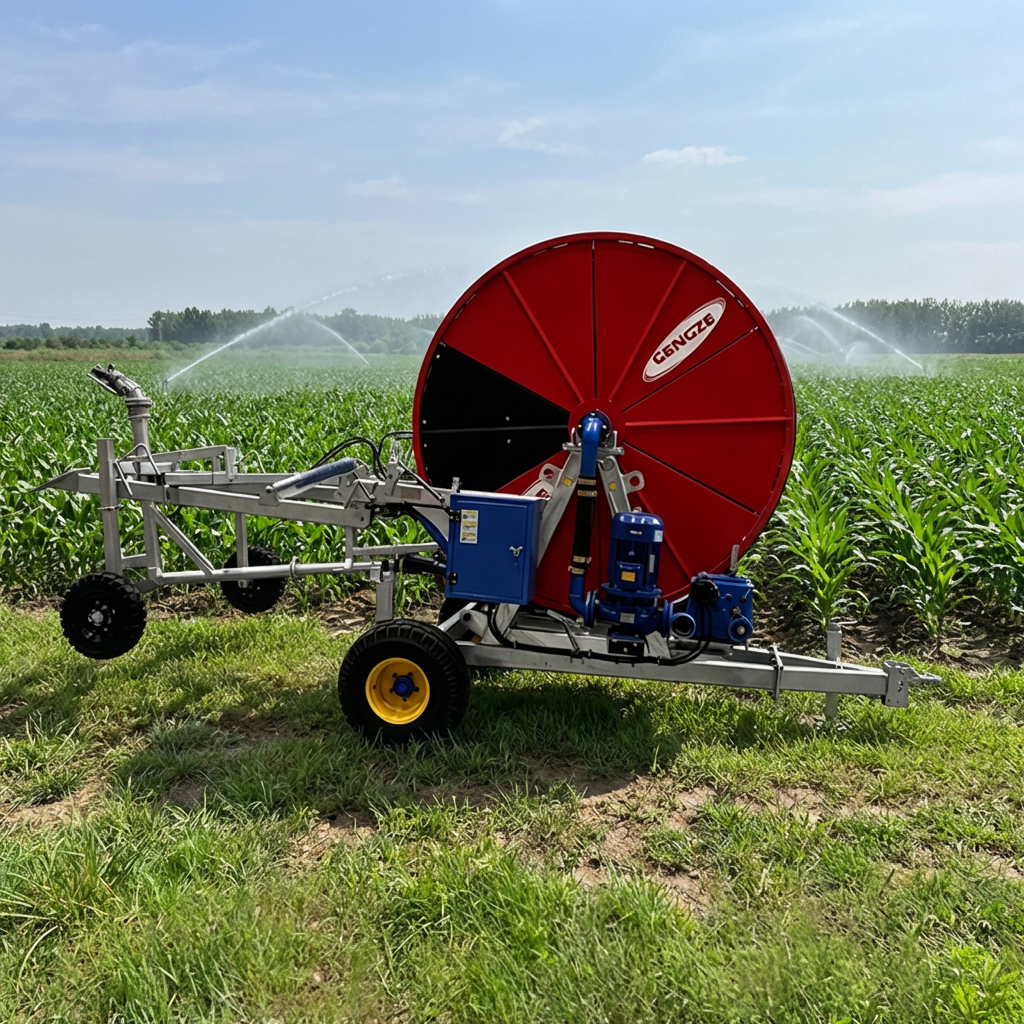
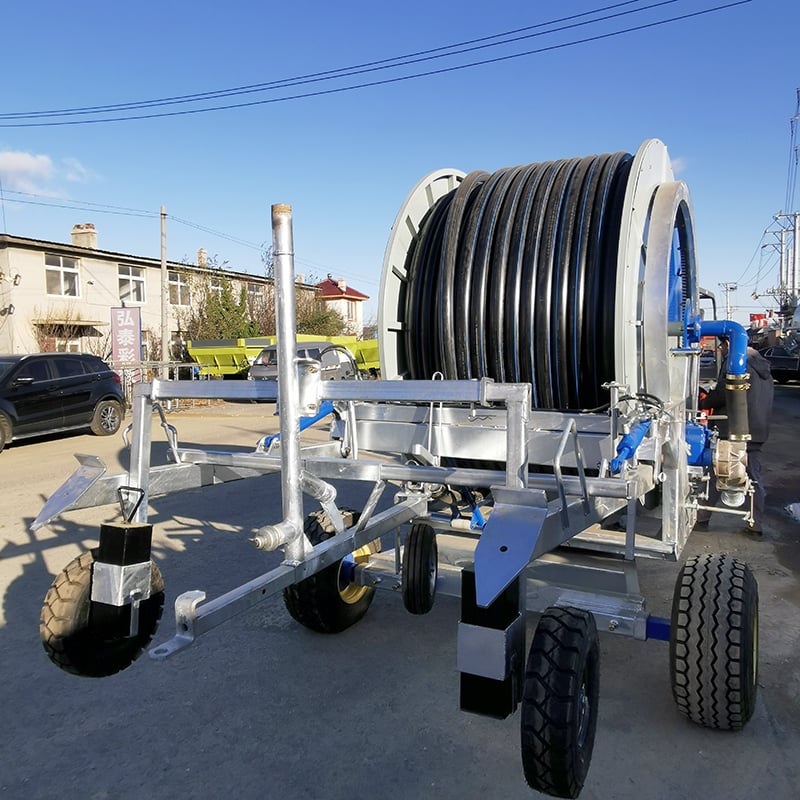
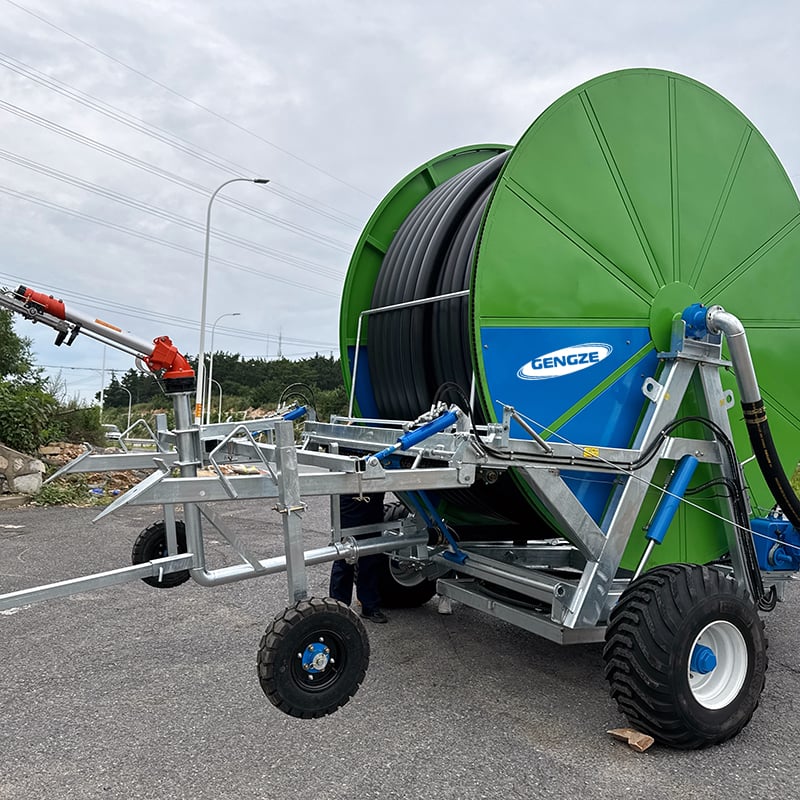
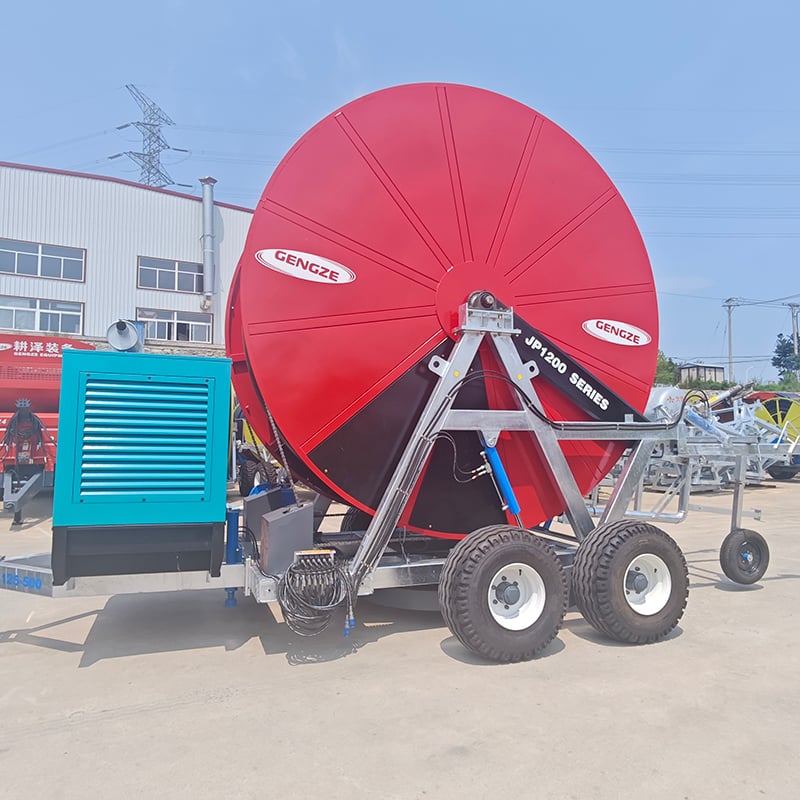
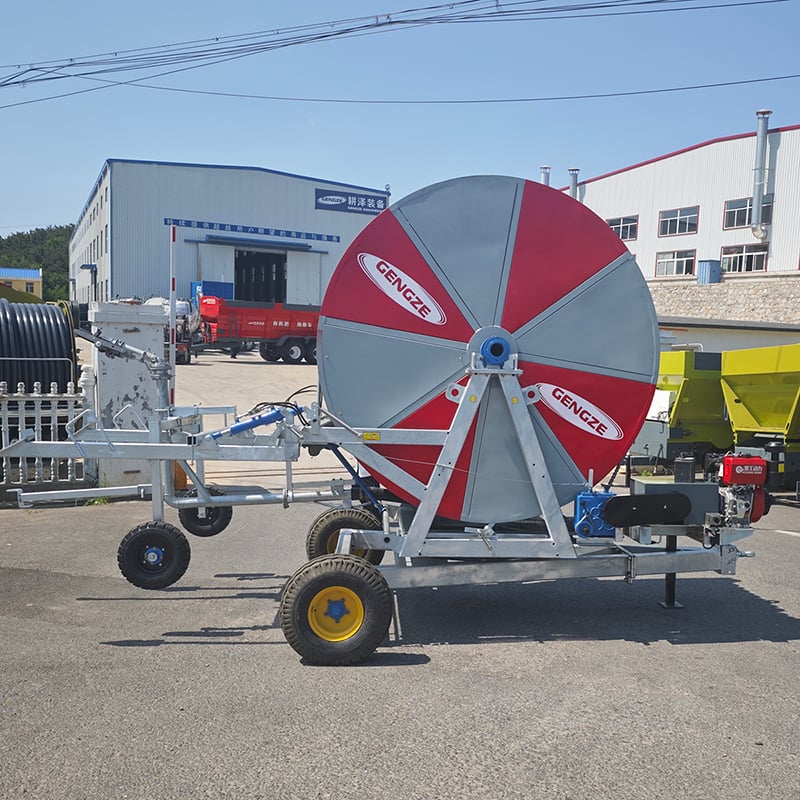
Hose reel sprinkler irrigation systems are essential tools for modern agricultural practices, allowing farmers to efficiently manage water usage across their fields. These systems consist of a hose reel combined with a sprinkler, enabling the automated irrigation of crops while minimizing labor costs. For B2B buyers, such as purchasing managers and agricultural engineers, selecting the appropriate hose reel sprinkler system hinges on multiple factors, including specifications, cost considerations, and application suitability. This article aims to provide insights into how to choose the right system and what key aspects to evaluate before making a purchase.
Selecting the right hose reel sprinkler system involves assessing several critical factors. First and foremost, consider the irrigation area size and the type of crops being cultivated. For extensive fields, a robust system with a long hose length might be necessary, while smaller operations may benefit from compact models.
Next, evaluate the sprinkler's pattern and distribution efficiency. Different crops have varying water requirements, so the chosen system should allow for adjustable spray patterns or nozzle sizes to meet those needs. Additionally, check for compatibility with existing water sources and pressure requirements to ensure optimal functionality.
Lastly, consider the ease of operation and maintenance. Many modern systems come with automated features that can save time and reduce labor costs. It's also wise to review user feedback or case studies that demonstrate the system's effectiveness in real-world applications.
When evaluating hose reel sprinkler units, specific specifications can significantly impact performance. Key specifications to consider include:
Hose Length and Diameter: Longer hoses allow for greater coverage but may require more power to operate. The diameter affects water flow rate; a larger diameter can deliver more water but may increase the weight and complexity of handling.
Sprinkler Type and Nozzle Options: Different nozzles provide varying spray patterns and distances. Adjustable nozzles enhance versatility, while fixed ones may be suitable for specific applications.
Pressure Requirements: Ensure the system can operate at the available water pressure from your sources. Insufficient pressure can lead to inadequate water distribution.
Material and Construction Quality: Durable materials are essential for longevity, especially in harsh agricultural environments. Look for systems constructed from corrosion-resistant materials, as they will withstand outdoor conditions better.
Reel Mechanism: The design of the reel can affect ease of use. Automated rewind features save time, while manual options may offer greater control but require more labor.
For B2B buyers looking to purchase hose reel sprinkler system wholesale, several strategies can optimize the procurement process. Begin by clearly defining your requirements, including the quantity needed, desired specifications, and any customization options. This clarity will streamline communication with suppliers.
When contacting manufacturers, inquire about their MOQ (Minimum Order Quantity) to ensure your order meets their production capabilities. Additionally, asking for pricing tiers based on volume can lead to significant savings.
It is also beneficial to request samples before committing to a large order. Testing samples under actual operating conditions will highlight any potential issues and confirm the product's suitability for your application.
Finally, consider establishing long-term relationships with suppliers who demonstrate reliability and quality. A trusted supplier can provide ongoing support, ensuring that replacement parts and service are readily available.
Pricing for hose reel sprinkler systems can vary widely based on several factors. Key cost considerations include:
System Complexity: More advanced systems with automated features typically come at a higher price point. Determine if the investment aligns with your operational needs.
Material Quality: Higher-quality materials may incur additional upfront costs but can result in long-term savings through enhanced durability and reduced maintenance needs.
Customization Requirements: Custom features or sizes may increase costs. Assess whether these modifications are essential for your operation or if standard options suffice.
Shipping and Installation Costs: Don’t overlook logistics. Shipping costs can vary significantly based on location and order size, while installation may require specialized labor, depending on the complexity of the system.
Warranty and Support Services: Systems with comprehensive warranties and support services may have higher initial costs but can save money over time through reduced downtime and repair expenses.
Hose reel sprinkler irrigation systems have a wide range of applications in agriculture. They are particularly effective for:
Row Crop Irrigation: Ideal for crops such as corn, soybeans, and vegetables, these systems provide precise water application tailored to specific crop needs.
Pasture and Hay Fields: Farmers can efficiently irrigate larger grass areas, improving yield and quality.
Nurseries and Greenhouses: The controlled environment of nurseries can benefit from the adaptability of hose reel systems, allowing for targeted watering schedules.
Dust Suppression: In dry conditions, hose reel systems can also be utilized for dust control on access roads and construction sites, showcasing their versatility beyond traditional irrigation.
Fertigation: Many systems can integrate with fertigation setups, delivering nutrients alongside water to enhance crop growth.
By understanding these applications, buyers can choose systems that best fit their agricultural practices, ensuring efficient water management and optimal crop yield.
In summary, selecting the right hose reel sprinkler irrigation system involves careful consideration of specifications, budgeting, and intended applications. By understanding these elements, buyers can make informed decisions that enhance their agricultural operations.

Dalian Gengze Agricultural Equipment Manufacturing Co.,Ltd
Copyright © Dalian Gengze Agricultural Equipment Manufacturing Co.,Ltd All Rights Reserved | Blog | Privacy Policy
 EN