Requesting a Call:
Online Support
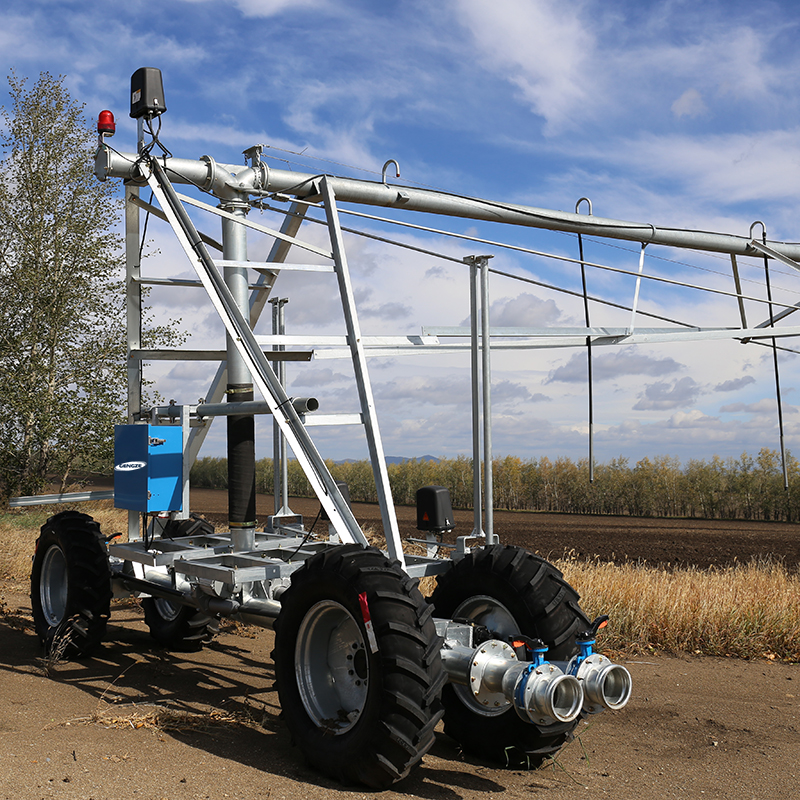
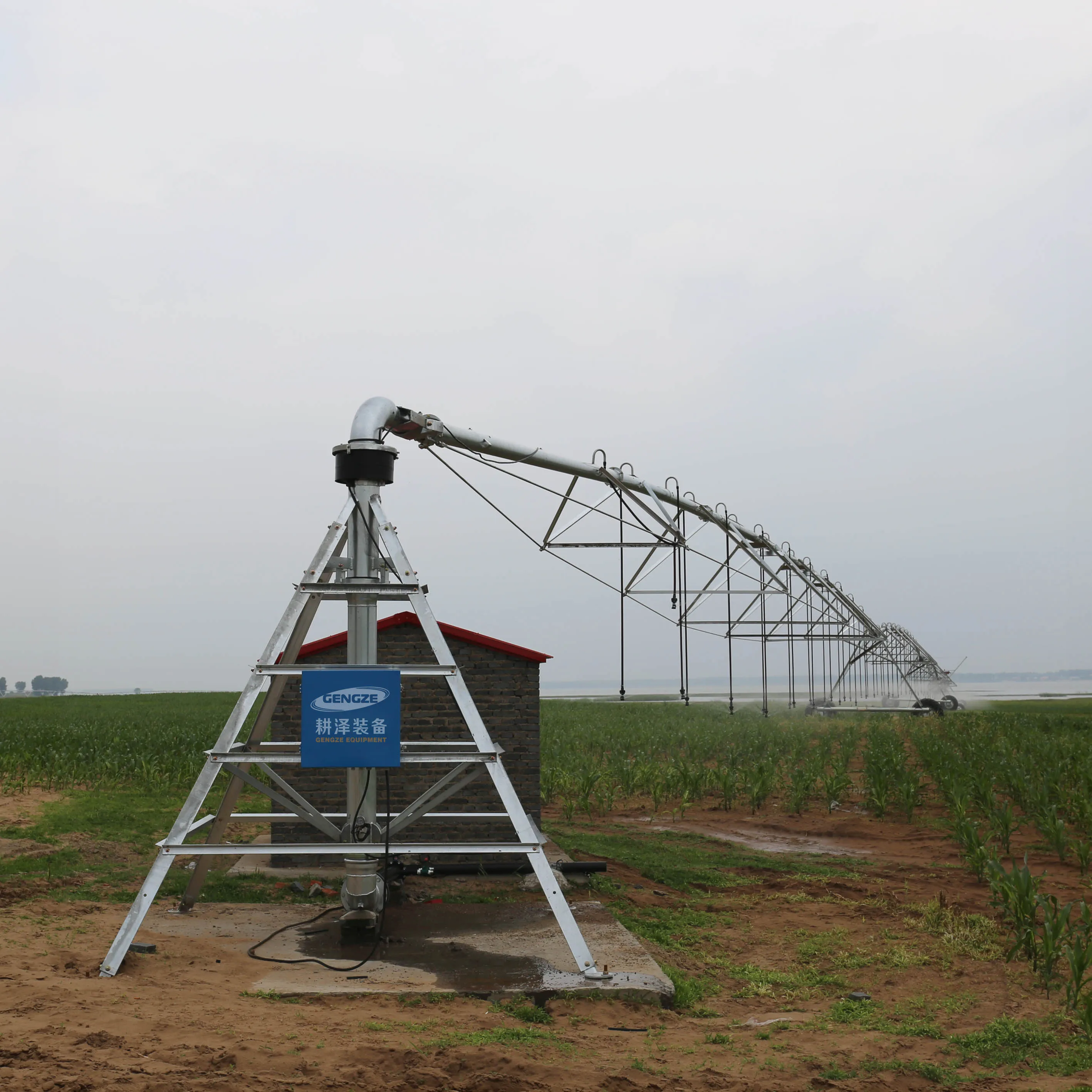
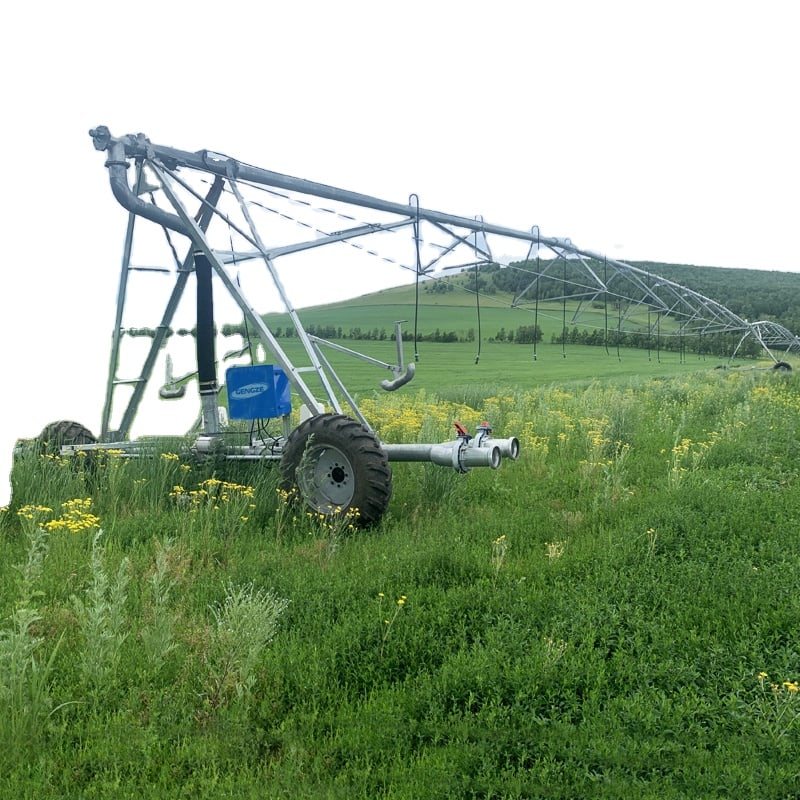
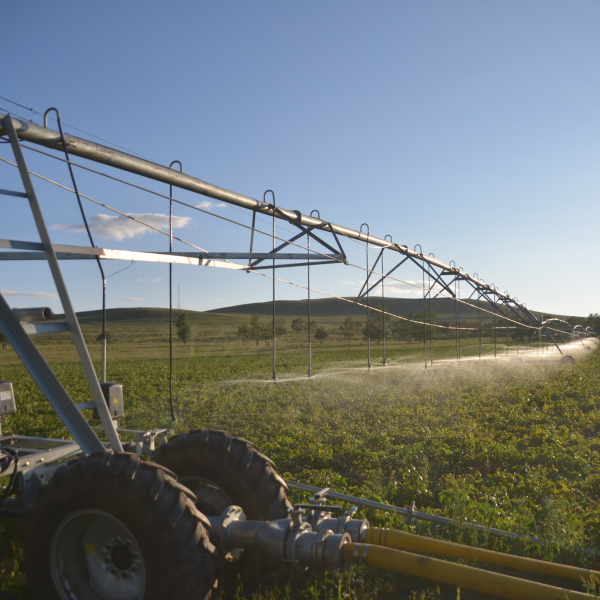
Lateral irrigation systems are essential tools for modern agricultural practices, designed to optimize water usage and enhance crop yields. As an integral component in irrigation management, these systems help farmers efficiently apply water across their fields, addressing common concerns such as water conservation, uniform distribution, and operational efficiency. This article aims to provide a comprehensive overview of lateral irrigation systems, detailing key specifications, installation guidance, sourcing options, applications in farming, and the features and benefits that make them a valuable investment.
When selecting a lateral irrigation system, several specifications are critical to ensure optimal performance and compatibility with your agricultural setup. Key specifications include:
Material Quality: The construction materials of lateral irrigation systems should withstand various environmental conditions. Common materials include high-density polyethylene (HDPE) and PVC, which offer durability and resistance to corrosion and UV exposure.
Pipe Dimensions: The diameter and length of the pipes directly affect water flow rates and distribution. Buyers should evaluate their field size and water pressure requirements to determine the appropriate dimensions.
Flow Rate: Measured in liters per second (L/s) or gallons per minute (GPM), the flow rate should match the crop's irrigation needs. An inadequate flow rate may lead to uneven watering, while excessive flow can cause runoff and erosion.
Pressure Rating: Understanding the system's pressure tolerance is essential, particularly in regions with high water pressure. Systems should be rated to handle the maximum expected pressure to prevent failures.
Emitter Design: The type and spacing of emitters influence water distribution. Options include inline emitters for consistent flow or pressure-compensating emitters that maintain output regardless of pressure variations.
Evaluating these specifications will help ensure compatibility with existing equipment and meet the specific irrigation needs of your crops.
Proper installation of lateral irrigation systems is crucial for maximizing efficiency and effectiveness. Here are some essential steps:
Site Assessment: Begin with a thorough assessment of the field's layout, soil type, and topography. Identifying variations in elevation and drainage will inform the design and placement of the irrigation system.
System Design: Create a detailed design that includes the layout of lateral pipes, emitter spacing, and connection points to the main water supply. Consider using software tools or consulting with an irrigation specialist to optimize the design.
Equipment Preparation: Gather all necessary installation equipment, including pipes, fittings, connectors, and tools. Ensure all components are compatible and meet the specifications outlined in the design.
Installation Process: Begin by laying out the main lines and laterals according to the design. Secure all fittings to prevent leaks, and ensure all connections are watertight. It’s advisable to pressure test the system before burying pipes or covering them with soil.
Post-Installation Testing: After installation, conduct a thorough test of the system to check for leaks, proper flow rates, and even distribution. Adjustments should be made as necessary to optimize performance.
Following these steps will lead to a well-functioning lateral irrigation system, ensuring that crops receive the right amount of water.
Sourcing high-quality lateral irrigation equipment requires careful consideration of suppliers. Here are some tips for finding reliable manufacturers:
Research Manufacturers: Look for manufacturers with experience in agricultural equipment, particularly those specializing in irrigation systems. Companies like Dalian Gengze Agricultural Equipment Manufacturing Co., Ltd bring over 20 years of industry experience, providing assurance of quality and reliability.
Evaluate Certifications: Check if the manufacturer holds relevant certifications that demonstrate adherence to quality standards. This may include ISO certifications or compliance with agricultural industry regulations.
Assess Product Range: A supplier with a diverse product range can offer customized solutions tailored to specific agricultural needs. Look for manufacturers that provide various types of lateral systems and components.
Request Samples: Before making bulk purchases, request samples of the equipment. This allows you to evaluate material quality, construction, and performance under real-world conditions.
Compare Pricing and MOQs: Understand pricing structures and minimum order quantities (MOQs) from different suppliers. This information will help you make informed purchasing decisions that fit your budget.
By thoroughly vetting suppliers, buyers can ensure they are sourcing reliable lateral irrigation systems that meet their operational needs.
Lateral irrigation systems are versatile and can be adapted for various agricultural applications. Some common uses include:
Row Crop Irrigation: These systems are ideal for row crops such as corn, soybeans, and vegetables, providing precise water application that supports optimal growth and yield.
Orchard and Vineyard Management: Lateral irrigation is effective in orchards and vineyards, where uniform water distribution is essential for fruit quality and tree health. The ability to customize emitter spacing allows for targeted watering based on crop requirements.
Greenhouse and Nursery Operations: In controlled environments like greenhouses, lateral systems can efficiently manage water delivery to various plant types, supporting healthy growth while conserving water resources.
Drought-Prone Areas: For farmers in regions facing water scarcity, ZIMMATIC lateral irrigation can optimize water use through targeted application, reducing waste and enhancing crop resilience.
The adaptability of lateral irrigation systems makes them essential tools in modern farming, addressing diverse agricultural challenges.
Investing in lateral irrigation systems offers several advantages that enhance agricultural productivity:
Water Efficiency: By delivering water directly to the root zone, these systems minimize evaporation and runoff, leading to significant water savings.
Uniform Distribution: Properly designed lateral systems provide even water distribution, reducing the risk of over or under-watering, which can adversely affect crop growth.
Labor Savings: Automated lateral irrigation systems can reduce labor costs associated with manual watering, allowing farmers to allocate resources more efficiently.
Customization: These systems can be tailored to meet specific crop needs, making them suitable for various agricultural applications and environments.
Reduced Soil Erosion: By controlling water application, lateral move irrigation help maintain soil structure and reduce erosion, promoting long-term soil health.
Through these features, lateral irrigation systems provide a practical solution for modern agricultural challenges, ultimately supporting sustainable farming practices.

Dalian Gengze Agricultural Equipment Manufacturing Co.,Ltd
Copyright © Dalian Gengze Agricultural Equipment Manufacturing Co.,Ltd All Rights Reserved | Blog | Privacy Policy
 EN