Requesting a Call:
Online Support
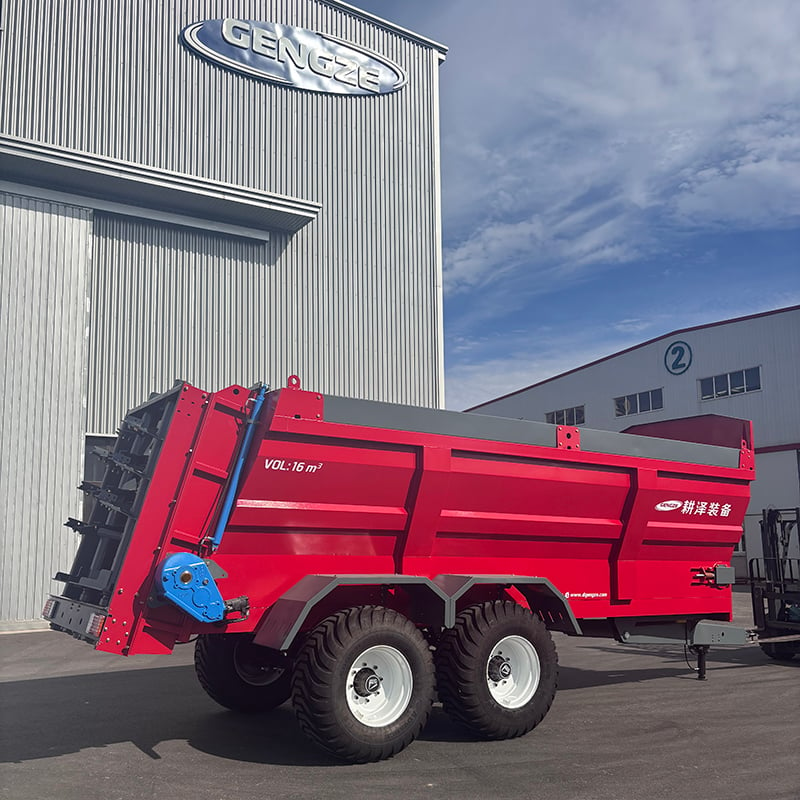
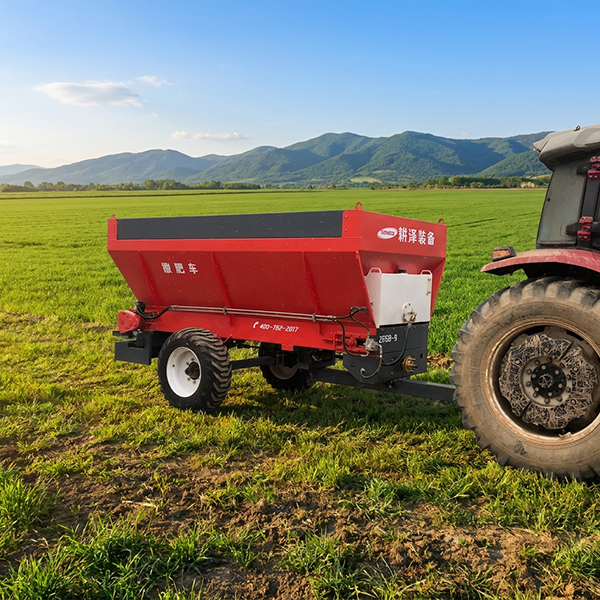
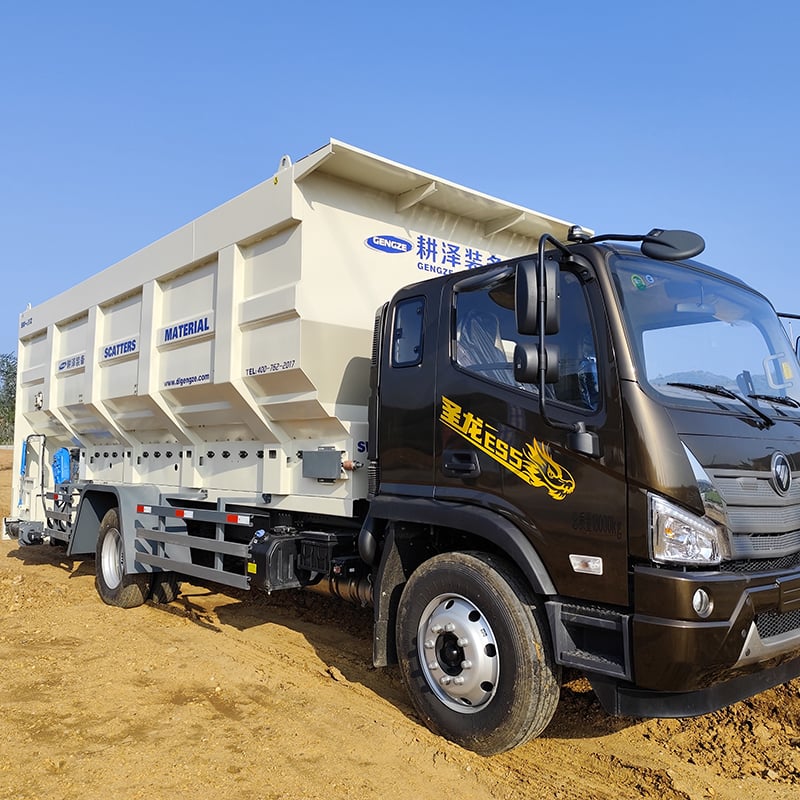
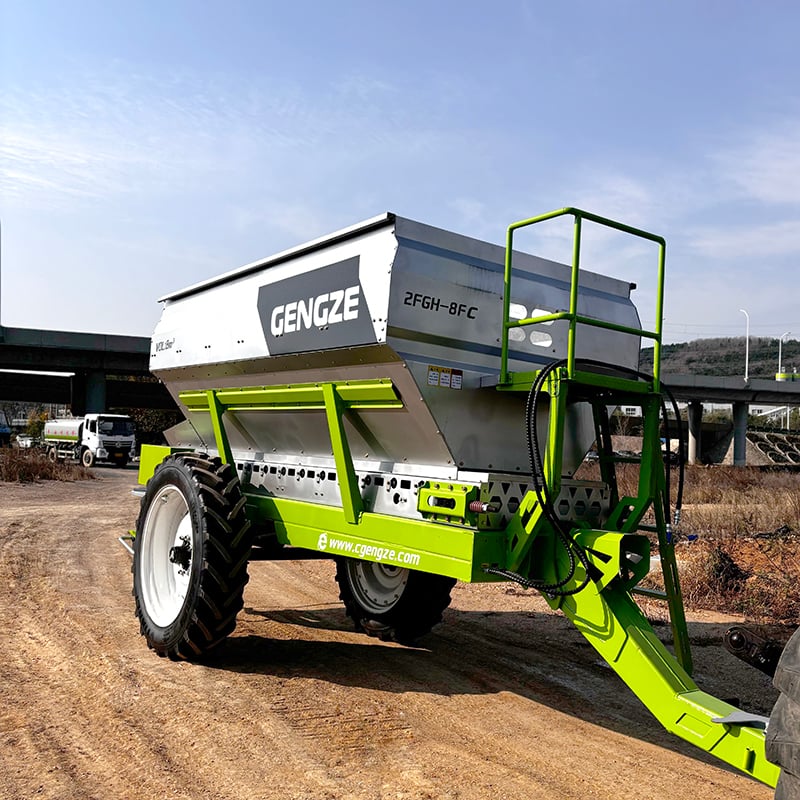
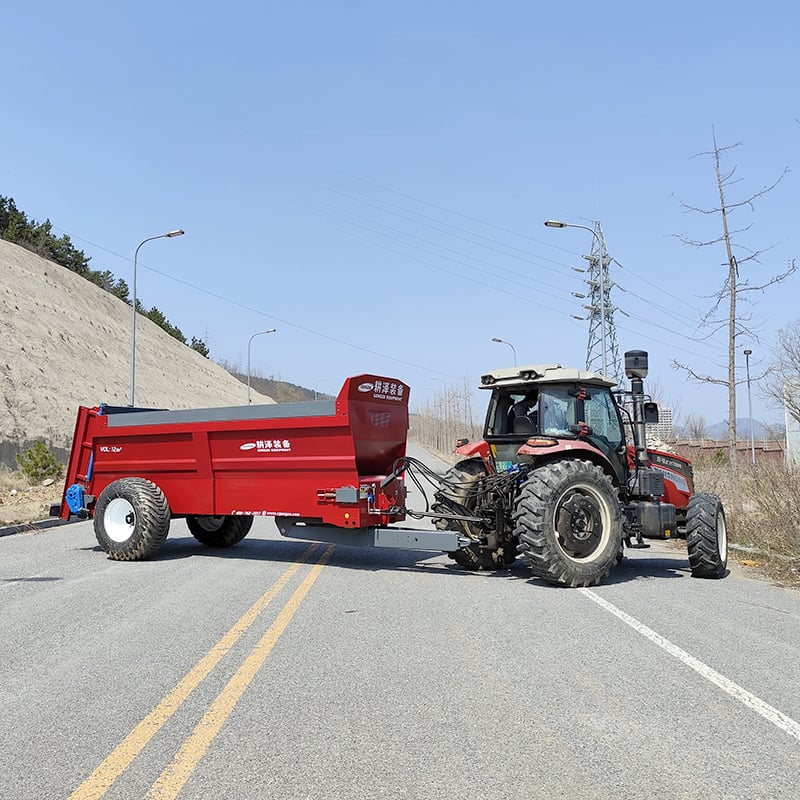
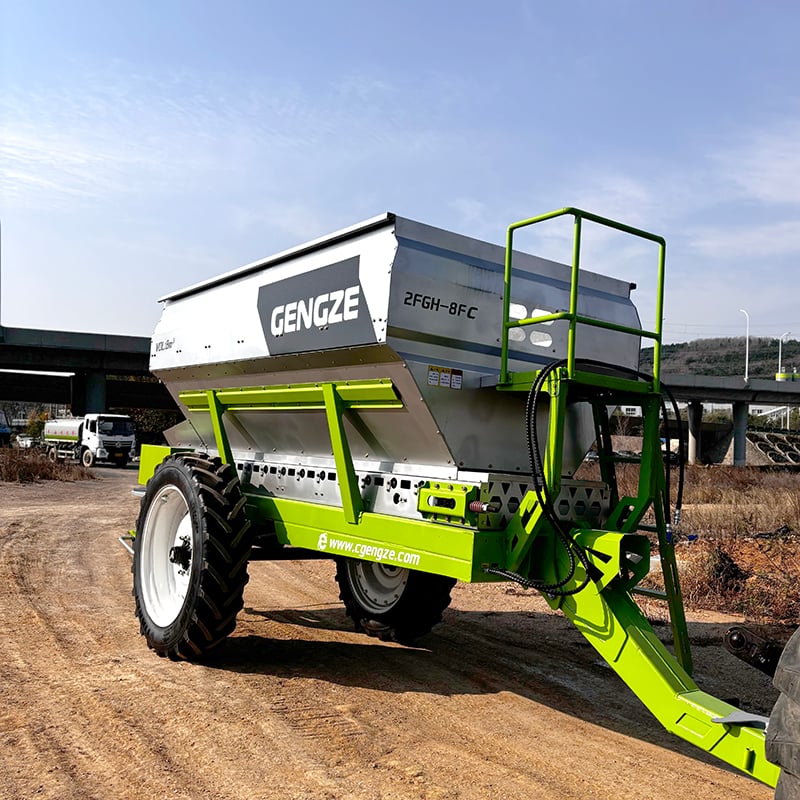
Liquid fertilizer spreaders are essential equipment in modern agriculture, designed to efficiently apply liquid fertilizers to crops. For B2B buyers—such as purchasing managers, distributors, and product managers—understanding the critical features, cost considerations, and potential problems associated with these fertilizer spreader is crucial for making informed purchasing decisions. This article will guide you through key specifications, quality comparisons, cost factors, common issues, and the various applications of liquid fertilizer spreaders.
When assessing liquid fertilizer spreaders, several specifications are vital to ensure you select the right model for your agricultural needs. Here are the key features to consider:
Tank Capacity: The capacity of the tank directly influences the volume of fertilizer that can be applied in one go. Larger tanks may reduce the frequency of refilling but can also impact maneuverability and weight distribution.
Application Rate: This specification indicates how much fertilizer can be applied per acre and varies based on crop requirements. Buyers should verify that the spreader can deliver the desired application rates for their specific crops.
Pump Type: Liquid fertilizer spreaders typically use diaphragm, centrifugal, or piston pumps. Each type has its advantages in terms of flow rate and pressure consistency, which can affect application efficiency.
Control Systems: Advanced models may feature GPS-guided systems or variable rate technology, allowing for precise application based on soil and crop needs. This not only optimizes fertilizer use but can also enhance crop yield.
Material and Durability: The construction material should withstand harsh agricultural environments. Common materials include stainless steel for corrosion resistance and high-density polyethylene for lightweight applications.
Compatibility with Tractors: Ensure the spreader is compatible with your existing tractor models, including hitch types and hydraulic requirements for efficient operation.
When comparing liquid fertilizer spreaders, focus on quality features that can enhance performance and longevity:
Build Quality: Look for robust construction that can endure heavy use. Spreaders from reputable manufacturers, like Dalian Gengze Agricultural Equipment, often demonstrate superior craftsmanship, reducing maintenance needs.
Ease of Maintenance: Features such as accessible pump systems, easy-to-clean tanks, and durable seals enhance longevity and reduce downtime. Buyers should inquire about serviceability and availability of replacement parts.
Precision Technology: Models equipped with variable rate controllers and GPS technology allow for more efficient fertilizer application, reducing waste and promoting environmentally sustainable practices.
User-Friendly Design: Controls should be intuitive, allowing operators to adjust settings quickly during application. Ergonomic designs can enhance usability and reduce operator fatigue.
The cost of Gengze liquid fertilizer spreaders can vary widely based on several factors:
Initial Purchase Price: This is the base cost of the equipment and can depend on brand reputation, features, and build quality. Higher-priced models often come with advanced technology and better reliability.
Operational Costs: Consider fuel consumption, maintenance, and repair costs over the spreader's lifespan. Efficient models may have higher upfront costs but result in lower operational expenses.
Customization Options: Customization can add to the initial cost but may be necessary to meet specific operational needs. Discussing options with manufacturers can provide clarity on how these affect pricing.
Financing and Leasing: Some manufacturers offer financing options or leasing arrangements, which can make high-quality equipment more accessible. Evaluate these options based on your budget constraints.
Warranty and Support: A comprehensive warranty can provide peace of mind and should be factored into the total cost of ownership. Consider the level of customer support and service provided by the manufacturer.
While liquid fertilizer spreaders are generally reliable, they can encounter issues that buyers should be aware of:
Clogged Nozzles: This is a common problem that can disrupt application. Regular cleaning and maintenance of the nozzle system can prevent clogs. Buyers should ensure that the spreader design allows for easy access to nozzles for maintenance.
Pump Failures: A malfunctioning pump can lead to inconsistent application rates. Before purchasing, inquire about the pump model and its reliability track record. Proper maintenance and regular inspections can mitigate these risks.
Calibration Issues: Incorrect calibration can lead to over- or under-application of fertilizers. Buyers should ensure they understand how to correctly calibrate their equipment and should seek training if necessary.
Wear and Tear: Components can wear out over time, affecting performance. Regular inspections and timely replacement of worn parts can prolong the lifespan of the compost spreaders.
Liquid fertilizer spreaders play a vital role in various agricultural applications:
Row Crops: These Gengze spreaders are ideal for crops such as corn and soybeans, where precise fertilizer application is critical for maximizing yield.
Pasture Management: Farmers utilize these spreaders to apply liquid fertilizers on pastures, promoting healthy growth and maintaining soil fertility.
Vegetable Production: In vegetable farming, timely application of liquid fertilizers can be crucial for crop health. Spreaders can be adjusted to apply varying rates depending on the crop stage.
Orchards and Vineyards: These environments benefit from precise fertilizer application to support fruit development and overall health.
In summary, farm fertilizer spreader is essential tools for modern agriculture, offering a range of features and applications. By understanding the key specifications, quality features, cost factors, common issues, and applications of these spreaders, buyers can make informed decisions that best suit their agricultural needs.

Dalian Gengze Agricultural Equipment Manufacturing Co.,Ltd
Copyright © Dalian Gengze Agricultural Equipment Manufacturing Co.,Ltd All Rights Reserved | Blog | Privacy Policy
 EN