Requesting a Call:
Online Support
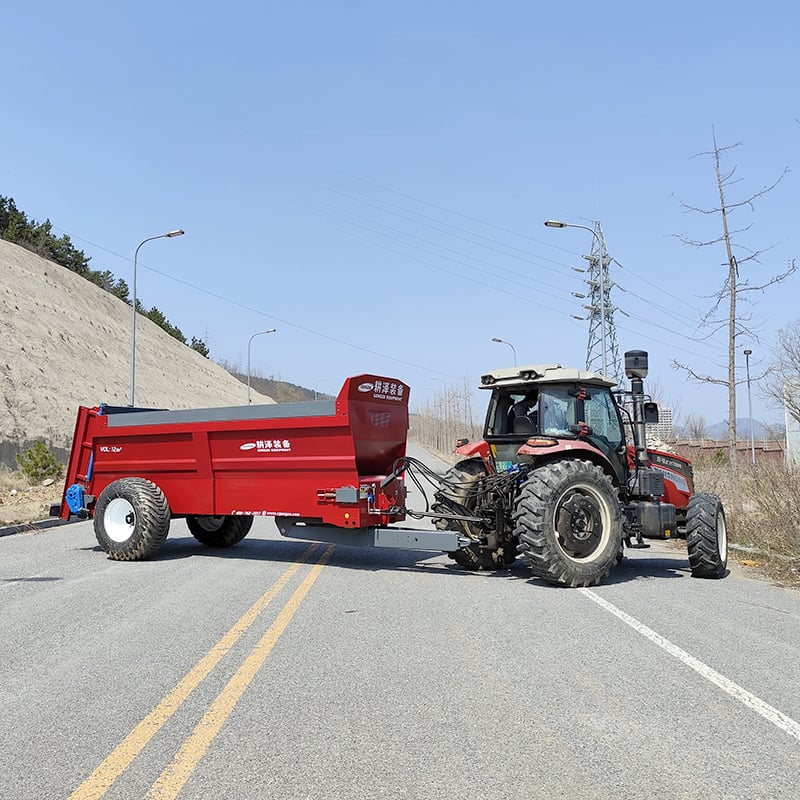
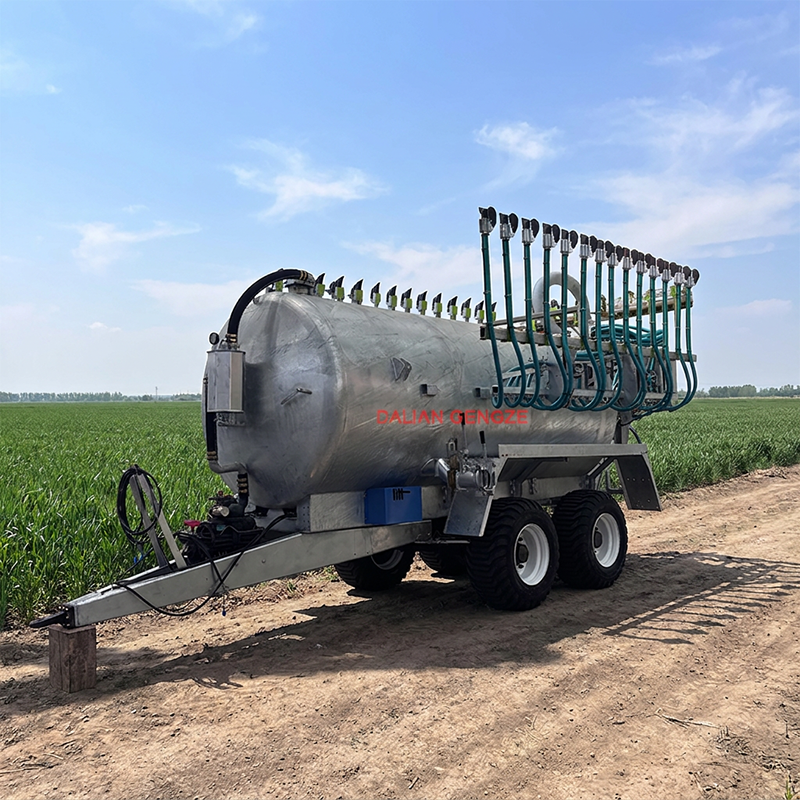
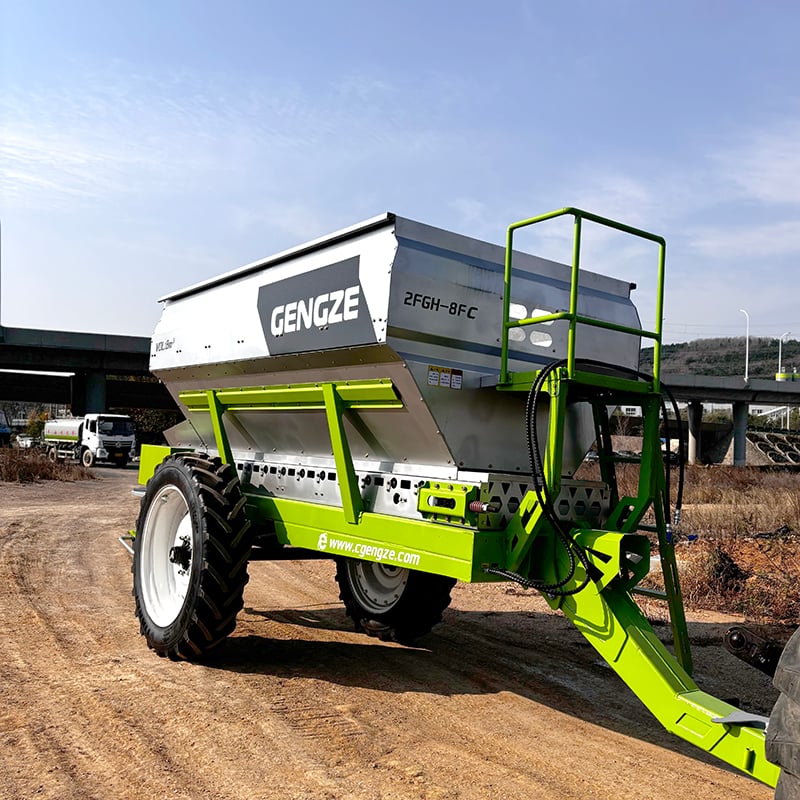
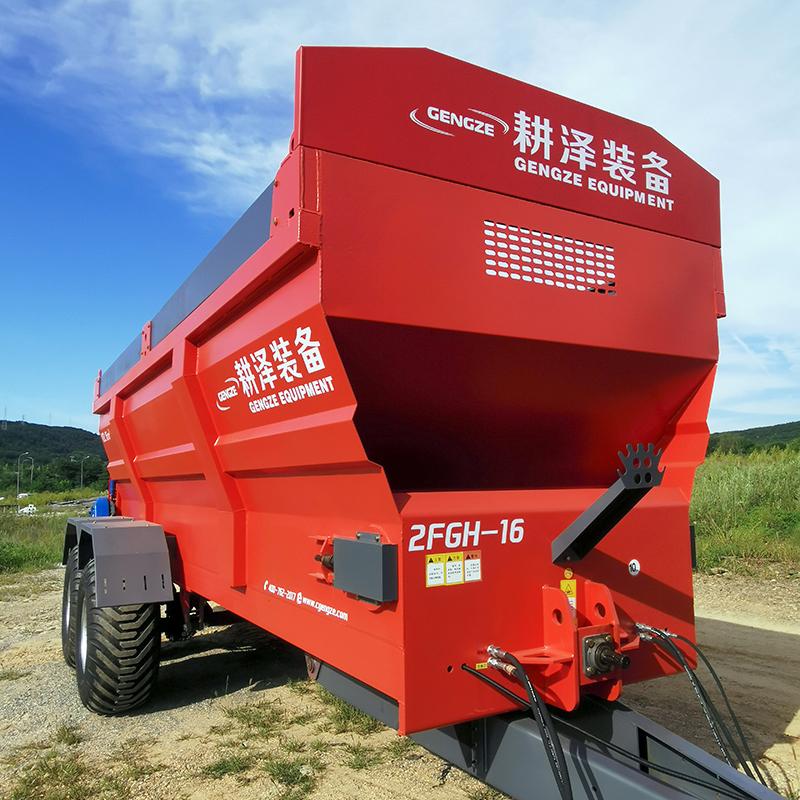
Manure fertilizer spreaders are essential tools for modern agriculture, enabling efficient and uniform application of organic fertilizers. As a purchasing manager or distributor, understanding the specifications, applications, and essential features of these machines is crucial for making informed decisions. This article will guide you through the important considerations when selecting a manure fertilizer spreader, helping you to optimize your purchasing process and ensure you acquire the right equipment for your agricultural needs.
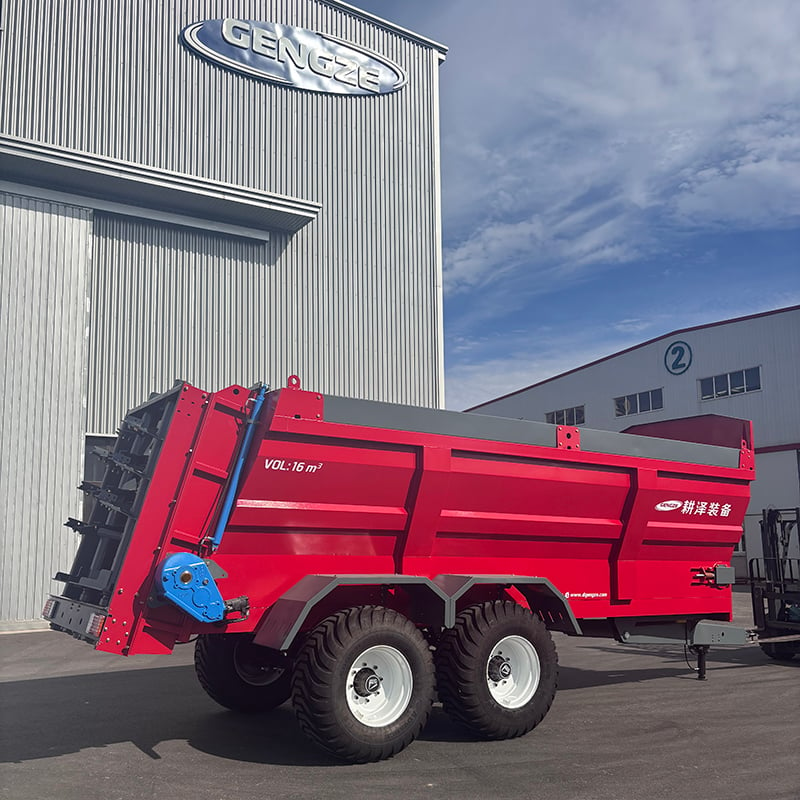
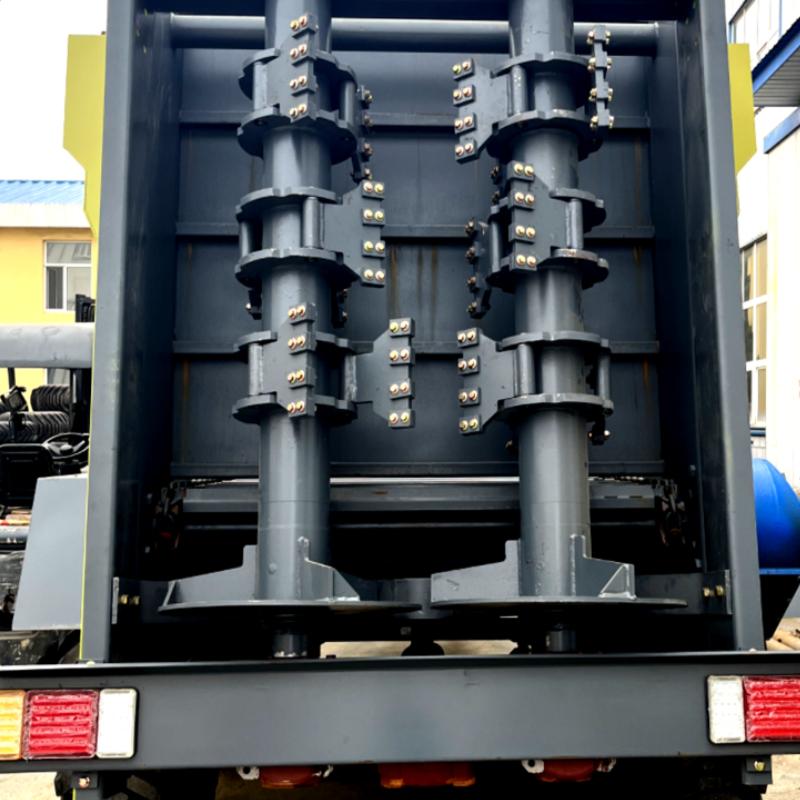
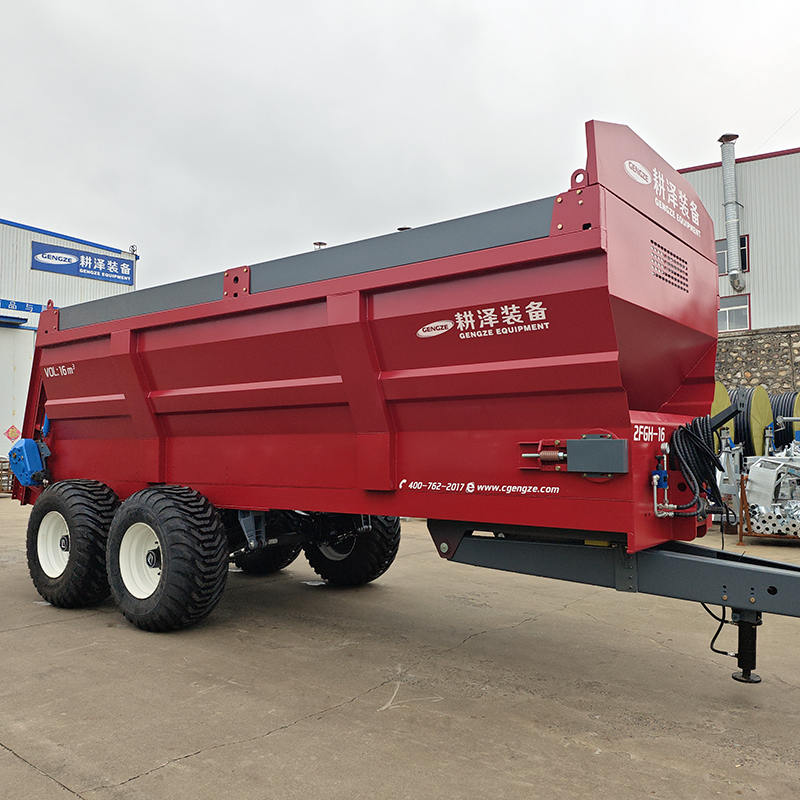
When evaluating manure fertilizer spreaders, key specifications to consider include the machine's capacity, spreading width, and the type of materials used in construction. Capacity is critical as it dictates how much material the spreader manure can hold, which directly affects how often it needs to be refilled during operation. Common capacities range from 1,500 to 12,000 liters, depending on the model and intended use. Spreading width is another important specification. Most manure spreaders can cover widths from 10 to 30 feet. A wider spread can increase efficiency, allowing for greater coverage in less time, but may require more precise operation to avoid overspreading or under spreading. Material selection is essential for durability and performance. High-strength steel is often used for frames and components to withstand the corrosive nature of manure. Additionally, the use of specialized coatings can enhance resistance to wear and tear, thus prolonging the equipment's lifespan. Buyers should ensure that the spreader meets their operational demands and environmental conditions to avoid costly replacements or repairs.
Purchasing manure fertilizer spreaders in bulk can significantly reduce costs. Manufacturers like Dalian Gengze Agricultural Equipment Manufacturing Co., Ltd. offer wholesale pricing options that vary based on order quantity, customization, and shipping logistics. Typically, the minimum order quantity (MOQ) may range from 5 to 10 units, depending on the model. Pricing factors also include the specifications of the manure spreader, such as size, material, and any additional features like GPS guidance systems or automated controls. Buyers should clearly communicate their requirements to manufacturers to receive accurate quotes. It's advisable to compare prices from multiple suppliers while considering the total cost of ownership, which includes maintenance and operational costs over the spreader’s lifespan.
When selecting a manure fertilizer spreader, several essential features can enhance operational efficiency and ease of use. These features include:
Adjustable Spreading Mechanisms: Many modern spreaders come with adjustable mechanisms that allow users to fine-tune the spreading rate based on the type of manure being applied. This adaptability is crucial for achieving optimal fertilizer distribution.
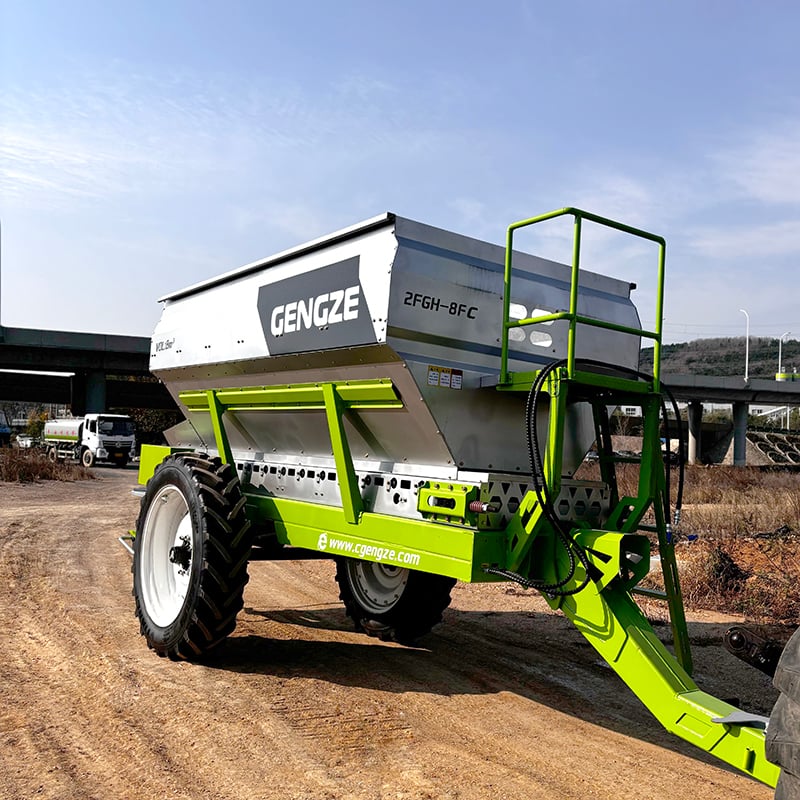
Hydraulic Systems: Hydraulic-driven spreaders provide better control over the spreader's operation, allowing for smoother adjustments and easier handling, especially in varied terrain.
Durability Features: Look for spreaders with reinforced frames and wear-resistant components. Features such as heavy-duty tires and robust suspension systems can also improve performance, especially in rugged agricultural environments.
Ease of Maintenance: A well-designed manure spreader for sale should allow for easy access to components for maintenance and repairs. Features like removable hoppers or easily accessible grease points can save significant time and effort in upkeep.
Safety Features: Safety is paramount in agricultural operations. Look for spreaders that include safety shields, emergency stop controls, and proper lighting for operation in low visibility conditions.
Manure fertilizer spreaders are versatile tools used in various agricultural settings. They facilitate the application of organic matter to enhance soil fertility and improve crop yields. Key applications include:
Crop Fertilization: Spreaders are primarily used to distribute manure across fields, helping to replenish soil nutrients and maintain soil health.
Soil Conditioning: In addition to fertilization, manure can improve soil structure, increase moisture retention, and promote beneficial microbial activity, making spreaders vital for sustainable farming practices.
Land Reclamation: In some cases, spreaders are used to distribute organic matter on degraded lands, aiding in the restoration of soil fertility and ecosystem balance.
Environmental Management: Proper application of manure using a spreader can help manage nutrient runoff, reducing the environmental impact of farming activities. This is essential in meeting regulatory requirements related to agricultural practices.
Installing a manure fertilizer spreader involves several key steps to ensure optimal performance. Here are some guidelines to help buyers with the installation process:
Read the Manufacturer’s Manual: Before installation, familiarize yourself with the specific guidelines provided by the manufacturer. This includes understanding the assembly process and any pre-operation checks.
Choose the Right Location: Install the spreader in a location that allows for easy access to fields and storage areas. Ensure that the ground is level to facilitate proper alignment during use.
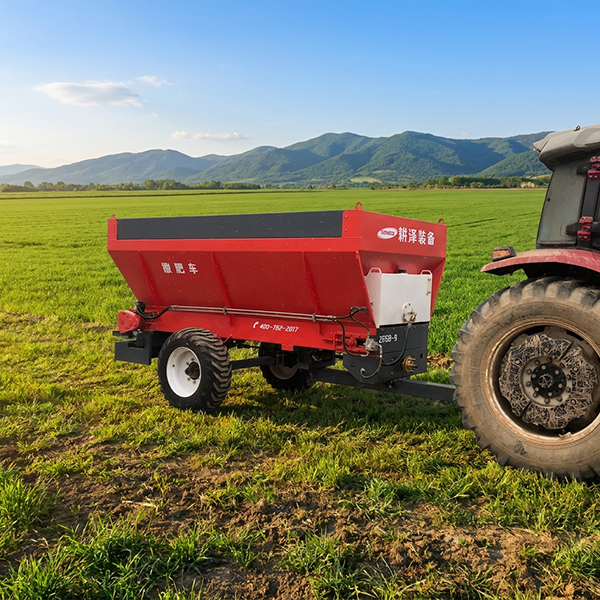
Attach to the Tractor: When connecting the spreader to a tractor, ensure that the hitch is compatible and securely fastened. Check that hydraulic lines, if applicable, are properly connected and functioning.
Calibration: Calibrate the spreader according to the type of manure being used and the desired application rate. This step is crucial for achieving optimal spreading efficiency and preventing waste.
Safety Checks: Before operating the spreader, conduct safety checks to ensure all components are secure, and safety features are functional. Familiarize the operator with emergency procedures in case of equipment failure.
By following these steps, buyers can maximize the effectiveness of their manure fertilizer spreaders and ensure safe, efficient operation in the field. Understanding these facets of manure fertilizer spreaders will empower purchasing managers and distributors to make informed decisions, ultimately leading to better agricultural outcomes.

Dalian Gengze Agricultural Equipment Manufacturing Co.,Ltd
Copyright © Dalian Gengze Agricultural Equipment Manufacturing Co.,Ltd All Rights Reserved | Blog | Privacy Policy
 EN