Requesting a Call:
Online Support
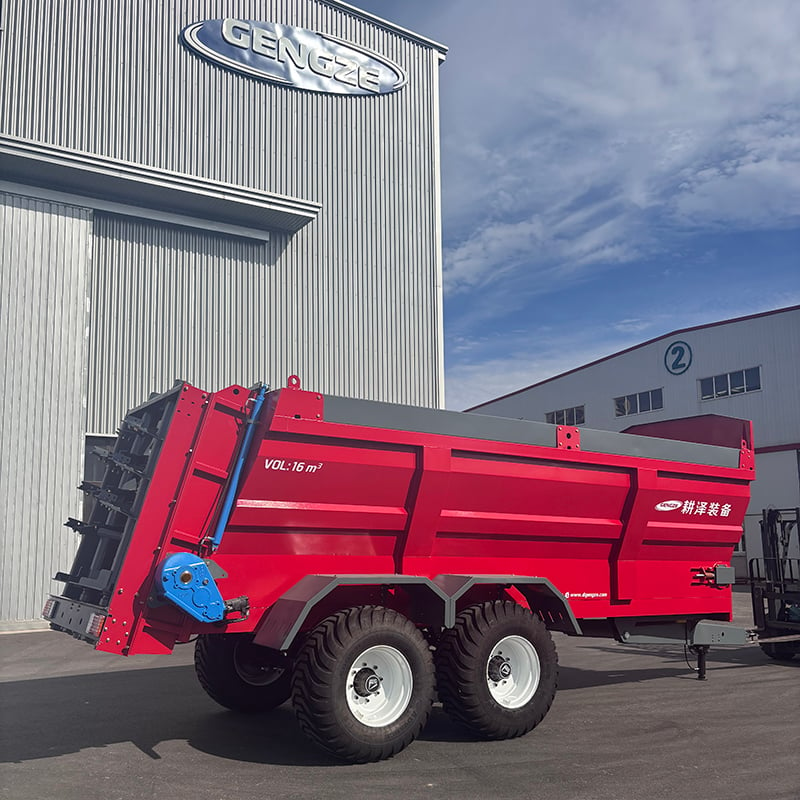
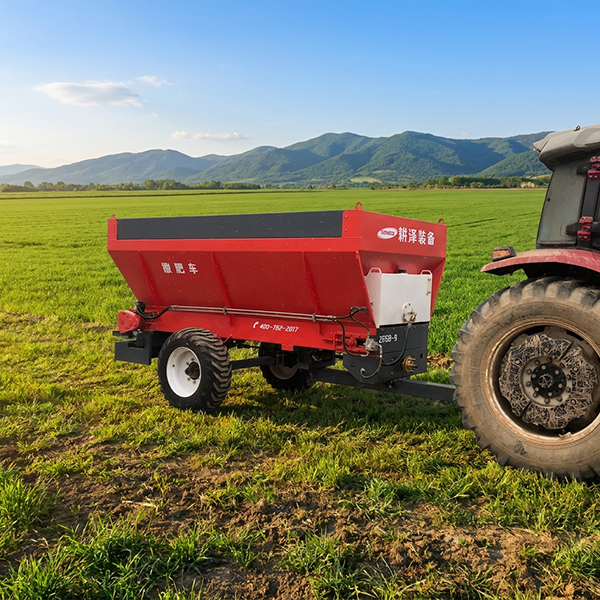
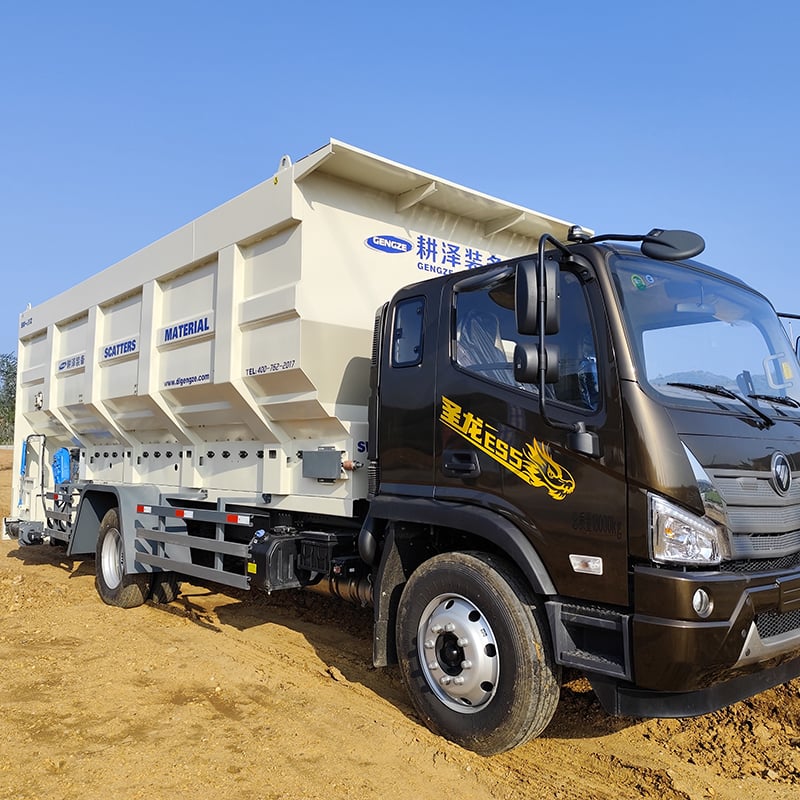
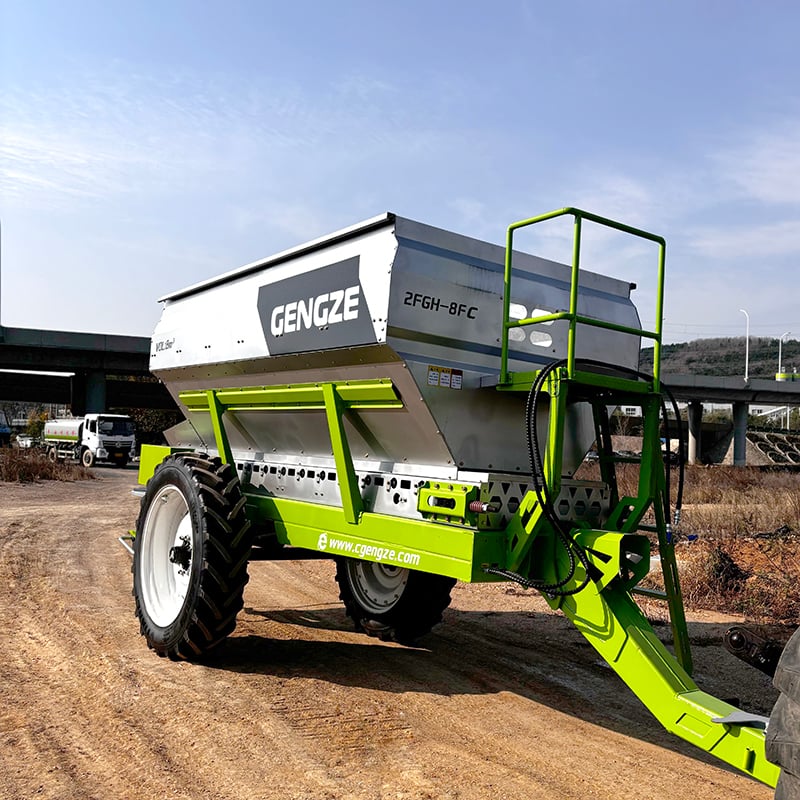
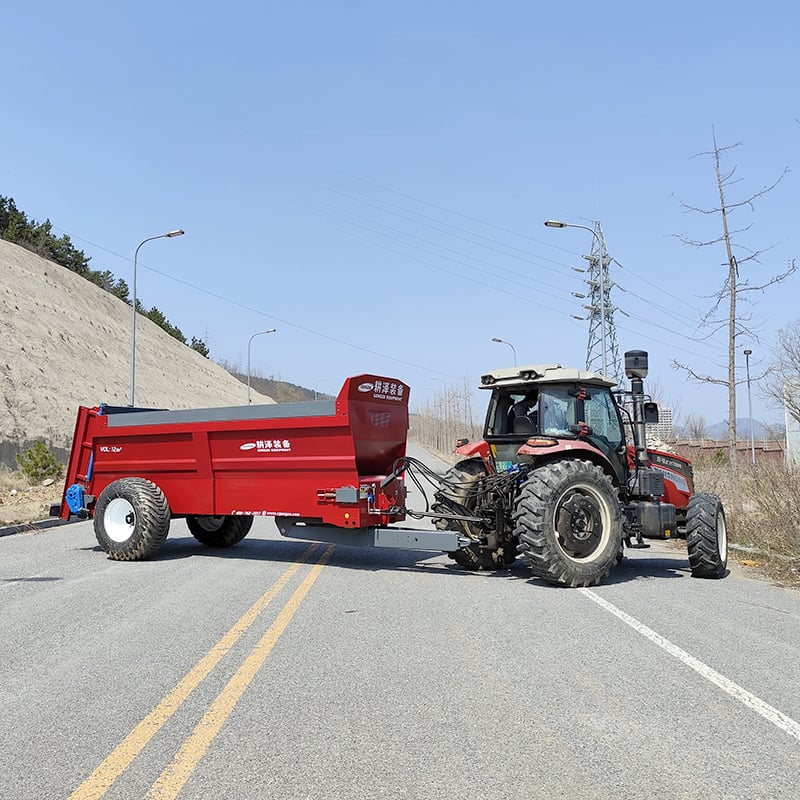
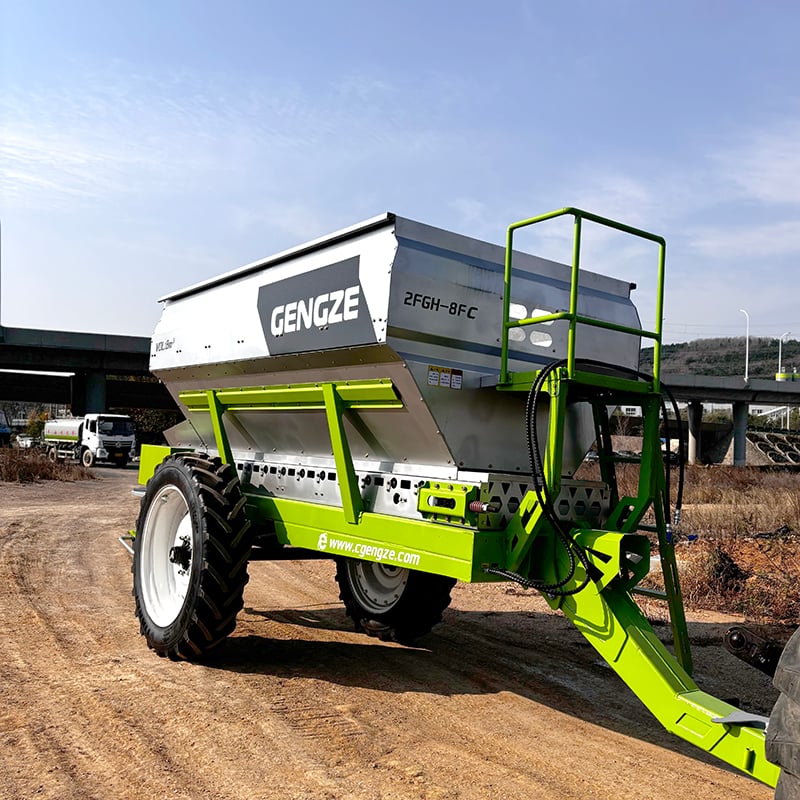
Muck spreaders are essential agricultural equipment designed to efficiently distribute manure and other organic materials across fields, enhancing soil fertility. As a purchasing manager or distributor, understanding the specifications, performance, and sourcing options for muck spreaders is crucial to ensure you select the right equipment for your operations. This article will guide you through key considerations for buying muck spreaders, evaluating their specifications, sourcing reliable options, understanding cost factors, and ensuring optimal performance.
When selecting a muck spreader, buyers should focus on several key factors. First, the type of muck spreader whether slurry spreaders, manure spreader trailers, or others should align with the specific agricultural application. Each type has different operational capacities, spreading techniques, and compatibility with various soil types. Next, consider the capacity of the fertilizer spreader, which is usually measured in cubic meters. A larger capacity generally means fewer trips to the field, increasing efficiency. Buyers should also assess the construction materials used in the muck spreader; robust materials help ensure durability, especially when the equipment is exposed to harsh agricultural environments. Additionally, look for features such as adjustable spreading widths, which allow for flexibility in application rates, and the ease of operation, which can significantly reduce labor costs. Finally, ensure that any muck spreader you consider meets local regulations regarding manure application.
Evaluating muck spreader specifications requires a clear understanding of how each specification impacts performance. Key specifications to consider include:
Material: The construction materials should be resistant to corrosion and wear. For instance, stainless steel or high-quality galvanized steel is preferable for long-term resistance against manure and slurry.
Dimensions: The dimensions of the spreader affect compatibility with your existing equipment and transport options. Ensure the muck spreader fits within your operational constraints, including storage and transport logistics.
Spreading Mechanism: Different muck spreaders utilize various mechanisms such as chain-driven or hydraulic systems that can affect the consistency and accuracy of the spread. Evaluating these mechanisms in relation to your application needs is critical.
Power Requirements: Check the power requirements for the spreader fertiliser to ensure compatibility with your tractors or other equipment. The required horsepower can vary significantly based on the model and intended use.
Weight: A heavier muck spreader may be more stable but could require a more powerful tractor. Assess the balance between weight and application efficiency for your specific circumstances.
Buyers should request detailed specifications from manufacturers to ensure that the chosen muck spreader aligns with their operational needs.
Sourcing muck spreaders involves identifying manufacturers or suppliers who can provide high-quality equipment that meets your specifications. Start by researching manufacturers with a strong reputation in the agricultural equipment sector, such as Dalian Gengze Agricultural Equipment Manufacturing Co., Ltd, known for its expertise in producing high-efficiency compost spreaders. When evaluating suppliers, consider their experience in the market, production capabilities, and quality control processes. Reliable manufacturers often have certifications that assure adherence to industry standards, providing confidence in the quality of their products. Additionally, inquire about their production capacity and lead times to ensure they can meet your demand. Finally, request references or case studies from previous customers to gauge satisfaction and performance. A reputable supplier should be able to provide insights into their product's real-world applications and effectiveness.
Several cost factors come into play when purchasing muck spreaders, especially in bulk. First, the unit price can vary based on the specifications and features of the spreader. Customization requests may also influence costs, so it is essential to communicate your specific requirements clearly.
Additionally, volume discounts can significantly reduce the overall expenditure. When ordering in bulk, ask manufacturers about pricing tiers based on order quantity. This can lead to substantial savings and should be factored into your budget planning. Transportation and shipping costs should also be considered, especially if sourcing from international suppliers. Ensure that you understand the delivery terms and any associated costs. Lastly, factor in potential maintenance costs and warranty options, as these can impact the total cost of ownership over the lifespan of the equipment.
To ensure that your muck spreader performs optimally, regular maintenance and proper operational practices are essential. Begin by following the manufacturer's guidelines for maintenance schedules, including routine inspections of moving parts, hydraulic systems, and spreading mechanisms. Before using the muck spreader, conduct a thorough pre-operation check. Inspect for wear and tear, ensure that the spreading mechanism is functioning correctly, and verify that all safety features are operational. Training operators on the correct usage of the equipment can also prevent common operational issues and enhance overall efficiency. During application, monitor spreading patterns to ensure even distribution and adjust settings as necessary. This not only maximizes the effectiveness of the muck spreader but also minimizes waste and environmental impact. By following these guidelines and leveraging the expertise of reliable manufacturers, buyers can make informed purchasing decisions, ensuring that they select muck spreaders that meet their agricultural needs while optimizing performance and cost-efficiency.

Dalian Gengze Agricultural Equipment Manufacturing Co.,Ltd
Copyright © Dalian Gengze Agricultural Equipment Manufacturing Co.,Ltd All Rights Reserved | Blog | Privacy Policy
 EN