Requesting a Call:
Online Support
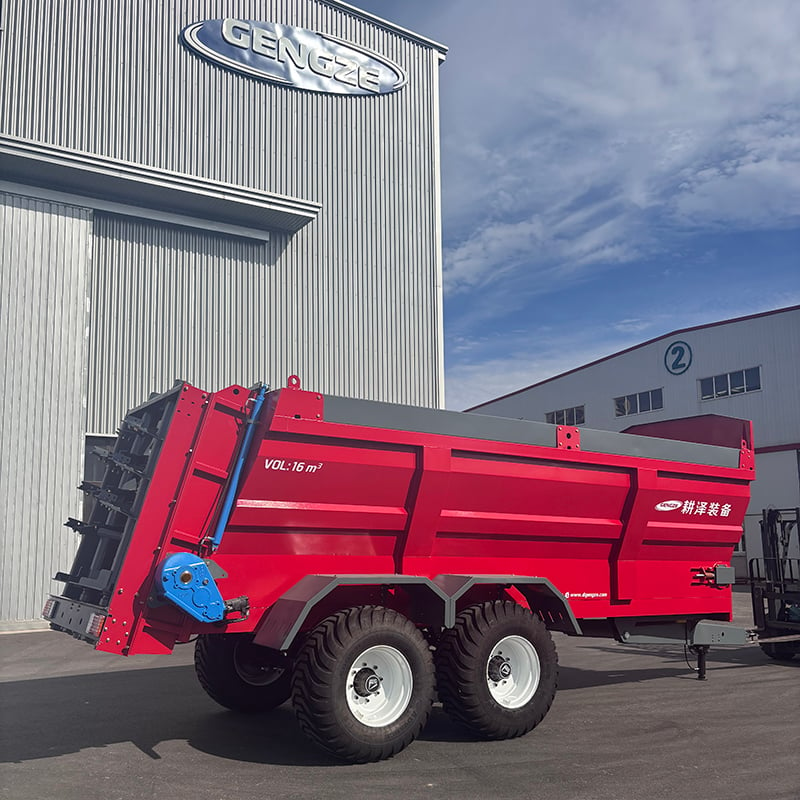
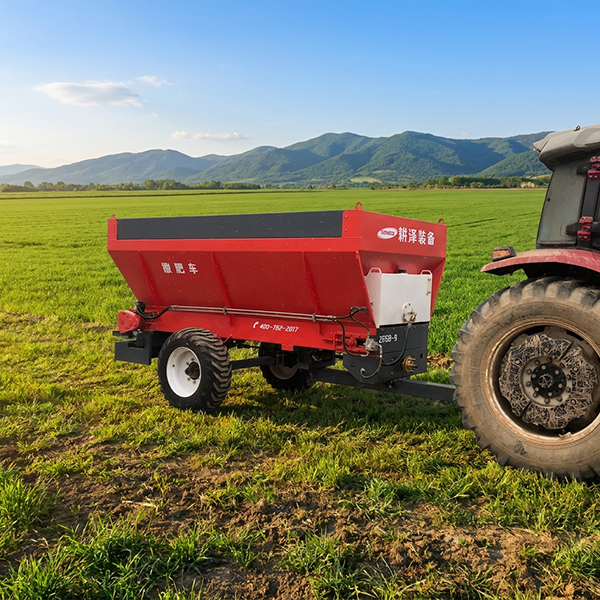
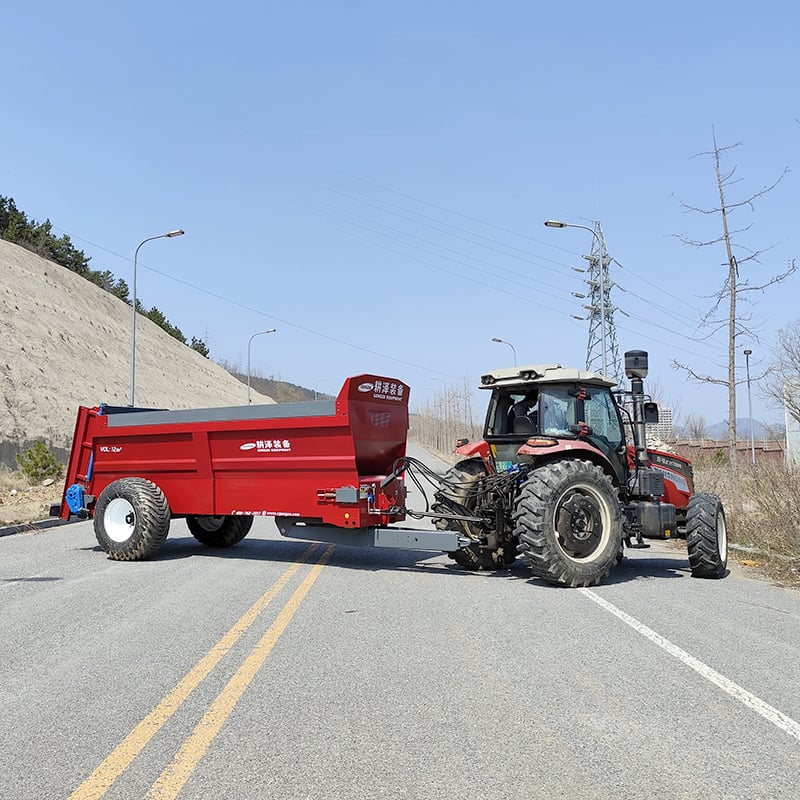
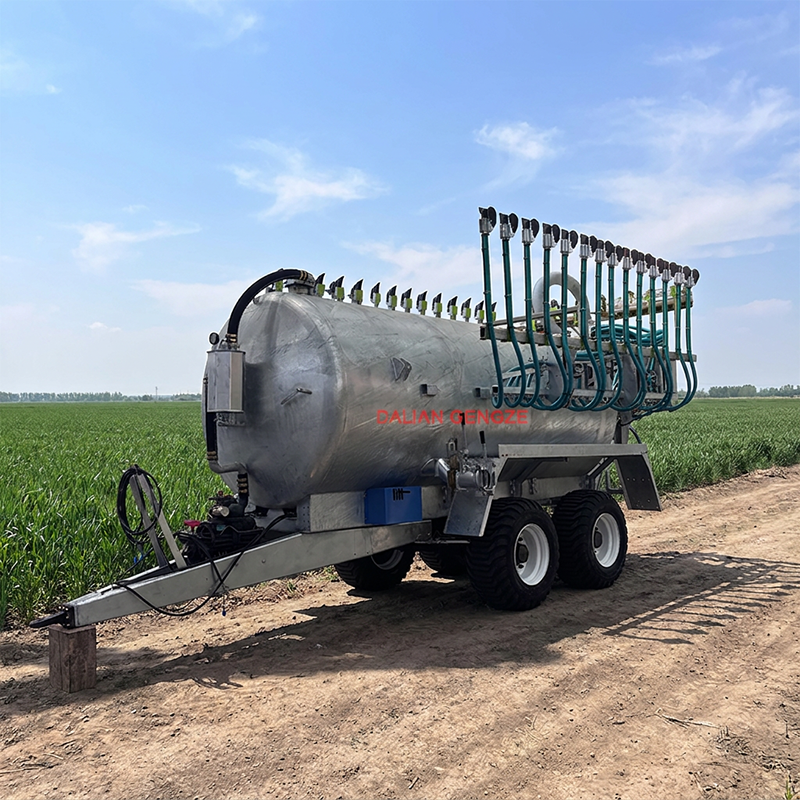
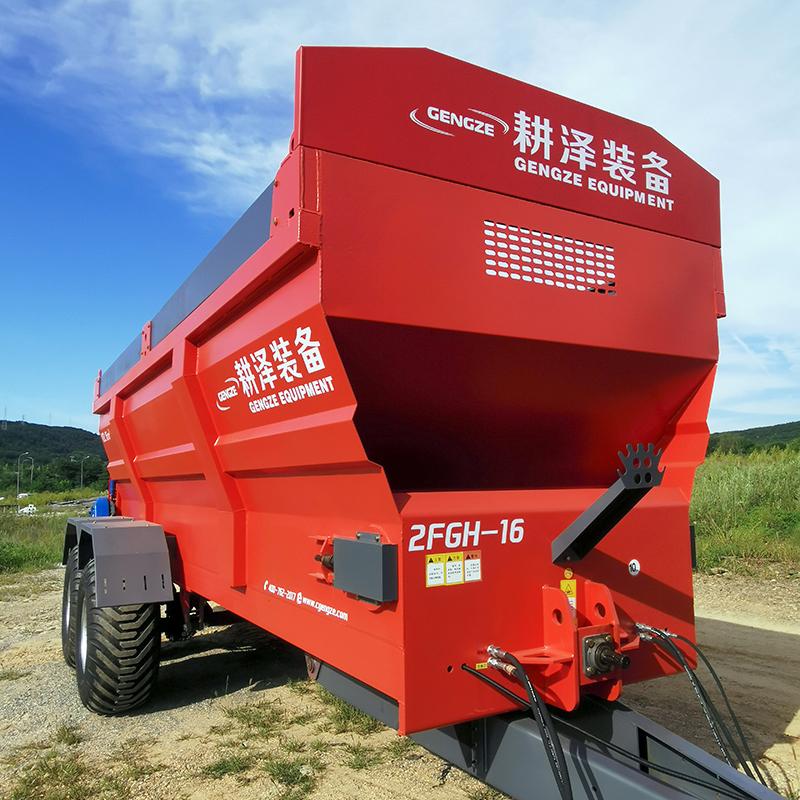
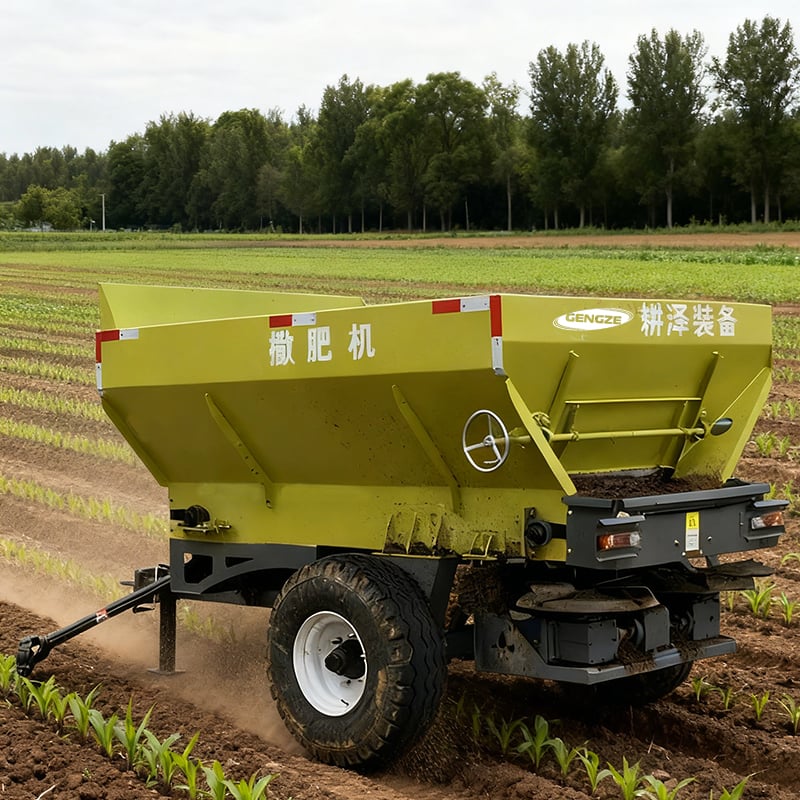
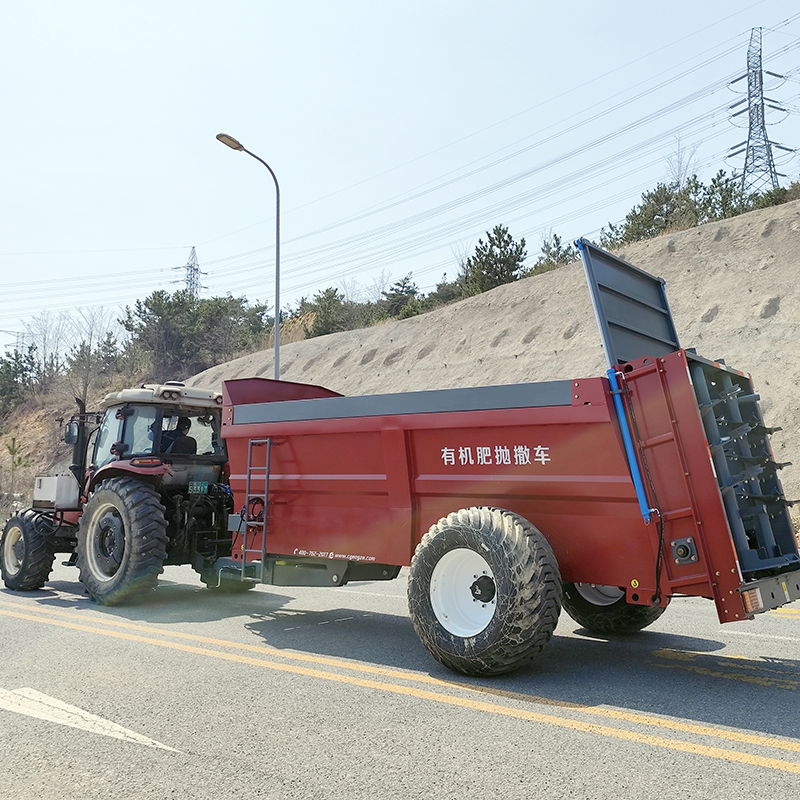
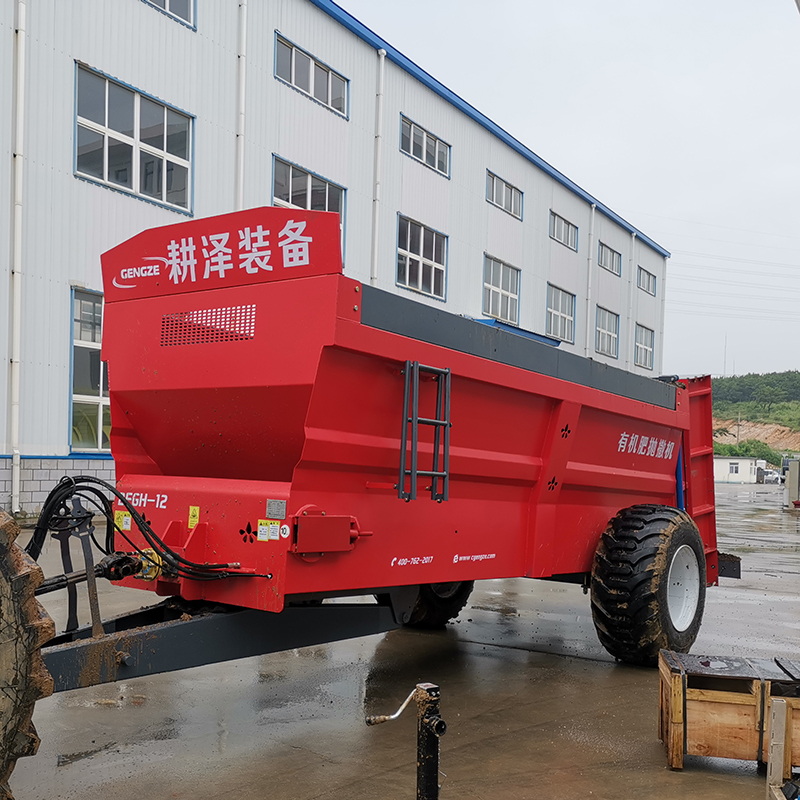
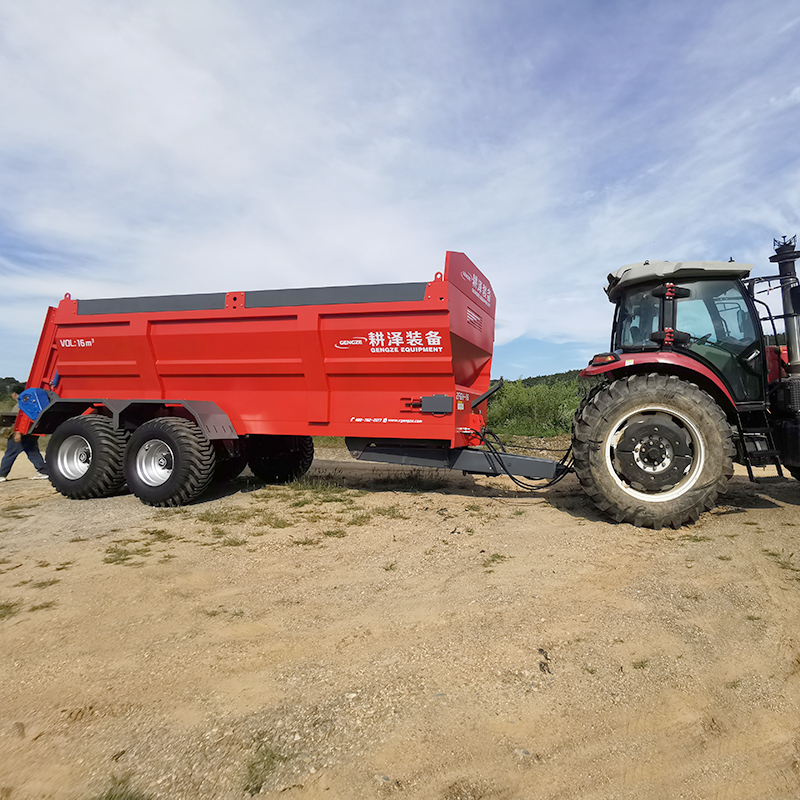
Organic fertilizer manure spreaders are essential tools for efficient agricultural operations, designed to evenly distribute organic fertilizers and manure across fields. For purchasing managers and agricultural engineers, understanding the various features, specifications, and supplier options is crucial for making informed decisions. This article will address key concerns such as sourcing reliable suppliers, common operational issues, installation guidance, performance comparisons, and the advantages of using organic fertilizers in manure spreaders.
When looking to source organic fertilizer manure spreaders in bulk, it's vital to identify reliable manufacturers who can meet your specific requirements. Start by researching companies with a strong reputation in agricultural equipment manufacturing, such as Dalian Gengze Agricultural Equipment Manufacturing Co., Ltd. With over 20 years of experience, Gengze has established itself as a trusted supplier with a focus on high-efficiency and cost-competitive products.
Consider the following factors when evaluating potential suppliers:
Industry Experience: Look for suppliers who have a proven track record in manufacturing manure spreader and related agricultural equipment. Experience in the field often correlates with superior product knowledge and customer service.
Production Capabilities: Assess the manufacturer's production capacity, machinery, and technology. A company with advanced production equipment can better meet your volume and customization needs.
Quality Control Processes: Suppliers should have robust quality control systems in place. Ask about their inspection processes and certifications to ensure product reliability.
Customer Support: Reliable suppliers should offer comprehensive customer support, including installation guidance, maintenance services, and availability of spare parts.
Utilizing industry networks, trade shows, and online directories can also help in finding trustworthy suppliers.
Organic fertilizer manure spreaders can encounter several common issues that may affect their performance and longevity. Understanding these problems and knowing how to address them is crucial for maintaining operational efficiency.
Clogging: One of the most prevalent problems is clogging due to the consistency of the manure or fertilizer being used. To mitigate this, ensure that the spreader is compatible with the type of organic material you intend to use. Regular maintenance and cleaning can also prevent buildup.
Uneven Distribution: If the spreader does not distribute material evenly, it can lead to poor crop growth. To address this, check the calibration settings and ensure that the spreader is level during operation. Adjustments may be necessary depending on the type of spreader design.
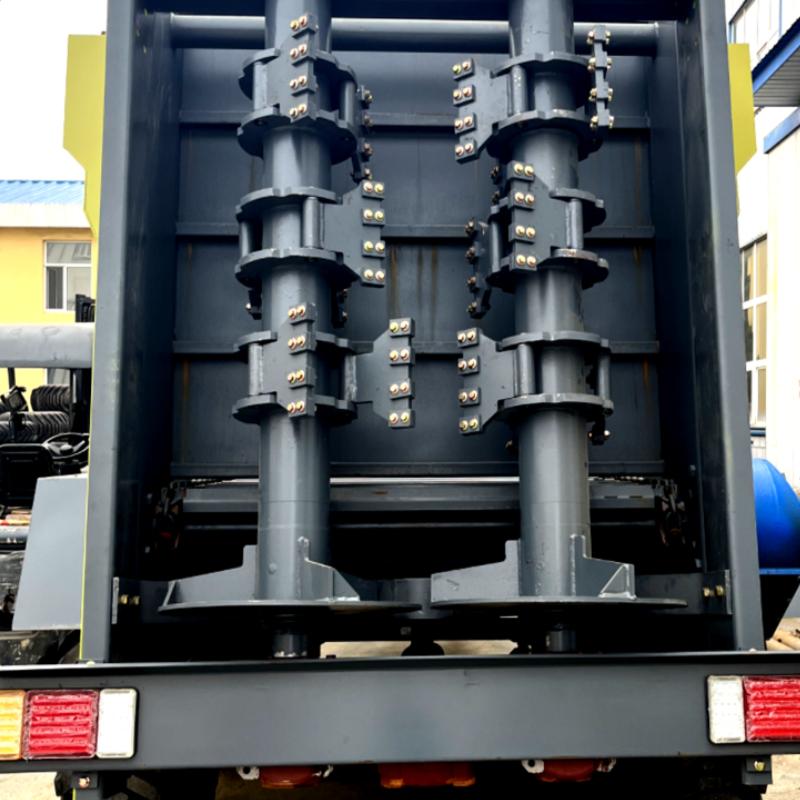
Wear and Tear: Components such as the auger or spreader paddles can wear out over time. Regular inspections should be performed to identify signs of wear. Using high-quality materials for these components can enhance durability and reduce maintenance costs.
Hydraulic Issues: Problems with hydraulic systems can lead to operational failures. Regularly check hydraulic fluid levels and inspect for leaks. It is advisable to have a service plan with your supplier to address hydraulic system issues promptly.
By being proactive and addressing these common problems, users can extend the lifespan of their manure spreaders and maintain optimal performance.
Proper installation of an organic fertilizer manure spreader machine is crucial for ensuring its effective operation. Here are key steps to follow:
Read the Manual: Before installation, thoroughly read the manufacturer's manual. This will provide specific guidance on assembly, connection to towing vehicles, and safety protocols.
Select the Right Location: Choose a flat, stable surface for installation. This will facilitate accurate leveling and assembly.
Assemble Components: Follow the assembly instructions carefully, ensuring that all components are fitted securely. Pay particular attention to the hydraulic system and ensure that all connections are tight to prevent leaks.
Test Connections: Once assembled, test all hydraulic connections and controls before using the spreader. Ensure that it operates smoothly without any obstructions.
Calibration: Finally, calibrate the spreader according to the type of organic fertilizer being used. This may involve adjusting the spreader settings to ensure even distribution.
Proper installation not only enhances performance but also minimizes the risk of operational issues.
When selecting an organic fertilizer manure spreader, comparing different models can help identify the best fit for your agricultural needs. Key aspects to consider include:
Capacity: Evaluate the capacity of each spreader model. Larger capacities may be more efficient for extensive operations, while smaller models may be suitable for smaller farms.
Design Type: Manure spreaders come in various designs, including vertical and horizontal models. Each design has its strengths; for example, vertical spreaders may provide better mixing of organic materials.
Material Construction: The materials used in construction can significantly impact durability. Look for models made from high-strength steel or corrosion-resistant materials, which can withstand harsh operating conditions.
Ease of Use: Consider user-friendly features such as adjustable spreading widths, easy-to-use controls, and maintenance accessibility. These factors can greatly enhance operational efficiency.
Cost: While it's essential to consider the initial purchase price, also factor in long-term costs such as maintenance, fuel efficiency, and potential downtime.
By comparing these factors across different models, buyers can make informed choices that align with their operational goals.
Incorporating organic fertilizers into manure spreader solutions offers several advantages that enhance agricultural productivity:
Soil Health Improvement: Organic fertilizers enrich the soil with nutrients and organic matter, improving soil structure and promoting beneficial microbial activity. This can enhance crop yields over time.
Environmental Benefits: Using organic fertilizers reduces the risk of chemical runoff and minimizes environmental pollution. This aligns with sustainable farming practices that are increasingly prioritized in modern agriculture.
Cost-Effectiveness: Although the initial cost may be higher, using organic fertilizers can lead to long-term savings by reducing the need for chemical fertilizers and improving soil fertility, which can reduce input costs over time.
Enhanced Crop Quality: Organic fertilizers can lead to healthier, more nutrient-rich crops, which can command higher prices in the market. This is particularly beneficial for organic farming operations.
Incorporating organic fertilizers into your fertilizer spreader operations not only benefits your crops but also promotes sustainable agricultural practices that are essential for long-term farm viability.
By understanding these aspects of organic fertilizer manure spreaders, B2B buyers can make informed decisions that enhance their agricultural practices and yield positive results.

Dalian Gengze Agricultural Equipment Manufacturing Co.,Ltd
Copyright © Dalian Gengze Agricultural Equipment Manufacturing Co.,Ltd All Rights Reserved | Blog | Privacy Policy
 EN