Requesting a Call:
Online Support
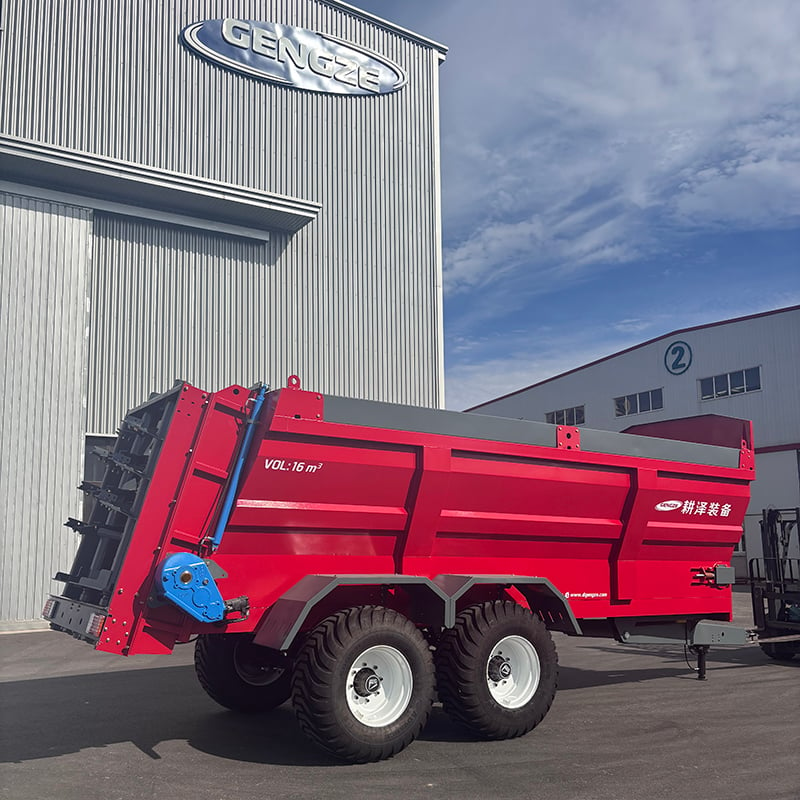
A manure Gengze atv manure spreader is an essential piece of agricultural equipment used to evenly distribute manure over fields to improve soil fertility. For B2B buyers, including purchasing managers and distributors, choosing the right manure spreader machine involves considering various factors such as product specifications, supplier reliability, and cost-effectiveness. This article will provide insights into the key considerations for selecting manure spreaders, evaluating suppliers, and ensuring optimal performance through proper installation and maintenance
When selecting a Gengze liquid manure spreader for bulk orders, several critical factors come into play:
Capacity and Size: Determine the spreader’s capacity based on the size of the fields being serviced. Larger operations may require high-capacity spreaders while smaller farms might benefit from more compact models
Type of Manure: Different types of manure (liquid vs. solid) require specific spreader designs. For instance, slurry spreaders are ideal for liquid manure, while tow-behind spreaders typically handle solid manure. Understanding the manure type will guide you in selecting the appropriate machine
Material and Construction: The durability of the spreader is vital, particularly given the corrosive nature of manure. Look for machines constructed from high-strength steel or those with protective coatings to ensure longevity and reduce maintenance costs
Affect on Soil and Crop Health: Ensure the machine can evenly distribute manure to avoid over-fertilization in certain areas, which can harm soil health and crop yields. Adjustable spreading mechanisms can help achieve more uniform application
Customization Options: Depending on your specific needs, inquire about customization capabilities. Some manufacturers may offer modifications to suit unique operational requirements or preferences
Evaluating the reliability of Gengze horse manure spreader suppliers is crucial for ensuring you receive quality products and services. Here are some key aspects to consider:
Experience and Reputation: Look for suppliers with extensive experience in agricultural equipment manufacturing. Companies like Dalian Gengze Agricultural Equipment Manufacturing Co., Ltd., with over 20 years in the industry, have proven track records and established credibility
Customer Reviews and References: Seek testimonials or case studies from other buyers. Positive feedback from existing customers can provide insights into the supplier’s reliability and product performance
Quality Assurance Processes: Inquire about the supplier's quality control measures. Reliable manufacturers implement rigorous testing and inspection processes to ensure each unit meets industry standards
After-Sales Support: A trustworthy supplier should offer comprehensive after-sales support, including maintenance services, warranty options, and readily available spare parts. This support can significantly influence the long-term operational efficiency of your manure spreader
Certifications: Check if the supplier holds relevant industry certifications, which can indicate adherence to quality and safety standards
Proper installation and setup of manure spreader machines are essential for optimal performance. Follow these guidelines to ensure effective operation:
Site Preparation: Ensure the installation area is level and free of obstructions. A well-prepared site can help maintain the stability of the spreader during operation
Calibration: Before initial use, calibrate the spreader according to the manufacturer’s specifications. This calibration ensures that the machine dispenses the correct amount of manure, which is crucial for maximizing its effectiveness
Training: Operators should receive training on the proper use and maintenance of the machine. Familiarity with the equipment can help minimize errors and improve safety during operation
Regular Maintenance Checks: Implement a routine maintenance schedule to inspect components such as the spreader’s augers, gearbox, and tires. Regular checks can prevent breakdowns and ensure consistent performance
Operational Tests: Conduct initial operational tests in a controlled environment to assess the spreader's performance before deploying it on larger fields. This step allows for adjustments to be made as necessary
Understanding the cost factors associated with purchasing manure spreaders wholesale can help buyers make informed decisions. Key considerations include:
Initial Purchase Price: While upfront costs are a significant factor, it’s essential to balance this with the expected longevity and operational efficiency of the machine. Higher-quality machines may have a greater initial investment but offer better durability and lower maintenance costs
Shipping and Handling Fees: Consider shipping costs, especially if the supplier is located internationally. These fees can significantly affect the total cost of acquisition
Customization Costs: Custom features or modifications can increase the overall price. Ensure to clarify any additional costs associated with customization when requesting quotes
Operating Costs: Factor in the ongoing operating expenses, including fuel consumption and maintenance requirements. Efficient machines may save on fuel and lower maintenance frequency, translating to reduced operational costs
Financing Options: Some suppliers may offer financing plans for bulk purchases, which can help manage cash flow. Analyze these options to see if they align with your budgetary constraints
Understanding the features and benefits of manure spreader machines can aid buyers in making informed decisions:
Adjustable Spread Patterns: Many modern manure spreaders come with adjustable spread patterns, allowing operators to customize application rates based on specific field requirements. This versatility helps optimize fertilizer distribution and minimizes waste
Durable Construction: Machines built with high-strength materials are designed to withstand harsh agricultural environments, reducing the risk of breakdowns and extending service life
User-Friendly Controls: Advanced spreaders may feature intuitive controls and monitoring systems that enhance ease of operation. User-friendly interfaces can reduce training time and improve overall efficiency
Versatility: Some manure spreaders are designed to handle various types of manure, including liquid, solid, and semi-solid forms. This adaptability can be beneficial for farms with diverse livestock operations
Environmental Benefits: Efficient manure application helps reduce nutrient runoff and environmental impact. Using the right spreader machine can contribute to more sustainable farming practices
By carefully considering these factors, B2B buyers can make informed decisions when selecting a manure spreader machine that meets their operational needs and budget constraints. Understanding the critical elements of supplier reliability, installation, cost factors, and product features will ensure a successful investment in agricultural equipment

Dalian Gengze Agricultural Equipment Manufacturing Co.,Ltd
Copyright © Dalian Gengze Agricultural Equipment Manufacturing Co.,Ltd All Rights Reserved | Blog | Privacy Policy
 EN