Requesting a Call:
Online Support
Solar powered irrigation systems represent a groundbreaking advancement in agricultural technology, enabling farmers to efficiently utilize renewable energy for crop watering. As agricultural practices face increasing pressure from climate change and resource scarcity, the demand for sustainable irrigation methods has surged. This article will help B2B buyers like purchasing managers, distributors, and product managers. understand how to select the right solar powered irrigation system, evaluate suppliers, compare specifications, and recognize the applications that benefit from this technology.
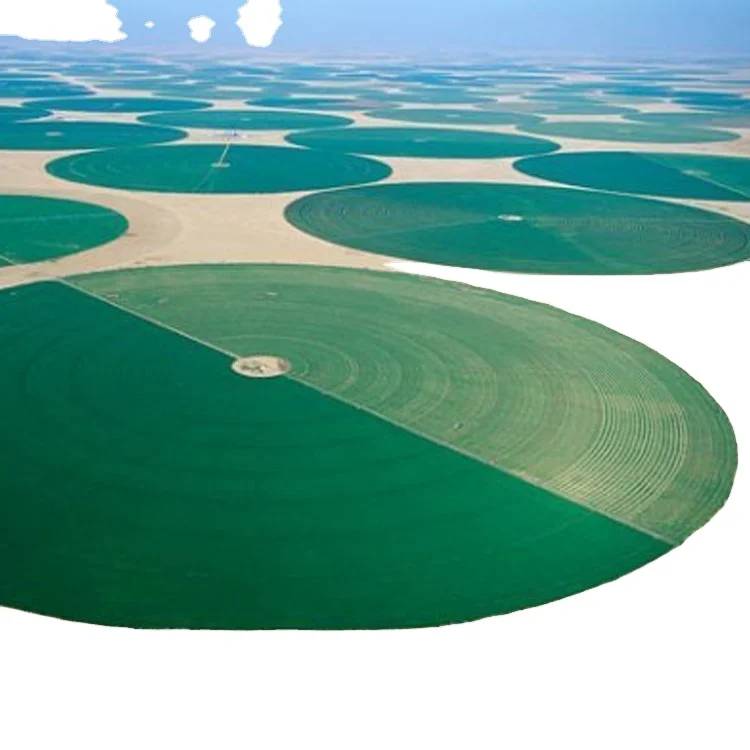
Selecting the appropriate solar powered irrigation system requires careful consideration of several factors. Firstly, assess your specific irrigation needs, including the type of crops, field size, and water availability. Next, evaluate the solar powered centre pivot system's energy requirements and solar panel output to ensure it can sufficiently power the irrigation equipment.
Consider the system's scalability. A modular design allows for future expansion as your agricultural operations grow. Additionally, check the compatibility of the system with existing infrastructure, such as pumps and control systems. Finally, factor in installation requirements and maintenance needs. A system that is complex to install may lead to increased downtime and costs.
When sourcing solar powered irrigation solutions, it's crucial to partner with reliable suppliers who have a proven track record. Look for manufacturers with extensive experience in agricultural equipment, like Dalian Gengze Agricultural Equipment Manufacturing Co., Ltd, which has over 20 years in the industry and has transitioned from OEM production to offering its own well-known Gengze brand.
Evaluate suppliers based on their product range, customer service, and technical support. Request references or case studies from previous customers to understand how well the supplier meets client needs. Additionally, inquire about their quality control processes and certifications to ensure compliance with industry standards, which can significantly impact product performance and reliability.
When comparing solar powered irrigation systems, certain specifications can significantly influence performance and suitability for your agricultural operations. Key specifications to consider include:
Solar Panel Efficiency: This determines how much energy can be generated from sunlight. Higher efficiency solar powered pivot irrigation panels translate to better performance, especially in less sunny regions.
Pump Capacity: Measured in liters per minute or gallons per minute, this indicates how much water can be delivered. Ensure that the pump capacity aligns with your irrigation needs.
Battery Storage: Systems with integrated battery storage allow for water delivery during non-sunny periods. Evaluate the capacity and lifespan of the batteries used.
Controller Features: Modern systems may include smart controllers that automate watering schedules based on weather data or soil moisture levels. This increases efficiency and conserves water.
Durability and Materials: Materials used in construction should be resistant to corrosion and UV degradation, ensuring longevity in diverse environmental conditions.
Understanding these specifications enables buyers to make informed decisions tailored to their unique agricultural requirements.
To ensure a successful procurement process for solar powered irrigation systems, follow these steps:
Define Specific Requirements: Outline your irrigation goals, including water needs, energy sources, and budget constraints.
Research and Shortlist Suppliers: Compile a list of potential suppliers based on their product offerings and reputation in the industry.
Request Detailed Quotes: When reaching out to suppliers, provide detailed specifications and ask for comprehensive quotes. This should include costs related to installation, maintenance, and potential customization options.
Evaluate Samples: If possible, request samples or conduct site visits to assess system performance. This practical testing can reveal potential issues that may not be apparent in specifications alone.
Negotiate Terms: Discuss terms of delivery, warranties, and service agreements. Establishing clear communication can help mitigate any future misunderstandings.
Plan for Installation and Training: Ensure that your team is adequately trained on the system's operation and maintenance. Proper installation and user knowledge are vital for maximizing the system's efficiency.
Solar powered irrigation systems are versatile and applicable across various agricultural sectors. They are particularly beneficial for:
Remote Farming Operations: In areas without reliable access to the electrical grid, solar powered systems offer a sustainable solution for irrigation.
Organic Farming: These systems align well with organic farming practices, as they reduce reliance on fossil fuels and minimize environmental impact.
Crop Diversification: Farmers looking to diversify their crops can use solar powered systems to enhance water management, improving yields and sustainability.
Greenhouse Operations: Solar powered irrigation can support greenhouse environments where consistent moisture levels are crucial for plant health.
Overall, the integration of solar power into irrigation practices represents a forward-thinking approach that aligns with global sustainability goals while enhancing agricultural productivity.
By understanding the nuances of solar powered irrigation systems, B2B buyers can make informed decisions that lead to efficient resource management, cost savings, and improved crop yields.

Dalian Gengze Agricultural Equipment Manufacturing Co.,Ltd
Copyright © Dalian Gengze Agricultural Equipment Manufacturing Co.,Ltd All Rights Reserved | Blog | Privacy Policy
 EN