Requesting a Call:
Online Support
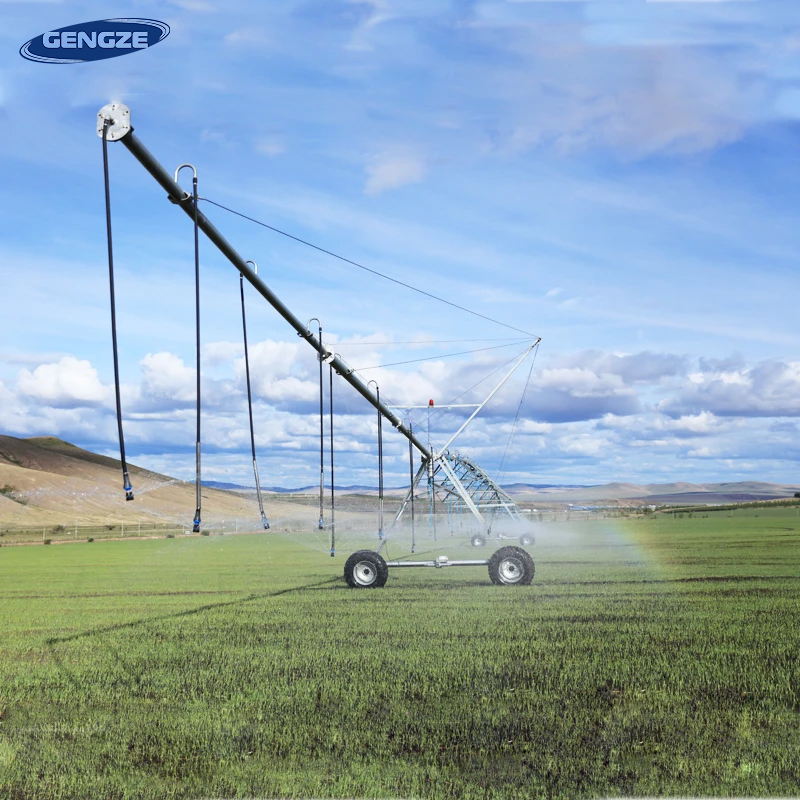
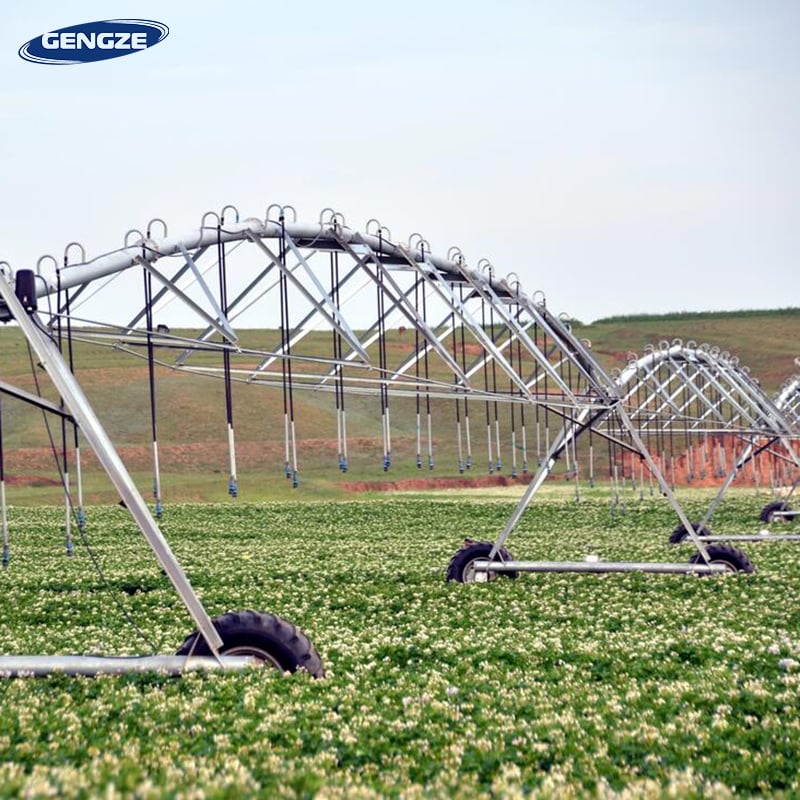
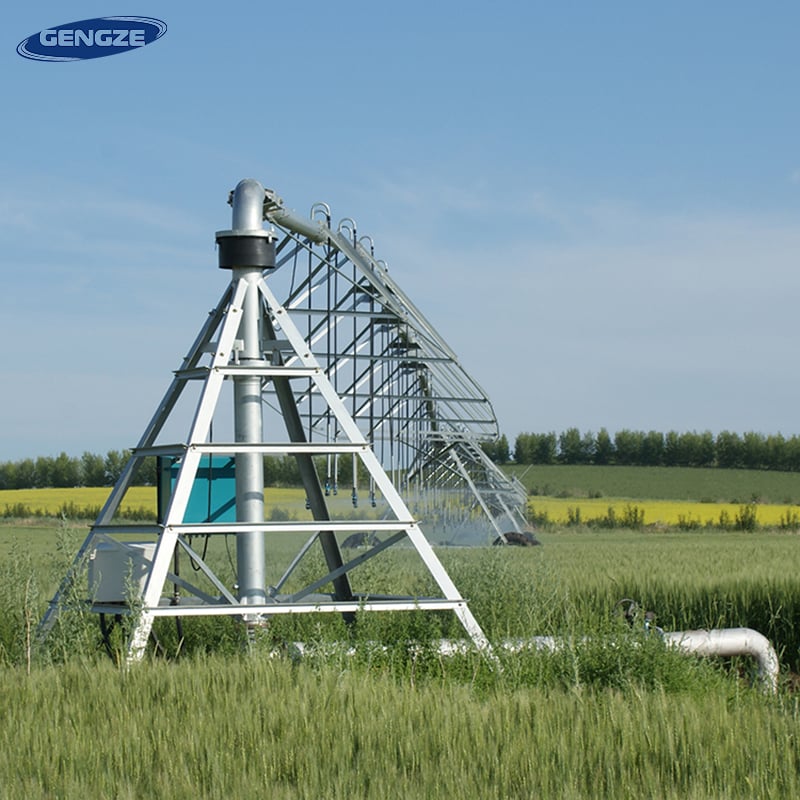
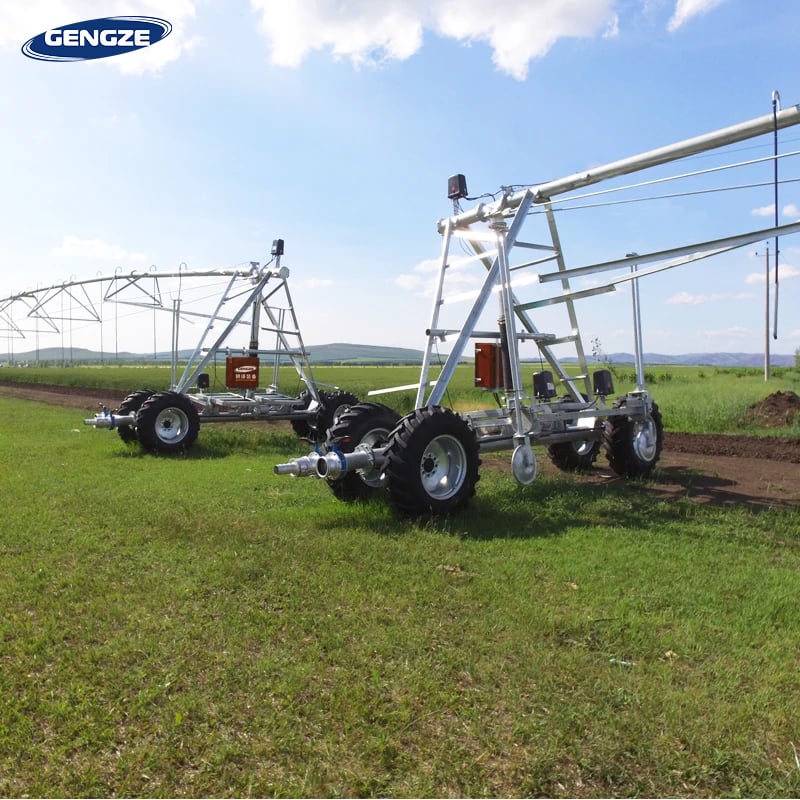
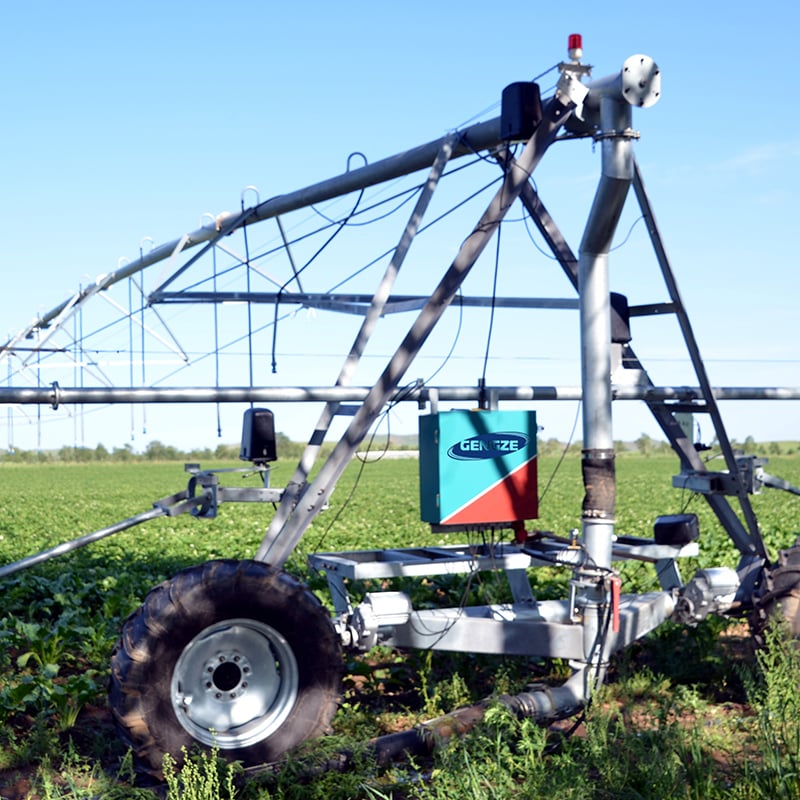
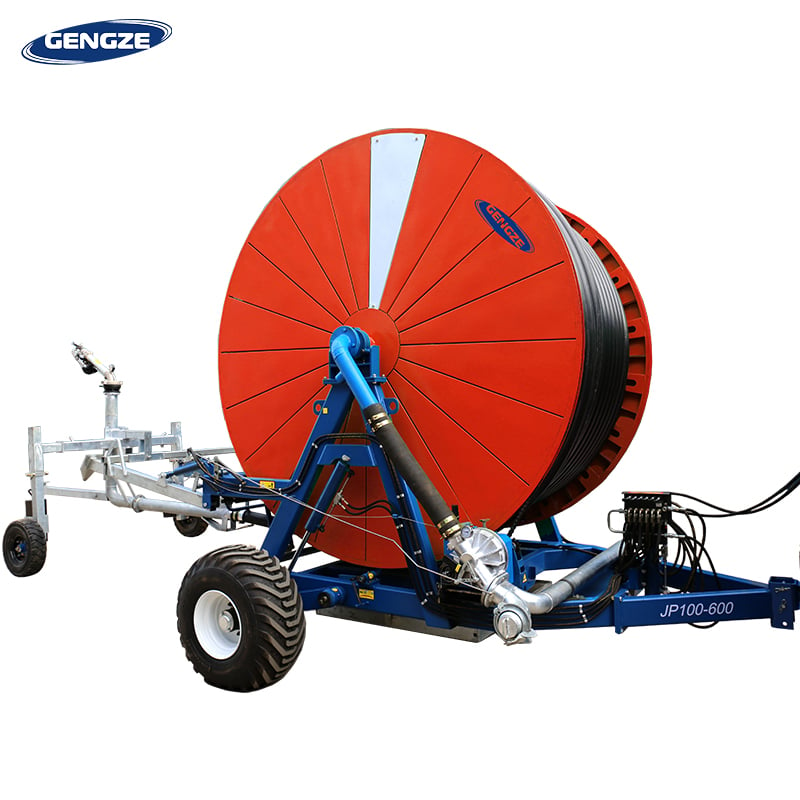
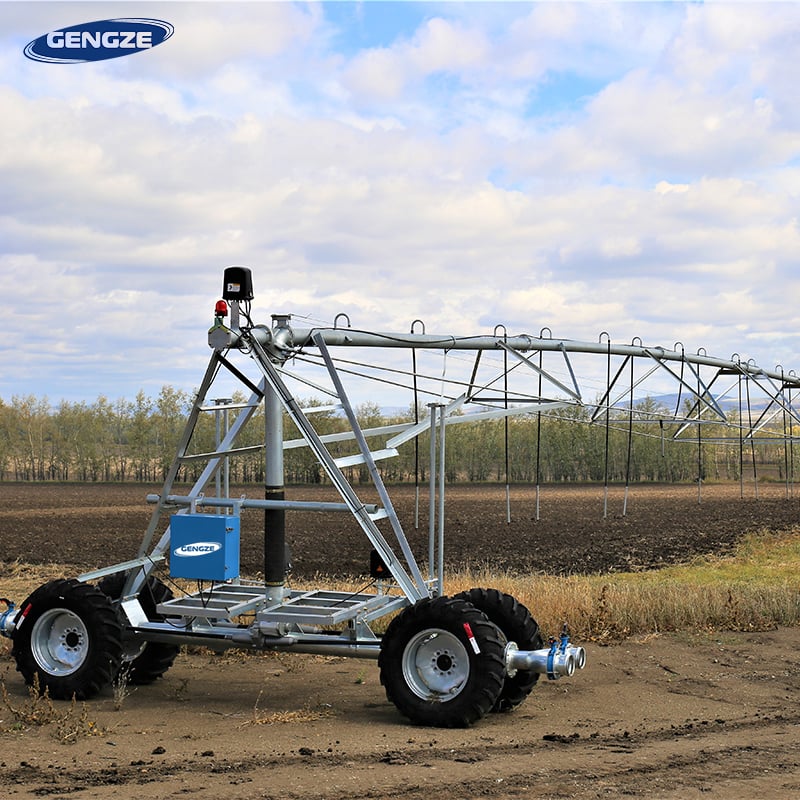
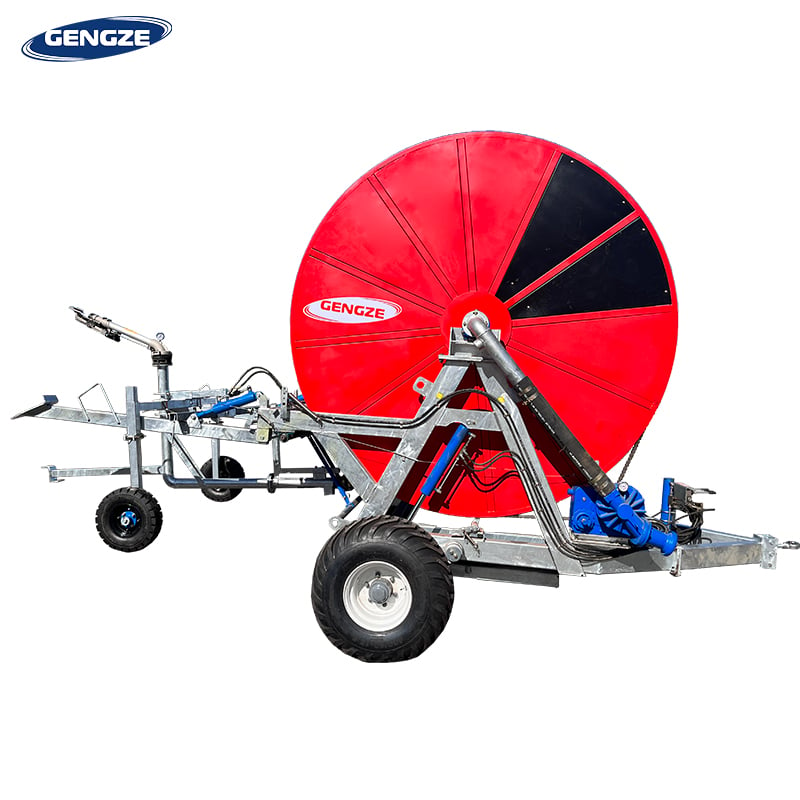
A Gengze solar powered irrigation system is an innovative solution that harnesses solar energy to efficiently irrigate agricultural fields, gardens, and landscapes. As sustainability becomes a key concern for farmers and land managers, these systems offer an eco-friendly alternative to traditional irrigation methods. Buyers are often focused on performance, cost-effectiveness, and reliability when selecting such systems. This article provides insights into selecting the right solar power watering system, key specifications to consider, installation challenges, and applications in modern agriculture, all aimed at assisting purchasing managers and agricultural professionals in making informed decisions
Selecting the appropriate Gengze solar powered irrigation system involves several considerations. First, assess the scale of your operation and the specific irrigation needs of your crops. The size of the area to be irrigated will dictate the system's capacity, including the number of solar panels and the pump size required to deliver adequate water pressure
Next, evaluate the local climate and sunlight availability, as these factors influence the system's efficiency. Systems designed for areas with limited sunlight may require larger solar panels or additional battery storage to ensure consistent water supply. Additionally, consider the specific requirements of your crops, such as moisture levels and irrigation frequency
Lastly, it’s essential to review the product's warranty, customer support, and service options. A reputable supplier, like Dalian Gengze Agricultural Equipment Manufacturing Co., Ltd. can provide valuable insights and support, especially if they have experience in manufacturing high-efficiency irrigation systems
When evaluating Gengze solar powered pivot irrigation systems, several key specifications should be considered:
Pump Type and Capacity: The type of pump (submersible or surface) and its capacity (measured in gallons per minute or liters per hour) are critical for determining how effectively the system will deliver water. Ensure that the pump can meet the irrigation needs of your specific crops
Solar Panel Output: Solar panel output is measured in watts. Higher wattage panels can generate more energy, enabling the system to operate effectively, even in less-than-ideal sunlight conditions
Battery Storage: Systems with integrated battery storage allow for continuous operation during cloudy days or at night. The battery capacity should correspond to your peak water usage needs
Durability and Materials: The materials used in the system, including corrosion resistance and weatherproofing, significantly impact longevity. Look for systems made from high-quality materials that can withstand harsh agricultural environments
Control Systems: Advanced control systems can automate irrigation schedules based on soil moisture levels, significantly enhancing efficiency. Evaluate the ease of use and programmability of the system
Understanding these specifications will help ensure that the chosen system meets both operational efficiency and durability requirements
Finding a reliable supplier for solar power watering systems involves several steps. Start by researching manufacturers with a proven track record in agricultural equipment, particularly those specializing in irrigation systems. Dalian Gengze Agricultural Equipment Manufacturing Co., Ltd is an example of a well-established manufacturer with over 20 years of experience in agricultural equipment, providing high-efficiency products to global farmers
Checking industry certifications and customer reviews can also provide insight into a supplier's reliability. Engage with industry associations or trade shows to network with potential suppliers and gain firsthand insights into their offerings
Finally, request quotes from multiple suppliers to compare pricing, specifications, and support services. Ensure that the suppliers can provide customization options and after-sales support, which are critical for long-term success
Installing solar power watering systems can present various challenges. One common issue is ensuring proper placement of solar panels to maximize sunlight exposure. Panels should be installed in locations free from shading by trees, buildings, or other structures
Another challenge is the integration of the system components, including the pump, panels, and battery. Ensuring compatibility between these components is crucial for optimal performance. Buyers should work closely with manufacturers or experienced installers to verify that all parts are correctly configured
Lastly, proper installation of the irrigation network is essential. This includes correctly sizing pipes and ensuring appropriate connections to avoid leaks and inefficiencies. Engaging a professional installer familiar with solar systems can help mitigate these challenges
Solar power watering systems are increasingly applied in various agricultural contexts, promoting sustainability and efficiency. They are ideal for remote or off-grid locations where access to traditional power sources is limited. These systems empower farmers to irrigate crops without incurring high energy costs, aligning with global sustainability goals
Additionally, the automation capabilities of solar watering systems allow for precise irrigation based on real-time data, enhancing crop yields while conserving water. This is particularly significant in regions facing water scarcity, where efficient irrigation practices are critical
In summary, adopting solar power watering systems not only contributes to environmental sustainability but also supports the economic viability of agricultural operations. By understanding the key specifications, installation challenges, and practical applications, buyers can make informed decisions that optimize their agricultural practices

Dalian Gengze Agricultural Equipment Manufacturing Co.,Ltd
Copyright © Dalian Gengze Agricultural Equipment Manufacturing Co.,Ltd All Rights Reserved | Blog | Privacy Policy
 EN