Requesting a Call:
Online Support
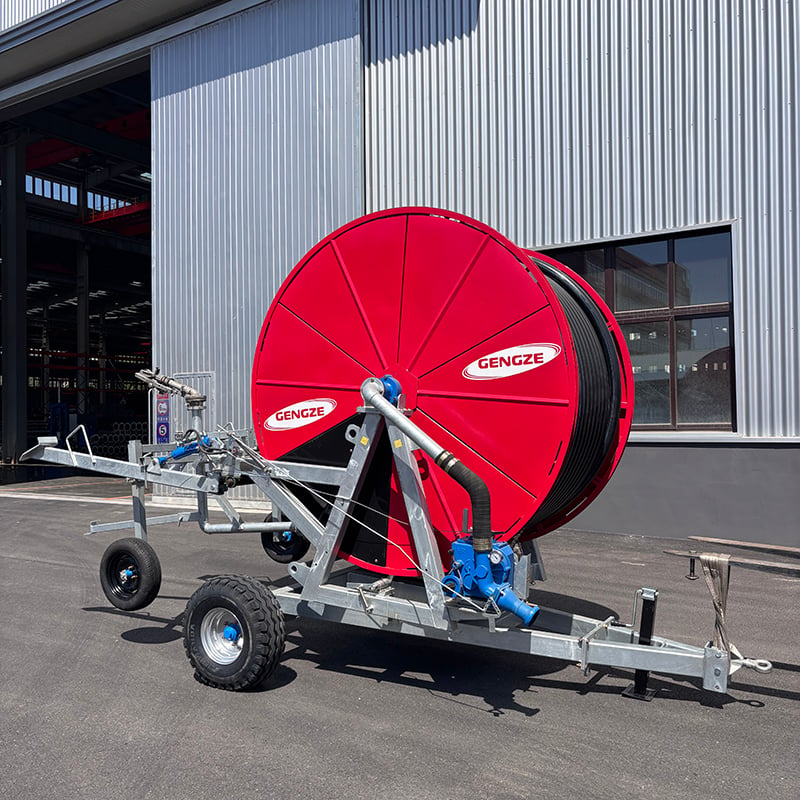
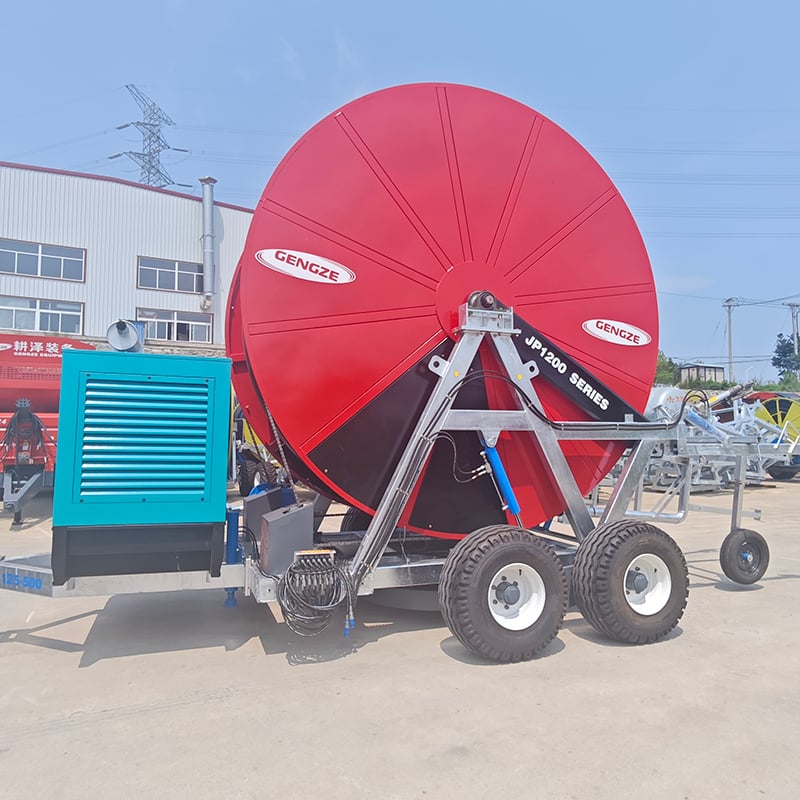
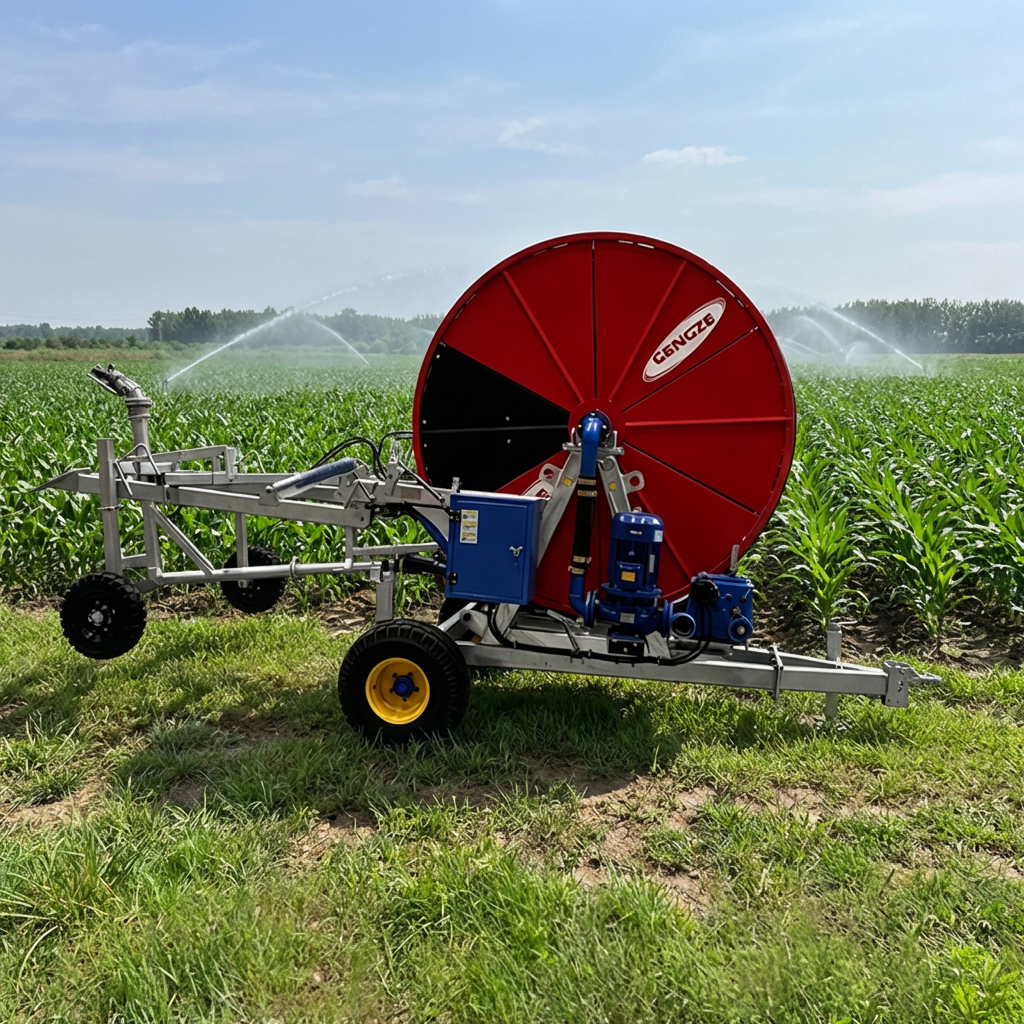
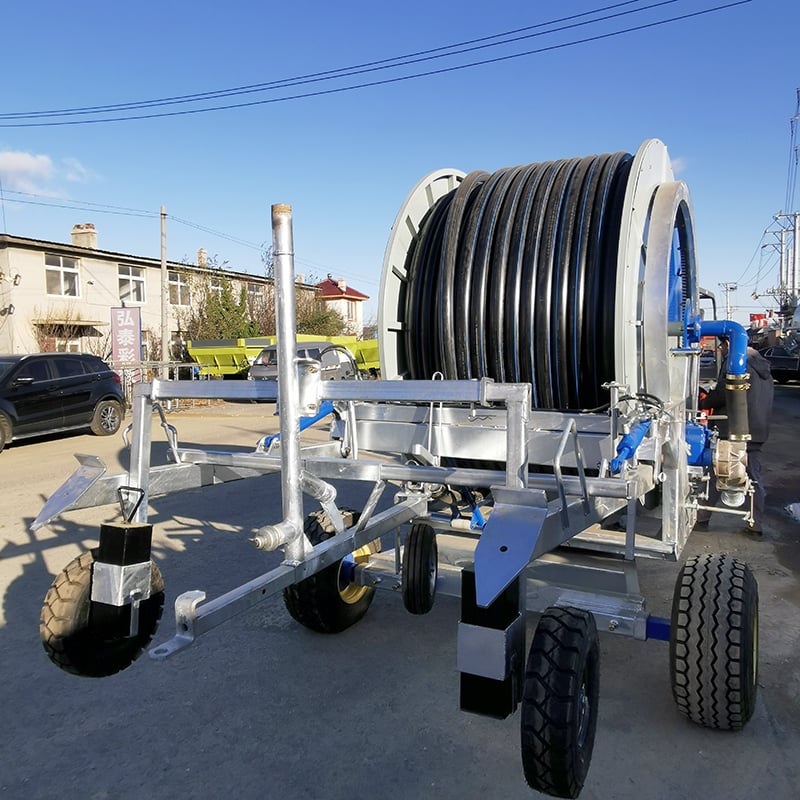
A solar powered sprinkler irrigation system is an innovative solution designed to optimize water usage in agriculture by harnessing the sun's energy. As concerns about sustainability and efficiency rise, farmers and agricultural managers are increasingly interested in these systems. This article will address key factors to consider when selecting a solar powered sprinkler irrigation system, including specifications, bulk ordering options, sourcing considerations, and installation guidance, ensuring that B2B buyers are equipped to make informed decisions.
When selecting a solar powered sprinkler irrigation system, several critical factors must be evaluated to ensure it meets specific agricultural needs. First, assess the system's water delivery capacity, which is determined by the pump's flow rate and the required pressure for effective irrigation. This ensures that water reaches all areas of the field evenly.
Next, consider the solar panel efficiency and size. Higher efficiency panels can generate more power even in less than optimal sunlight conditions, leading to better performance during cloudy days or in shaded areas. Additionally, the energy storage system, typically a battery, should have adequate capacity to power the system during non-sunny periods.
Durability and weather resistance of materials used in construction are also essential, as these systems will often be installed in varied outdoor environments. Look for systems constructed from UV-resistant and corrosion-resistant materials to extend their lifespan.
Lastly, evaluate the ease of installation and potential for customization. Some systems may offer modular designs that allow for easy expansion or integration with existing irrigation setups, providing flexibility as agricultural needs change.
For businesses looking to procure solar powered sprinkler irrigation systems in large quantities, bulk ordering can provide significant advantages. Manufacturers like Dalian Gengze Agricultural Equipment Manufacturing Co., Ltd. typically offer competitive pricing structures for bulk purchases. This can lead to cost savings per unit, which is crucial for large-scale agricultural operations.
When considering bulk orders, inquire about minimum order quantities (MOQs) and potential lead times, as these factors can vary significantly among suppliers. Additionally, ask about customization options, such as specific configurations or branding, to ensure the systems will meet the operational needs of your project or farm.
It is also advisable to discuss after-sale support and warranty terms for bulk purchases. A reliable supplier should offer comprehensive service agreements that cover installation assistance, maintenance, and any potential repairs, which can be particularly beneficial for large fleet deployments.
Understanding the key specifications of solar powered sprinkler irrigation system is vital for making informed purchasing decisions. Here are some specifications to consider:
Pump Type and Capacity: The type of pump (centrifugal or submersible) affects the system's efficiency and suitability for different applications. Check the flow rate and pressure capabilities to ensure they meet the irrigation needs of your crops.
Solar Panel Output: Look for details about the wattage and efficiency of the solar panels. Higher wattage systems can support more extensive irrigation setups or additional functionalities such as monitoring systems.
Battery Type and Storage Capacity: The choice of battery (lithium-ion or lead-acid) impacts performance, longevity, and maintenance. Ensure the battery can store enough energy to operate the system during low sunlight periods.
Control Systems: Advanced systems may include automated controls that adjust watering schedules based on weather conditions or soil moisture levels, enhancing efficiency and reducing water waste.
Environmental Ratings: Check for certifications or ratings that indicate durability against harsh weather conditions, including resistance to high temperatures, humidity, and UV exposure.
Sourcing solar powered sprinkler irrigation systems requires careful consideration of potential suppliers to ensure quality and reliability. Start by assessing the manufacturer's experience in the agricultural equipment sector. Dalian Gengze Agricultural Equipment Manufacturing Co., Ltd. has a history as an OEM for a leading U.S. irrigation brand and has been manufacturing agricultural equipment for over 20 years, which speaks to its reliability.
Next, evaluate suppliers based on their production capabilities, including the technologies and materials used in manufacturing. High-quality components and rigorous quality control processes are essential for ensuring system longevity and performance.
When sourcing, also consider the supplier's export experience and ability to serve your geographic market. This can affect shipping costs, lead times, and after-sales support. Request references or case studies from other customers to gauge satisfaction with the product and service.
Lastly, confirm that the supplier can accommodate any customization requests you may have, whether for system configurations, branding, or packaging requirements.
Proper installation of a solar powered sprinkler irrigation system is crucial for optimal performance. Start by assessing the site where the system will be installed. Ensure that solar panels are positioned to receive maximum sunlight exposure throughout the day, free from obstructions such as trees or buildings.
Follow the installation manual provided by the manufacturer, which should detail the necessary steps for assembling the system components, including the pump, solar panels, and battery. It’s advisable to use professional installation services, especially for larger systems, to minimize errors and ensure compliance with local regulations.
During installation, check all connections for leaks and ensure that the wiring from the solar panels to the battery and pump is secure and protected from potential damage. After installation, conduct a thorough testing of the system to verify that it operates as intended, including checking water distribution, pump functionality, and battery performance.
Lastly, set a schedule for regular maintenance checks to ensure continued efficiency and identify any potential issues before they affect crop irrigation. This proactive approach can help in maintaining the reliability of your solar sprinkler irrigation system over time.

Dalian Gengze Agricultural Equipment Manufacturing Co.,Ltd
Copyright © Dalian Gengze Agricultural Equipment Manufacturing Co.,Ltd All Rights Reserved | Blog | Privacy Policy
 EN