Requesting a Call:
Online Support
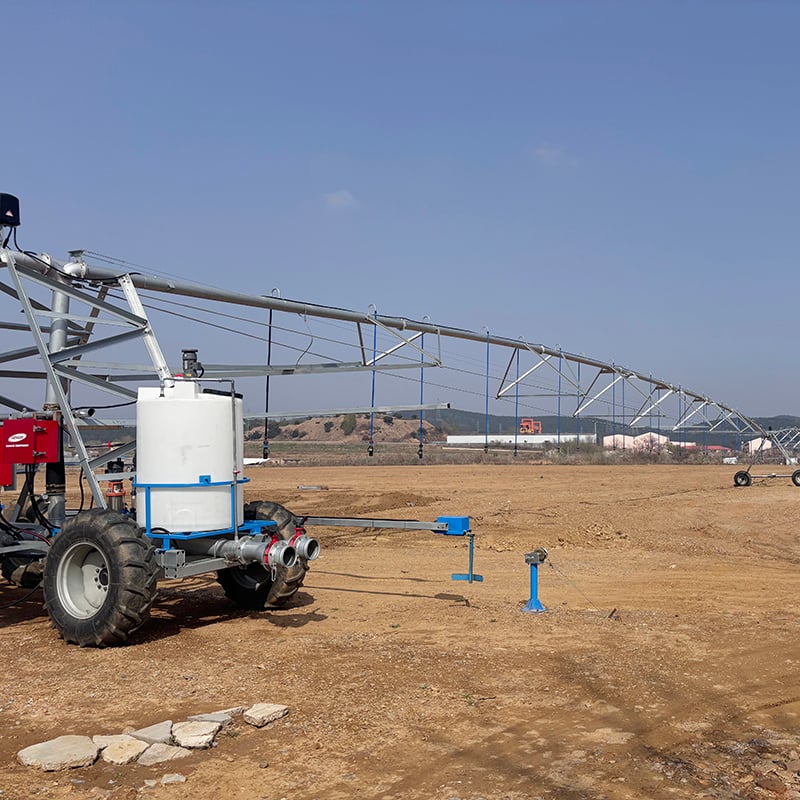
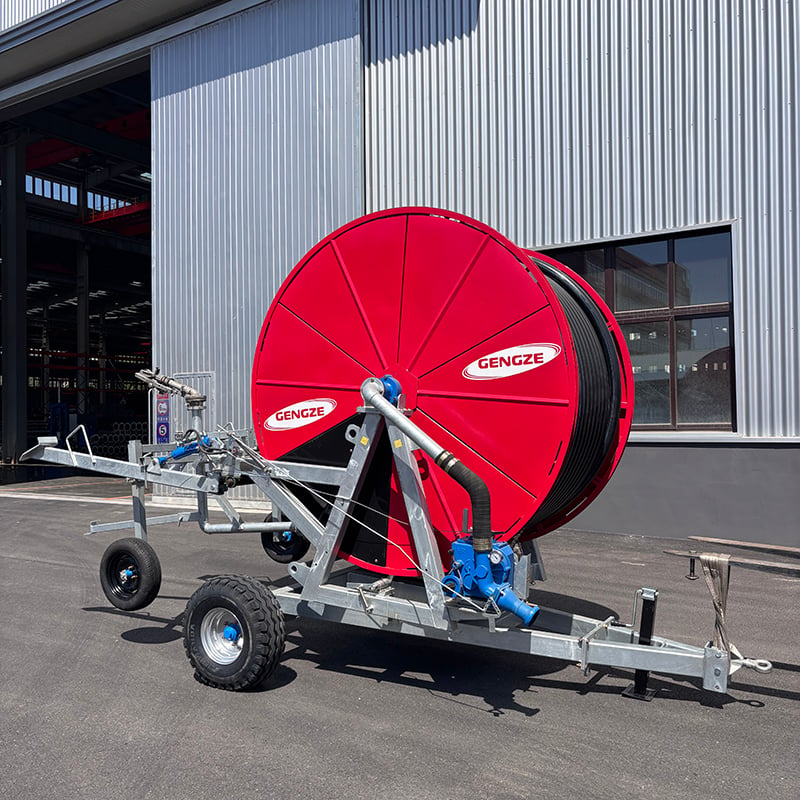
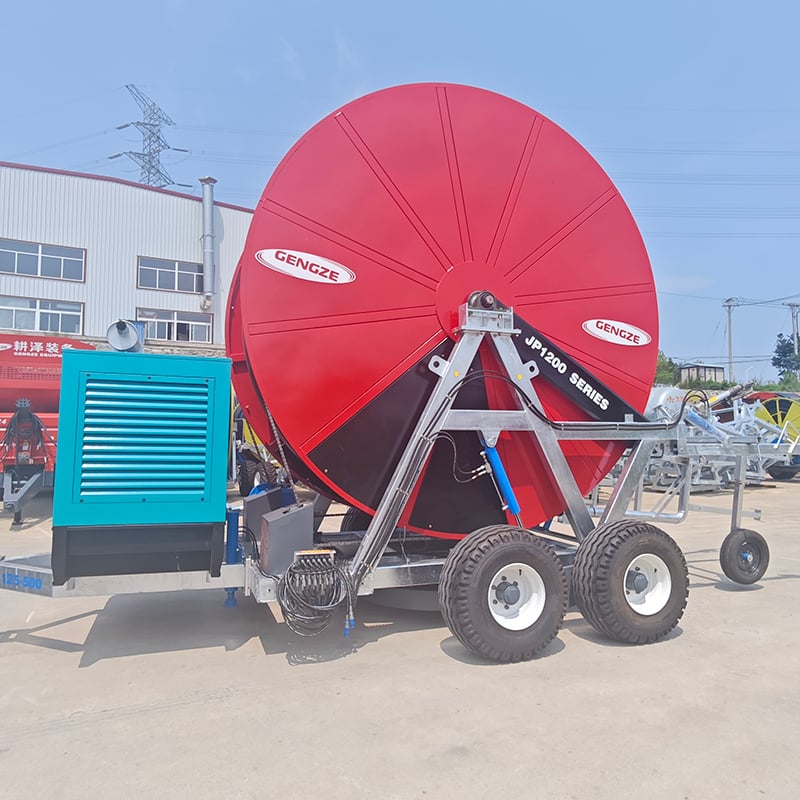
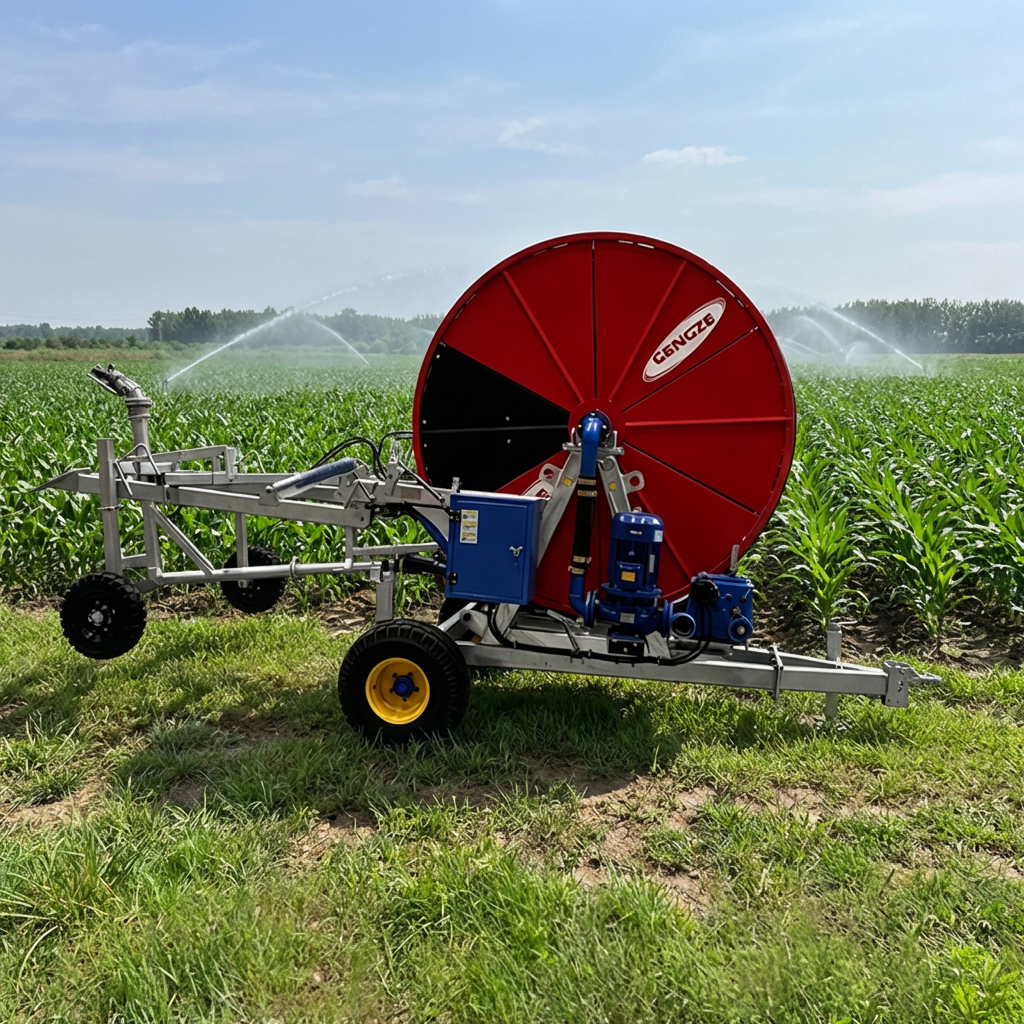
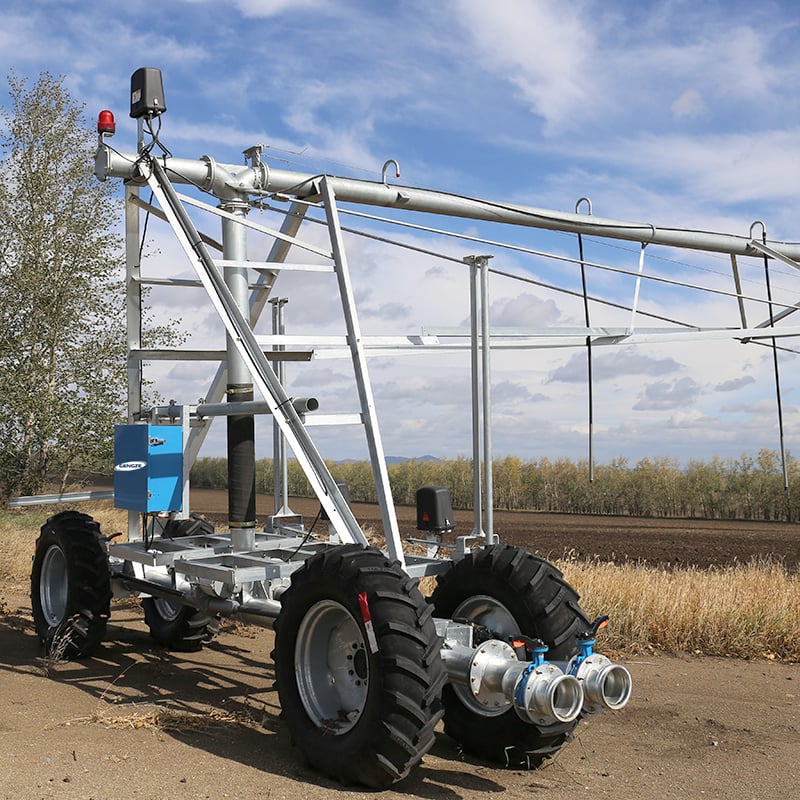
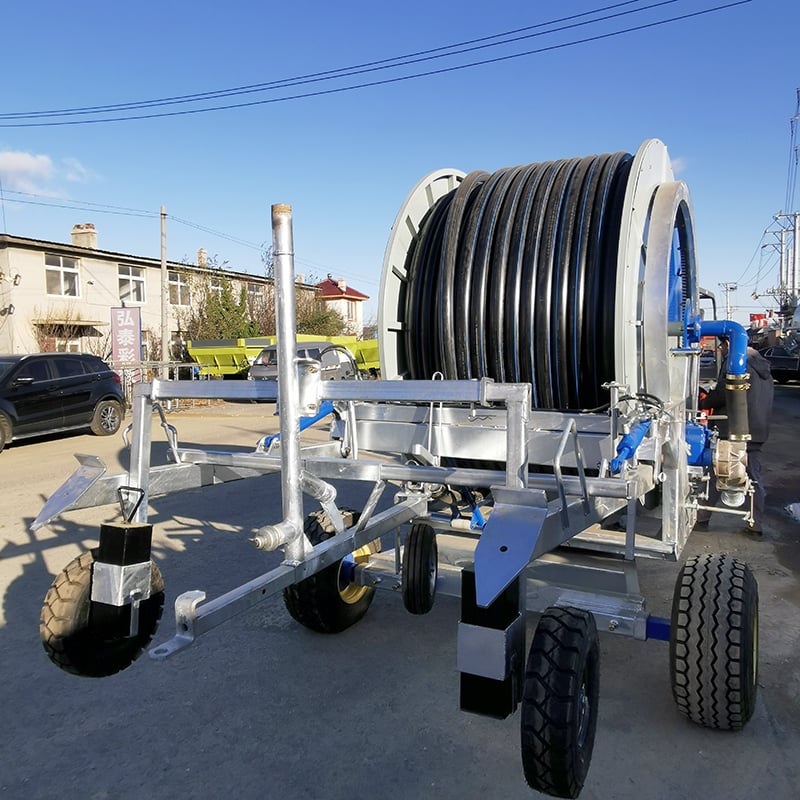
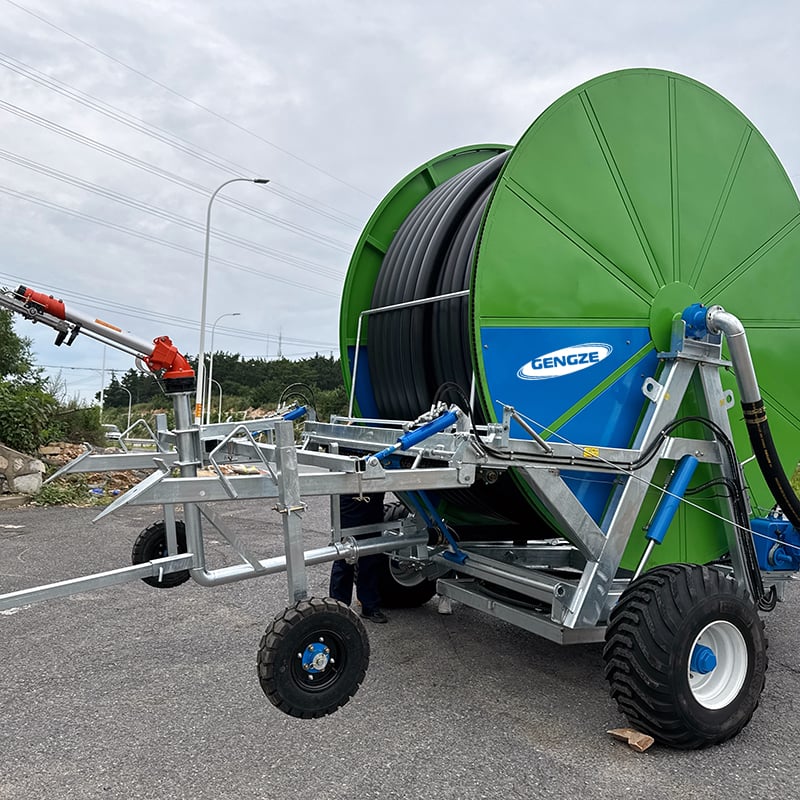
A solar sprinkler irrigation system is an innovative solution designed to optimize water usage in agriculture by harnessing solar energy. As sustainability and efficiency become increasingly important for farmers and agricultural managers, understanding the features and practical applications of these sprinkler irrigation system is crucial. This article will address common concerns such as cost evaluation, potential problems, installation guidance, sourcing reliable suppliers, and how to compare various systems to meet specific agricultural needs.
When assessing the cost of solar sprinkler irrigation systems, buyers should consider several key factors that influence pricing. First, the type of system whether it's a centralized or decentralized setup will significantly impact costs. Centralized systems often require higher initial investments but can provide more efficient water distribution over large areas.
Next, buyers should evaluate the capacity and scale of the system based on their specific agricultural needs. Larger systems with more extensive coverage will naturally incur higher costs due to increased material and installation requirements. Additionally, the quality of components, such as solar panels, pumps, and pivot sprinkler system heads, can vary widely. Investing in high-quality materials can lead to long-term savings through reduced maintenance and increased operational efficiency.
Moreover, installation costs should be factored in. Some manufacturers may offer installation services, while others will provide only the equipment. It's essential to obtain detailed quotes that break down these costs transparently. Finally, consider the potential for government incentives or subsidies for solar energy installations, which can offset initial expenses.
Solar sprinkler systems, while efficient, can face several common issues that may affect their operation. One frequent problem is insufficient solar energy due to weather conditions or placement. To mitigate this, ensure that the solar panels are positioned to maximize sunlight exposure throughout the day. Regularly clearing debris and adjusting panel angles can help maintain optimal performance.
Another issue often encountered is pump failure, which can arise from various factors including insufficient power supply or mechanical malfunctions. Routine maintenance checks should be scheduled to inspect pump functionality and ensure that all components are in good working order.
Additionally, leaks can occur in the irrigation lines, leading to water wastage and reduced efficiency. Buyers should select high-quality materials for the piping and regularly inspect connections for signs of wear or damage. Implementing a monitoring central pivot sprinkler system can also help identify these issues early, allowing for prompt repairs.
Proper installation of a solar sprinkler irrigation system is crucial for maximizing performance. Begin by conducting a thorough site assessment to determine the optimal layout based on the land’s topography, crop types, and existing water resources.
Once the layout is finalized, it’s essential to prepare the site by clearing any obstructions and ensuring that the ground is level where the components will be installed. During installation, follow the manufacturer’s guidelines closely, especially regarding the placement of solar panels, pumps, and sprinkler heads.
Incorporating a smart control system can enhance efficiency, allowing for precise scheduling and monitoring of water distribution. This can be invaluable in adjusting to weather conditions and ensuring that crops receive adequate irrigation without over saturation.
Finally, after installation, conduct a comprehensive test run to identify any potential issues. Monitor the system for a few days to ensure that everything is functioning correctly and make necessary adjustments.
Finding a trustworthy supplier for solar sprinkler irrigation systems involves thorough research and evaluation. Start by seeking suppliers with a solid reputation in the agricultural equipment industry, particularly those specializing in solar technologies. Look for manufacturers with extensive experience, as those with a proven track record are more likely to deliver quality products.
It's advisable to request references and case studies from potential suppliers to gain insights into their product performance in real-world applications. Additionally, consider suppliers that offer comprehensive customer support, including installation services and post-purchase assistance.
Trade shows and agricultural expos can also be excellent venues for finding suppliers, as they allow buyers to interact with manufacturers directly and see products in action. Online platforms and industry forums may provide reviews and recommendations, further aiding in supplier selection.
When comparing solar sprinkler systems, it’s essential to evaluate several factors that align with your specific agricultural needs. Start by assessing the system's water delivery capacity; this should match the requirements of your crops to ensure optimal growth.
Next, consider the efficiency of the solar panels. Systems with higher energy conversion rates will be more effective in areas with limited sunlight. Additionally, check the specifications of the pumps used in the system, higher efficiency pumps can reduce energy consumption and operational costs.
Customization options are also crucial. Some manufacturers offer tailored solutions that can adapt to unique agricultural practices or specific crop types. This can enhance system performance and lead to better resource management.
Finally, don’t overlook warranties and after-sales service when comparing options. A robust warranty can provide peace of mind, indicating that the manufacturer stands behind their product quality and is committed to customer satisfaction.
By carefully evaluating these factors, buyers can select a solar sprinkler irrigation system that not only meets their immediate agricultural needs but also supports long-term sustainability and efficiency goals.

Dalian Gengze Agricultural Equipment Manufacturing Co.,Ltd
Copyright © Dalian Gengze Agricultural Equipment Manufacturing Co.,Ltd All Rights Reserved | Blog | Privacy Policy
 EN