Requesting a Call:
Online Support
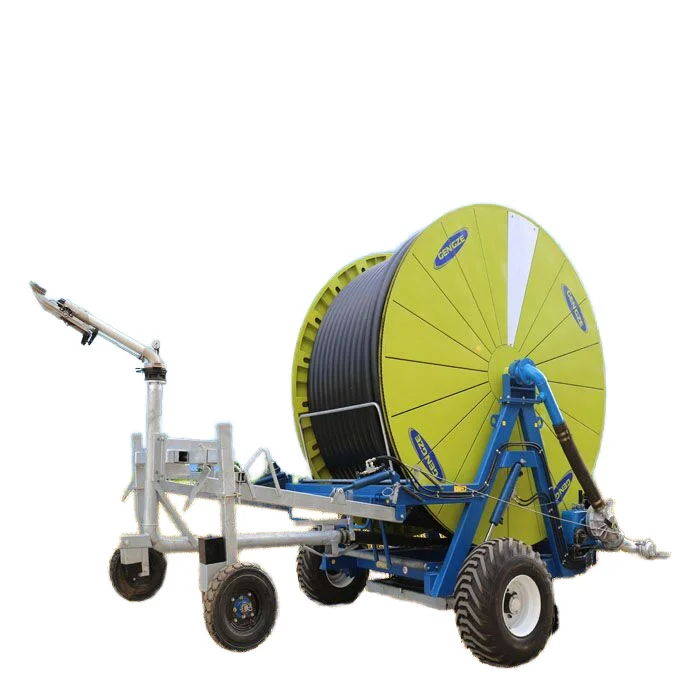
Traveling irrigation sprinkler reels are essential tools for efficient agricultural watering, allowing for precise application of water across large fields. As a purchasing manager or agricultural engineer, your main concerns likely revolve around selecting a reliable cost-effective solution that meets your operational needs. This article will guide you through key considerations when choosing a traveling irrigation sprinkler reel, helping you make informed decisions that enhance your irrigation efficiency.
Selecting the right traveling irrigation sprinkler reel involves understanding your specific agricultural needs and operational conditions. Factors such as field size, crop type, and water source play critical roles. For instance, if you are managing a large area, you may require a reel that can cover extensive distances without frequent repositioning. Additionally, consider the water pressure available, as some reels operate more efficiently at higher pressures. Another consideration is the type of irrigation system you currently have. Ensure compatibility with your existing equipment, whether it's a drip system traveling hose reel sprinkler or a standard sprinkler setup. Furthermore, examine the reel's portability; models equipped with wheels or tracks can facilitate easy movement across uneven terrain. Always consult with manufacturers like Dalian Gengze Agricultural Equipment Manufacturing Co., Ltd., which has years of experience in producing durable and efficient agricultural equipment.
When evaluating traveling irrigation sprinkler reels, pay attention to several key specifications:
Material: The construction material affects durability and resistance to environmental elements. Reels made from high-quality galvanized steel or corrosion-resistant materials can withstand harsh conditions.
Hose Length and Diameter: These factors impact the traveling irrigator coverage area and flow rate. A longer hose allows for greater reach, while a wider diameter increases water flow.
Drive Mechanism: Most reels employ either hydraulic or electric drives. Hydraulic systems are favored for their power and efficiency, particularly in larger applications.
Reel Capacity: Check the maximum hose capacity, which should align with your irrigation needs. A reel with adequate capacity minimizes downtime during irrigation cycles.
Weight: Heavier models may offer stability but can be challenging to maneuver. A balance between weight and ease of transport is essential.
Understanding these specifications will help you select a reel that not only fits your operational parameters but also enhances the efficiency of your irrigation system.
Proper installation is crucial for maximizing the effectiveness of your traveling irrigation sprinkler reel. Here are steps to ensure efficient use:
Site Assessment: Before installation, analyze the terrain and soil type. This will inform placement and potential adjustments needed for optimal operation.
Leveling the Reel: Ensure the reel is positioned on a stable and level surface. This prevents tipping during operation and ensures uniform water distribution.
Connecting to Water Source: Reliable connection to the water source is essential. Use appropriate fittings and check for leaks prior to starting the system.
Adjusting Settings: Before initial use, adjust the speed and pressure settings according to the manufacturer’s guidelines. This will help in achieving the desired coverage and efficiency.
Testing: Conduct a test run to ensure proper function. Observe the water distribution pattern and make adjustments as necessary to avoid over or under-watering specific areas.
Following these steps will lead to a more efficient and effective irrigation process.
While traveling irrigation sprinkler reels are generally reliable, issues can arise. Here are common problems and their solutions:
Pressure Loss: If you experience pressure loss during operation, check for clogs in the hose or fittings. Regular maintenance and cleaning can prevent this issue.
Uneven Water Distribution: This can occur if the reel is not set up correctly or if the best center pivot irrigation system hose has kinks. Ensure the reel is properly leveled and that the hose is free from obstructions.
Mechanical Failures: Components such as motors or drive belts may wear out over time. Regular inspections and timely replacement are crucial to avoid operational downtime.
Leaking Connections: Leaks at connection points can waste water and reduce efficiency. Tighten fittings and replace damaged hoses to ensure a secure seal.
Overheating: Electric-driven reels can overheat if they run for extended periods without breaks. Implement a schedule that allows for cool-down periods to prevent overheating.
By anticipating these issues and addressing them proactively, you can maintain optimal performance from your irrigation system.
When comparing various models of traveling irrigation sprinkler reels, consider the following criteria:
Performance Specifications: Look at flow rates, coverage areas, and pressure ratings. Models with higher flow rates may be more suitable for larger fields.
Durability Features: Assess the materials used and any additional protective features, such as coatings that enhance resistance to corrosion and wear.
User-Friendliness: Evaluate ease of setup and operation. Models with intuitive controls or automated features can save time and reduce the learning curve for operators.
After-Sales Support: Reliable manufacturers often provide comprehensive support services, including installation guidance and troubleshooting assistance. Check customer reviews and testimonials to gauge overall satisfaction.
Cost vs. Quality: While initial cost is a significant factor, consider the long-term value. A more expensive model may offer greater durability and efficiency, leading to lower operational costs over time.
By focusing on these aspects, you can make a well-rounded comparison that aligns with your specific irrigation needs and budget constraints.

Dalian Gengze Agricultural Equipment Manufacturing Co.,Ltd
Copyright © Dalian Gengze Agricultural Equipment Manufacturing Co.,Ltd All Rights Reserved | Blog | Privacy Policy
 EN