Requesting a Call:
Online Support
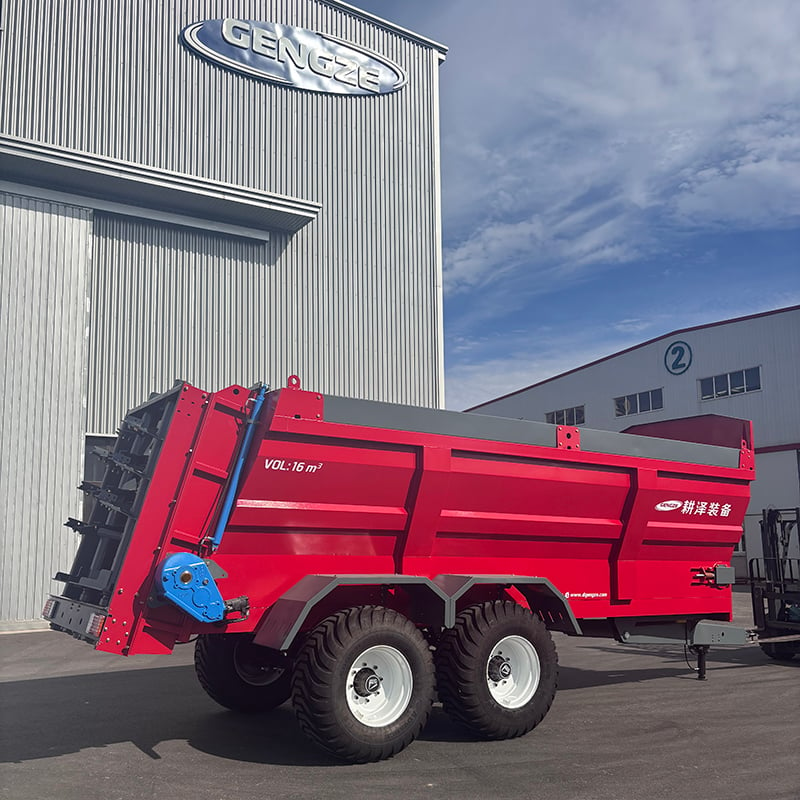
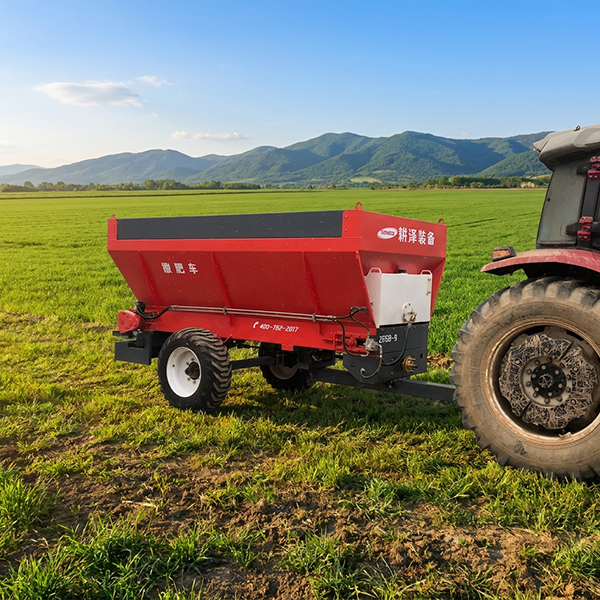
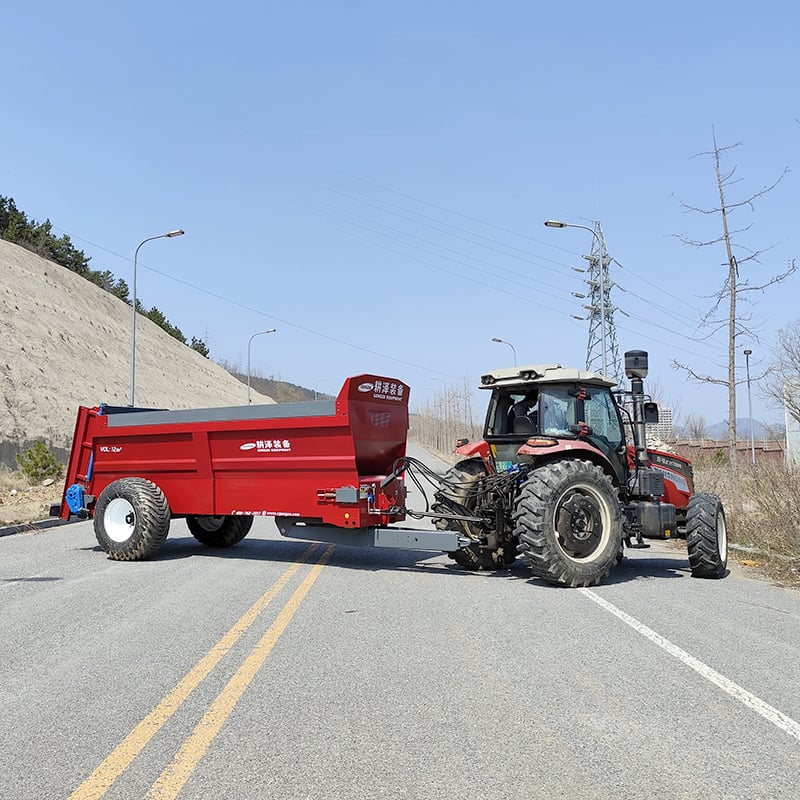
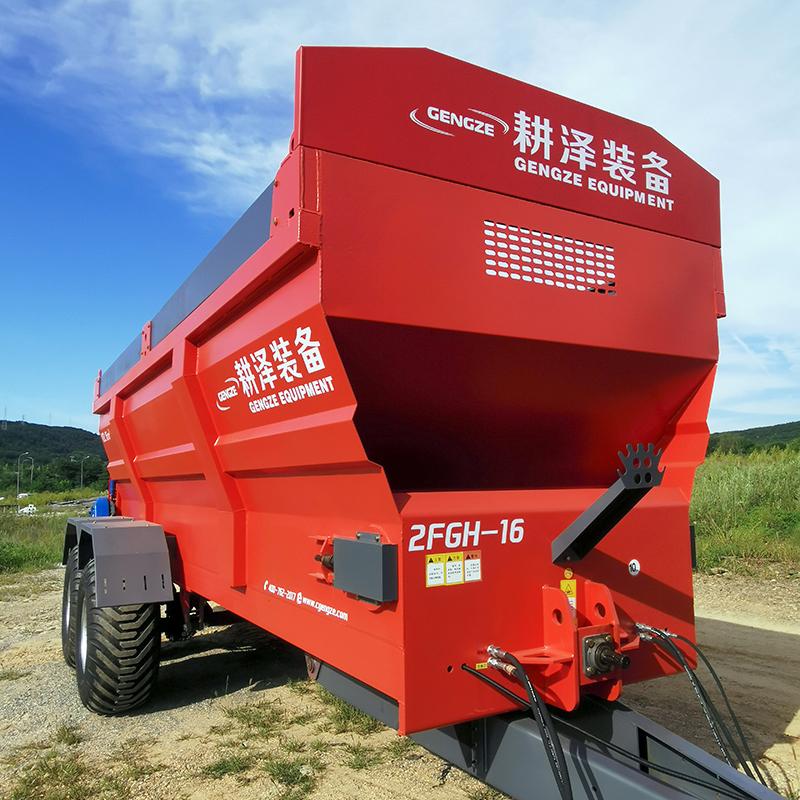
Vertical beater manure spreaders are essential agricultural tools designed to efficiently distribute manure across fields, enhancing soil fertility and promoting crop growth. For B2B buyers, understanding the specifications, quality evaluation, and common issues associated with these machines is crucial for making informed purchasing decisions. This article aims to provide insights into key specifications, quality evaluation methods, common problems, performance comparisons, and sourcing trusted suppliers for vertical beater manure spreaders.
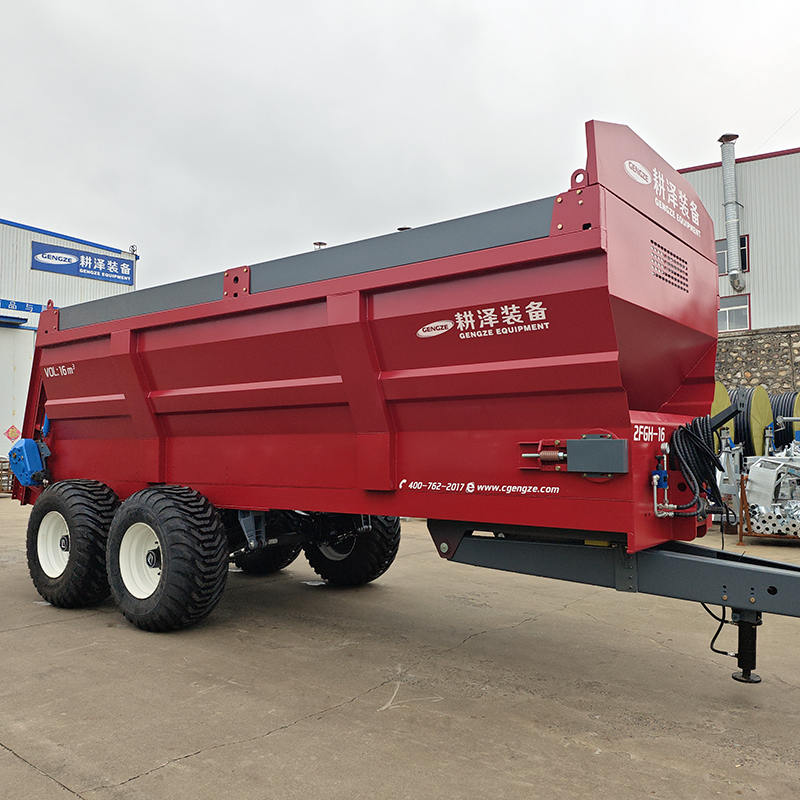
Vertical beater manure spreaders typically feature a unique design that maximizes mixing and distribution efficiency. Key specifications to consider include:
Capacity: The holding capacity of the spreader is critical, affecting how much manure can be transported in a single trip. This is usually measured in cubic feet or liters and should match the scale of your operations.
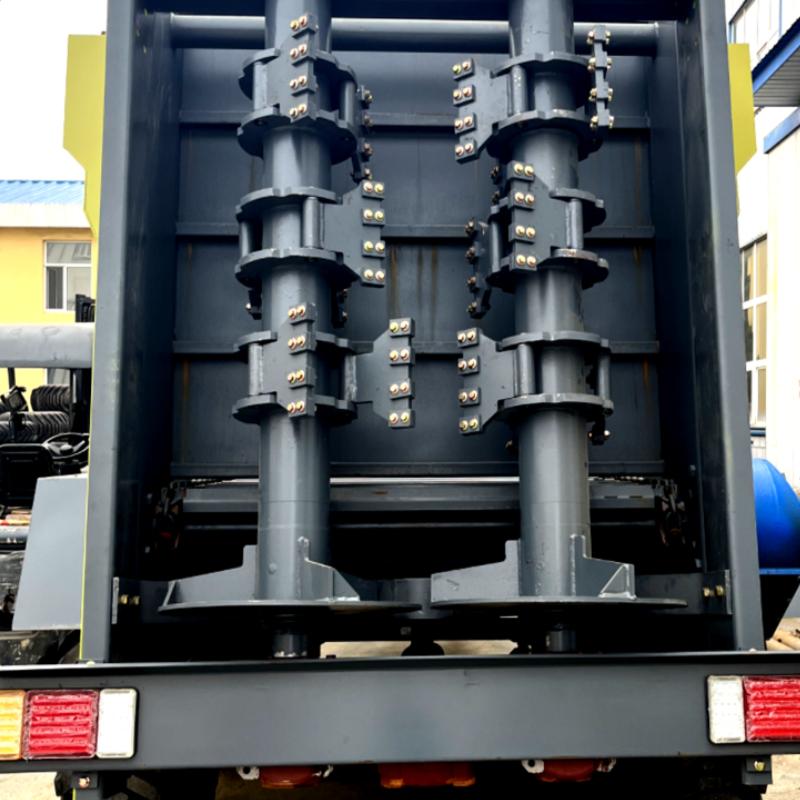
Beater Design: The vertical beater mechanism is designed to chop and mix manure thoroughly, ensuring even distribution. Buyers should evaluate the beater's material and construction for durability and resistance to wear.
Dimensions: The overall dimensions of the spreader, including width, height, and length, are important for compatibility with existing equipment and ease of maneuverability in various field conditions.
Material: The spreader's construction material, often high-strength steel or other corrosion-resistant alloys, influences its longevity and performance under harsh agricultural conditions.
Weight: The weight of the spreader affects its stability and the type of tractor needed for optimal operation. Ensure compatibility with your existing machinery.
Understanding these specifications helps buyers select a fertilizer spreader that meets their operational needs and budget constraints.
When considering bulk orders of vertical beater manure spreaders, quality evaluation becomes paramount. Here are essential factors to assess:
Manufacturing Standards: Look for manufacturers that adhere to international quality standards, such as ISO certifications. This indicates a commitment to consistency and quality control in the production process.
Material Integrity: Inspect the quality of materials used in construction, especially for critical components like the frame and beaters. High-quality, corrosion-resistant materials will prolong the lifespan of the spreader.
Performance Testing: Request performance test reports or certifications that demonstrate the spreader's effectiveness in real-world conditions. This might include testing for distribution accuracy and durability under various loads.
Customer Feedback: Seek testimonials or case studies from other buyers who have used the spreaders. Their insights can provide valuable information about long-term performance and reliability.
After-Sales Support: Evaluate the manufacturer's customer service and support options. Reliable support for maintenance and parts replacement is crucial for minimizing downtime during peak operational periods.
By thoroughly assessing these factors, buyers can mitigate risks associated with bulk purchases and ensure they are investing in high-quality equipment.
Despite their robust design, Gengze vertical beater manure spreaders can encounter common issues. Understanding these problems and their solutions can help maintain efficiency:
Clogging: Manure can sometimes clog the beater mechanism, especially if it contains large, solid pieces. Regular maintenance, including cleaning and ensuring the manure is adequately chopped before loading, can prevent this issue.
Wear and Tear: Frequent use can lead to wear on the beaters and other moving parts. Regular inspections and timely replacement of worn components are essential to ensure optimal performance.
Uneven Distribution: If the compost spreaders does not evenly distribute manure, it could be due to improper calibration or mechanical issues. Buyers should regularly check the calibration settings and inspect for any mechanical failures that may impede performance.
Hydraulic Issues: Problems with hydraulic systems can lead to operational failures. Regularly checking fluid levels and maintaining hydraulic components will help ensure smooth operation.
By being aware of these potential issues and their solutions, buyers can optimize the performance of their manure spreaders and reduce downtime.
When selecting a Gengze vertical beater manure spreader, comparing different models based on performance metrics is crucial. Here are some factors to consider:
Operational Efficiency: Evaluate the spreader's operational efficiency, including the time taken for loading, transport, and distribution. Models that allow for quicker loading and distribution can save valuable time during peak seasons.
Maintenance Requirements: Assess the ease of maintenance for each model. Spreaders designed with accessible components and fewer complex parts will generally reduce maintenance time and costs.
User Experience: Consider feedback from actual users regarding the ease of operation and comfort. Features like adjustable controls and ergonomic designs can significantly impact user efficiency.
Cost of Ownership: Beyond the initial purchase price, consider the total cost of ownership, which includes maintenance, repair, and operational costs over the equipment's lifespan.
Customization Options: Some manufacturers offer customization options to tailor the agriculture fertilizer spreader to specific operational needs. Evaluate whether customization could enhance performance for your particular application.
By analyzing these performance factors, buyers can make informed decisions that align with their operational goals.
Finding reliable suppliers for vertical beater manure spreaders is essential for ensuring quality and service. Here are effective strategies for sourcing trusted suppliers:
Industry Associations: Joining agricultural industry associations can provide access to a network of reputable manufacturers and suppliers. These associations often have directories or resources that list qualified companies.
Trade Shows and Expos: Attending agricultural trade shows and expos allows buyers to see equipment firsthand, interact with manufacturers, and assess their offerings in real-time. This can also facilitate discussions about customization and support services.
Online Platforms: Utilize online B2B marketplaces and platforms that specialize in agricultural equipment. These platforms often include reviews, ratings, and detailed product listings to help in supplier evaluation.
Recommendations: Seek recommendations from fellow farmers or agricultural professionals who have experience with specific brands or models. Their firsthand insights can guide your search for reliable suppliers.
Direct Manufacturer Contact: Establishing direct contact with manufacturers, such as Dalian Gengze Agricultural Equipment Manufacturing Co., Ltd, known for their expertise in agricultural equipment, can lead to fruitful partnerships. Inquire about their production capabilities, quality control practices, and after-sales service to gauge their reliability.
By employing these strategies, buyers can identify suppliers that align with their quality and support expectations, ensuring a successful procurement process.

Dalian Gengze Agricultural Equipment Manufacturing Co.,Ltd
Copyright © Dalian Gengze Agricultural Equipment Manufacturing Co.,Ltd All Rights Reserved | Blog | Privacy Policy
 EN