कॉल के लिए अनुरोध:
ऑनलाइन सपोर्ट

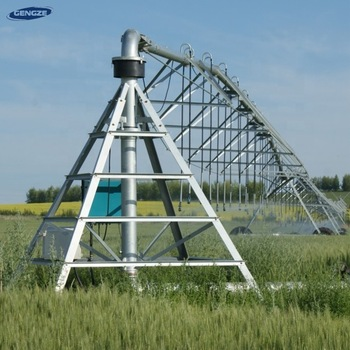
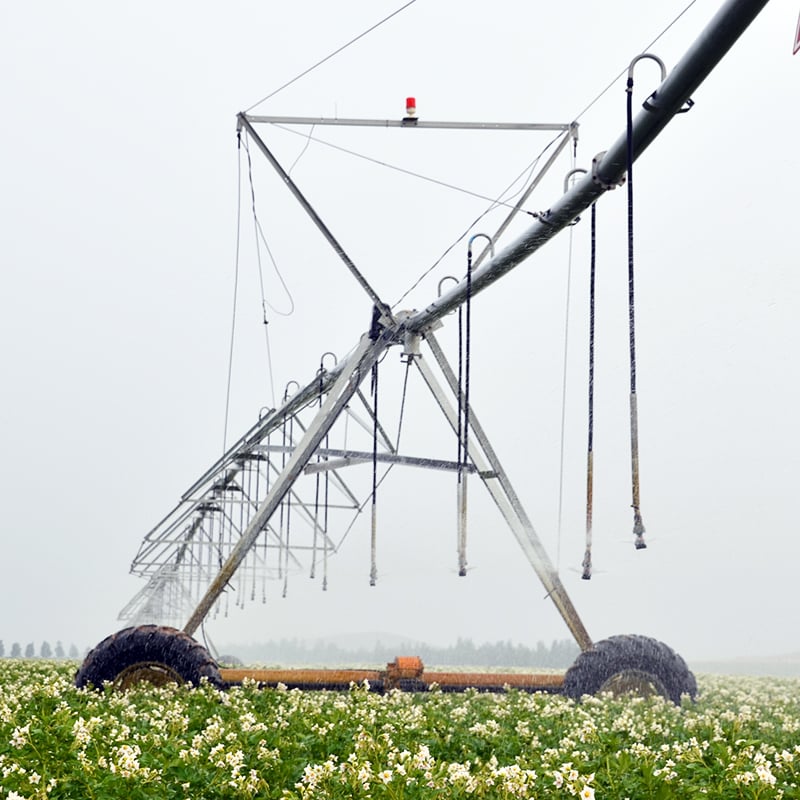
वैश्विक जलवायु परिवर्तन के तीव्रता में वृद्धि, जल संकट की प्रमुख समस्या और बड़े पैमाने पर कृषि विकास की मांग में वृद्धि से सिंचाई उपकरण उद्योग वैश्विक नवाचार की एक महत्वपूर्ण अवस्था में प्रवेश कर रहा है। 2026 में, इंटरनेट ऑफ थिंग्स (IoT) और कृत्रिम बुद्धिमत्ता (AI) जैसी तकनीकों के गहन प्रवेश के साथ-साथ अंतरराष्ट्रीय कृषि सहयोग की निरंतर गहराई के कारण, स्प्रिंकलर सिंचाई मशीन उद्योग अब केवल एकल उपकरण के तकनीकी अद्यतन तक सीमित नहीं है। इसके बजाय, यह समानांतर बुद्धिमान एकीकरण, हरित एवं निम्न-कार्बन विकास, स्थानीय अनुकूलन और वैश्विक सहयोग के विविध विकास के रुझान को दर्शा रहा है, जो वैश्विक कृषि के सतत विकास में नई ऊर्जा का संचार कर रहा है। एशिया के बुद्धिमान फार्मों से लेकर अफ्रीका के जल-बचत सिंचाई क्षेत्रों तक, यूरोप के हरित कृषि आधारों से लेकर अमेरिका के बड़े पैमाने के कृषि भूमि तक, स्प्रिंकलर सिंचाई मशीन अधिक कुशल, सटीक और अनुकूलनशील ढंग से वैश्विक सिंचाई प्रारूप को आकार दे रहे हैं।
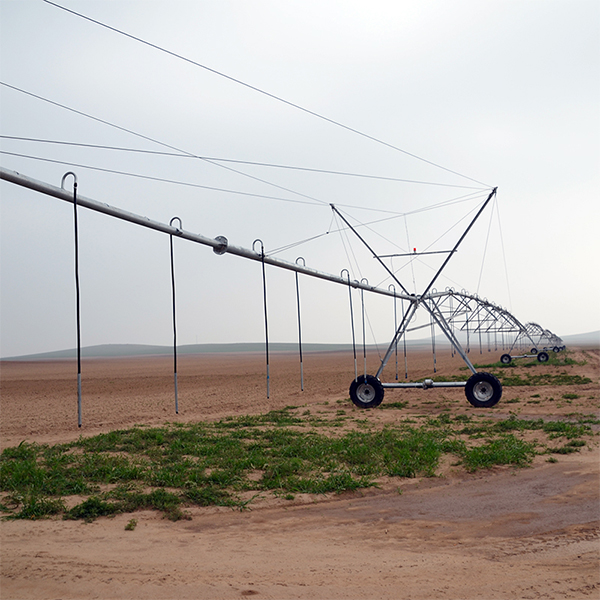
I. प्रौद्योगिकी का वैश्विक एकीकरण: बुद्धिमत्तापूर्ण अपग्रेडिंग "अवधारण-निर्णय-निष्पादन" के बंद चक्र की ओर अग्रसर
2026 में, स्प्रिंकलर सिंचाई मशीनों का बुद्धिमत्तापूर्ण अपग्रेडिंग अब केवल एकल कार्य का अतिरिक्त जोड़ नहीं रह गया है, बल्कि वैश्विक कृषि डेटा साझाकरण के आधार पर एक पूर्ण-लिंक बुद्धिमत्तापूर्ण बंद चक्र का निर्माण है। एक ओर, उच्च-सटीकता अवधारण प्रौद्योगिकी ने वैश्विक स्तर पर अनुकूलन प्राप्त कर लिया है। स्प्रिंकलर सिंचाई उपकरण जिसमें बीडू और GPS दोहरी प्रणाली स्थिति-निर्धारण एकीकृत है, विभिन्न अक्षांशों और भूभागों के कृषि भूमि में सेंटीमीटर-स्तर की सटीकता प्राप्त कर सकता है।
उन्नत मृदा तापमान और आर्द्रता सेंसरों तथा फसल विकास निगरानी सेंसरों के साथ लैस, यह विभिन्न क्षेत्रों में फसलों की जल आवश्यकता के नियमों को सटीक रूप से पकड़ सकता है। उदाहरण के लिए, XAG द्वारा लॉन्च की गई 2026 की बुद्धिमत्तापूर्ण जल एवं उर्वरक प्रबंधन प्रणाली, वास्तविक समय में 1.5% के भीतर नियंत्रित त्रुटि के साथ जल दबाव डेटा को वापस प्रस्तुत करने हेतु उच्च-सटीकता वाले वायु दबाव सेंसरों को एकीकृत करती है। बादल-आधारित फसल जल आवश्यकता मॉडल के साथ संयोजन में, यह उत्तर-पूर्वी चीन के मक्का के खेतों से लेकर दक्षिण-पूर्वी एशिया के उष्णकटिबंधीय बागानों तक विभिन्न सिंचाई आवश्यकताओं के अनुकूल स्वचालित रूप से ढाल सकती है।
दूसरी ओर, कृत्रिम बुद्धिमत्ता और बड़े डेटा तकनीकों के वैश्विक अनुप्रयोग ने स्प्रिंकलर सिंचाई मशीनों को अंतर-क्षेत्रीय अनुकूलन क्षमता प्रदान की है। दुनिया भर के विभिन्न क्षेत्रों से मौसम संबंधी डेटा, मिट्टी के डेटा और फसल विकास डेटा को एकीकृत करके, बुद्धिमान स्प्रिंकलर सिंचाई प्रणाली सिंचाई योजनाओं के गतिशील अनुकूलन और सटीक भविष्यवाणी को साकार कर सकती है। उदाहरण के लिए, यूरोप के वर्षा वाले क्षेत्रों में, प्रणाली स्वचालित रूप से सिंचाई की आवृत्ति को कम कर सकती है; अफ्रीका के शुष्क क्षेत्रों में, यह जल संसाधनों के उपयोग दर को अधिकतम करने के लिए फसल जल आवश्यकता भविष्यवाणी के माध्यम से सिंचाई चक्र की पूर्व योजना बना सकती है। तकनीक के इस वैश्विक एकीकरण के रुझान ने क्षेत्रों और फसल प्रकारों की सीमाओं को तोड़ दिया है, जिससे उन्नत सिंचाई तकनीकें दुनिया भर के विभिन्न पैमाने के किसानों को लाभ पहुँचा रही हैं।
II. वैश्विक हरित एवं न्यून-कार्बन विकास: नई ऊर्जा संचालन एवं परिपत्र डिज़ाइन उद्योग के सम्मति में बदल गए हैं
वैश्विक "ड्यूल कार्बन" लक्ष्यों के चलते, 2026 में स्प्रिंकलर सिंचाई मशीन उद्योग के हरित और निम्न-कार्बन परिवर्तन में वैश्विक सहयोगात्मक विकास की प्रवृत्ति देखी जा रही है। नए ऊर्जा संचालन बड़े पैमाने पर स्प्रिंकलर सिंचाई उपकरणों के मुख्यधारा संरचना बन गया है। सौर ऊर्जा, पवन ऊर्जा और पारंपरिक शक्ति के संकर संचालन प्रणालियों का विश्व स्तर पर व्यापक रूप से उपयोग किया जा रहा है। विशेष रूप से अफ्रीका और मध्य पूर्व जैसे ऊर्जा की कमी वाले लेकिन सूर्य के प्रकाश से समृद्ध क्षेत्रों में, सौर ऊर्जा से चलने वाली स्प्रिंकलर सिंचाई मशीनों का प्रवेश दर महत्वपूर्ण रूप से बढ़ गया है। ऐसे उपकरण फोटोवोल्टिक पैनलों के माध्यम से सौर ऊर्जा एकत्र करते हैं और इसे विद्युत ऊर्जा में परिवर्तित कर स्प्रिंकलर सिंचाई मशीनों की चालन और सिंचाई आवश्यकताओं को पूरा करते हैं, जो न केवल खेती लागत को कम करता है बल्कि जीवाश्म ऊर्जा की खपत के कारण होने वाले कार्बन उत्सर्जन को भी कम करता है।
1. उत्पाद डिजाइन में परिपत्र अर्थव्यवस्था अवधारणा का गहन एकीकरण
प्रमुख वैश्विक स्प्रिंकलर सिंचाई मशीन निर्माता उपकरण घटकों के निर्माण के लिए क्रमशः पुनर्चक्रित सामग्री को अपना रहे हैं और बाद के रखरखाव, अपग्रेड और घटकों के प्रतिस्थापन की सुविधा के लिए मॉड्यूलर डिज़ाइन लागू कर रहे हैं, जिससे उपकरण के सेवा जीवन को बढ़ाया जा सके। उदाहरण के लिए, इज़राइल की नेटाफिम अपने वैश्विक उत्पादन आधारों में लीन उत्पादन मॉडल लागू करती है, उच्च-गुणवत्ता वाली पुनर्चक्रित कच्ची सामग्री का उपयोग ड्रिप सिंचाई एमिटर और पाइपलाइनों के निर्माण में करती है, और संसाधनों के परिपत्र उपयोग को साकार करने के लिए एक वैश्विक घटक पुनर्चक्रण नेटवर्क स्थापित करती है। यह परिपत्र डिज़ाइन अवधारणा न केवल उद्यमों की उत्पादन और संचालन लागत को कम करती है, बल्कि वैश्विक कृषि सतत विकास की आवश्यकताओं के अनुरूप है, और दुनिया भर की सरकारों और किसानों द्वारा व्यापक रूप से मान्यता प्राप्त है।
2. जल-बचत तकनीक और कार्बन उत्सर्जन में कमी का सहकारी विकास
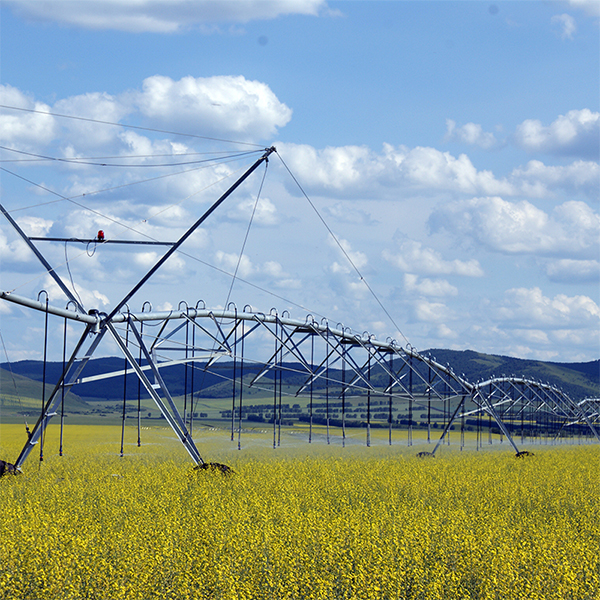
2026 में, स्प्रिंकलर सिंचाई मशीनों के जल-बचत प्रदर्शन और कार्बन उत्सर्जन में कमी के लाभ सहसंयोजित सुधार प्रभाव बनाएंगे। स्प्रिंकलर हेड के डिज़ाइन को अनुकूलित करने और 2 से 100 लीटर/घंटा तक निरंतर रूप से समायोज्य प्रवाह दर वाले नए प्रकार के स्प्रिंकलर हेड अपनाने से पानी के छिड़काव को अधिक समान रूप से परमाणुकृत किया जा सकता है, जिससे जल वाष्पीकरण और क्षरण में कमी आती है, जल संसाधनों के उपयोग की दक्षता में सुधार होता है और सिंचाई के दौरान ऊर्जा की खपत कम होती है। परीक्षण आंकड़े दिखाते हैं कि पारंपरिक बाढ़ सिंचाई की तुलना में, बुद्धिमान स्प्रिंकलर सिंचाई उपकरण जल का 25% से अधिक बचत कर सकते हैं, और इसके अनुरूप कार्बन उत्सर्जन में लगभग 30% की कमी आ सकती है। "जल बचत, कार्बन कमी" के इस सहसंयोजित प्रभाव ने स्प्रिंकलर सिंचाई मशीनों को वैश्विक कम-कार्बन कृषि के लिए मुख्य उपकरणों में से एक बनने में सहायता की है।
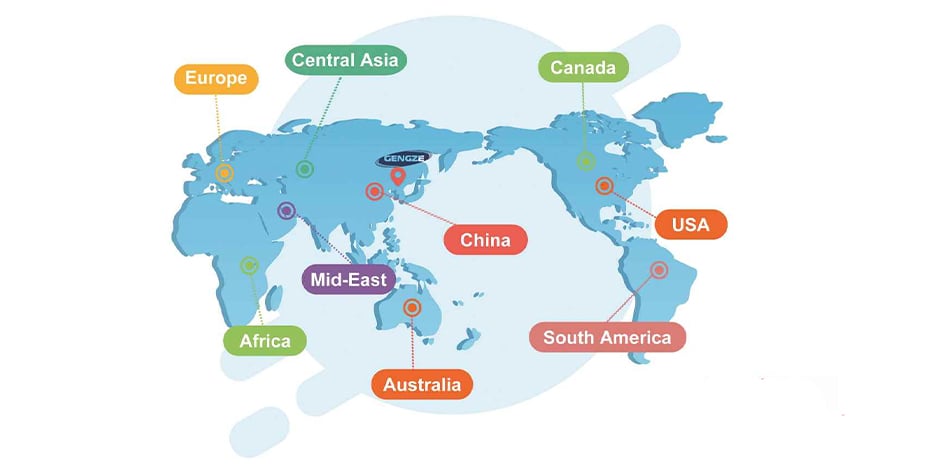
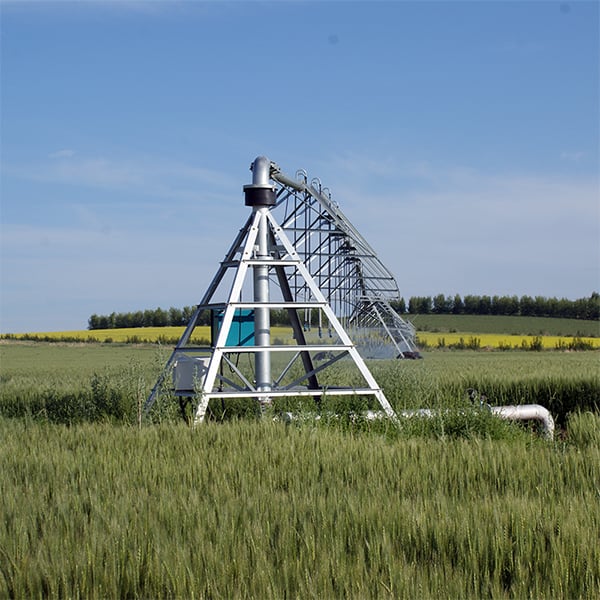
वैश्विक कृषि बाजार के गहन एकीकरण के साथ, 2026 में स्प्रिंकलर सिंचाई मशीन उद्योग की वैश्विक व्यवस्था "स्थानीय उत्पादन + क्षेत्रीय अनुकूलन" की एक नई विशेषता प्रस्तुत करती है। अंतरराष्ट्रीय स्प्रिंकलर सिंचाई मशीन उद्यम प्रमुख बाजारों में उत्पादन आधार स्थापित करने के लिए आपूर्ति चक्र को कम करने, लॉजिस्टिक लागत कम करने और क्षेत्रीय बुआई विशेषताओं के अनुसार अनुकूलित उत्पादों के लिए आगे आए हैं।
निष्कर्ष
2026 में स्प्रिंकलर सिंचाई मशीन उद्योग के वैश्विक विकास का रुझान तकनीकी नवाचार, हरित परिवर्तन और बाजार एकीकरण की संयुक्त क्रिया का परिणाम है। बुद्धिमत्तापूर्ण अपग्रेडिंग सिंचाई को अधिक सटीक और कुशल बनाता है, हरित निम्न-कार्बन वैश्विक सतत विकास की अवधारणा के अनुरूप है, जबकि स्थानीयकृत अनुकूलन और वैश्विक सहयोग क्षेत्रीय बाधाओं को तोड़ते हैं, जिससे स्प्रिंकलर सिंचाई तकनीक वैश्विक कृषि को जोड़ने वाली एक महत्वपूर्ण कड़ी बन जाती है। अंतरराष्ट्रीय दिग्गजों के स्थानीय स्तर पर विस्तार से लेकर उभरते उद्यमों के विदेशी उदय तक, तकनीकी सहयोगपूर्ण अनुसंधान और विकास से लेकर उद्योग श्रृंखला के सह-निर्माण और साझाकरण तक, स्प्रिंकलर सिंचाई मशीन उद्योग जल-बचत, बुद्धिमत्तापूर्ण और निम्न-कार्बन विकास की ओर वैश्विक कृषि के परिवर्तन को एक नए ढंग से बढ़ावा दे रहा है। भविष्य में, वैश्विक सहयोग के निरंतर गहराते रहने के साथ, स्प्रिंकलर सिंचाई मशीनें वैश्विक खाद्य सुरक्षा सुनिश्चित करने, जलवायु परिवर्तन का सामना करने और सतत कृषि विकास को साकार करने में अधिक महत्वपूर्ण भूमिका निभाएंगी।
 ताज़ा समाचार
2026-09-03
2026-08-28
2026-08-25
2026-08-21
2026-08-18
2026-08-13

डालियान गेंग्जे कृषि उपकरण निर्माण कंपनी, लिमिटेड
कॉपीराइट © डालियान गेंगज़े कृषि उपकरण विनिर्माण कं, लिमिटेड सभी अधिकार सुरक्षित | ब्लॉग|गोपनीयता नीति
 EN
EN