Requesting a Call:
Online Support
A solar water irrigation system harnesses solar energy to provide a sustainable solution for agricultural watering needs. As B2B buyers, particularly purchasing managers and agricultural engineers, seek efficient and cost-effective irrigation hose reel solutions, understanding the specifications and quality factors of these systems becomes crucial. This article will guide you through the essential aspects of solar water irrigation systems, helping you make informed decisions when sourcing from manufacturers like Dalian Gengze Agricultural Equipment Manufacturing Co., Ltd.
When evaluating solar water irrigation systems, buyers must consider several key specifications that influence performance and suitability for specific applications.
Solar Panel Capacity: Measured in watts, the capacity determines how much energy the system can generate. Higher wattage panels can power larger systems or provide greater efficiency, especially in areas with lower sunlight exposure.
Pump Type and Flow Rate: The type of pump (submersible vs. surface) affects how water is drawn from the source. Flow rate, measured in liters per minute (L/min), indicates how quickly water can be delivered to crops. Buyers should assess their irrigation needs to select the right pump type and flow rate.
Battery Storage: Many solar systems include batteries to store energy for use during non-sunny periods. The battery capacity, typically measured in amp-hours (Ah), should be sufficient to meet the irrigation requirements during low sunlight.
System Integration: Compatibility with existing irrigation infrastructure is crucial. Buyers must ensure that new systems can seamlessly integrate with current setups or that adjustments can be made without extensive modifications.
Understanding these specifications will enable buyers to evaluate products effectively and ensure they meet their specific agricultural needs.
Quality evaluation is critical when sourcing solar water irrigation systems for wholesale. Here are key factors to consider:
Material Durability: Components of the system, including solar panels, pumps, and piping, should be made from high-quality, weather-resistant materials. This ensures longevity and performance in various environmental conditions.
Manufacturing Standards: Look for manufacturers that adhere to international quality standards, such as ISO certifications. These certifications demonstrate a commitment to quality control processes and consistency in production.
Performance Testing: Reliable suppliers should offer documented performance testing results. This includes efficiency ratings for solar panels and pumps, which help assess the system's effectiveness under different conditions.
Warranty and Support: A good warranty reflects the manufacturer’s confidence in their product. Ensure that the warranty covers essential components and that customer support is available for troubleshooting and maintenance.
By focusing on these quality indicators, buyers can make informed decisions and reduce the risk of sourcing subpar products.
The total cost of a solar water irrigation system extends beyond the initial purchase price. Consider the following cost factors when evaluating suppliers:
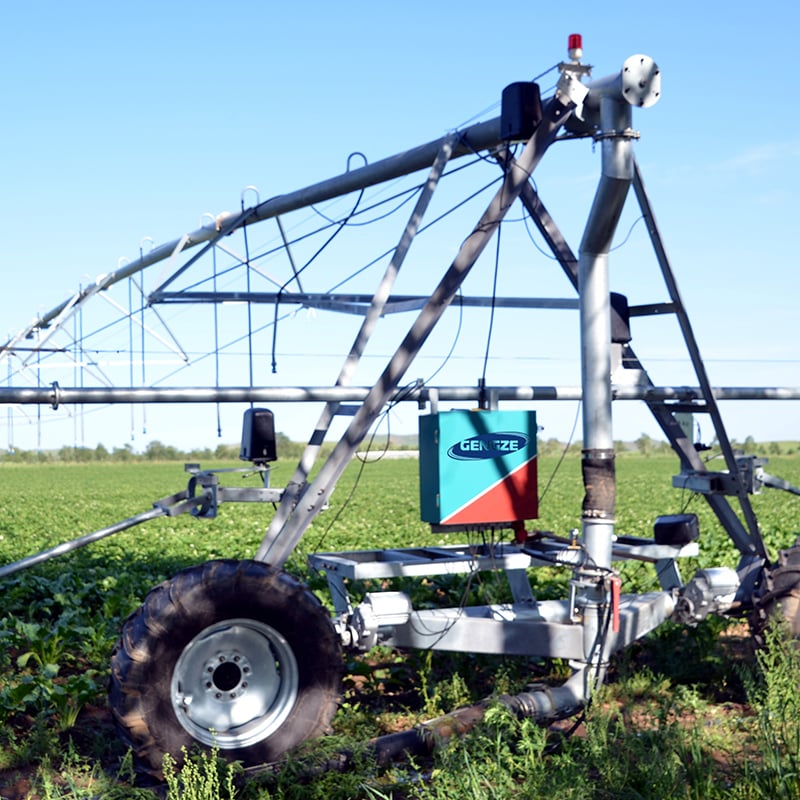
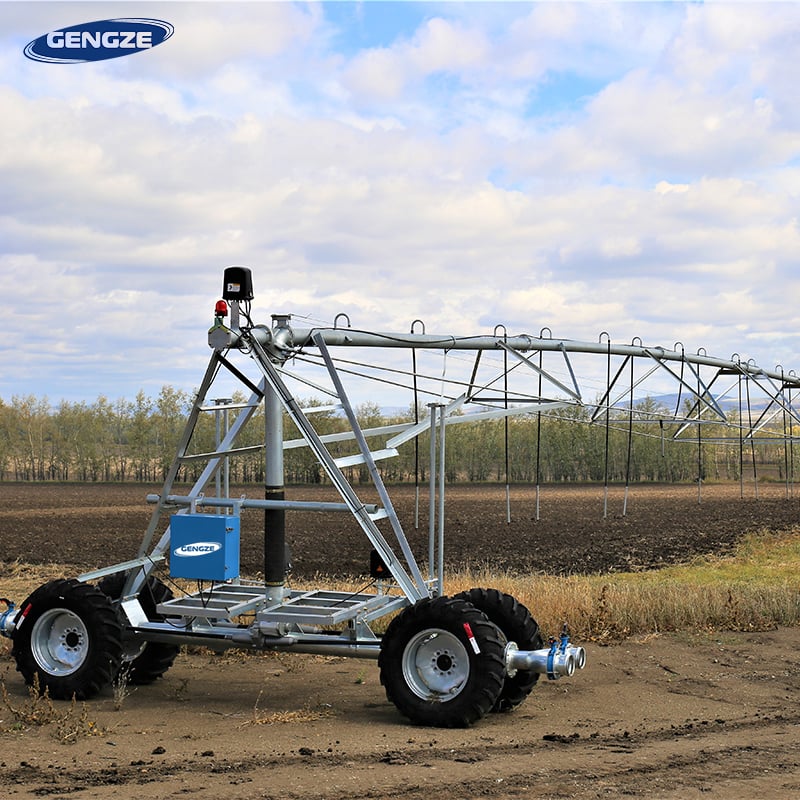
Initial Investment vs. Long-Term Savings: While Gengze center pivot and linear move irrigation may require higher upfront costs compared to conventional systems, they often lead to significant savings on energy bills and maintenance over time. Analyzing the total cost of ownership is essential for a comprehensive understanding.
Shipping and Installation: Account for shipping costs, especially if sourcing from international suppliers. Additionally, consider installation costs, which can vary based on the complexity of the system and local labor rates.
Customization Options: Custom solutions can lead to increased costs but may be necessary to meet specific agricultural needs. Discuss customization capabilities with suppliers to understand the potential impact on pricing.
Maintenance and Parts Replacement: Inquire about the expected maintenance costs and the availability of replacement parts. Systems that are easier to maintain can save costs in the long run.
By considering these cost factors, buyers can better evaluate their options and budget accordingly.
When sourcing solar water irrigation systems, several critical attributes should guide your decision-making process:
Efficiency Ratings: Look for systems that provide clear efficiency ratings. A more efficient system will yield better performance and lower operational costs.
Installation Flexibility: Systems that offer flexible installation options can adapt to various agricultural setups, enhancing usability and effectiveness.
Scalability: As farming operations grow, the irrigation system should be scalable. Ensure that the system can be upgraded or expanded to meet increasing demands.
User-Friendly Controls: Digital controls that provide ease of use and monitoring capabilities can significantly improve operational efficiency and help manage irrigation schedules effectively.
Supplier Track Record: Research the reputation of the supplier. A manufacturer with a history of reliability, such as Dalian Gengze Agricultural Equipment Manufacturing Co., Ltd, can provide peace of mind regarding product quality and support.
By focusing on these elements, buyers can ensure they select a solar water irrigation system that meets their operational needs effectively.
Reliability in suppliers is paramount when sourcing solar water irrigation systems. Here’s why:
Consistent Quality: A reliable supplier, such as Dalian Gengze, offers consistent quality in their best center pivot irrigation system, ensuring that the systems perform as expected over time.
Timely Deliveries: Dependable suppliers maintain efficient production and delivery schedules, which is crucial for farmers who need to implement irrigation solutions in a timely manner.
Technical Support: A trustworthy supplier provides ongoing technical support and maintenance services, ensuring that any issues can be addressed quickly to minimize downtime.
Feedback and Adaptation: Established suppliers often listen to customer feedback and adapt their products accordingly. This responsiveness can lead to improvements in product design and functionality, benefiting buyers in the long run.
Export Experience: Suppliers with experience in international markets understand the complexities of shipping and compliance, reducing potential delays and complications.
Choosing a reliable supplier is essential for ensuring that the solar water irrigation systems meet operational needs and performance expectations.
understanding the specifications, quality indicators, cost factors, and the importance of supplier reliability is crucial for B2B buyers looking to invest in solar water irrigation systems. By applying this knowledge, purchasing managers and agricultural engineers can make informed decisions that align with their operational goals.
Dalian Gengze Agricultural Equipment Manufacturing Co.,Ltd
Copyright © Dalian Gengze Agricultural Equipment Manufacturing Co.,Ltd All Rights Reserved | Blog | Privacy Policy
 EN