 EN
EN
400m linear move Irrigation System
Efficient, Intelligent Irrigation Solution for Large-Scale Agricultural & Green Space Applications
- Overview
- Related Products
Description
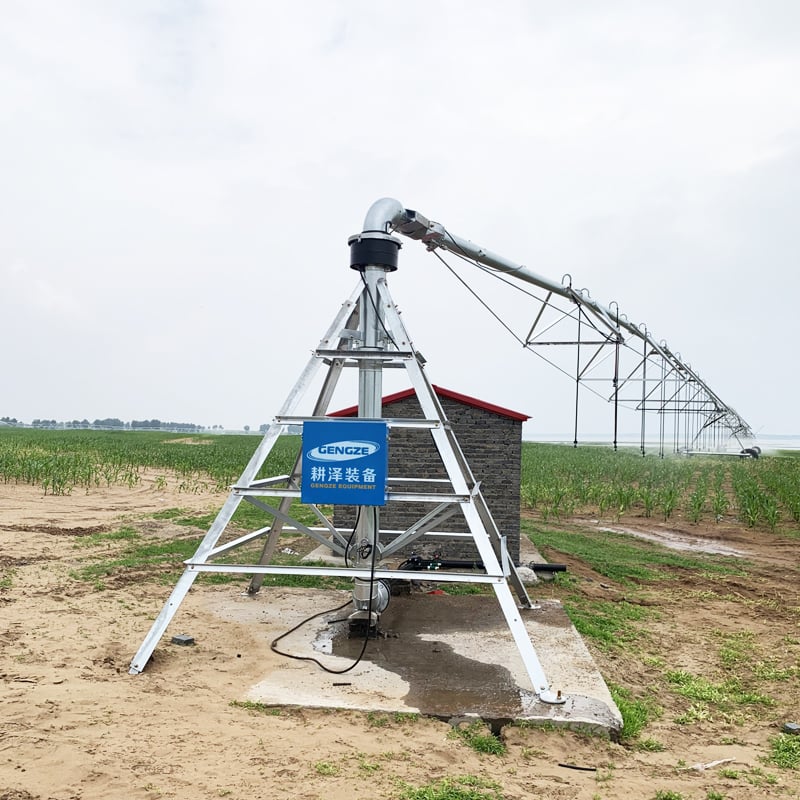
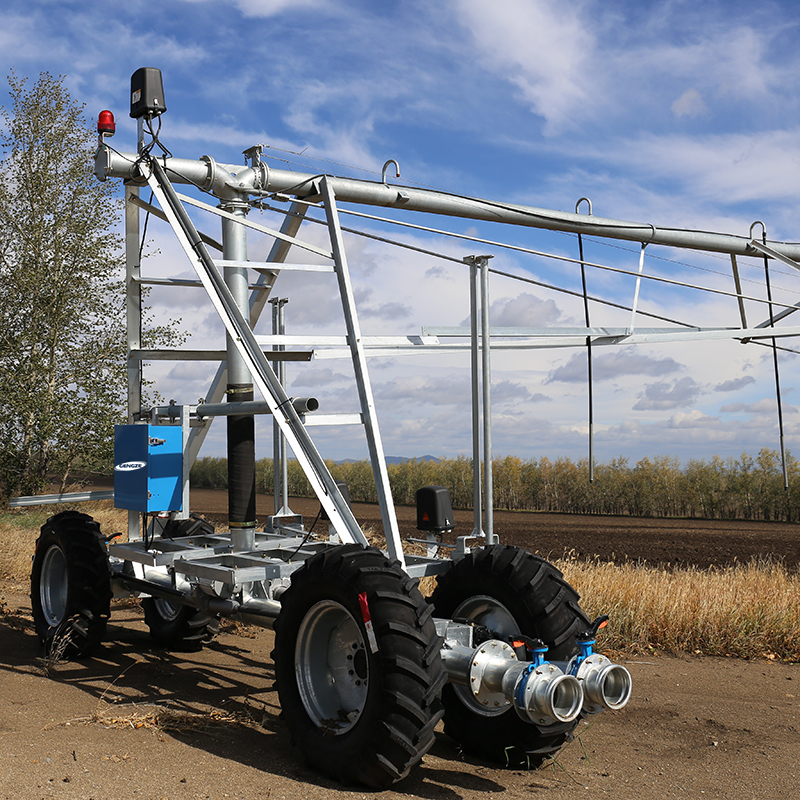
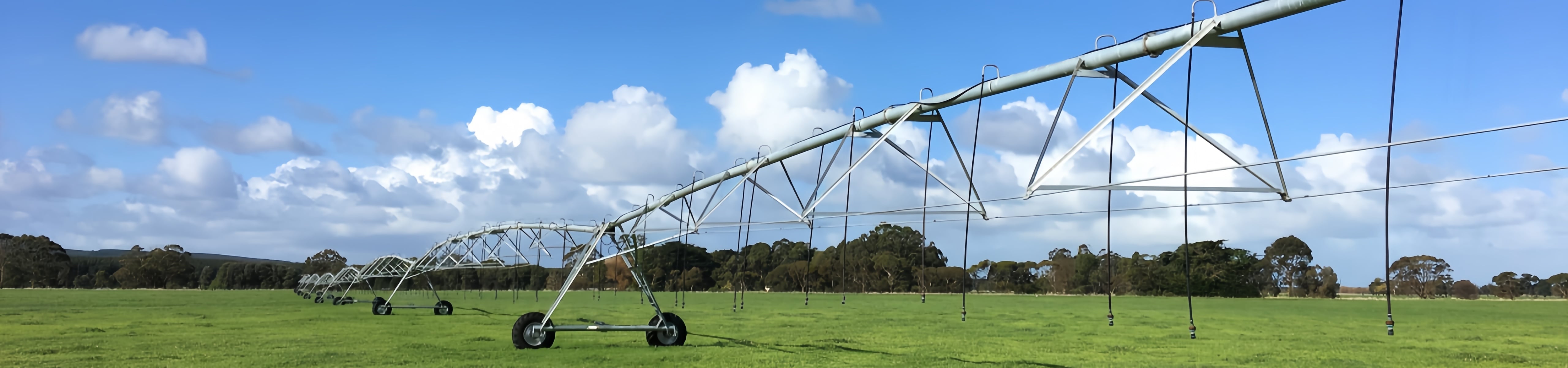
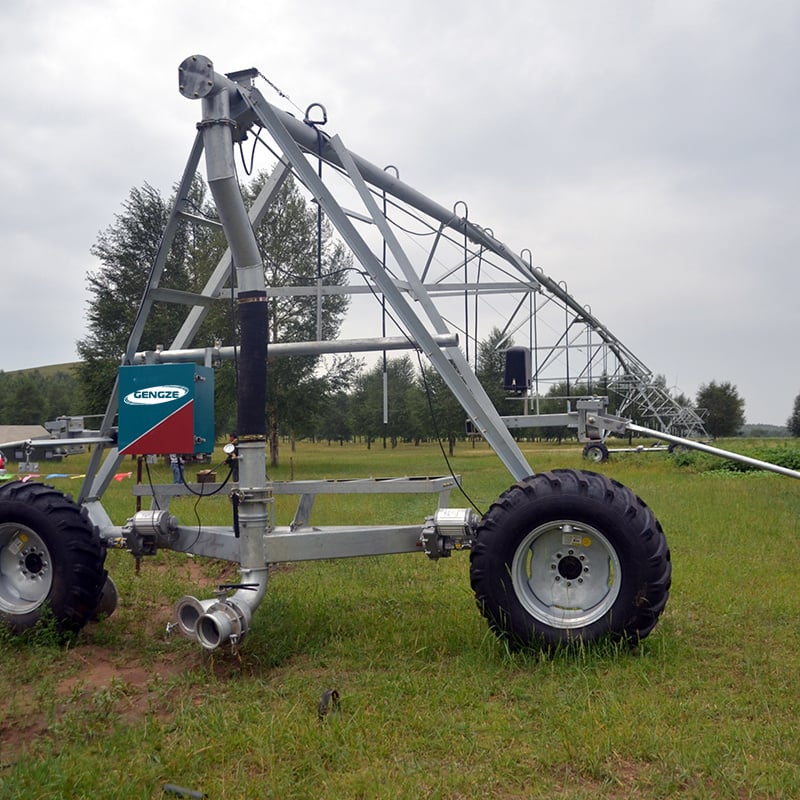
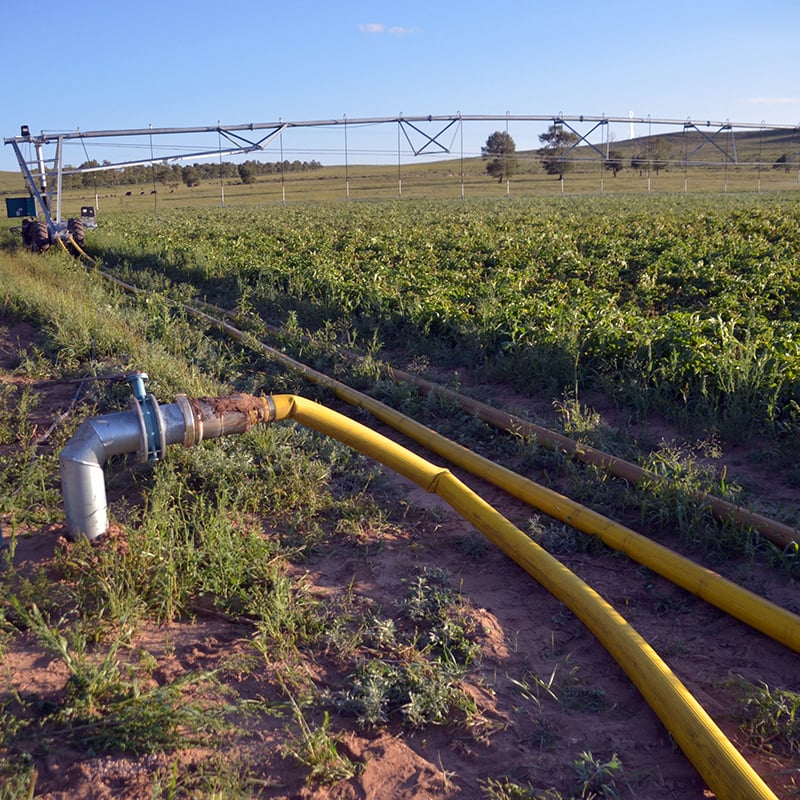
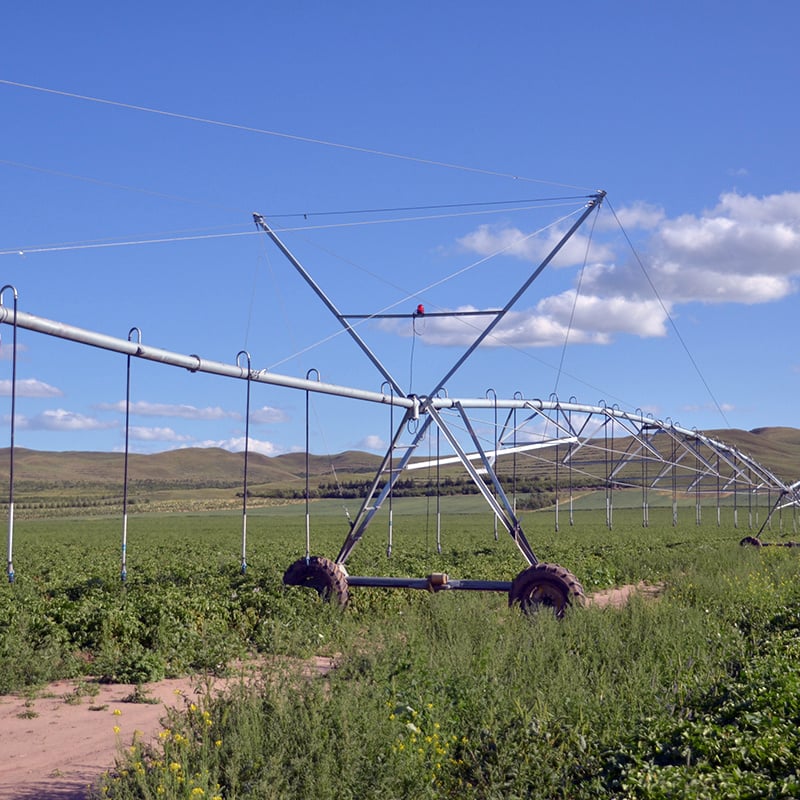
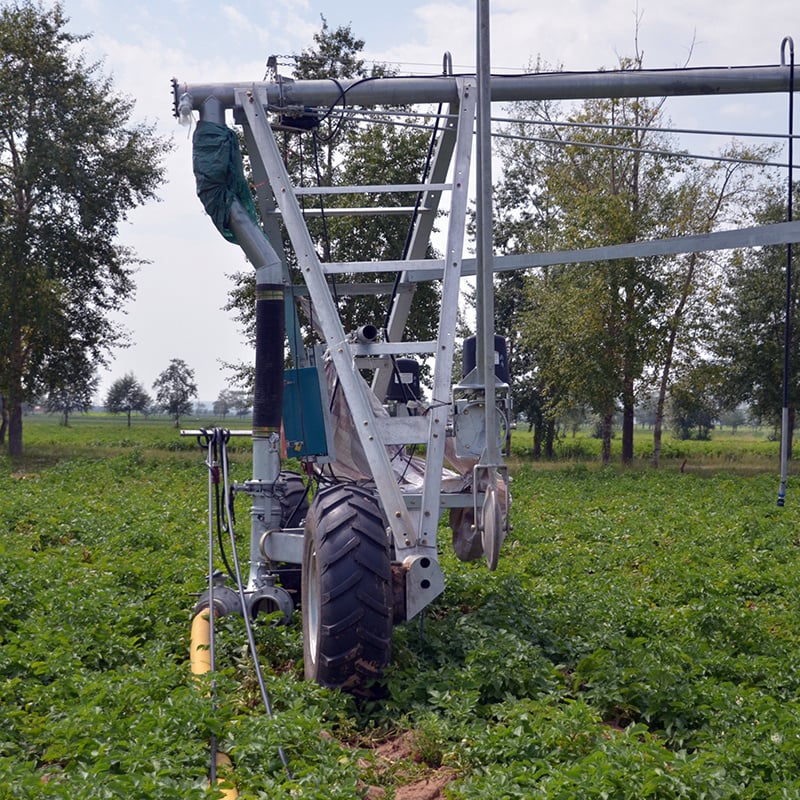
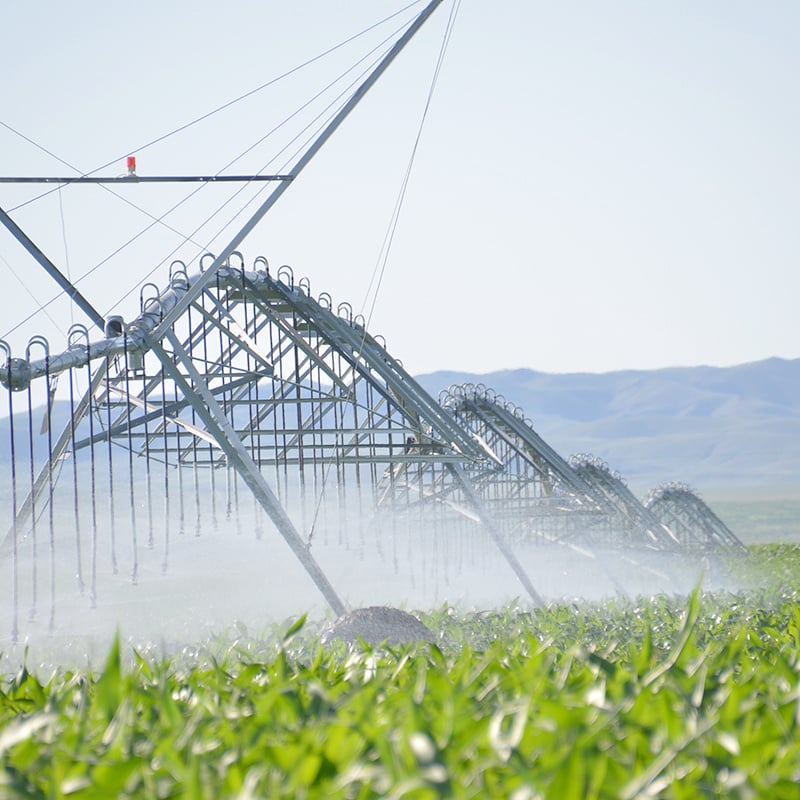
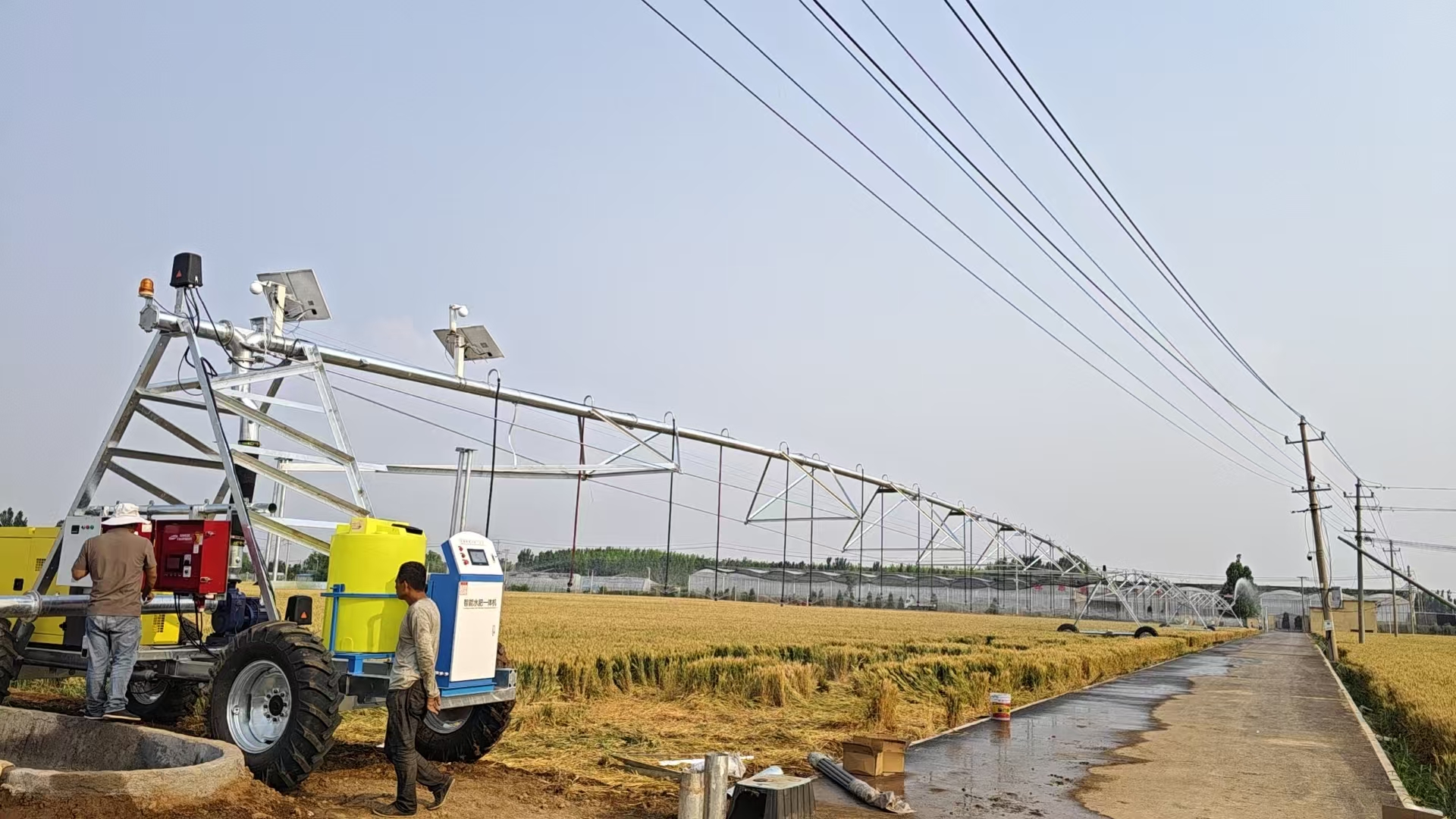
The Linear Move Irrigation System is an advanced, mechanized irrigation solution designed for large-scale agricultural fields and green spaces. Unlike traditional fixed irrigation systems, it operates by moving linearly along a predefined path, typically guided by rails or a GPS positioning system, to deliver water uniformly across the entire cultivation area. The system consists of key components including a main water pipeline, sprinkler heads (or drip emitters for specific applications), a drive mechanism (electric or hydraulic), a control unit, and a power supply (grid-connected or solar-powered optional). It enables precise control of water flow rate, irrigation time, and coverage range, adapting to the water demand characteristics of different crops and soil types. By integrating intelligent control technology, it can also realize automatic operation, remote monitoring, and data recording, effectively improving irrigation efficiency and reducing manual management costs.
Specifications
| Model | DPP |
| Pipe Diameter | 141,168,203,214mm |
| Span | 61.3,54.5,48,41m |
| System Height | 4.6m |
| Working Time | 24 hours |
| Inlet Pressure | 0.25-0.35Mpa |
| Control Angle | 360° |
| Motor Power | 0.55 KW/Span |
| Irrigation quantity | 0--55mm |
| The max running speed of the last span | 156 meters / hour |
| Working volage | 380V,460V |
| Sprinker | Standard Nelson D3000 (USA) |
| Sprinkler distance | 2.2m |
Applications
The Linear Move Irrigation System is widely applied in various agricultural and horticultural scenarios due to its high adaptability and efficiency, mainly including:
• Large-scale grain farms: Suitable for irrigating staple crops such as wheat, corn, rice (dryland cultivation), and soybeans, ensuring uniform water supply during key growth periods (germination, heading, filling) to improve yield and quality.
• Cash crop plantations: Applied in the irrigation of cotton, sugar beet, potatoes, and other cash crops that require strict water management, helping to control soil moisture and promote crop growth.
• Forage and pasture lands: Used in large-scale pastures and forage bases to maintain the growth of grasses and forages, ensuring the supply of feed for animal husbandry.
• Horticultural and nursery areas: Suitable for irrigation of fruit tree seedlings, flower seedlings, and vegetable seedlings in nurseries, providing a stable and appropriate moisture environment for seedling growth.
• Greenbelt and landscape irrigation: Applied in large-scale urban greenbelts, golf courses, and scenic spots to realize uniform irrigation of lawns and plants, maintaining the greening effect and reducing water waste.
Video
Advantages
• Uniform irrigation: The linear movement mode ensures that water is evenly distributed across the entire irrigation area, avoiding the phenomenon of over-irrigation or under-irrigation in local areas, and improving the utilization rate of water resources.
• High efficiency and labor-saving: The system can realize fully automatic operation, reducing the need for manual on-site operation. Compared with traditional manual irrigation or fixed sprinkler irrigation, it greatly improves irrigation efficiency and saves labor costs.
• Strong adaptability: It can be adjusted according to different crop types, soil conditions, and climate changes, including adjusting irrigation intensity, time, and frequency. It is suitable for various terrains such as flat lands, gently sloping lands, and large-area contiguous fields.
• Water and energy saving: Equipped with precise flow control and pressure regulation devices, it can avoid water waste caused by excessive irrigation. At the same time, the optimized drive system has low energy consumption, and the optional solar-powered version can further reduce energy costs.
• Intelligent management: Integrated with intelligent control systems and sensor technology, it can monitor soil moisture, air temperature and humidity in real time, and automatically adjust irrigation plans according to preset parameters. It also supports remote monitoring and operation, facilitating unified management of large-scale farms.
• Long service life and low maintenance cost: The main components are made of high-quality anti-corrosion and wear-resistant materials, which can adapt to harsh agricultural environments. The structure is simple and reliable, reducing the frequency of failures and maintenance costs.
After-sales service
Core Service Commitment
1. Warranty service: 2-year warranty for the entire machine, and extended warranty for key components
2. Lifetime maintenance service
Proactive and Value-added Services
Regular equipment inspection work
2. Professional training services
3. Intelligent remote support
Emergency Response System
1. All-weather emergency response
24-hour service hotline: We have set up a service hotline that operates all year round to ensure that customers can contact us immediately in case of an emergency.
2. Hierarchical response mechanism:
Level 1 (Emergency Failure) : The equipment is completely paralyzed. We promise to respond within 2 hours and dispatch engineers to the site within 24 to 72 hours (depending on distance).
Level 2 (General Fault) : Some functions of the equipment fail, but it can still operate at a downgraded level. We promise to respond within 4 hours and provide a solution within 48 hours.
Green channel for spare parts: Set up a spare parts warehouse and a fast spare parts logistics channel for emergency repairs, giving priority to ensuring emergency needs.
FAQ
Q1: What is the difference between Linear Move Irrigation System and Center Pivot Irrigation System?
A1: The core difference lies in the movement mode and irrigation coverage. The Center Pivot Irrigation System rotates around a fixed central point to form a circular irrigation area, which is more suitable for circular or square fields. In contrast, the Linear Move Irrigation System moves linearly along a straight path, forming a rectangular irrigation area, which is more flexible for irregularly shaped large-area fields. In addition, the Linear Move Irrigation System has higher adaptability to sloping terrain and can achieve more uniform irrigation in long and narrow fields.
Q2: How to choose the power supply mode of the Linear Move Irrigation System?
A2: The system mainly has two power supply modes: grid-connected and solar-powered. For fields close to the power grid and with stable power supply, the grid-connected mode is recommended, which has the advantages of stable power and low initial investment. For remote fields far from the power grid or areas with sufficient sunlight resources, the solar-powered mode is more suitable, which can save energy costs and avoid the trouble of laying power lines. It should be noted that the solar-powered mode needs to be equipped with a battery to ensure normal operation on cloudy days.
Q3: Can the Linear Move Irrigation System be used for fertilization or pesticide application at the same time?
A3: Yes. Most Linear Move Irrigation Systems can be equipped with a fertilization and pesticide application module (such as a proportional mixer and a drug injection device). By mixing fertilizers or pesticides with irrigation water, it can realize integrated irrigation and fertilization, or irrigation and pesticide application, which not only saves the time and labor of separate fertilization and pesticide application, but also ensures that fertilizers and pesticides are evenly distributed, improving the utilization rate and effect.