Requesting a Call:
Online Support
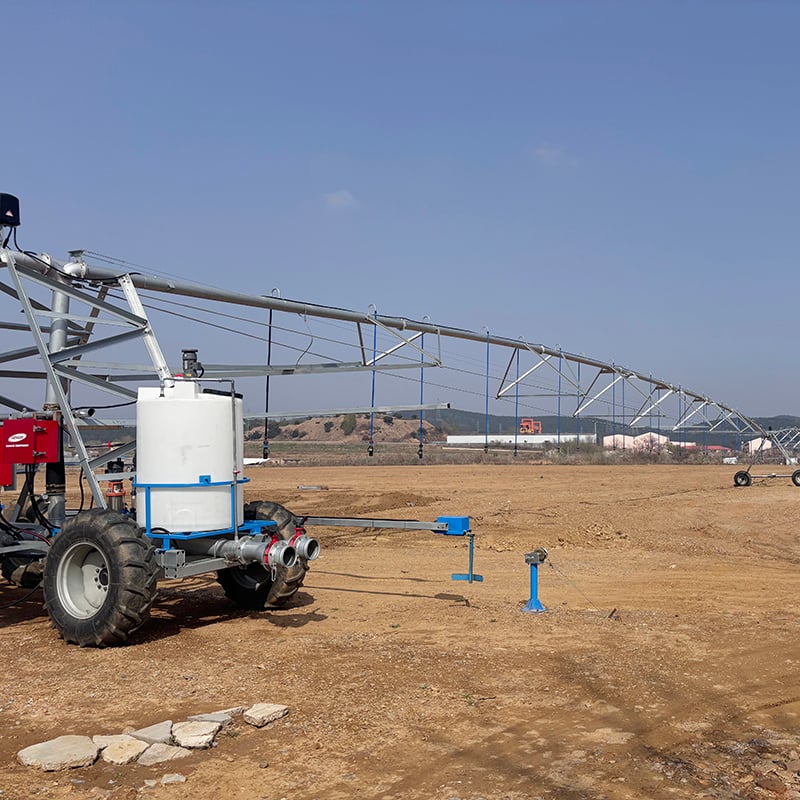
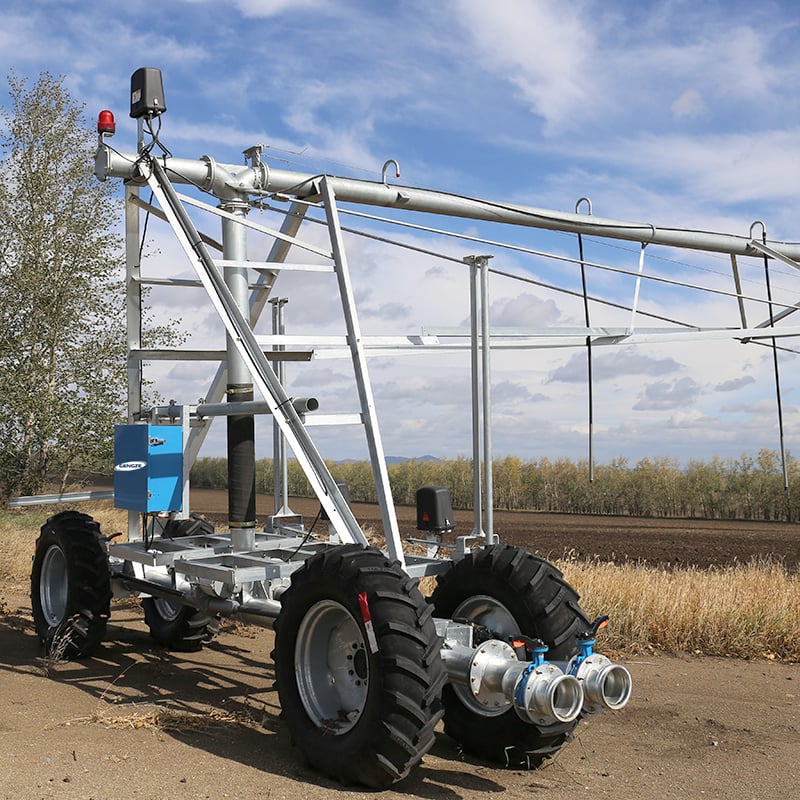
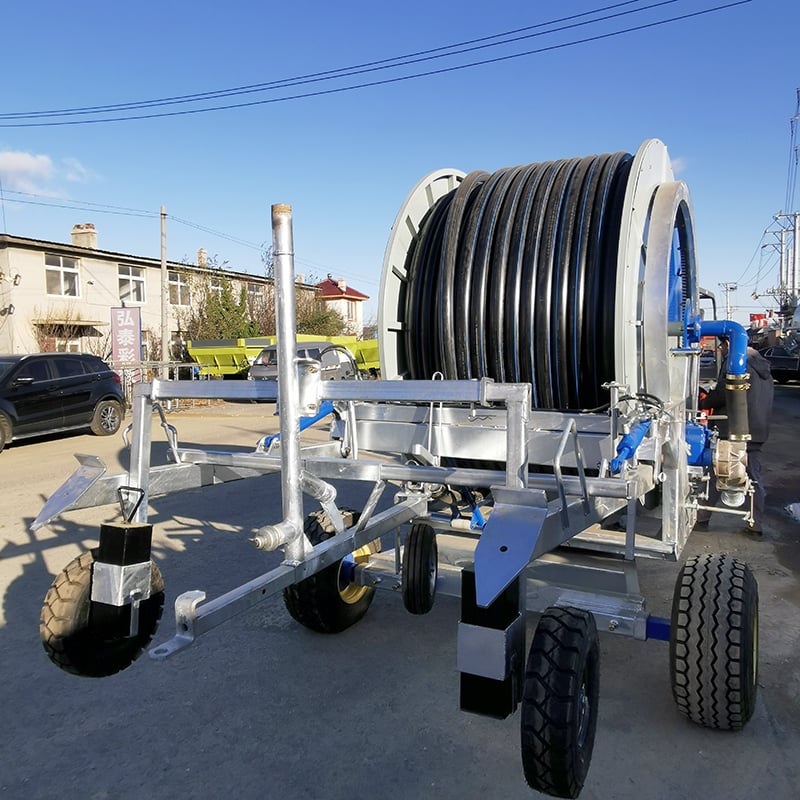
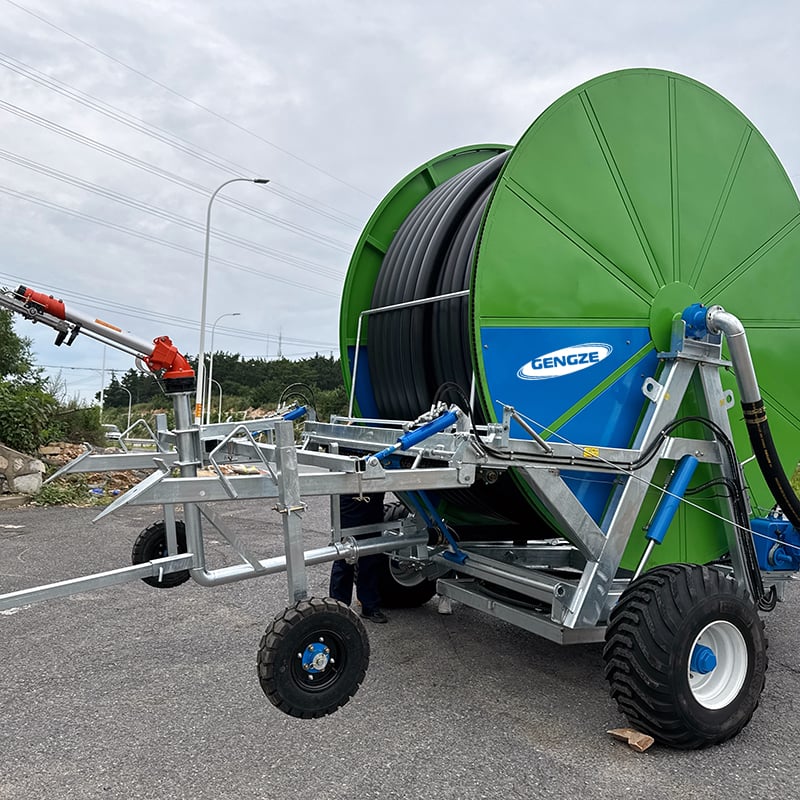
Center pivot sprinkler systems are essential tools for modern agricultural irrigation, designed to optimize the distribution of water across large fields while minimizing waste. When considering central pivot sprinkler system design, buyers often focus on specifications that ensure efficiency, durability, and adaptability to their specific farming needs. This article will guide purchasing managers and agricultural engineers through the critical aspects of selecting and implementing a center pivot system, addressing key specifications, features, cost considerations, and applications in contemporary agriculture.
When evaluating center pivot sprinkler systems, several specifications should be prioritized to ensure optimal performance. Key factors to consider include:
Span Length and Configuration: The length of the pivot arm determines the area of coverage. Buyers should assess their field dimensions to ensure the chosen model can effectively irrigate the desired area without overlapping or leaving dry spots.
Water Application Rate: This is crucial for maintaining soil moisture levels. It's essential to understand the flow rate of the sprinkler irrigation system and how it aligns with the crop requirements and soil type. An inefficient application rate can lead to waterlogging or drought stress.
Material Durability: The materials used in the construction of the system, such as galvanized steel or high-density polyethylene, impact longevity and resistance to corrosion, especially in harsh agricultural environments. Buyers should confirm the material specifications to ensure they meet their operational conditions.
Drive Mechanism: Different drive systems (electric, hydraulic, or gear-driven) offer varying efficiencies and maintenance needs. Understanding the implications of each type helps in selecting a system that aligns with the operational capacity and budget.
Automation and Control Features: Advanced systems may include automated controls for scheduling irrigation, adjusting flow rates, and monitoring soil moisture levels. These features enhance operational efficiency and reduce labor costs.
Selecting the appropriate center pivot sprinkler system involves a thorough assessment of both operational needs and environmental factors. Here are some considerations:
Field Conditions: Analyze the terrain, soil type, and existing water sources. Systems designed for hilly or uneven terrain will require different specifications compared to those for flat fields.
Crop Requirements: Different crops have varying water needs. Understanding the water requirements for the specific crops being cultivated will inform the selection of the optimal pivot sprinkler system.
Irrigation Goals: Define the primary objectives, such as maximizing yield, conserving water, or minimizing labor costs. This clarity helps in choosing a system that aligns with the operational strategy.
Manufacturer Reputation: Choosing a reputable manufacturer like Dalian Gengze Agricultural Equipment Manufacturing Co., Ltd ensures access to quality products backed by industry experience and support.
Customization Options: Some manufacturers offer customization to meet specific requirements. Discussing these options can lead to better-suited solutions for unique agricultural challenges.
Center pivot sprinkler systems offer several advantages that contribute to their popularity in modern agriculture:
Efficiency in Water Use: Designed to deliver water evenly across large areas, these systems minimize runoff and evaporation, ensuring that water is used effectively.
Labor Savings: Automation features reduce the need for constant monitoring and manual adjustments, allowing farmers to allocate labor resources more efficiently.
Scalability: Center pivot systems can be easily expanded or modified to accommodate growing fields or changing agricultural practices, providing long-term flexibility.
Reduced Soil Compaction: Unlike traditional irrigation methods, which can lead to soil compaction, center pivots can operate with minimal soil disturbance, promoting healthier root systems.
Versatility: These systems are adaptable to various crop types and can be tailored to different irrigation strategies, making them suitable for diverse agricultural operations.
When purchasing center pivot sprinkler systems in bulk, several cost factors should be evaluated:
Initial Investment vs. Long-Term Savings: While the upfront cost might be significant, the long-term savings in water usage and labor can justify the investment. Buyers should conduct a cost-benefit analysis.
Volume Discounts: Many manufacturers offer price reductions for bulk orders, which can significantly lower the overall cost per unit. Engaging in negotiations with suppliers can yield better pricing.
Maintenance Costs: Understanding the long-term maintenance requirements and potential repair costs is crucial. Systems with higher durability may result in lower overall expenses over time.
Financing Options: Some manufacturers provide financing plans or leasing options, allowing buyers to spread the cost over time while still gaining access to the necessary equipment.
Installation Costs: Buyers should factor in the costs associated with the installation of the systems, including any necessary site preparation or modifications.
Center pivot sprinklers are utilized across a wide range of agricultural applications, demonstrating their versatility:
Crop Irrigation: They are primarily used for irrigating various crops, including grains, vegetables, and fruits. The ability to customize water application rates based on crop type enhances productivity.
Fertigation: Combining fertilizer application with irrigation (fertigation) is made easier with center pivot systems, allowing for efficient nutrient distribution without additional labor.
Pasture Management: In livestock operations, center pivots can be used to irrigate pasturelands, ensuring consistent forage growth and improving livestock health.
Research and Development: Agricultural research institutions use these systems to study crop responses to different irrigation practices, helping to develop more sustainable farming methods.
Environmental Conservation: By optimizing water use and reducing runoff, center pivot systems contribute to sustainable farming practices that protect local ecosystems and water sources.
Understanding the intricacies of center pivot sprinkler system design is crucial for making informed purchasing decisions. By considering specifications, operational needs, and the broader agricultural context, buyers can select systems that not only meet their immediate needs but also support long-term agricultural sustainability and productivity.

Dalian Gengze Agricultural Equipment Manufacturing Co.,Ltd
Copyright © Dalian Gengze Agricultural Equipment Manufacturing Co.,Ltd All Rights Reserved | Blog | Privacy Policy
 EN