Requesting a Call:
Online Support
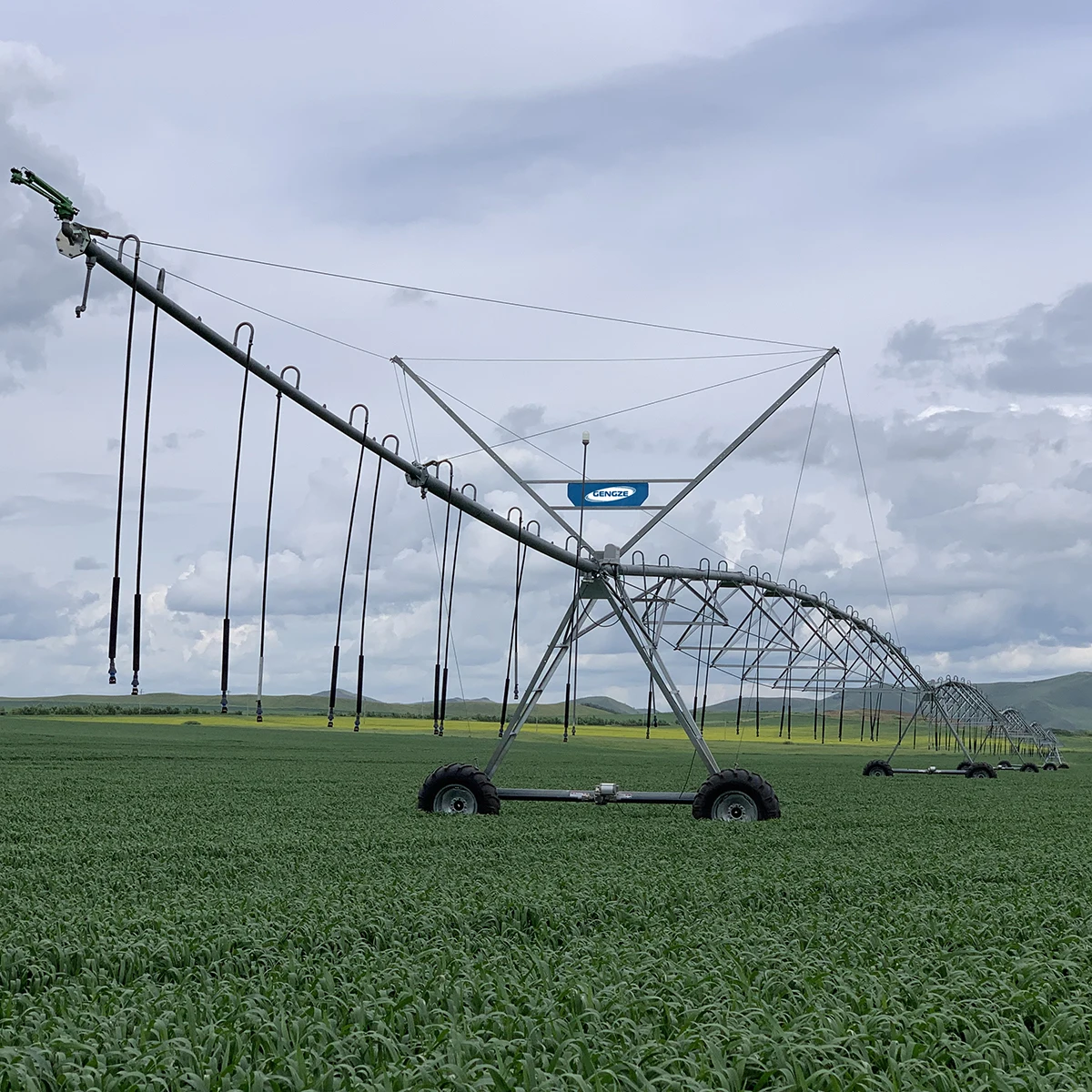
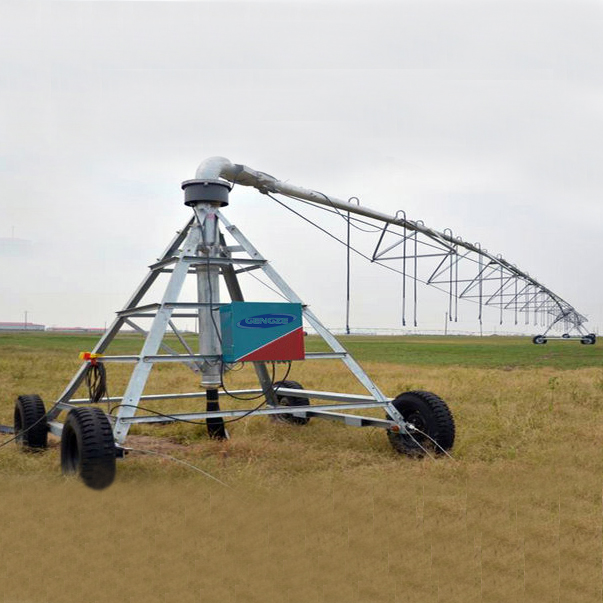
Farm pivots are essential irrigation systems designed to efficiently deliver water to crops, ensuring optimal growth while conserving water resources. For purchasing managers and agricultural distributors, understanding the nuances of farm pivots is crucial for making informed decisions. This article will explore key considerations when selecting farm pivots, evaluate product quality, identify reliable suppliers like Gengze, compare specifications, and address common installation challenges.
When selecting farm pivots, several factors come into play. First, assess the size of the area to be irrigated. This will determine the type and scale of the pivot system required. Additionally, consider the crop types and their specific water needs, as this can influence the design and efficiency of the irrigation system.
Another important consideration is the type of terrain. Flat landscapes may allow for larger pivot systems, while uneven terrain might necessitate a more customized solution. Furthermore, evaluate the local climate and water availability, as these factors directly impact the performance of center pivot farming.
Lastly, think about the operational costs associated with the pivot system, including energy consumption, maintenance requirements, and replacement parts. A high-efficiency pivot may have a higher upfront cost but can save money in the long run through reduced water usage and lower energy bills.
Quality assessment of farm pivots involves examining several key aspects. Start by investigating the materials used in the construction of the pivot. Durable materials such as galvanized steel or high-density polyethylene can enhance longevity and performance, especially in harsh weather conditions.
Next, review the manufacturing processes employed by the supplier. A reputable manufacturer like Gengze should have rigorous quality control measures in place, ensuring each component meets industry standards. Additionally, inquire about certifications that confirm compliance with agricultural regulations and environmental guidelines.
It's also beneficial to request references or case studies from the supplier. This will provide insight into how their farm pivots have performed in real-world applications. Finally, consider the warranty and after-sales support offered. A strong warranty can indicate the manufacturer’s confidence in their product quality.
Finding reliable farm pivot suppliers for bulk orders requires thorough research. Start by attending agricultural trade shows and networking events to meet potential suppliers face-to-face. This will allow you to discuss your specific needs and understand their capabilities.
Online platforms and industry directories can also be valuable resources. Look for suppliers like Gengze with a proven track record in manufacturing high-quality farm pivots and check their customer reviews and ratings.
Collaborate with local agricultural associations to gain insights into reputable suppliers in your region. They can often provide recommendations based on the experiences of other farmers and distributors. Ensure that the suppliers you consider have the capacity to meet your bulk order requirements, including lead times and customization options.
When comparing different farm pivot models, focus on several key specifications:
Span Length: The length of the pivot arm affects the area that can be irrigated. Longer spans can cover more ground but may also require more powerful motors.
Drive System: Different drive systems, such as electric or hydraulic, will impact the operational efficiency and maintenance needs of the pivot. Electric systems are often more efficient, while hydraulic systems may offer higher torque.
Water Application Rate: This specification indicates how much water is delivered per acre. It is crucial to match this rate to the crop's needs to avoid over- or under-watering.
Control Systems: Modern farm pivots may come with advanced control systems that allow for automated operation and remote monitoring. Consider the ease of use and compatibility with existing farm irrigation systems management software.
Material Quality: Assess the materials used in the construction of the pivot. High-quality materials will reduce wear and tear, prolonging the lifespan of the system.
By making these comparisons, you can identify the best farm pivot model that aligns with your operational needs.
Installing farm pivots can present several challenges that need to be addressed to ensure proper functionality. One common issue is uneven terrain, which can cause the pivot to operate inefficiently. Before installation, conduct a thorough site assessment to identify any areas that may require grading or leveling.
Another challenge is connecting the pivot to the water source. Gengze ensure that the water supply can meet the required pressure and flow rate for the chosen pivot model. If necessary, invest in a pump system that can adequately support the pivot's operation.
Additionally, consider the electrical requirements for automated pivots. Ensure that all wiring and connections comply with local codes, and plan for adequate power supply. Collaborating with experienced installation contractors can mitigate these issues, ensuring a smooth setup process.
Finally, provide training for operators on how to use and maintain the pivot system. Familiarity with the equipment will help prevent operational errors and extend the lifespan of the system.
By understanding these elements, purchasing managers and distributors can make informed decisions when procuring farm irrigation systems center pivot, ensuring optimal irrigation for their agricultural endeavors.

Dalian Gengze Agricultural Equipment Manufacturing Co.,Ltd
Copyright © Dalian Gengze Agricultural Equipment Manufacturing Co.,Ltd All Rights Reserved | Blog | Privacy Policy
 EN