Requesting a Call:
Online Support
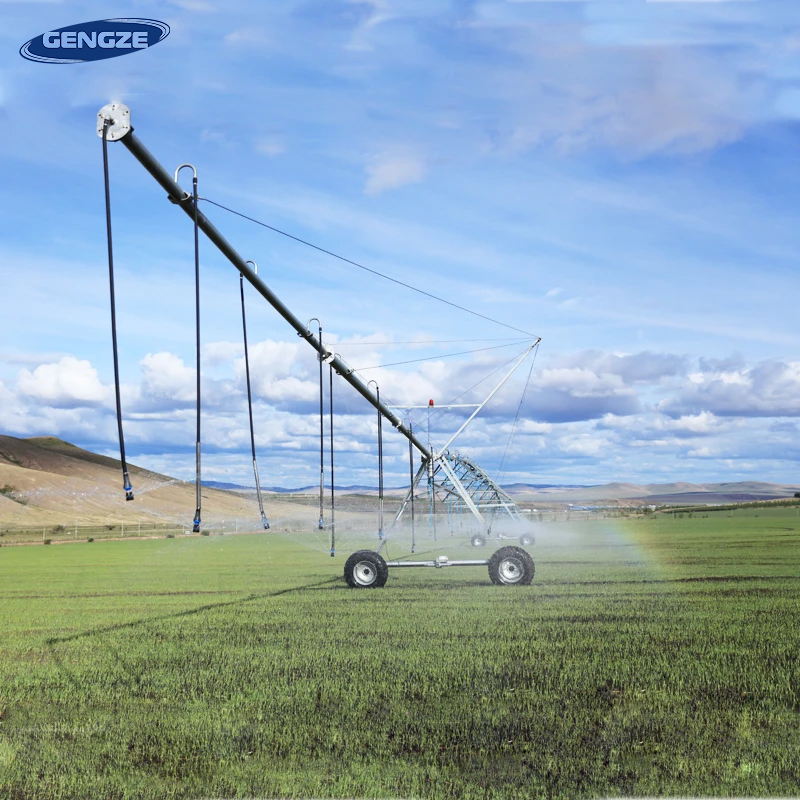
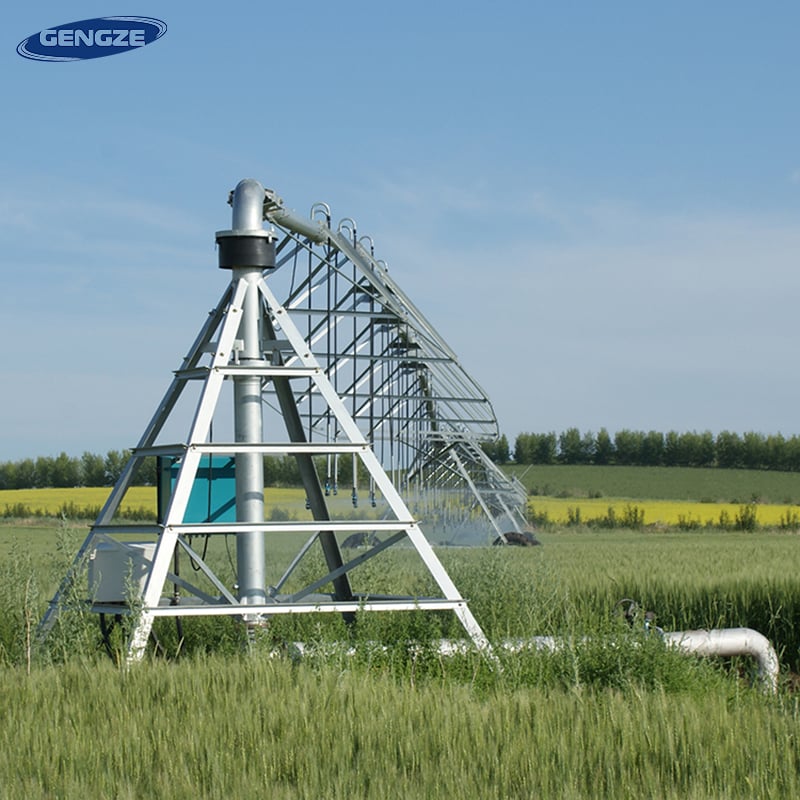
When considering used center pivots for sale, it's essential to understand their implications for agricultural efficiency and productivity. These irrigation systems are crucial for optimizing water usage, especially in large-scale farming operations. Potential buyers, such as purchasing managers and agricultural engineers, often face concerns about quality, compatibility, and long-term costs. This article aims to guide you through the key considerations, cost factors, and common issues associated with used solar center pivot, helping you make an informed purchasing decision.
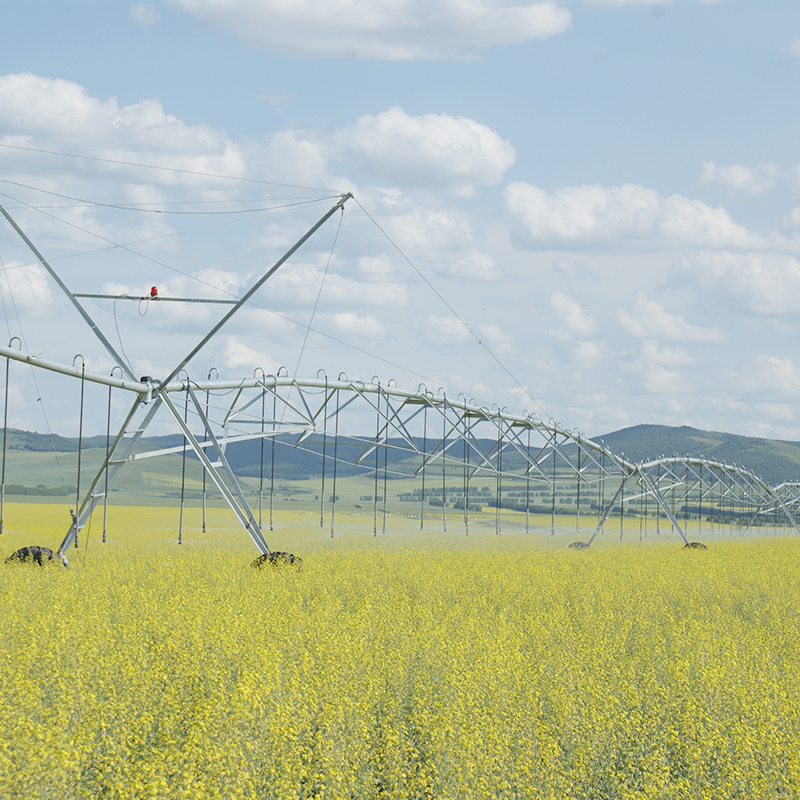
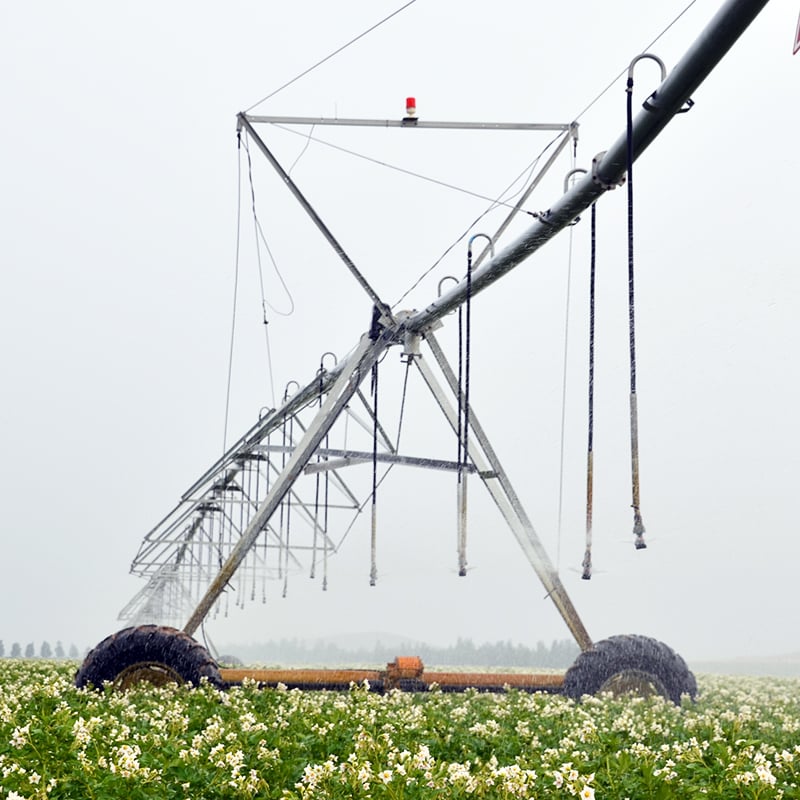
When evaluating used center pivots, several factors must be considered to ensure you choose the right system for your agricultural needs. Start by assessing the pivot's specifications, including length, span, and coverage area. Understanding the center pivot tires system's water application rate and range is crucial for matching it to your specific crop and soil requirements.
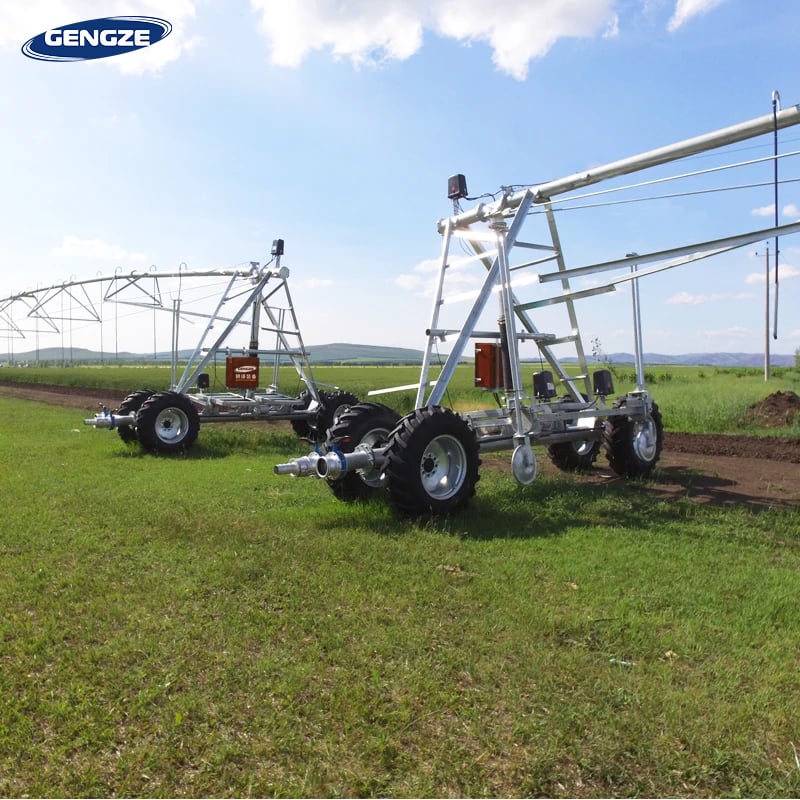
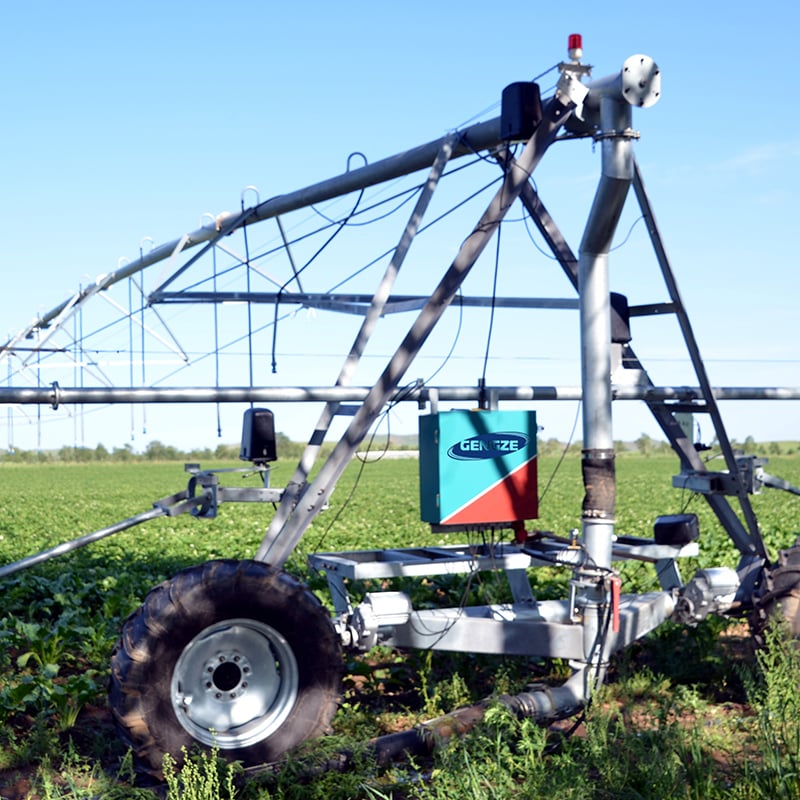
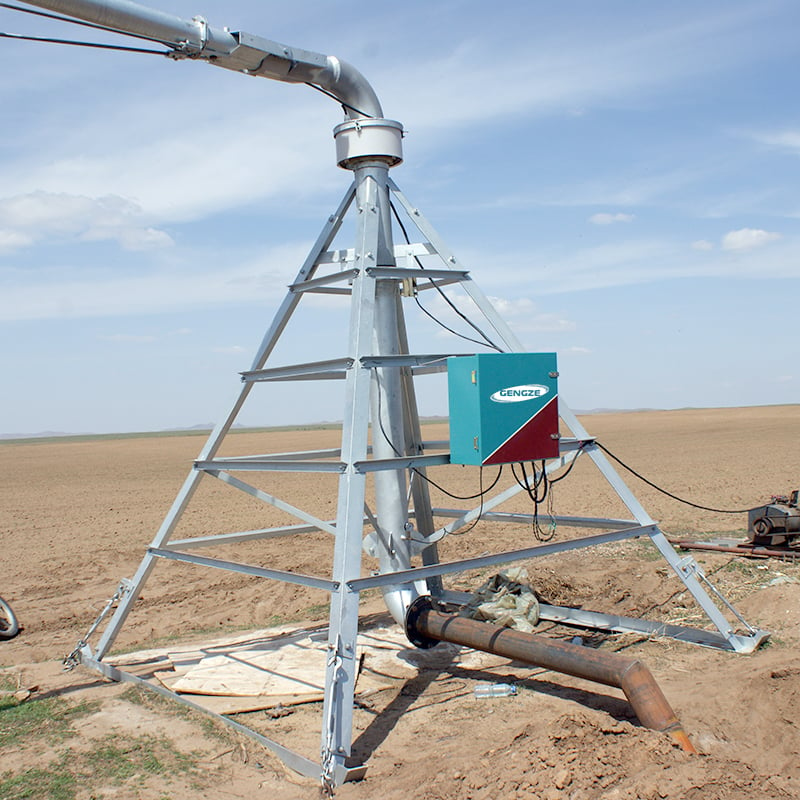
Also, examine the system's components, such as the drive mechanism and control panel. Look for any signs of wear or damage, as these can indicate maintenance needs or potential failures. It's also wise to inquire about the system's history, including previous repairs or upgrades. A well-documented maintenance history can signal a reliable investment.
Another critical aspect is the compatibility of the used center pivot with your existing equipment. Ensure that the system can integrate seamlessly with your irrigation infrastructure and that any necessary modifications are feasible. Finally, consider the manufacturer’s reputation and support services, as this can affect the longevity and efficiency of the pivot.
Used center pivots can offer significant cost savings compared to new systems while still delivering effective irrigation solutions. These systems are typically available in various configurations, often including both standard and customized options to fit different agricultural applications.
When browsing the market, consider models from reputable manufacturers, such as Dalian Gengze Agricultural Equipment Manufacturing Co., Ltd, which has a strong history in agricultural equipment. Ensure that the used pivot center you’re interested in have undergone thorough inspections and are compliant with necessary agricultural standards. Additionally, be aware of the export markets serviced by the manufacturer, as this can impact the availability of parts and support.
Maintaining a clear communication line with the seller is also essential. Ensure that you obtain all relevant documentation, including operational manuals and any certifications that may pertain to the system’s efficiency and safety standards.
The pricing of used center pivots is influenced by several key factors. Age and condition are the most apparent determinants; newer systems with less wear and tear will generally command higher prices. However, it’s crucial to assess the pivot’s functionality and any repairs or updates it may need, as these can add to the total cost of ownership.
Other cost factors include the system's specifications and the complexity of installation. More advanced models with additional features, such as automated controls, may present higher upfront costs but can offer significant water savings and increased efficiency in the long run.
Additionally, consider the ongoing costs associated with the pivot, such as maintenance and potential upgrades. Understanding these costs will help you evaluate the total investment and return on investment (ROI) for your farming operations. Some buyers may find that opting for a slightly more expensive, high-quality used pivot could result in lower long-term costs due to reduced maintenance needs.
When purchasing used center pivots, follow these essential tips to maximize your investment:
Conduct Thorough Inspections: Before finalizing a purchase, perform a comprehensive inspection of the pivot. Look for any signs of rust, wear, or mechanical failures. If possible, request a pre-purchase evaluation by a qualified technician.
Request Operational History: Ask the seller for detailed operational history, including any previous repairs, maintenance records, and performance reports. This information can provide valuable insights into the pivot's reliability.
Negotiate Wisely: Use the findings from your inspections and the operational history to negotiate the price. Be prepared to walk away if the price does not reflect the pivot's condition or market value.
Confirm Compatibility: Ensure that the used center pivot will be compatible with your existing irrigation system. This can save time and additional costs associated with modifications.
Evaluate Warranty Options: Some sellers may offer limited warranties on used equipment. Understanding these terms can provide peace of mind and protection against unforeseen issues.
While used center pivots can be a cost-effective solution for irrigation, they may come with certain challenges. Common issues include wear on mechanical components, leaks in the water distribution system, and control system malfunctions.
Wear and Tear: Many used pivots may exhibit signs of wear, particularly in components like wheel drives, gearboxes, and electrical systems. Regular maintenance is crucial to extend the lifespan of these systems. Establish a routine inspection and maintenance schedule to address any issues promptly.
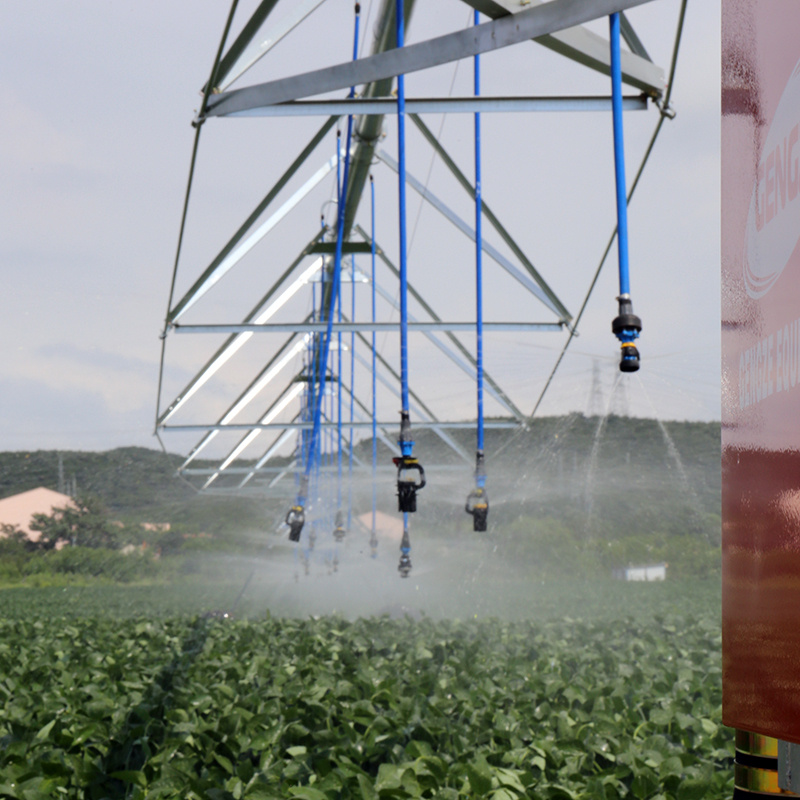
Leaks: Water leaks can significantly impact irrigation efficiency. Inspect hoses, connections, and fittings for wear. If leaks are detected, replace damaged components immediately to prevent water loss and potential crop damage.
Control System Failures: Electronic control systems can malfunction, leading to inefficient operation. Ensure that you have access to technical support for troubleshooting. Familiarize yourself with the control system’s functionalities and perform regular software updates if applicable.
Compatibility Issues: Sometimes, used pivots may not integrate seamlessly with existing systems. Consulting with an irrigation expert can help identify necessary adjustments or customizations to ensure optimal performance.
Addressing these common problems promptly can prevent larger issues down the line, ensuring that your used center pivot remains an efficient and effective irrigation solution for your agricultural operation.

Dalian Gengze Agricultural Equipment Manufacturing Co.,Ltd
Copyright © Dalian Gengze Agricultural Equipment Manufacturing Co.,Ltd All Rights Reserved | Blog | Privacy Policy
 EN