Requesting a Call:
Online Support
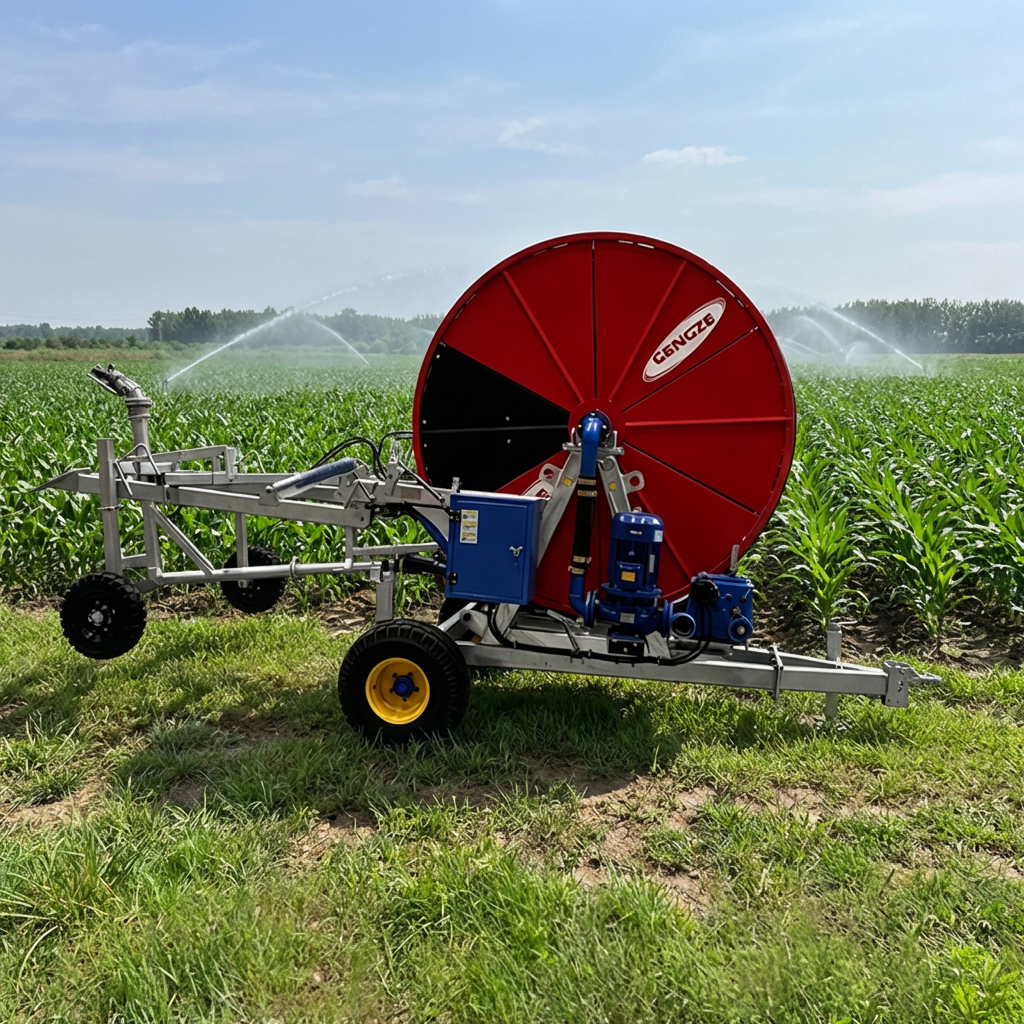
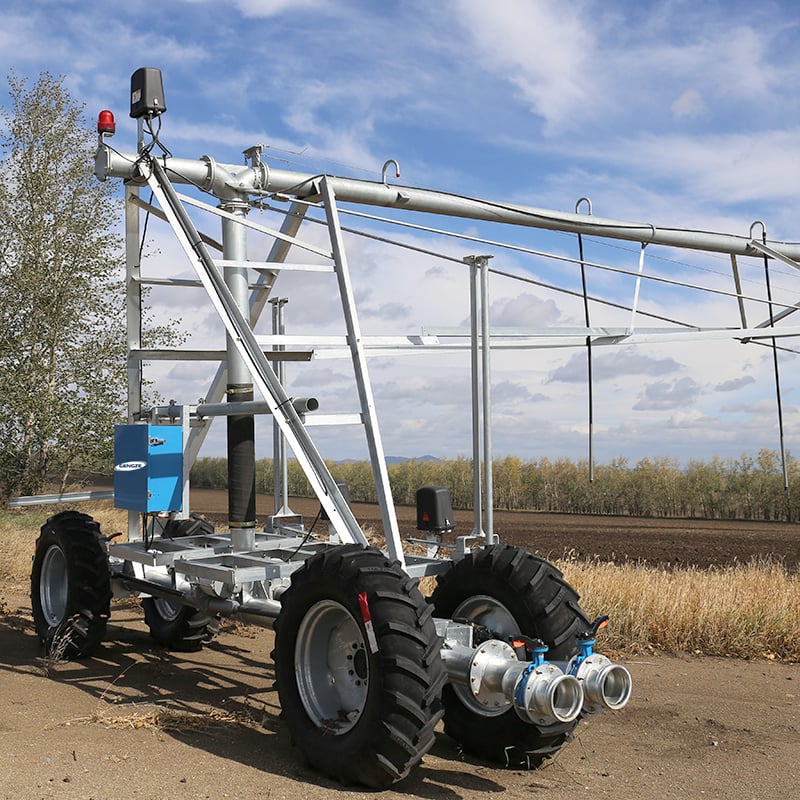
Irrigation circle sprinklers are essential components in modern agricultural practices, designed to deliver water evenly across large fields. These systems optimize water usage, increase crop yields, and support sustainable farming. For B2B buyers, selecting the right irrigation circle sprinkler involves numerous considerations, including efficiency, cost, installation requirements, and long-term maintenance. This article will help you navigate these factors, ensuring you make an informed decision for your agricultural needs.
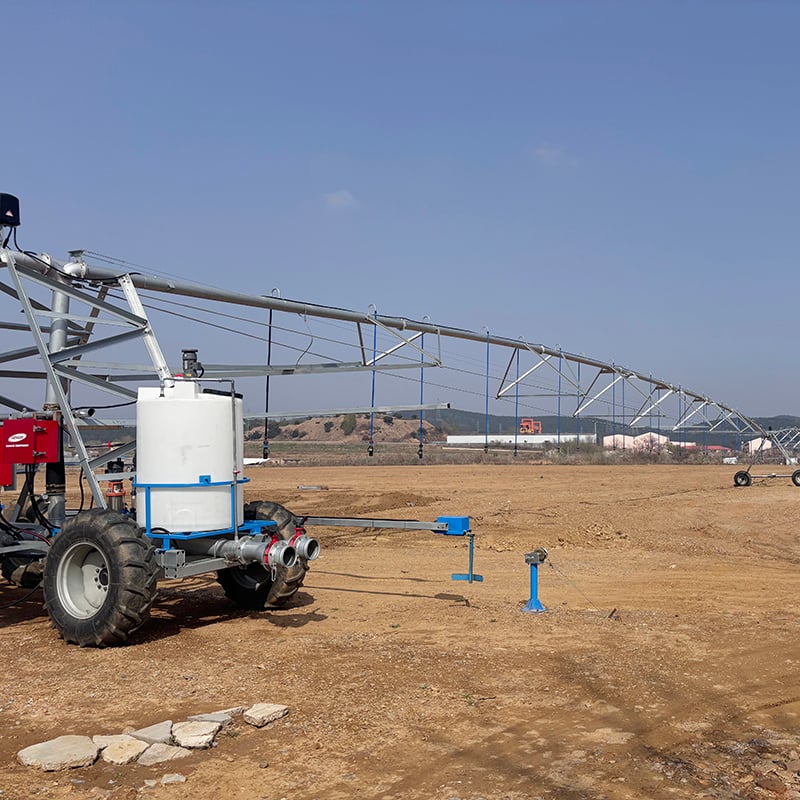
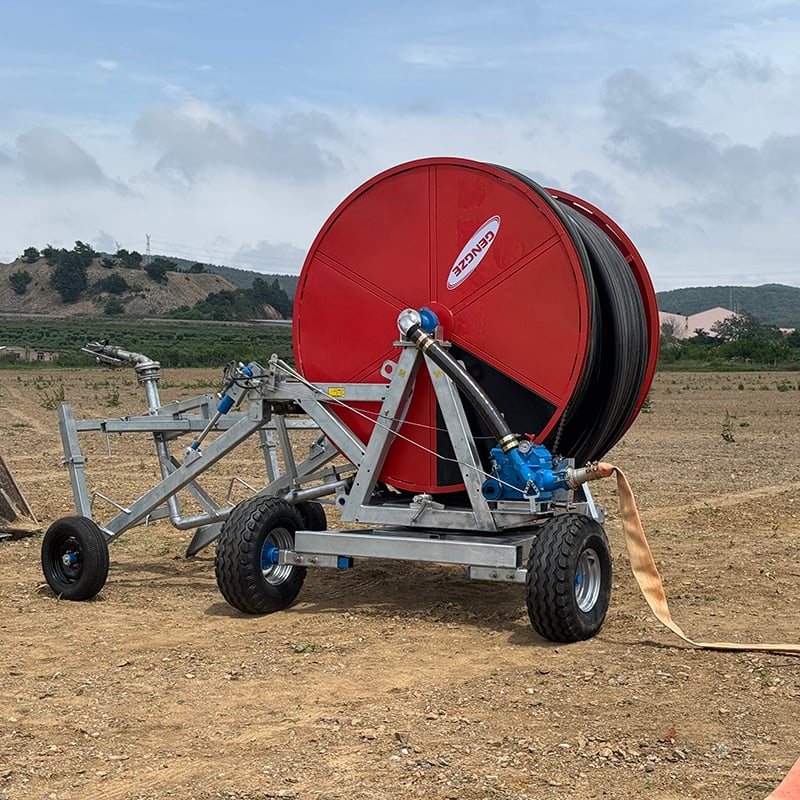
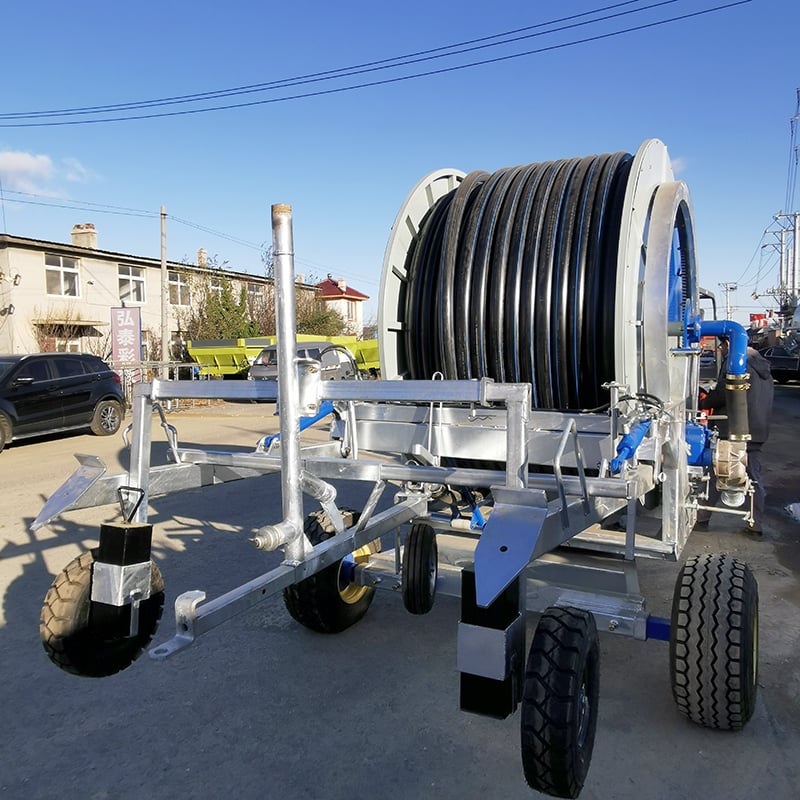
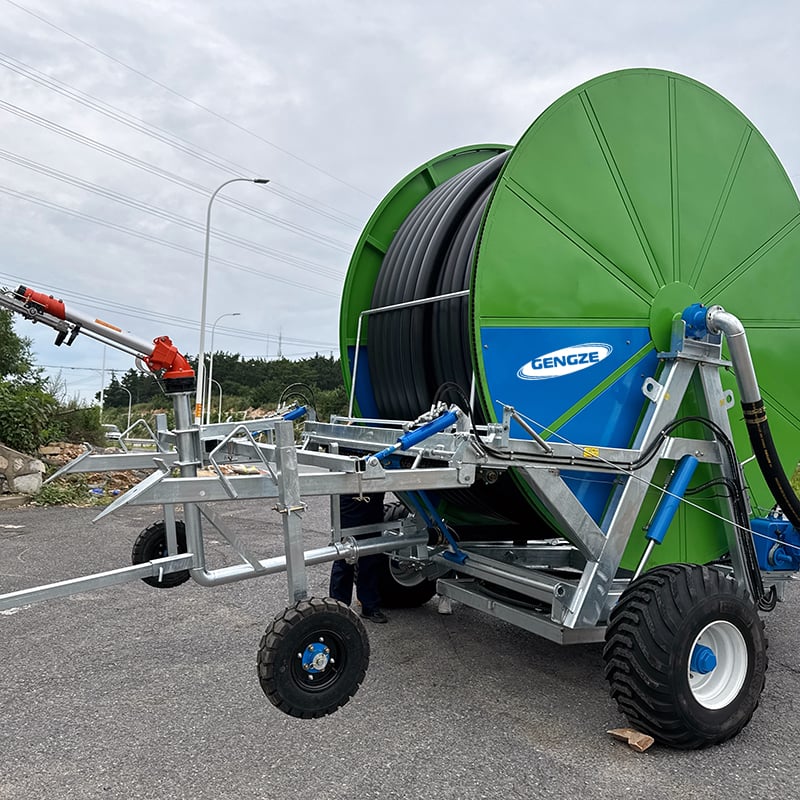
Selecting the appropriate irrigation circle solar sprinkler system depends on several key factors, including the size of the area to be irrigated, the types of crops being grown, and the water source available. Sprinklers come in various sizes and designs, such as stationary, portable, or automated systems, each suited for different applications.
When evaluating options, consider the following specifications:
Spray Radius: The distance the sprinkler can effectively cover. Measure the total area to determine the required radius. A larger radius may reduce the number of sprinklers needed but may require more powerful pumps.
Flow Rate: This is crucial for understanding how much water the system can deliver per minute. Ensure the flow rate matches the needs of your crops and is compatible with your water supply.
Pressure Requirements: Different models operate best at specific pressure ranges. Verify that your water source can maintain the necessary pressure for optimal performance.
Durability and Material: Look for sprinklers made from high-quality materials, such as corrosion-resistant metals or durable plastics, to withstand the rigors of agricultural environments.
Understanding these specifications will enable you to select an irrigation circle sprinkler that aligns with your project requirements.
Sourcing quality irrigation circle sprinklers wholesale can significantly impact your project's budget and efficiency. Here are key considerations for finding reliable suppliers:
Manufacturing Reputation: Look for manufacturers with a proven history in agricultural equipment, like Dalian Gengze Agricultural Equipment Manufacturing Co., Ltd., which has over 20 years of experience. Check reviews and testimonials from other agricultural businesses to gauge their reliability.
Customization Options: Many suppliers offer custom solutions tailored to specific agricultural needs. Discuss your requirements with potential suppliers to see if they can meet them.
Quality Assurance: Ensure the supplier has a robust quality control process in place. This includes testing products for durability and performance before they leave the factory.
Export Capabilities: If you are sourcing internationally, confirm the supplier’s ability to handle logistics and customs clearance efficiently.
By focusing on these factors, you can secure high-quality irrigation circle sprinklers that meet your needs while ensuring a smooth procurement process.
Cost is a critical consideration when purchasing solar powered sprinkler system. Buyers should evaluate both initial purchase prices and long-term operational costs. Key cost factors include:
Initial Investment: This includes the purchase price of the sprinklers and any necessary installation equipment. Compare quotes from multiple suppliers, factoring in shipping costs.
Operating Costs: Consider the energy costs associated with running the irrigation system, including pump electricity and maintenance expenses. Systems that operate efficiently can save significant amounts over time.
Replacement Parts: Assess the availability and cost of replacement parts. A system with accessible and affordable parts can significantly reduce maintenance costs.
Warranty and Support: A good warranty can save you money on repairs or replacements. Evaluate the supplier’s customer service and support offerings to ensure you’ll have assistance when needed.
By understanding these cost factors, you can make a more informed decision that balances quality and budget constraints.
Installing an irrigation circle sprinkler system requires careful planning to ensure efficiency and effectiveness. Here are steps to follow for a successful installation:
Site Assessment: Evaluate the land to determine the best layout for the sprinkler system. Consider factors like terrain, crop type, and water source.
Design the System: Create a detailed plan that outlines the positioning of each sprinkler, taking into account the spray radius and coverage area. Use design software or consult with an irrigation specialist for optimal results.
Soil Preparation: Before installation, prepare the soil by clearing debris and ensuring the area is free from obstructions that could impede water distribution.
Installation: Follow the manufacturer’s guidelines for installation. Ensure all connections are secure and that the system is level to prevent uneven water distribution.
Testing: Once installed, test the system to verify proper operation. Check for leaks, ensure the spray patterns are even, and adjust as needed.
Proper installation is essential for maximizing the efficiency of your irrigation circle sprinkler system and ensuring it meets your agricultural needs.
When comparing different models of irrigation circle sprinklers, consider the following criteria to identify the best fit for your needs:
Performance Metrics: Review the specifications of each model, focusing on spray radius, flow rate, and pressure requirements. These metrics will directly affect the system’s efficiency and suitability for your crop types.
Design Features: Look at the additional features such as automated controls, ease of adjustment, and compatibility with various irrigation techniques (e. g., drip irrigation).
User Reviews and Feedback: Seek feedback from other users to learn about real-world performance and reliability. This can provide insight into common issues and the overall satisfaction level of those who have purchased the models you are considering.
Manufacturer Support: Evaluate the level of customer support provided by the manufacturer, including installation assistance, troubleshooting, and warranty services. A reputable manufacturer should offer comprehensive support to ensure your system operates smoothly.
By carefully comparing these aspects, you can choose an pivot sprinkler irrigation system model that is tailored to your specific agricultural needs and enhances the efficiency of your irrigation practices.

Dalian Gengze Agricultural Equipment Manufacturing Co.,Ltd
Copyright © Dalian Gengze Agricultural Equipment Manufacturing Co.,Ltd All Rights Reserved | Blog | Privacy Policy
 EN