Requesting a Call:
Online Support
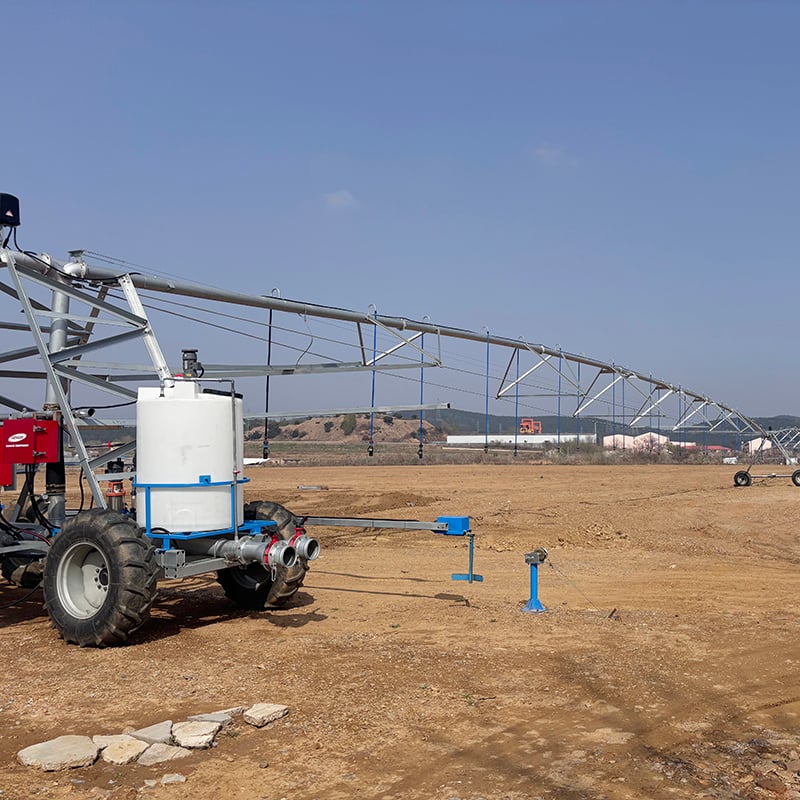
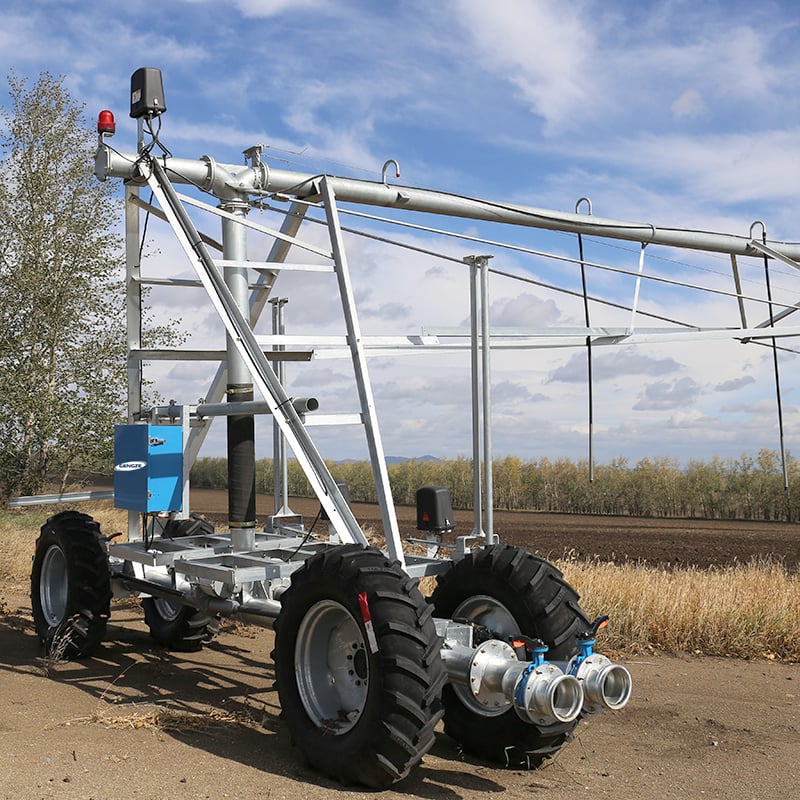
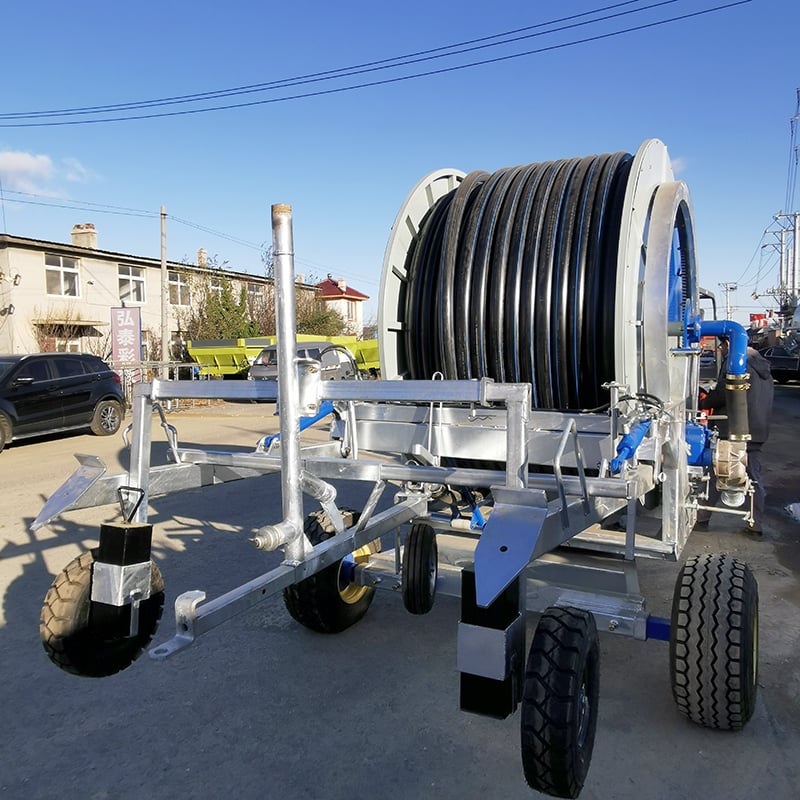
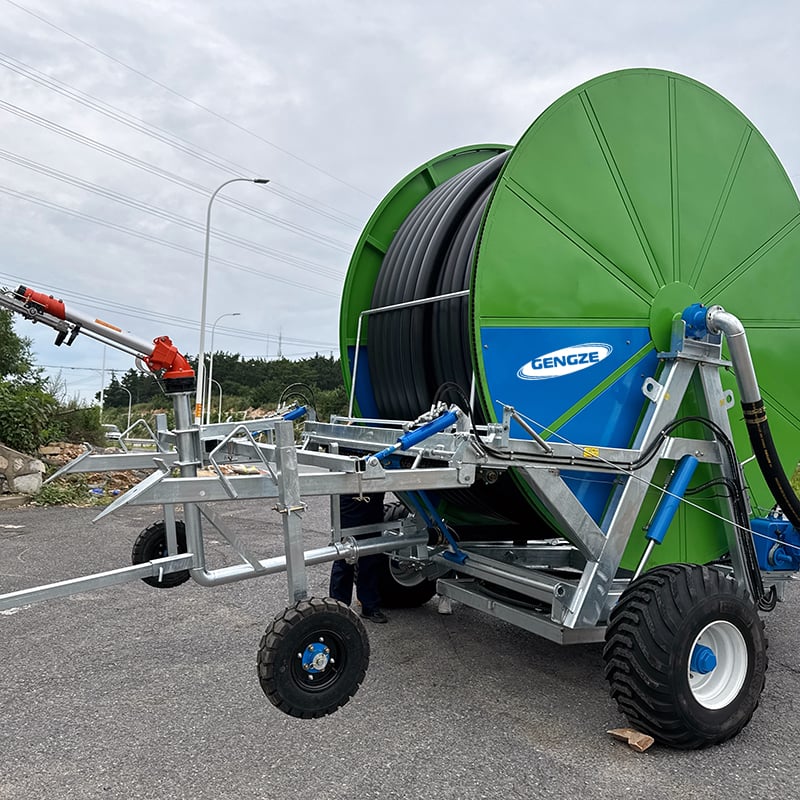
Solar sprinkler systems are innovative irrigation solutions that harness solar energy to efficiently distribute water across agricultural fields. As a purchasing manager or agricultural engineer, your primary concerns likely revolve around reliability, efficiency, and cost-effectiveness when selecting a solar sprinkler system for your projects. This article will provide insights into the advantages of solar sprinkler systems, common challenges, applications in modern agriculture, quality assessment criteria, and strategies to maximize value from your investment.
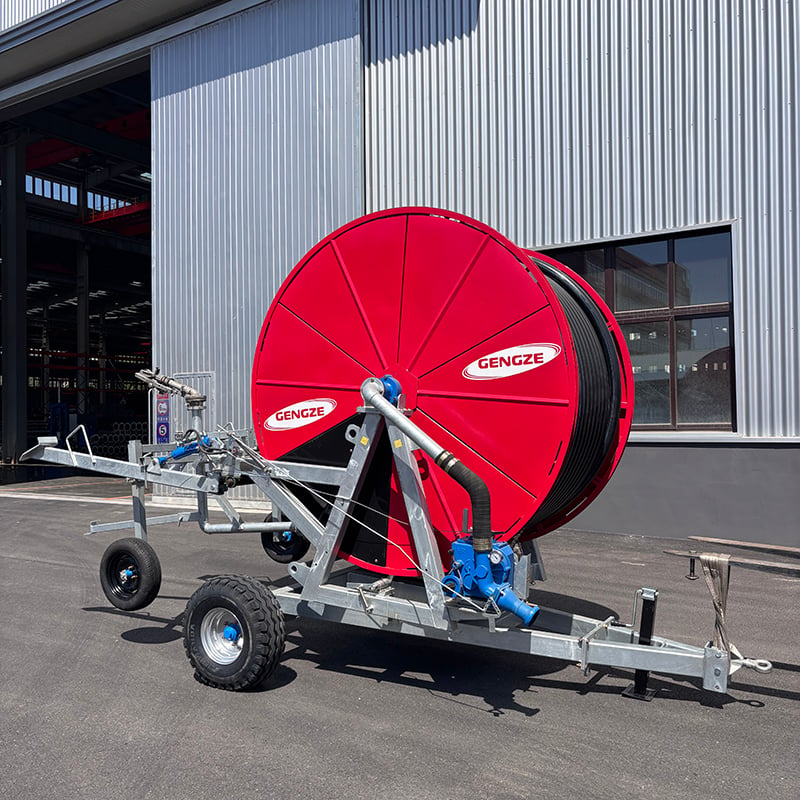
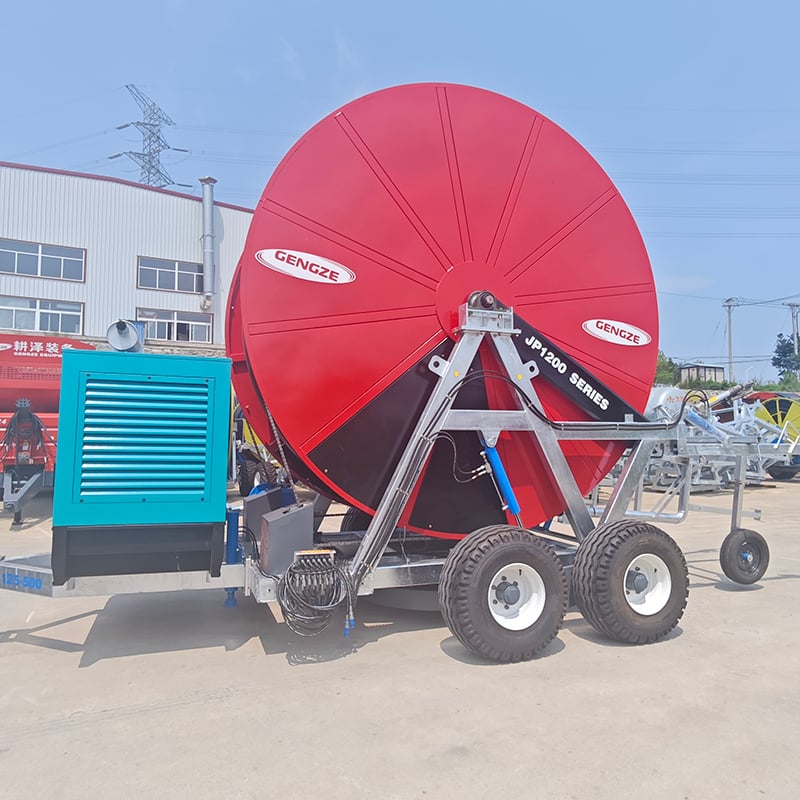
Dalian Gengze Agricultural Equipment Manufacturing Co., Ltd has over 20 years of experience in producing high-quality agricultural equipment. As an OEM for a leading U.S. irrigation brand, Gengze understands the nuances of manufacturing reliable and efficient irrigation systems. The company launched its own Gengze brand in 2017, focusing on delivering high-efficiency, cost-competitive agricultural solutions, including solar sprinkler systems. Choosing Gengze as your supplier means benefiting from their extensive industry knowledge and commitment to quality. Their products are designed for durability and optimal performance in various agricultural settings. Additionally, Gengze's manufacturing capabilities allow for customization to meet specific customer requirements, ensuring that you receive a pivot irrigation sprinklers tailored to your operational needs.
While solar sprinkler systems offer numerous advantages, they can present challenges that need to be addressed. Common issues include: Inconsistent Water Distribution: Variability in water pressure can lead to uneven coverage. To mitigate this, ensure the system is designed with appropriate pump specifications and pipe diameters that match your field's needs. Battery Life and Maintenance: Solar systems rely on batteries for energy storage. Choosing high-quality batteries with sufficient capacity is crucial. Regular maintenance checks can help identify issues before they lead to system failure. Weather Dependency: Solar systems may underperform on cloudy days. Integrating backup power options, such as grid connection or generator support, can provide reliability during adverse weather conditions. By understanding these common problems and proactively addressing them, you can enhance the effectiveness of your solar sprinkler system.
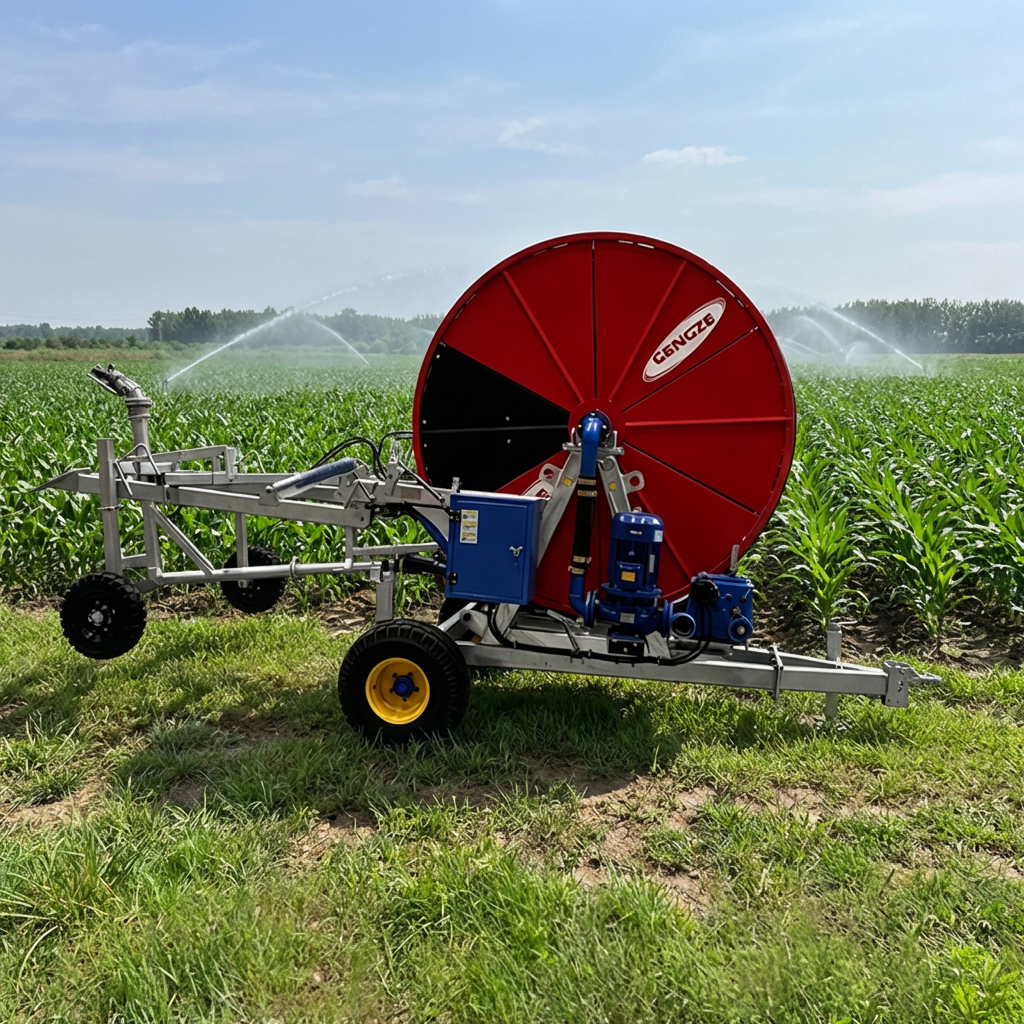
Solar sprinkler irrigation system are increasingly used in various agricultural applications, including: Field Crops: They are ideal for irrigating row crops like corn and soybeans, where consistent water supply is critical for optimal growth. Greenhouses: Solar systems can provide reliable irrigation for greenhouse operations, allowing for controlled water application which is essential for high-value crops. Fruit and Vegetable Gardens: The flexibility of solar sprinkler systems makes them suitable for small-scale operations, reducing labor and water use while ensuring adequate moisture levels. Livestock Watering: In remote areas, solar sprinkler systems can be utilized to provide water for livestock, ensuring that they have access to clean water without the need for extensive plumbing infrastructure. Overall, the versatility of solar sprinkler systems makes them a valuable investment for various agricultural projects.
When assessing the quality of pivot sprinkler irrigation system, consider the following factors: Material Durability: Look for systems made from high-grade materials that can withstand environmental stresses such as UV exposure and corrosion. This ensures a longer lifespan and reduced maintenance costs. Performance Specifications: Evaluate the system's flow rate, pressure ratings, and coverage area. These specifications should align with your irrigation requirements to guarantee efficient operation. Energy Efficiency: Investigate the system's energy consumption and the efficiency of its solar panels. High-efficiency panels will maximize energy capture, leading to improved system performance. Warranty and Support: A strong warranty and customer support indicate the manufacturer's confidence in their product. This can give you peace of mind in case of any issues post-purchase. Certifications: Check for relevant industry certifications that indicate compliance with quality standards. This can help you ensure that the system meets regulatory requirements. By carefully evaluating these aspects, you can make an informed decision that meets your operational needs.
To maximize the value of your solar sprinkler system investment, consider the following strategies: Tailored Design: Work with your supplier to customize the system according to your specific irrigation needs. This can include adjustments in pump size, pipe length, and sprinkler head type to ensure optimal performance. Regular Maintenance: Establish a routine maintenance schedule to keep the system in top working condition. Regular checks of the solar panels, batteries, and irrigation components can prevent costly repairs and downtime. Training and Education: Ensure that your team is well-trained in operating and maintaining the system. This investment in human resources can enhance the system's efficiency and longevity. Monitoring and Adjustments: Implement a monitoring system to track water usage and system performance. Analyze this data to make informed adjustments that can improve water efficiency and crop yield. Collaborate with Experts: Engage with agricultural experts or consultants who can provide insights into optimizing your solar irrigation practices and identifying potential improvements. By adopting these strategies, you can enhance the operational efficiency and overall return on investment from your solar sprinkler system, ensuring that it serves your agricultural needs effectively.
Dalian Gengze Agricultural Equipment Manufacturing Co.,Ltd
Copyright © Dalian Gengze Agricultural Equipment Manufacturing Co.,Ltd All Rights Reserved | Blog | Privacy Policy
 EN