Requesting a Call:
Online Support
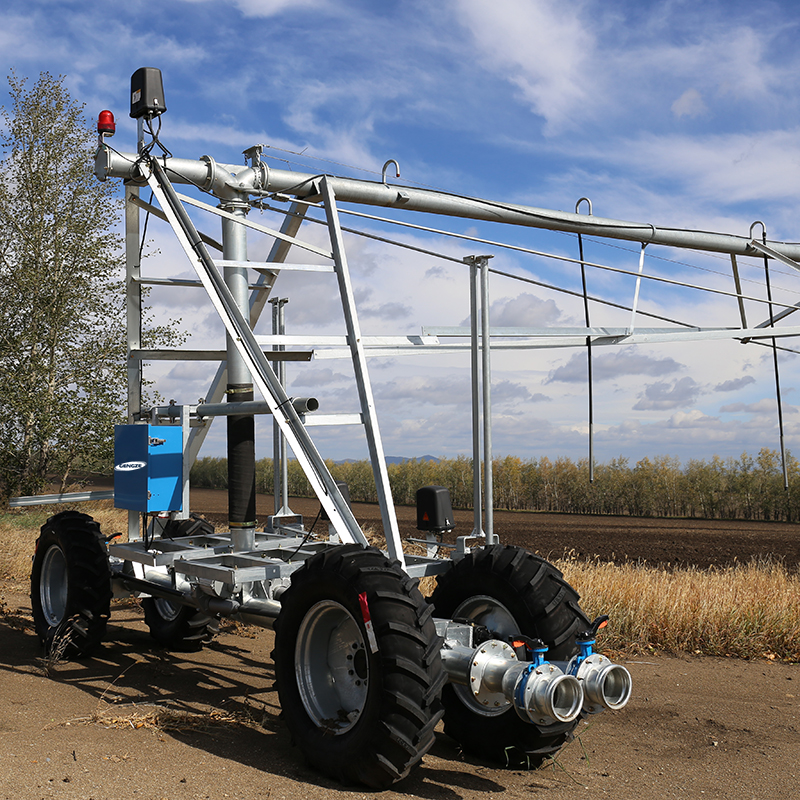
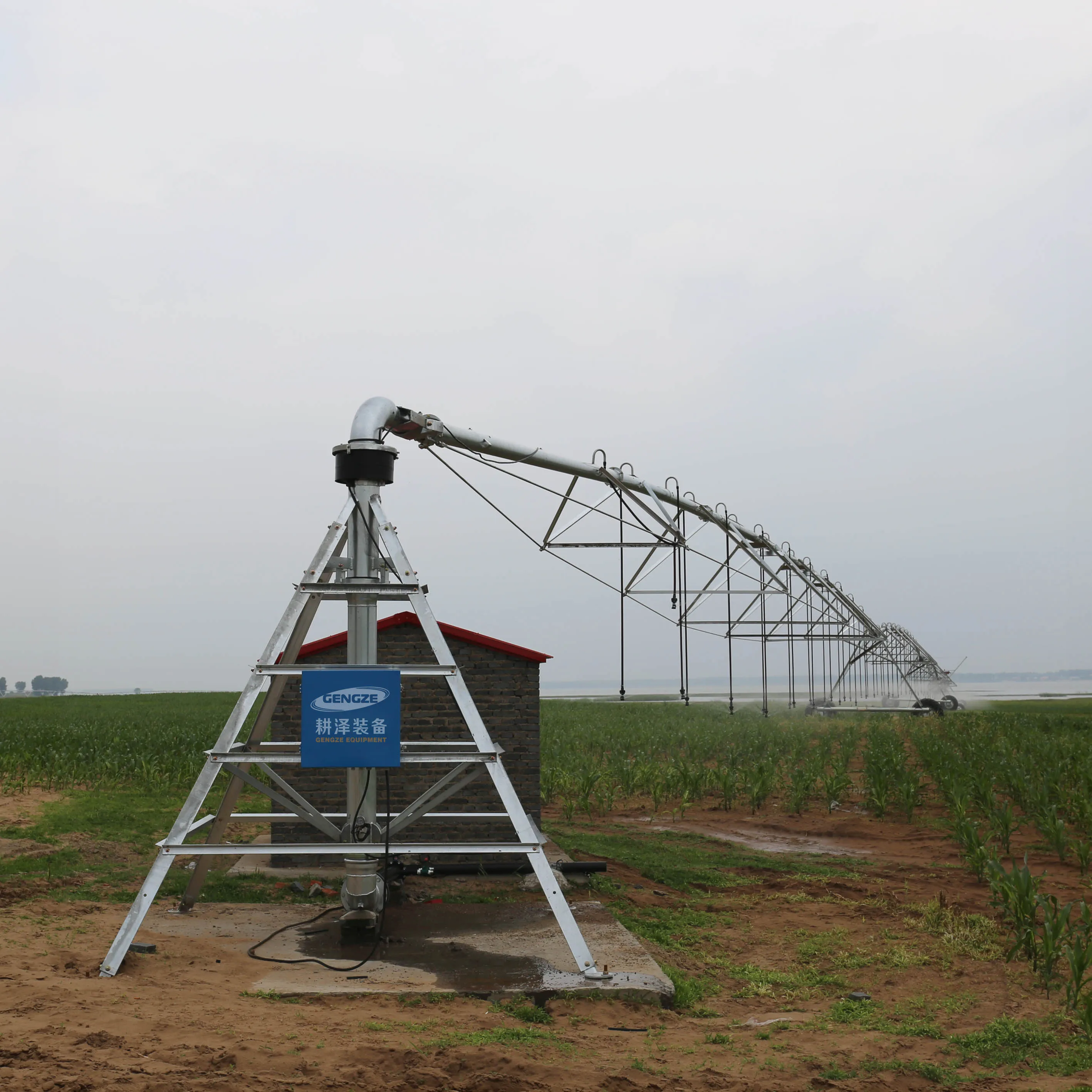
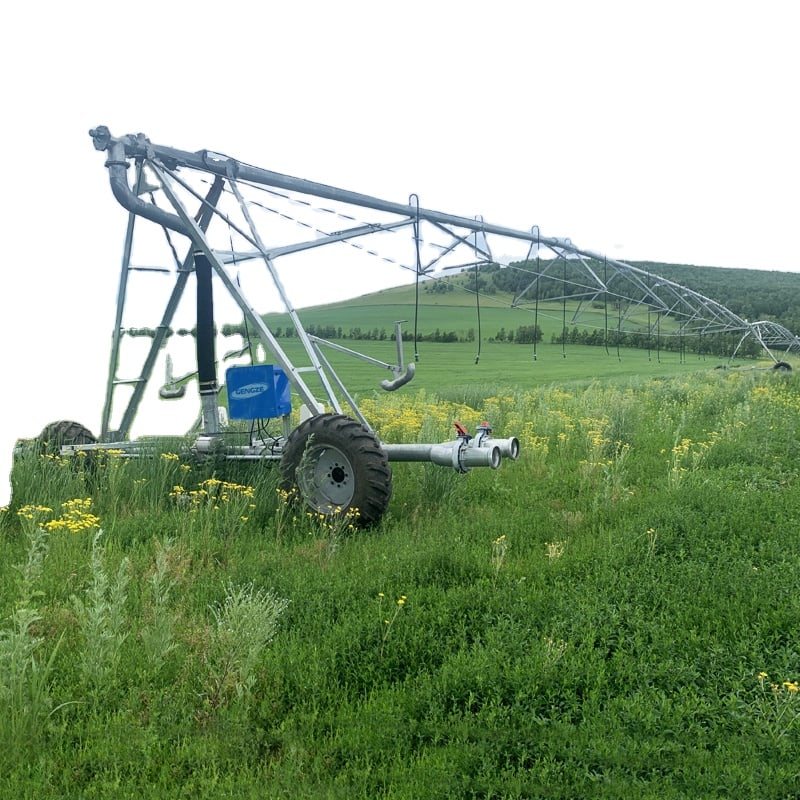
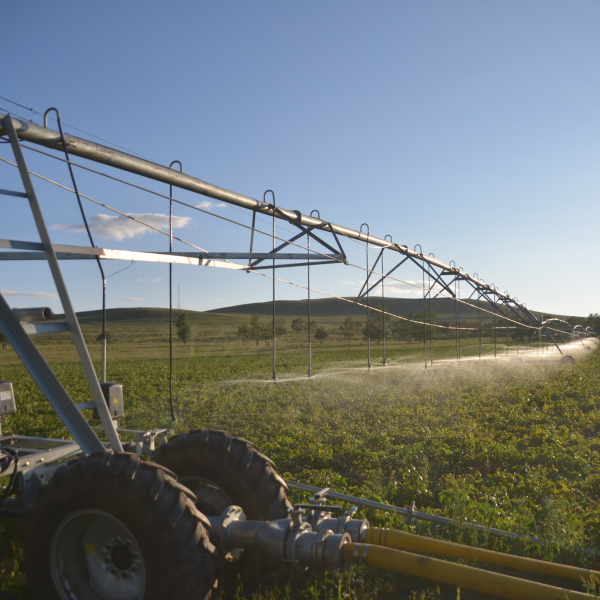
Lateral irrigation systems are essential tools for effective agricultural water management, allowing farmers to deliver water efficiently across fields. As a purchasing manager or distributor looking for lateral irrigation systems systems for sale, you may have concerns about product specifications, compatibility with existing equipment, and overall cost-effectiveness. This article will help you navigate these considerations by providing insights into selecting the right systems, key specifications to look out for, sourcing options, installation guidance, and the advantages of advanced materials in these systems.
Selecting the right lateral irrigation system involves assessing your specific agricultural requirements. Factors to consider include the size of your fields the types of crops being grown, and the water availability in your region. For example, larger fields may benefit from longer lateral systems with multiple outlets to ensure even water distribution, while smaller plots might require more compact systems. Additionally, consider the irrigation method best suited for your crops. Drip irrigation systems are ideal for water-sensitive crops, while more conventional ZIMMATIC lateral irrigation lateral systems may be used for crops that require more water. It's also important to evaluate compatibility with existing equipment, as well as ease of installation and maintenance. Engaging with manufacturers like Dalian Gengze Agricultural Equipment Manufacturing Co., Ltd can provide you with tailored recommendations based on these parameters.
When evaluating lateral irrigation systems, certain specifications are critical to ensure optimal performance:
Material Quality: High-density polyethylene (HDPE) is commonly used for its durability and resistance to corrosion. Ensure that the selected material can withstand the expected environmental conditions, such as UV exposure and temperature fluctuations.
Diameter and Length: The diameter of the lateral pipes affects flow rates and pressure. Choose sizes that align with your water delivery requirements. The length of the system should also accommodate your field layout.
Pressure Rating: Systems must be capable of operating under the lateral irrigation system maximum expected water pressure. A system that cannot handle high pressure may lead to leaks or failures, affecting irrigation efficiency.
Joint and Fitting Quality: Look for robust joints and fittings that minimize the risk of leaks over time. Poor-quality connections can lead to significant water loss and require frequent repairs.
Understanding these specifications will help you evaluate different products on the market effectively.
For bulk purchasing of lateral irrigation systems, consider sourcing directly from manufacturers known for their quality and reliability. Dalian Gengze Agricultural Equipment Manufacturing Co., Ltd, with over 20 years of experience in the agricultural equipment industry, offers a range of irrigation products designed for global markets.
When contacting suppliers, be prepared to provide details such as the required quantities, specific irrigation needs, and desired specifications. Establishing a good relationship with your supplier can also facilitate negotiations on lead times and pricing, which can vary based on order size and customization options.
In addition to manufacturers, explore agricultural equipment distributors that specialize in irrigation solutions. They may offer additional services, such as installation assistance and after-sale support, that can enhance your purchasing experience.
Proper installation is crucial for the performance of lateral irrigation systems. Here are steps to ensure an efficient setup:
Site Assessment: Conduct a thorough assessment of the field to identify the best layout for the system. Consider factors such as terrain, crop type, and existing irrigation infrastructure.
Water Source Evaluation: Ensure that the water source can meet the flow and pressure requirements of your lateral system. Consider using pressure regulators if necessary to maintain optimal performance.
Pipe Placement: Install the pipes in a manner that allows for even water distribution. Avoid placing them in areas prone to flooding or excessive soil erosion.
Testing: After installation, conduct a thorough test of the system to check for leaks and ensure that water is reaching all areas of the field as intended. Adjustments may be necessary to optimize performance.
Following these guidelines will help ensure that your lateral irrigation system operates efficiently, leading to better crop yields.
The use of advanced materials in lateral irrigation systems can significantly enhance performance and longevity. Here are some key benefits:
Durability: Materials like HDPE not only resist corrosion but also withstand impacts and extreme weather conditions, reducing the likelihood of system failure.
Weight Reduction: Advanced materials often weigh less than traditional options, making installation easier and reducing transportation costs.
Flexibility: Modern materials can be engineered to provide flexible designs that adapt to various field conditions and layouts, improving overall irrigation coverage.
Cost-Effectiveness: While the initial investment may be higher, advanced materials typically lead to lower maintenance costs and longer system lifespans, resulting in better long-term savings.
In summary, understanding the specifications, sourcing, installation, and material advantages of lateral irrigation systems will empower you to make informed purchasing decisions that meet your operational needs effectively.

Dalian Gengze Agricultural Equipment Manufacturing Co.,Ltd
Copyright © Dalian Gengze Agricultural Equipment Manufacturing Co.,Ltd All Rights Reserved | Blog | Privacy Policy
 EN