Requesting a Call:
Online Support
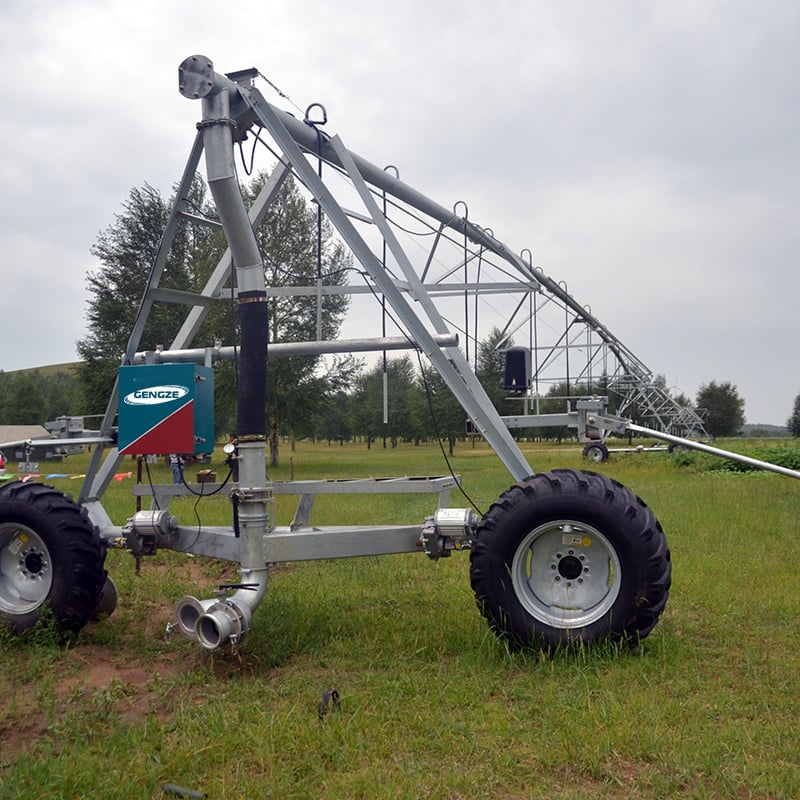
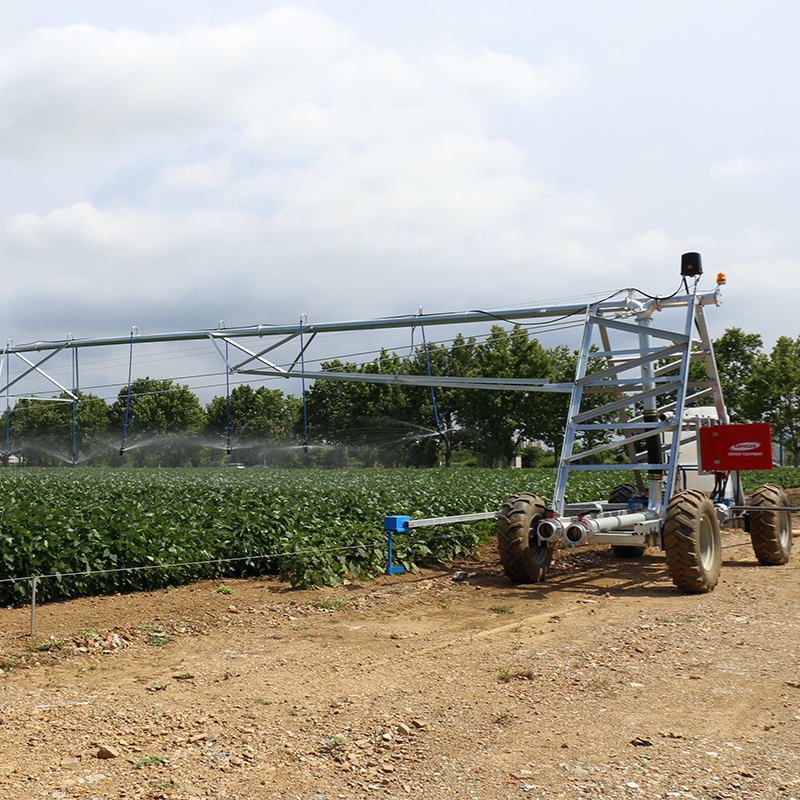
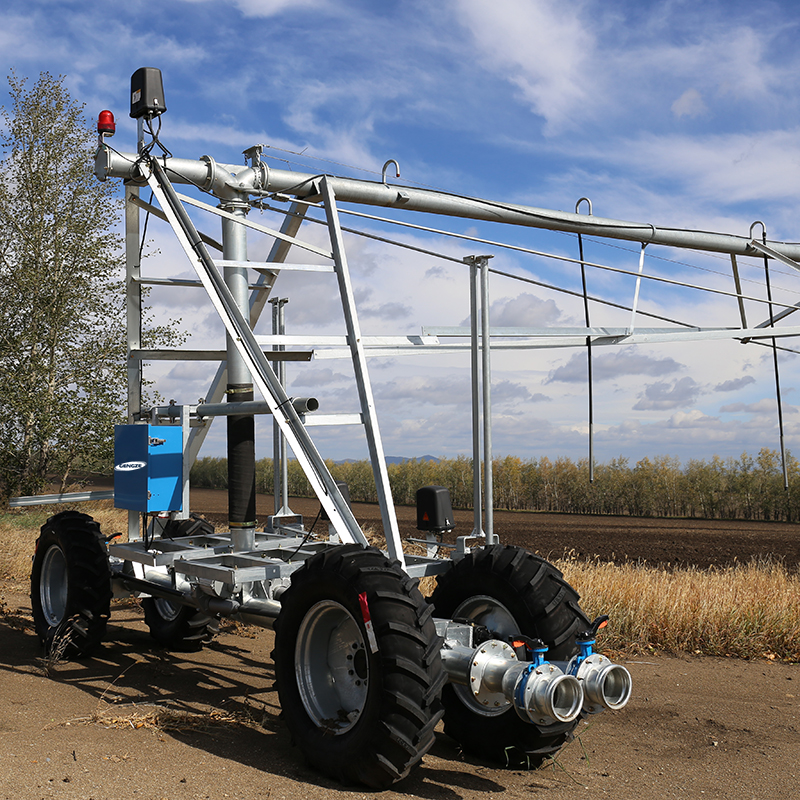
Lateral move irrigation systems are crucial for efficient water management in agriculture, allowing for precise water application across fields. As a B2B buyer whether you are a purchasing manager, distributor, or product manager your primary concerns likely include system efficiency, compatibility with existing operations, and overall cost-effectiveness. This article will provide you with valuable insights on selecting the right lateral move irrigation system for your needs, key specifications to consider, common applications, and potential issues you may encounter, along with solutions to address them.
When selecting a lateral move irrigation system, start by evaluating your specific agricultural requirements. Consider factors such as field size, crop type, and soil conditions, as these will influence the system’s design and capacity. Look for systems that offer adjustable settings for variable rates of water application, as this adaptability can optimize water usage based on real-time conditions.
Additionally, assess the ease of installation and maintenance for the systems you are considering. A system that can be easily integrated into your existing infrastructure will save time and reduce labor costs. Finally, inquire about customization options to ensure that the system can be tailored to meet your specific operational needs, such as pipe diameter and control mechanisms.
When purchasing lateral move irrigation systems, several key specifications should be prioritized:
Span Length: This is the distance covered by the system while moving laterally across the field. Longer spans can cover more area but may require more robust support structures.
Water Application Rate: Measured in gallons per minute (GPM), this specification is critical for ensuring that your crops receive adequate hydration without causing waterlogging.
Material Composition: Common materials include galvanized steel and high-density polyethylene (HDPE). Each has its benefits; for example, HDPE is lightweight and resistant to corrosion, while galvanized steel offers durability.
Drive Mechanism: Systems may operate using electric, hydraulic, or mechanical drives. Choose a mechanism that aligns with your operational capabilities and maintenance preferences.
Control Systems: Advanced control systems allow for automated operation based on weather conditions and soil moisture levels, improving irrigation efficiency.
Confirm these specifications with your supplier to ensure they meet your agricultural demands.
As a wholesale buyer, consider the following attributes when evaluating lateral move irrigation systems:
Durability: The system should be designed to withstand harsh weather conditions and frequent use. Investigate the manufacturer's warranty and durability testing processes.
Energy Efficiency: Energy-efficient lateral irrigation systems can significantly reduce operational costs. Look for models that minimize energy consumption through optimized drive systems.
Ease of Use: User-friendly interfaces and straightforward control mechanisms can reduce training time for staff and improve overall operational efficiency.
Service and Support: Evaluate the manufacturer’s customer service reputation. Reliable after-sales support can be invaluable for troubleshooting and maintenance.
Scalability: If you plan to expand your operations, consider how easily the system can be adjusted or expanded to accommodate additional fields or changes in crop types.
Lateral move irrigation systems are versatile and can be applied in various agricultural settings:
Row Crops: Ideal for crops such as corn, soybeans, and cotton, these systems can deliver uniform water application to ensure optimal growth.
Vegetable Production: For high-value crops like tomatoes and peppers, precise irrigation can enhance yield quality and reduce water waste.
Orchards and Vineyards: Lateral move systems can be tailored to fit the unique layout of orchards and vineyards, ensuring adequate hydration without over saturation.
Research and Development: Agricultural researchers utilize these systems to study water efficiency and crop response, providing data that can influence future farming practices.
Understanding these applications can help you select the right system that meets the specific needs of your agricultural operation.
While lateral move irrigation systems are highly effective, buyers should be aware of potential challenges:
Uneven Water Distribution: This can result from improper setup or equipment malfunction. Regular maintenance and calibration are essential to ensure even distribution across the field.
Mechanical Failures: Common issues include drive motor malfunctions and wheel track problems. Establish a routine inspection schedule and ensure that spare parts are readily available.
Soil Compaction: Heavy equipment can lead to compacted soil, affecting root growth. Implementing lighter systems or adjusting the operation schedule can mitigate this issue.
Water Quality Issues: Contaminants in the water supply can damage the system and affect crop health. Regular water quality testing and filtration systems can help maintain optimal water conditions.
By being proactive and addressing these common issues, you can maximize the efficiency and longevity of your lateral move irrigation system.
In summary, understanding the selection criteria, key specifications, applications, and potential issues of lateral move irrigation systems will empower you as a buyer to make informed decisions. This knowledge will not only enhance your operational efficiency but also contribute to sustainable agricultural practices.

Dalian Gengze Agricultural Equipment Manufacturing Co.,Ltd
Copyright © Dalian Gengze Agricultural Equipment Manufacturing Co.,Ltd All Rights Reserved | Blog | Privacy Policy
 EN