Requesting a Call:
Online Support
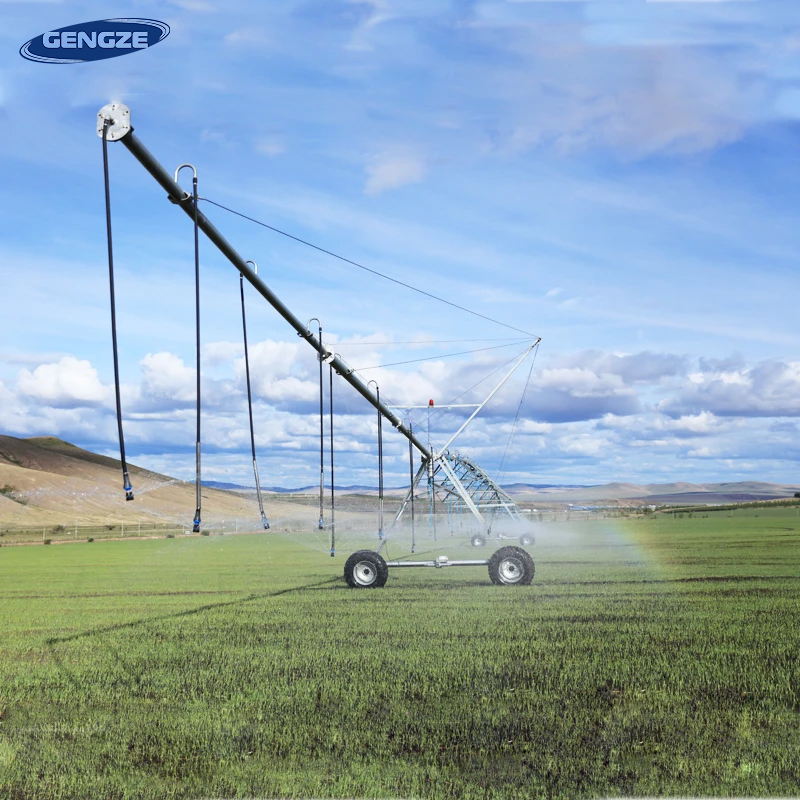
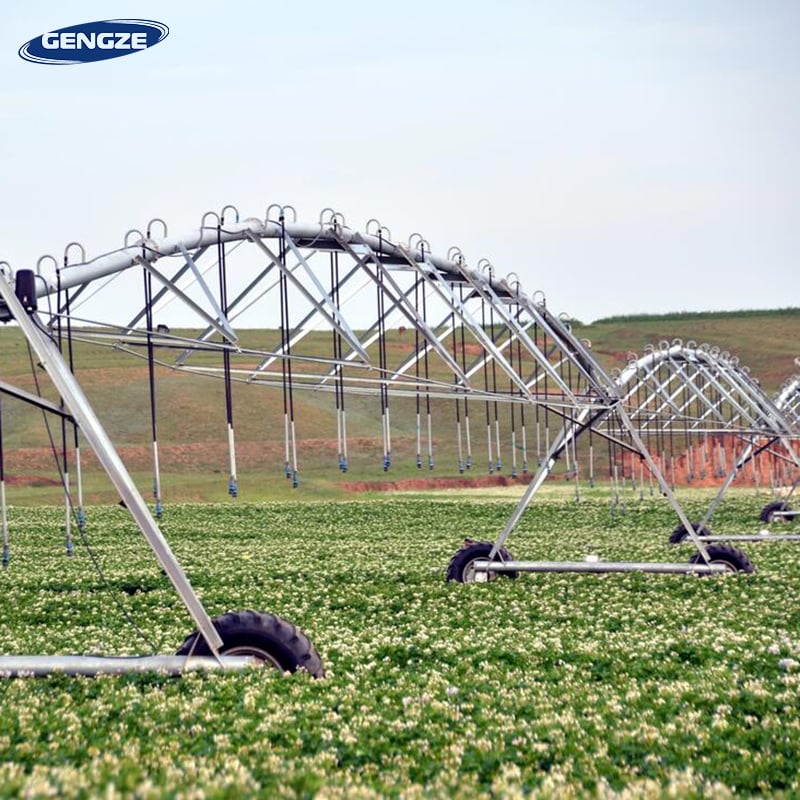
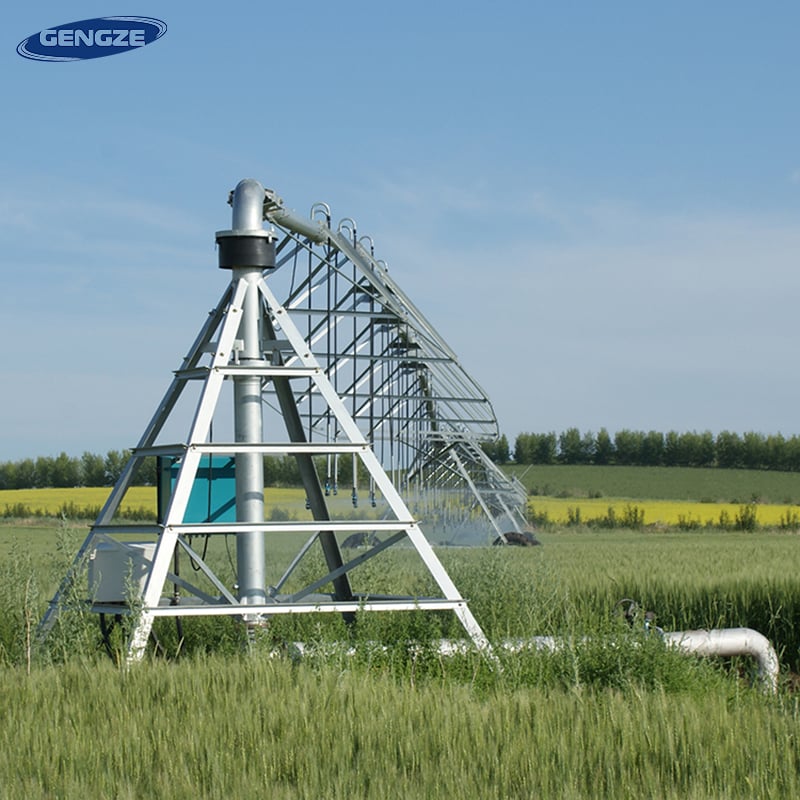
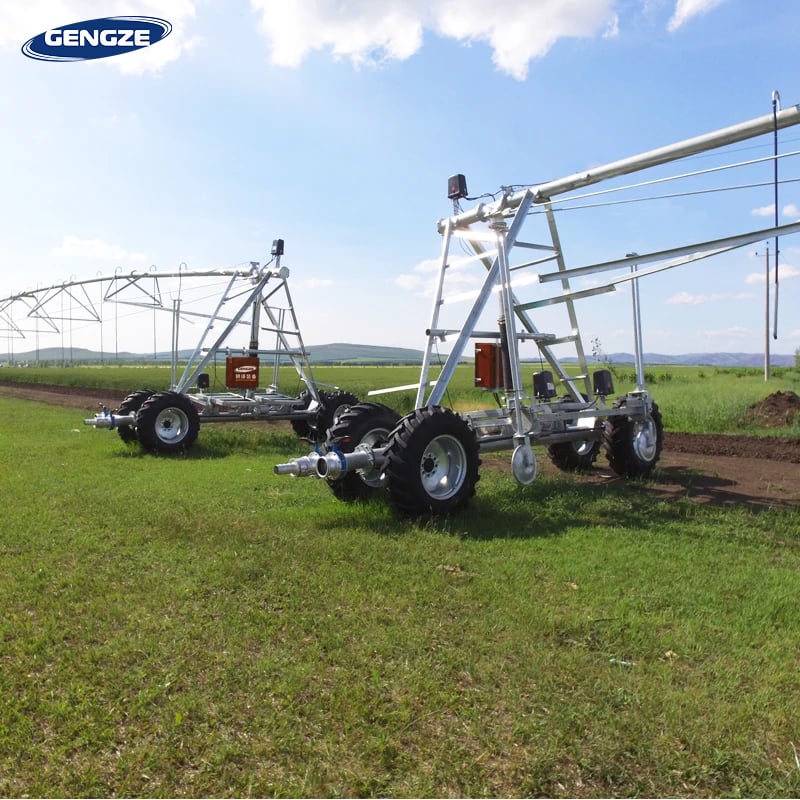
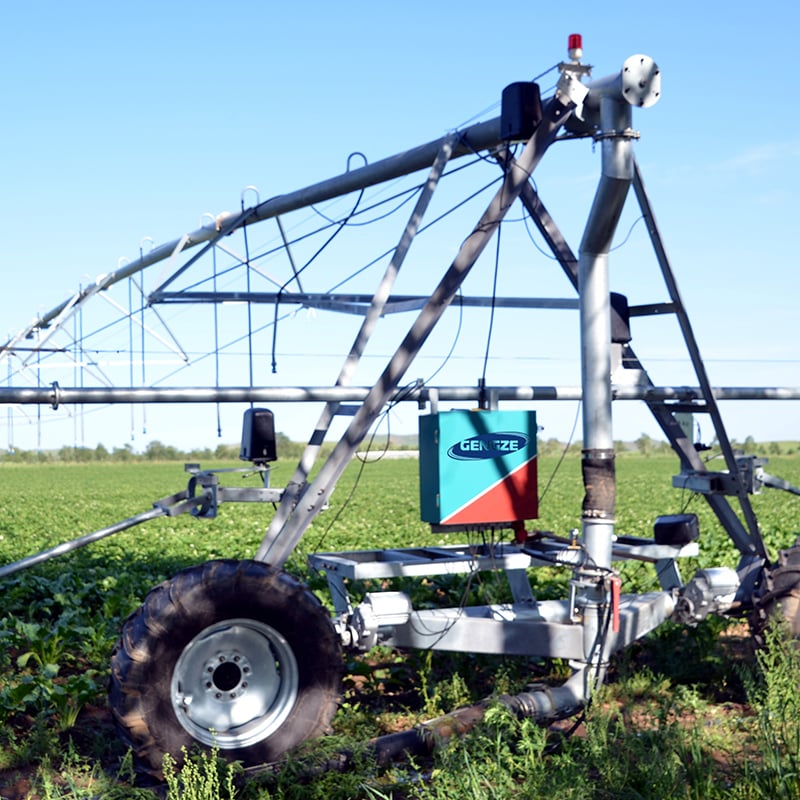
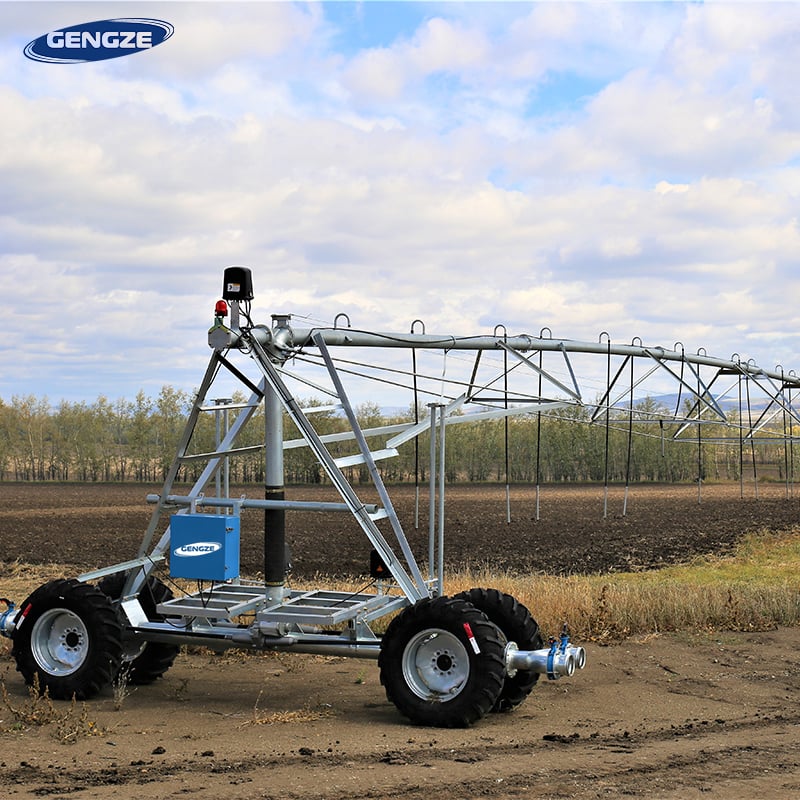
Lateral move irrigation systems are essential tools for precision agriculture, providing uniform water distribution across fields. When exploring the lateral move irrigation systems cost, B2B buyers, including purchasing managers and agricultural engineers, often seek to understand product specifications, supplier reliability, and potential installation challenges. This article will guide you through the key aspects of selecting the right Gengze valley lateral move irrigators system, ensuring you make an informed purchasing decision.
Selecting the right lateral move irrigation system involves assessing your specific agricultural requirements. Factors such as field size, crop type, water source, and budget constraints play crucial roles. First, evaluate the irrigation needs of your crops; for instance, some crops may require more frequent watering than others.
Next, consider the system's reach and operating speed. A system with a longer lateral span may cover larger areas but may require more infrastructure and investment. Additionally, look into the control technology offered—modern systems often include automated features that enhance efficiency and reduce labor costs. It's also vital to assess the local climate and soil type, as these factors can affect water retention and distribution.
Lastly, consult with suppliers about customization options. Many manufacturers, like Dalian Gengze Agricultural Equipment, offer tailored solutions that consider your specific operational needs, leading to greater efficiency and effectiveness in irrigation.
When evaluating lateral move irrigation systems, several specifications are critical to ensure optimal performance:
Span Length: Typically ranges from 100 to 1,500 feet. Longer spans can cover more area but may require more powerful pumps and stable infrastructure.
Drive Mechanism: Systems can be powered by wheels, tracks, or a cable system. Wheel-driven systems are common due to their mobility, while cable systems are often more suitable for uneven terrain.
Water Application Rate: Measured in inches per hour, this specification indicates how much water the system can deliver. It's essential to match this rate with crop water demands to prevent over or under-irrigation.
Pressure Rating: Determines how the system can operate under various conditions. A higher pressure rating allows for more efficient water distribution, particularly over longer distances.
Material Quality: Look for systems made from corrosion-resistant materials, such as galvanized steel or high-density polyethylene, to ensure longevity and reduce maintenance costs.
Understanding these specifications will help you determine which lateral move irrigation system aligns best with your agricultural practices and budget.
Finding a trustworthy supplier for lateral move irrigation systems is crucial for ensuring product quality and post-purchase support. Start by researching manufacturers with a proven track record in agricultural equipment, such as Dalian Gengze Agricultural Equipment. Look for companies that have been in the Gengze lateral irrigator industry for a significant period and have a history of supplying to reputable brands or markets.
Consider attending agricultural trade shows and exhibitions, where you can meet suppliers in person and evaluate their offerings. Additionally, seek recommendations from industry peers or agricultural associations, which can provide insights into reliable suppliers based on firsthand experiences.
When evaluating potential suppliers, assess their customer service, warranty terms, and support services. A supplier that offers robust after-sales support can help resolve any issues that arise during installation or operation.
Installing a lateral move irrigation system can present several challenges, but understanding these can help mitigate potential issues. Common installation concerns include:
Terrain Compatibility: Uneven ground can hinder the system's performance. Conduct a thorough site assessment before installation to identify any topographical challenges.
Water Source Accessibility: Ensure that the water source is adequately accessible for the system's requirements. If the source is too far, consider the cost implications of extending water lines.
Electrical Supply: Many systems require a reliable power source for automation and operation. Verify that your installation site has the necessary electrical infrastructure in place.
Proper Alignment: Incorrect alignment during installation can lead to uneven water distribution. It's essential to follow the manufacturer’s guidelines for alignment and leveling.
Calibration: After installation, proper calibration of the system is crucial to ensure it operates within specified parameters. Neglecting this step can result in inefficient irrigation and crop damage.
Addressing these issues proactively during the installation phase can help optimize system performance and reduce long-term operational problems.
When comparing various lateral move irrigation systems, it’s essential to evaluate them on several fronts:
Cost Analysis: Beyond the initial purchase price, consider the total cost of ownership, including maintenance, operation, and potential repairs.
Performance Metrics: Compare irrigation efficiency, application uniformity, and system reliability across different models. Request performance data or case studies from the manufacturer to understand how the systems have performed in real-world conditions.
Customization Options: Determine whether suppliers offer customization features that align with your specific needs. Customization can enhance system performance and efficiency.
Warranty and Support: Assess the warranty terms and the level of technical support offered. A robust warranty can provide peace of mind regarding long-term investment.
User Feedback: Look for testimonials or reviews from existing customers. This feedback can provide valuable insights into the system's performance and the Gengze lateral move irrigation supplier's reliability.
By systematically comparing these factors, you can make a more informed decision that aligns with your operational requirements and budgetary constraints.
In summary, understanding the intricacies of lateral move irrigation systems, from selection and specifications to installation and supplier evaluation, is vital for making informed purchasing decisions. By following these guidelines, you can enhance your irrigation practices and ultimately improve crop yields while managing costs effectively.

Dalian Gengze Agricultural Equipment Manufacturing Co.,Ltd
Copyright © Dalian Gengze Agricultural Equipment Manufacturing Co.,Ltd All Rights Reserved | Blog | Privacy Policy
 EN