Requesting a Call:
Online Support
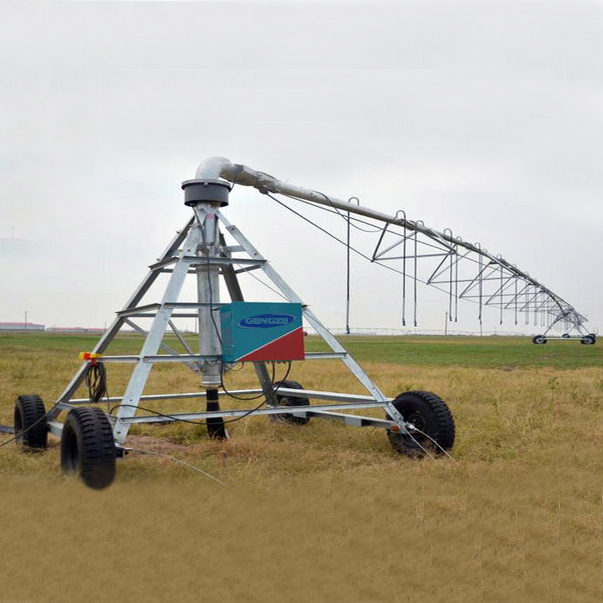
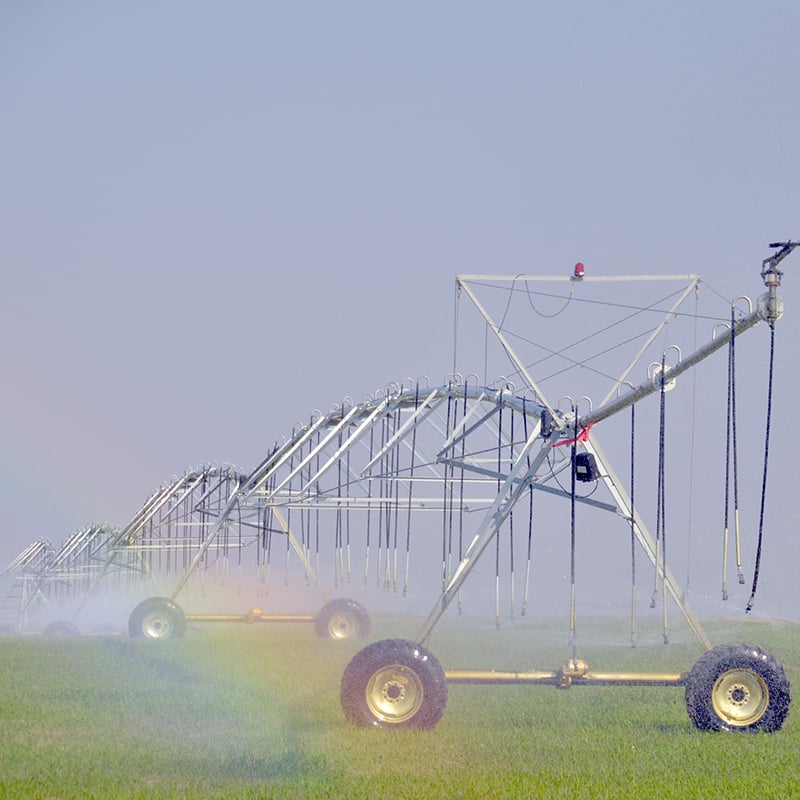
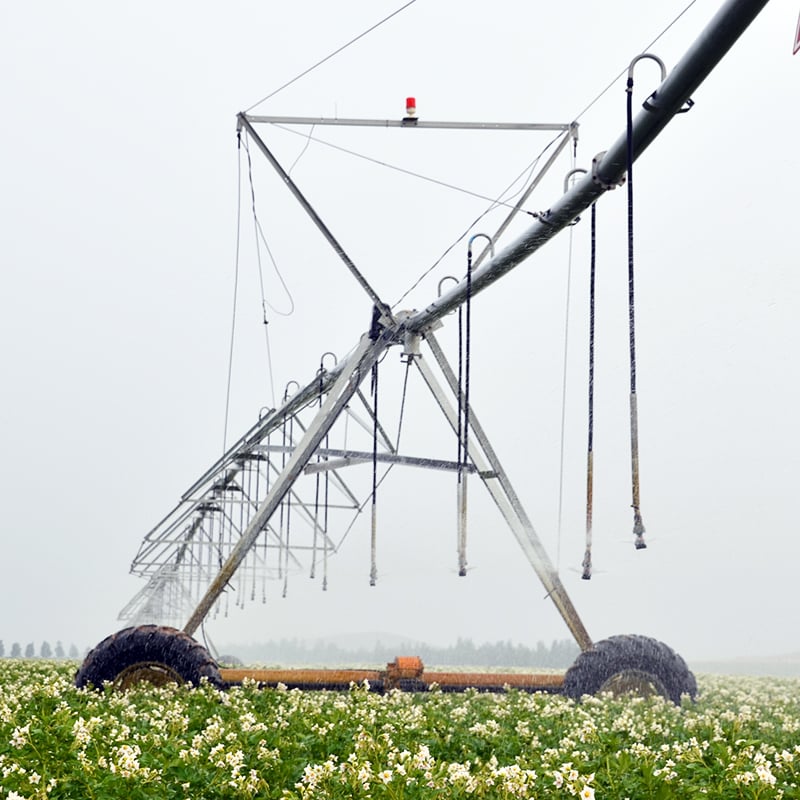
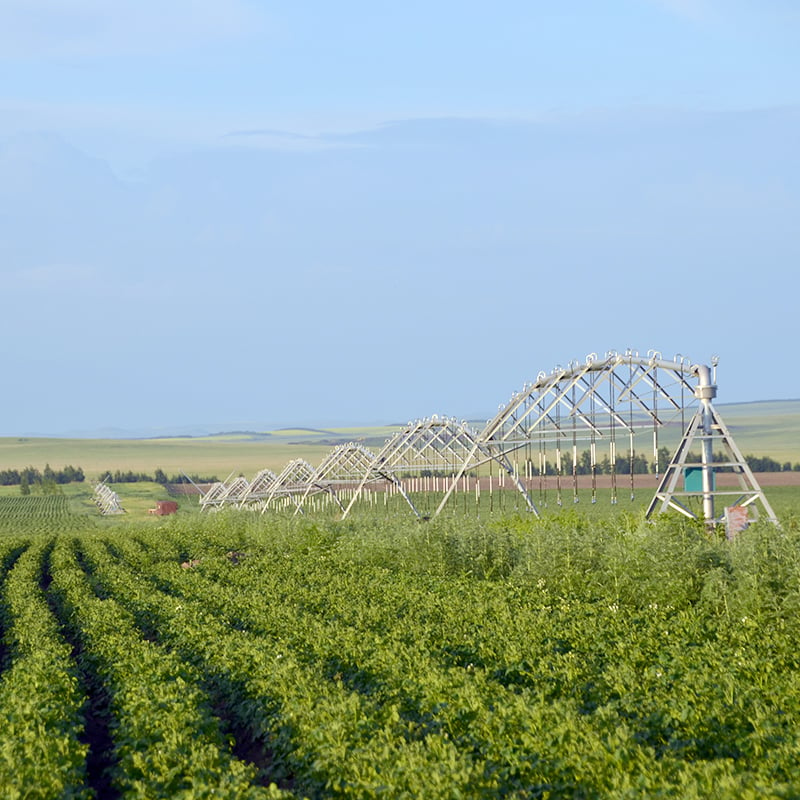
Modern large-scale farming relies heavily on efficient water management to boost crop yields, cut operational costs and achieve sustainable development. As a leading automated irrigation solution, the center pivot irrigation system has become a top choice for vast farmlands across the globe. Featuring automatic rotation around a fixed central base, connected pipe spans and precision sprinklers, it delivers even water distribution, requires minimal manual labor and adapts to diverse farming environments. However, picking a well-matched unit is never a random decision. Farmers need to evaluate field conditions, crop demands, water resources, equipment quality, after-sales service and long-term operating needs comprehensively. Combined with practical industry experience and mature product specifications, this guide elaborates key considerations to help large farms select the most suitable center pivot irrigation system.
1. Assess Field Conditions First
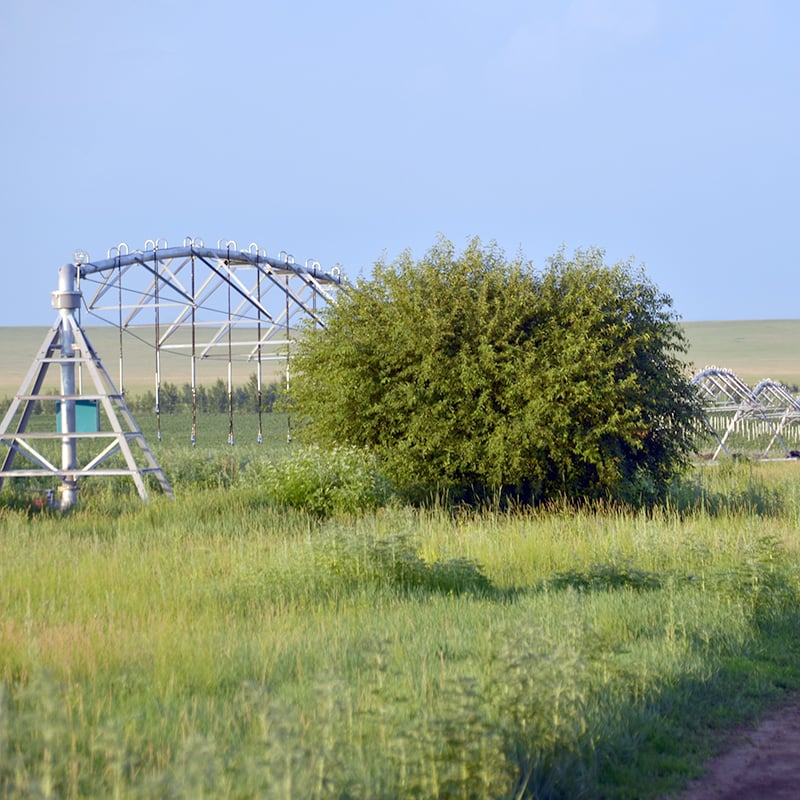
Field size, shape, terrain gradient and soil type lay the foundation for model selection and overall layout.
1.1 Field Size and Layout
Center pivot machines are designed for large, continuous farmland. Standard units cover a wide irrigation radius, with multiple span combinations to fit different acreages. For regular square or circular fields, standard multi-span center pivots work perfectly to realize full circular irrigation. If your land is rectangular or has blind irrigation zones at corners, you can equip the system with corner arms or end guns to maximize land utilization. For scattered or narrow and long plots, a towable center pivot is a practical alternative, which can be pulled by a tractor to serve multiple fields and realize multi-site irrigation with one device.
Before designating a plan, conduct a full field survey to mark obstacles such as trees, buildings and power lines. Adjustable folding spans are ideal for farms with frequent field barriers, allowing the machine to fold partial spans temporarily to avoid collisions and resume normal work afterward.
1.2 Terrain and Slope
Terrain is a critical factor affecting operational stability. Most standard center pivot systems can operate steadily on land with a slope within 25° to 30°. For undulating ground, prioritize models equipped with ball joint connections between spans. This flexible connecting structure buffers vibration and terrain changes effectively, preventing pipe deformation, water leakage and mechanical tilting during rotation. Steeper slopes require upgraded anti-slip tires, reinforced tower legs and synchronous protection devices to guarantee safe operation.
1.3 Soil Properties
Different soil types determine irrigation intensity and sprinkler selection. Sandy soil has fast water infiltration, so low-flow sprinklers and frequent small-volume irrigation are recommended to avoid water loss. Clay soil absorbs water slowly and is prone to surface runoff; choose sprinklers with moderate water output and reduce the machine’s traveling speed to extend infiltration time. Loamy soil, the most farm-friendly soil type, is compatible with nearly all standard sprinkler configurations. Besides, soft soil requires wide, anti-sink tires to prevent deep wheel ruts and protect farmland.
2. Match the System with Water Supply Conditions
A stable water source is the prerequisite for reliable irrigation. You need to confirm water flow, working pressure and water quality before finalizing equipment parameters.
The standard working pressure for large center pivot systems ranges from 0.25 MPa to 0.35 MPa. If the water pressure from wells, rivers or reservoirs is unstable, install pressure regulators to ensure consistent water output of all sprinklers. When the water supply is insufficient to meet peak irrigation demand, supporting booster pumps are necessary.
Water quality also matters a lot. Water containing sediment, impurities or mineral substances may block pipelines and sprinklers. A high-quality filter installed at the water inlet can effectively solve this problem. For areas with corrosive water, select pipes with rubber liners and steel components processed with hot-dip galvanization after welding. These anti-corrosion treatments greatly extend the service life of pipes and metal structures under long-term outdoor use.
3. Select Configuration Based on Crop Requirements
Various crops have distinct water demands, root depths and growth features, which decide sprinkler types, irrigation volume and ground clearance of the machine.
For staple field crops like corn, wheat and cotton, classic high-performance sprinklers such as Nelson D3000 are widely adopted. With a reasonable sprinkler spacing, they ensure irrigation uniformity above 90%, meeting the regular water needs of deep-rooted crops throughout growing cycles. For shallow-rooted vegetables, fine-spray and low-flow sprinklers are better to avoid soil hardening and root rot. For high-value orchards and cash crops, targeted spray components can reduce water evaporation and improve water use efficiency.
4. Focus on Core Structure, Drive and Control Systems
The overall structure, drive assembly and intelligent control system determine equipment durability, failure rate and operational convenience, which are core to long-term stable operation.
4.1 Main Structure and Pipelines
Main pipes are the key water delivery part. For large-scale long-span pivots, pipes with a diameter of 168mm (6-5/8 inch) and a wall thickness of 3mm are mainstream choices, striking a balance between water flow capacity and structural firmness. Tower legs, truss angle irons and reinforcing ribs adopt standard steel specifications, and integrally forged parts are superior to ordinary welded parts for higher structural toughness. Flange connections for main pipelines use enough bolts to ensure tight sealing.
4.2 Drive and Power System
Motor power and reducers are configured according to span numbers and field conditions. A 1.5 HP motor matched with a 40:1 reducer is a mature combination for single-span units, delivering stable power and strong load capacity. Electric drive is the first choice for most large farms for its low maintenance cost and flexible speed regulation. For remote areas with unstable power supply, diesel drive systems are available as an alternative. All drive motors should be equipped with overheat protection to avoid burnout after long hours of continuous work.
4.3 Intelligent Control and Safety Protection
Modern farms pursue automated and intelligent management, so a comprehensive control system is essential. Standard control panels support real-time working status monitoring, digital speed adjustment, automatic forward and reverse rotation, and linkage start-stop of water pumps.
Do not ignore safety protection functions. Qualified center pivot systems are fitted with complete protection devices: over/under voltage protection, low-temperature protection, lightning arresters, span synchronous protection, water pressure protection and emergency stop functions. These designs prevent equipment damage caused by extreme weather, voltage fluctuation and mechanical faults. For farms pursuing remote management, optional IoT control systems enable real-time data monitoring, remote parameter adjustment and fault alarm within a long communication range, greatly cutting on-site labor costs.
In terms of electrical components, well-known brands like Schneider and Omron are preferred. They feature stable performance, strong anti-interference ability and long service life, reducing frequent electrical faults in daily operation.
5. Consider Budget, After-Sales Service and Long-Term Value
When budgeting, do not simply chase the lowest price. Low-cost products usually use thin-walled pipes, ordinary anti-corrosion treatment and inferior accessories, which lead to frequent breakdowns and short service life. Compare the overall configuration, material standards and core component brands of different suppliers to evaluate cost-effectiveness comprehensively.
A reliable manufacturer and complete after-sales service are equally important. Professional suppliers can provide one-stop customized irrigation solutions according to your field data, including on-site terrain survey, soil sampling and scheme design. Standard warranty periods of 12 months are widely provided. Regular services cover remote online installation guidance, user operation training and routine maintenance tips. If on-site field installation is required, professional engineers can be dispatched with clear charging standards.
In addition, sufficient spare parts inventory ensures fast maintenance and short downtime. Some manufacturers also offer diversified optional accessories, including end guns, fertilizer applicators and GPS positioning systems, allowing you to upgrade the equipment according to later production demands.
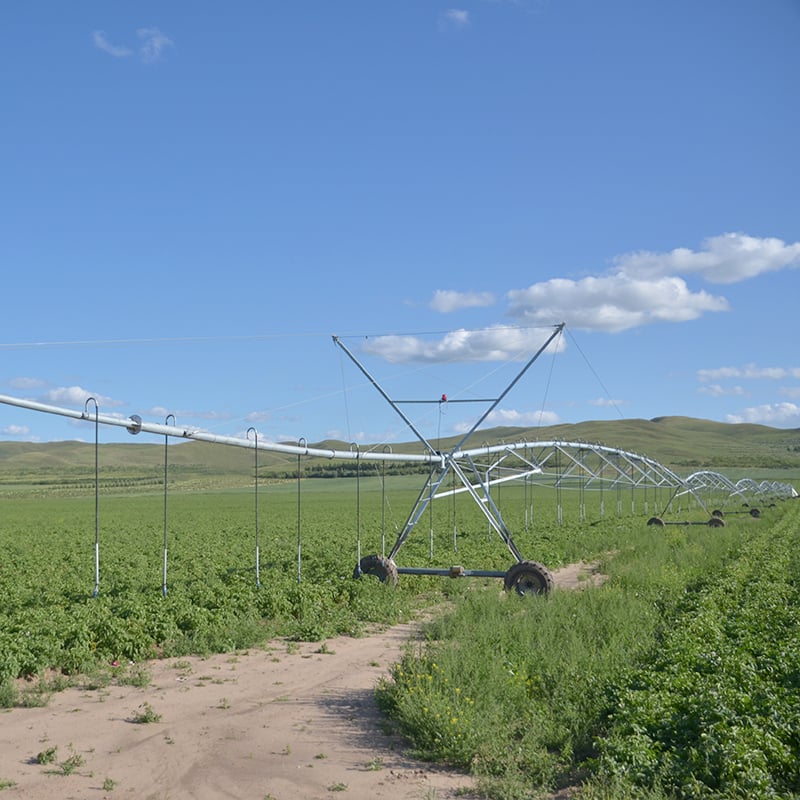
Meanwhile, check the maximum height of mature crops and choose a proper ground clearance for tower legs. A clearance of around 3.27 meters is a common specification, which keeps the machine from crushing tall crops during rotation. If you need to integrate fertilization and irrigation, optional fertigation systems can be added to realize water and fertilizer integration for higher planting efficiency.
6. Final Conclusion
Selecting a suitable center pivot irrigation system requires a combination of field reality, crop demands, water conditions and long-term operation plans. Start with field survey and parameter matching, then inspect structural materials, core components and safety functions, and finally verify the supplier’s qualification and after-sales capacity.
A well-chosen center pivot irrigation system will not only save water, labor and energy for large-scale farms, but also create stable economic benefits for years to come. With reasonable configuration and standardized operation, this efficient irrigation equipment will become a powerful helper for modern, eco-friendly and high-yield agriculture.
 Hot News
2026-09-03
2026-08-28
2026-08-25
2026-08-21
2026-08-18
2026-08-13

Dalian Gengze Agricultural Equipment Manufacturing Co.,Ltd
Copyright © Dalian Gengze Agricultural Equipment Manufacturing Co.,Ltd All Rights Reserved | Blog | Privacy Policy
 EN
EN