Requesting a Call:
Online Support
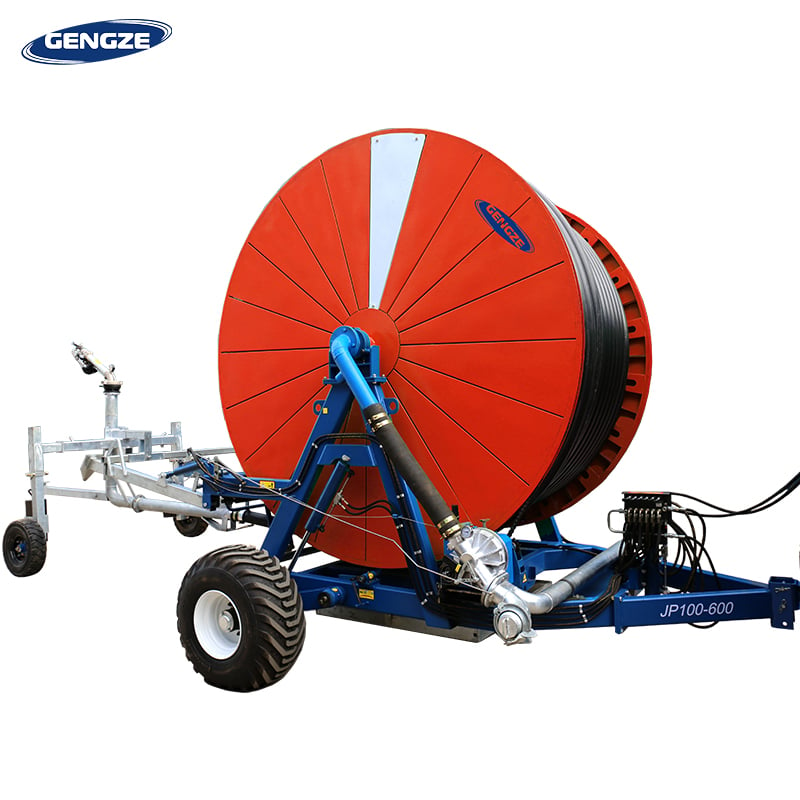
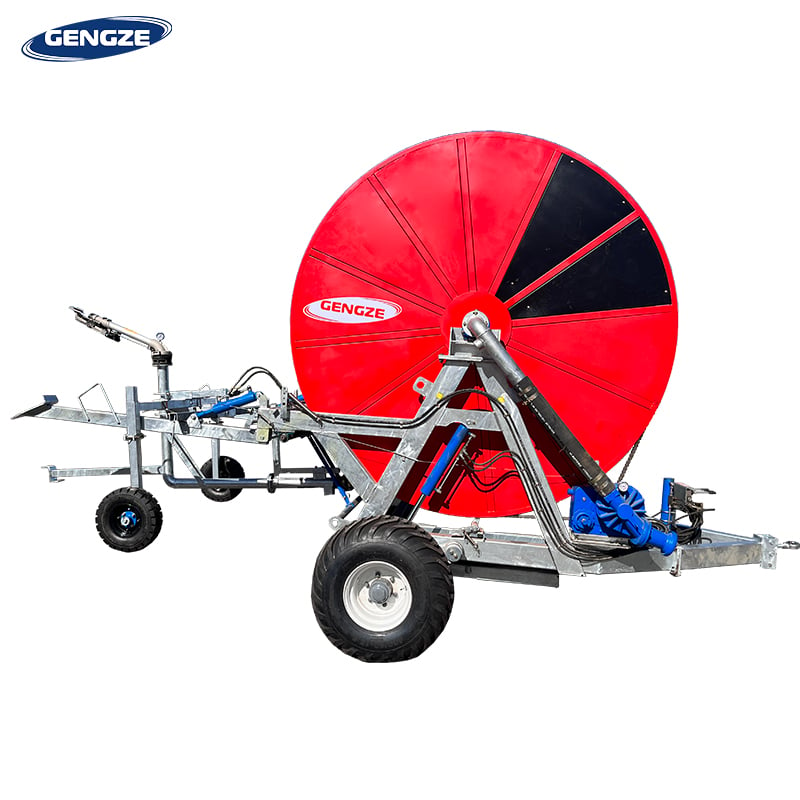
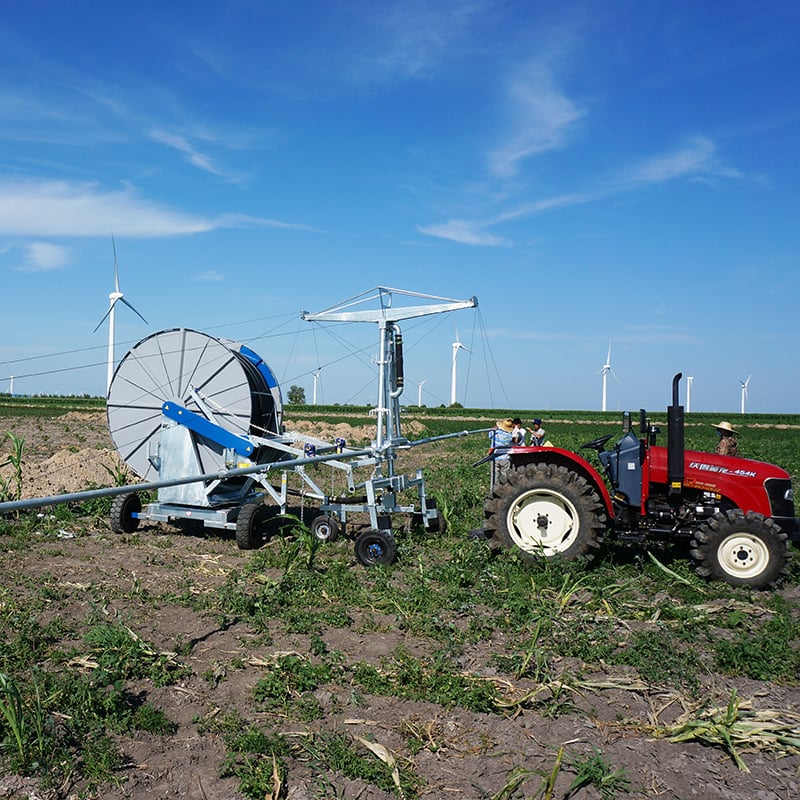
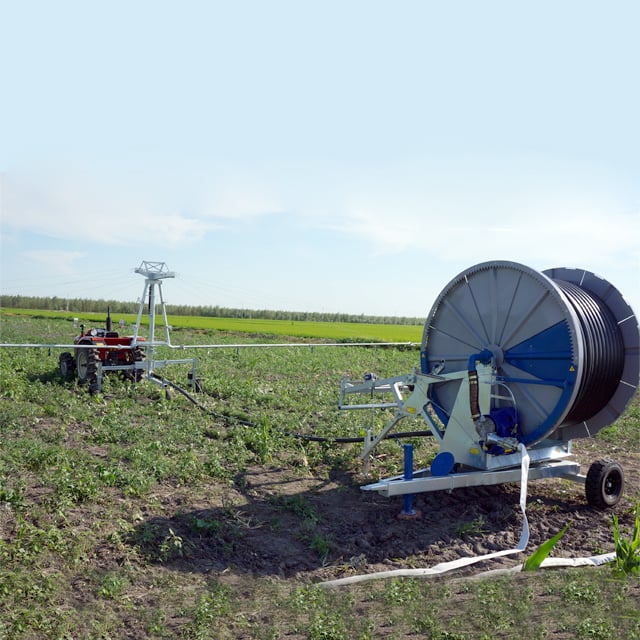
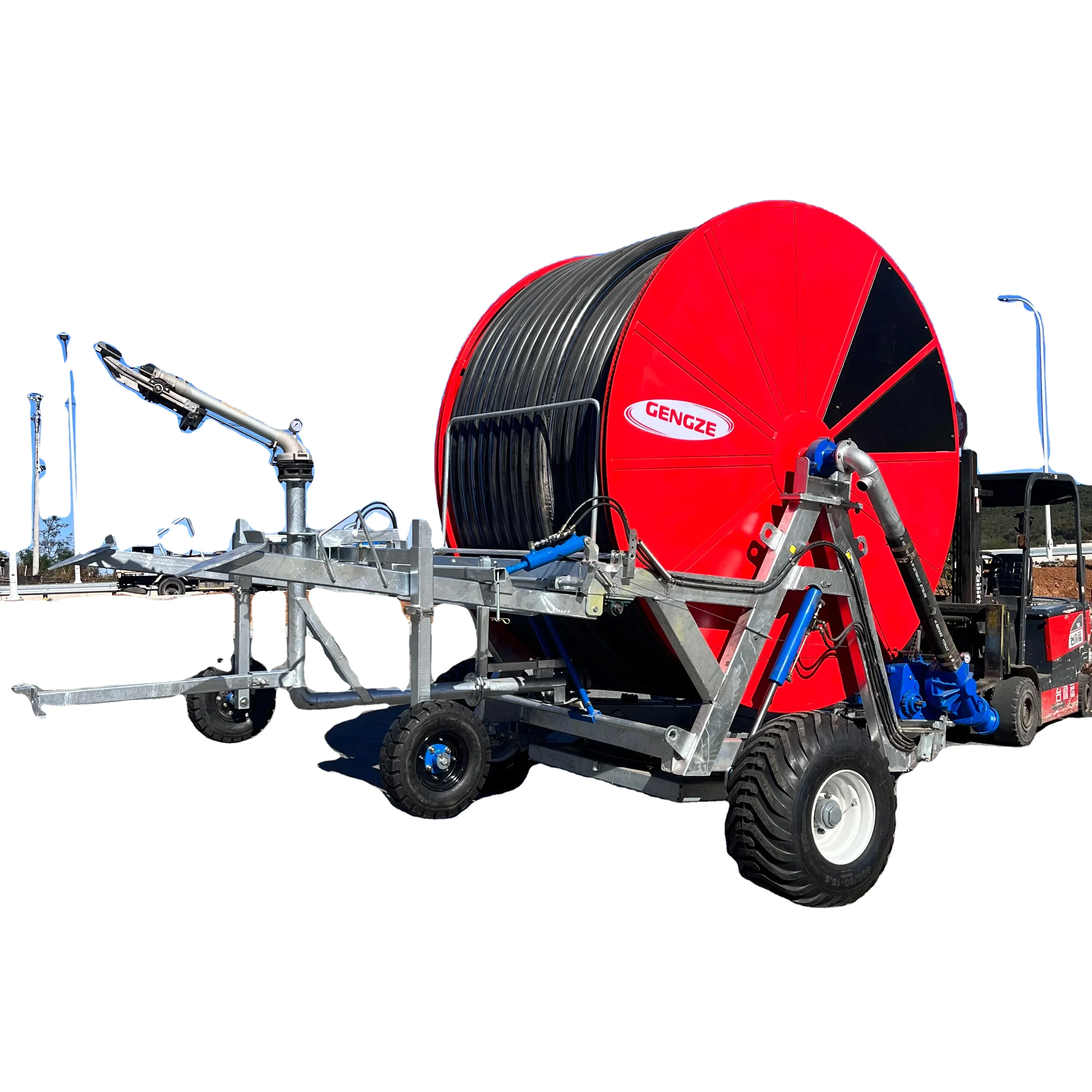
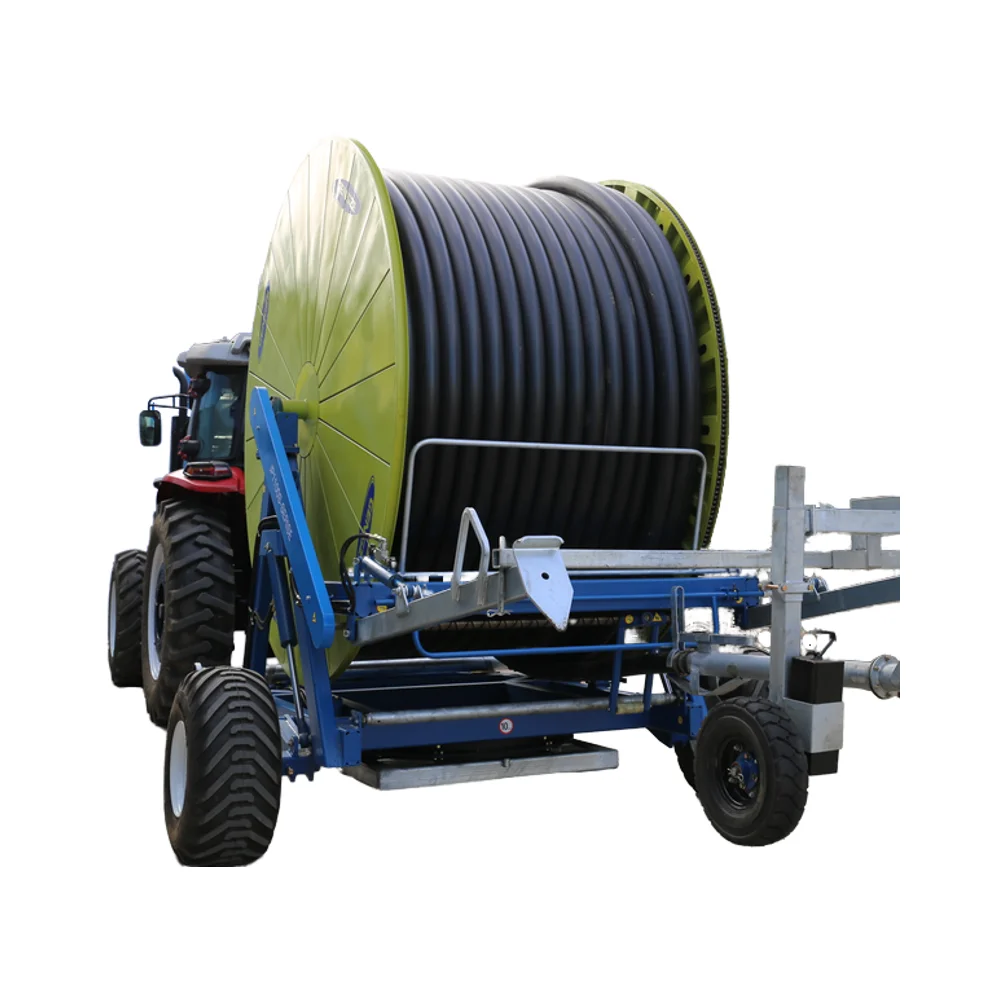
Automatic hose reel irrigation systems are vital tools for efficient water distribution in agricultural operations. Designed to store and dispense hoses automatically, these systems significantly streamline irrigation processes, reduce labor costs, and enhance water management. B2B buyers, including purchasing managers and agricultural engineers, often seek reliable, high-efficiency solutions that can withstand diverse environmental conditions while minimizing operational costs. This article will guide you through selecting the right hose reel irrigation, understanding key specifications, evaluating cost factors, troubleshooting common issues, and exploring various applications in agriculture and beyond.
Selecting the appropriate automatic hose reel irrigation system involves considering several critical factors, including the size of the area to be irrigated, the type of crops, and the available water source. Start by assessing the specific irrigation needs of your operation. For large fields, look for systems with longer hose lengths and larger reel capacities. Conversely, smaller operations may benefit from compact systems that are easier to manage.
Additionally, evaluate the type of drive mechanism. Some systems use electric motors, while others may be powered by hydraulic systems. Electric systems are often quieter and require less maintenance, while hydraulic options can provide more power for larger operations.
Finally, consider the system's compatibility with existing irrigation infrastructure. Ensure that the automatic hose reel can integrate seamlessly with your current watering setup and that it offers the necessary adaptability for future expansions or changes in crop management strategies.
When reviewing Gengze automatic hose reel irrigation systems, focus on key specifications that influence performance:
Hose Length and Diameter: Longer hoses allow for greater coverage, while diameter affects water flow rate. Ensure the specifications meet your agricultural needs.
Water Pressure Compatibility: The system should operate effectively within the pressure range of your water source. Low-pressure systems may struggle to distribute water evenly, while high-pressure systems can lead to wastage.
Construction Material: Durable materials such as high-density polyethylene (HDPE) or stainless steel can withstand harsh environmental conditions and resist corrosion. Understanding the material's strength and weather resistance is critical.
Reel Capacity: The reel’s capacity determines the amount of hose it can hold. A system with a larger capacity reduces the frequency of reel changes and maintenance downtime.
Control System: Advanced control systems allow for programmable hose reel irrigation system schedules, which can enhance water efficiency and crop health.
These specifications directly impact efficiency, reliability, and cost-effectiveness, making them essential considerations in the purchasing process.
The total cost of a Gengze automatic hose reel irrigation system encompasses several factors beyond the initial purchase price. Key elements include:
Equipment Cost: This includes the price of the hose reel itself and any additional components such as pumps or filters.
Installation Expenses: Installation can be labor-intensive, especially if modifications to existing irrigation systems are necessary. Budget for installation costs to ensure a smooth setup process.
Maintenance and Operating Costs: Regular maintenance ensures longevity and performance. Consider costs associated with routine inspections, repairs, and potential parts replacements.
Water Source and Utility Costs: Evaluate the cost of water usage, as efficient systems can significantly reduce water consumption and associated utility expenses over time.
Customization Fees: If your operation requires specific modifications, be prepared for additional costs associated with custom solutions.
Understanding these factors will help you determine the overall investment required and evaluate the long-term value of the irrigation system.
Automatic hose reel irrigation systems can experience several common issues that may disrupt operations. Awareness of these problems and their solutions can aid in effective management:
Hose Tangles: Hoses can become tangled during retraction. To mitigate this, ensure the reel is properly maintained, and inspect for kinks or damage regularly.
Pressure Fluctuations: Irregular water pressure can lead to uneven irrigation. Regularly check the system’s pressure settings and make adjustments as needed to maintain consistent flow.
Mechanical Failures: Wear and tear on mechanical components can lead to system failures. Establish a proactive maintenance schedule to monitor and replace worn parts before they fail.
Control System Malfunctions: Digital or programmable systems may occasionally malfunction. Ensure that operators are trained to troubleshoot basic issues and that a technical support plan is in place for more complex problems.
By recognizing these potential issues and implementing preventive measures, you can enhance the reliability of your automatic hose reel irrigation system.
Gengze Automatic hose reel irrigation systems are versatile tools with applications extending beyond traditional agriculture. Here are several key areas where these systems are beneficial:
Row Crops: Ideal for row crops such as vegetables and fruits, where precise irrigation can enhance yield and reduce water waste.
Orchards: These systems can provide efficient irrigation to orchards, ensuring that water reaches the root zone without oversaturation.
Greenhouses: In controlled environments, automatic hose reels can facilitate consistent moisture levels, essential for plant health.
Sports Fields and Parks: Beyond agriculture, these systems are valuable in maintaining lush, healthy landscapes in public parks and sports fields.
Construction Sites: They can also manage dust control and landscape watering on construction sites, ensuring compliance with environmental regulations.
By understanding the diverse applications, buyers can make informed decisions about how these systems can best serve their specific needs.
In summary, the selection and utilization of hose reel irrigation machine can significantly affect water management and operational efficiency in agricultural and commercial applications. By considering the outlined factors, you can make informed decisions that align with your operational goals and ensure optimal performance and sustainability.

Dalian Gengze Agricultural Equipment Manufacturing Co.,Ltd
Copyright © Dalian Gengze Agricultural Equipment Manufacturing Co.,Ltd All Rights Reserved | Blog | Privacy Policy
 EN