Requesting a Call:
Online Support
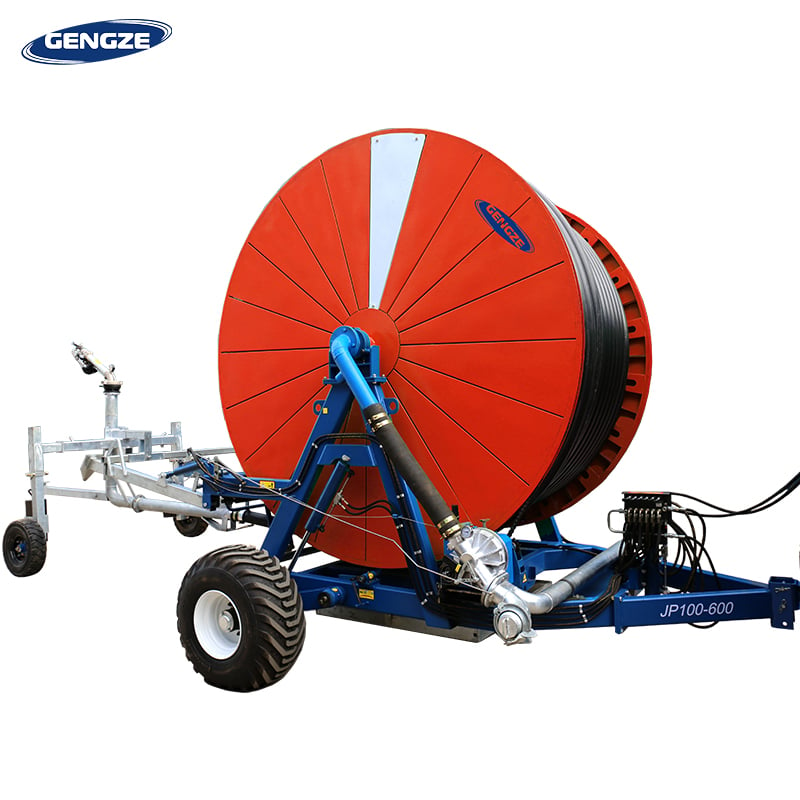
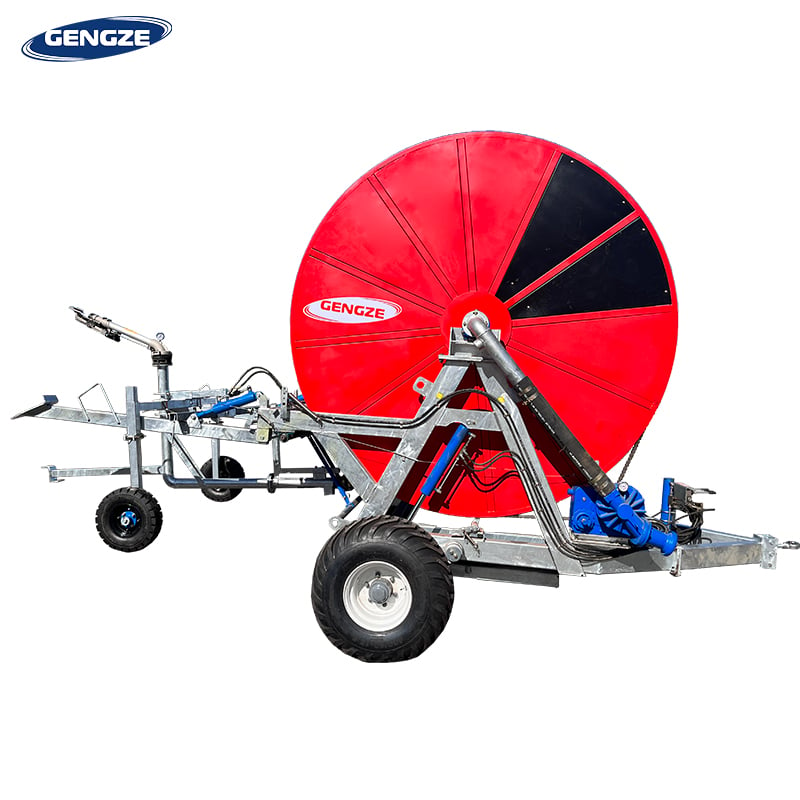
When considering hose reel irrigation equipment for agricultural applications, buyers must navigate a range of options tailored to different farming needs. This article will explore essential factors to consider during the purchasing process, from product specifications to common installation issues. Understanding these elements will help purchasing managers, distributors, and engineers make informed decisions that align with their operational requirements and budget constraints.
Purchasing hose reel irrigation equipment involves assessing various factors that impact performance, cost, and suitability. Key considerations include:
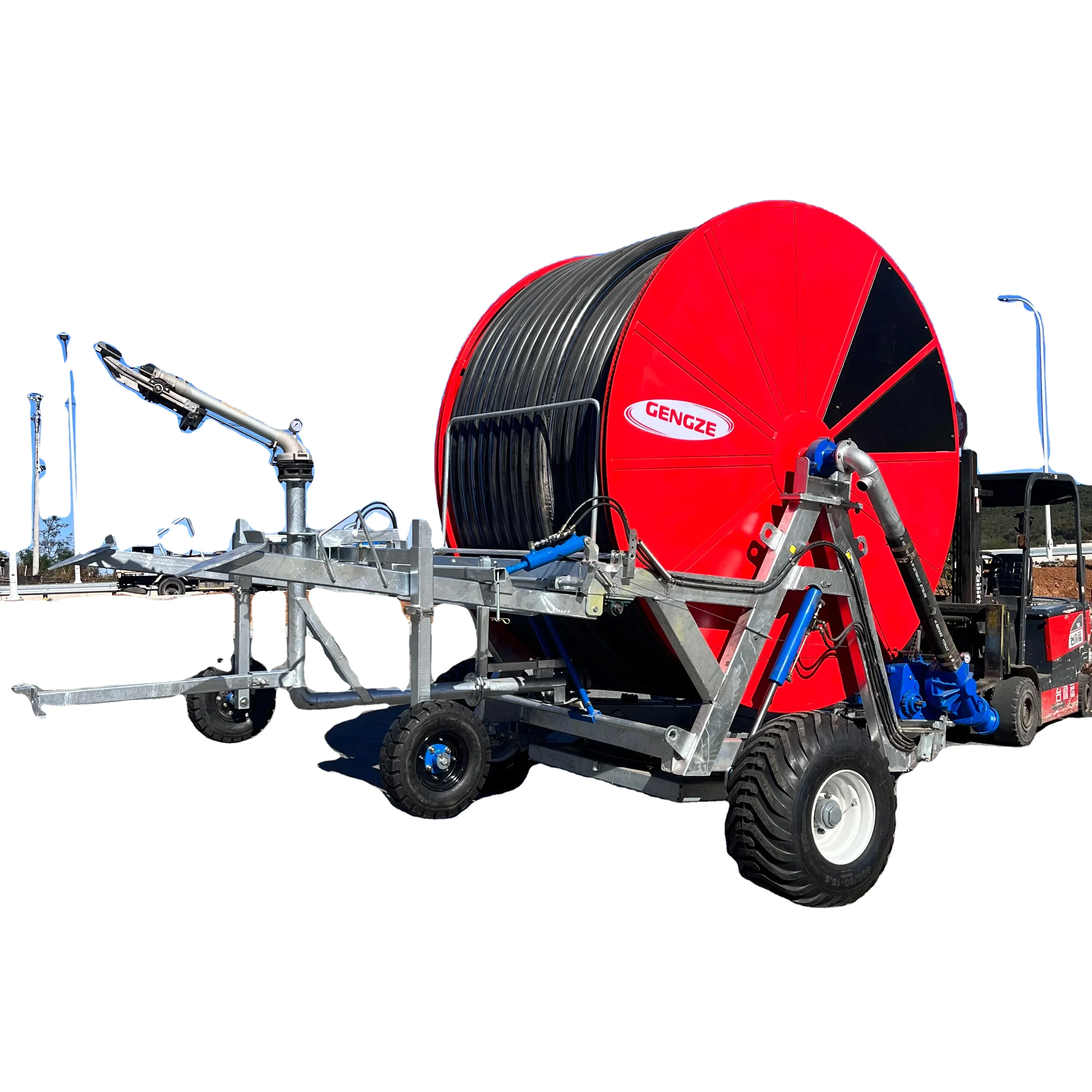
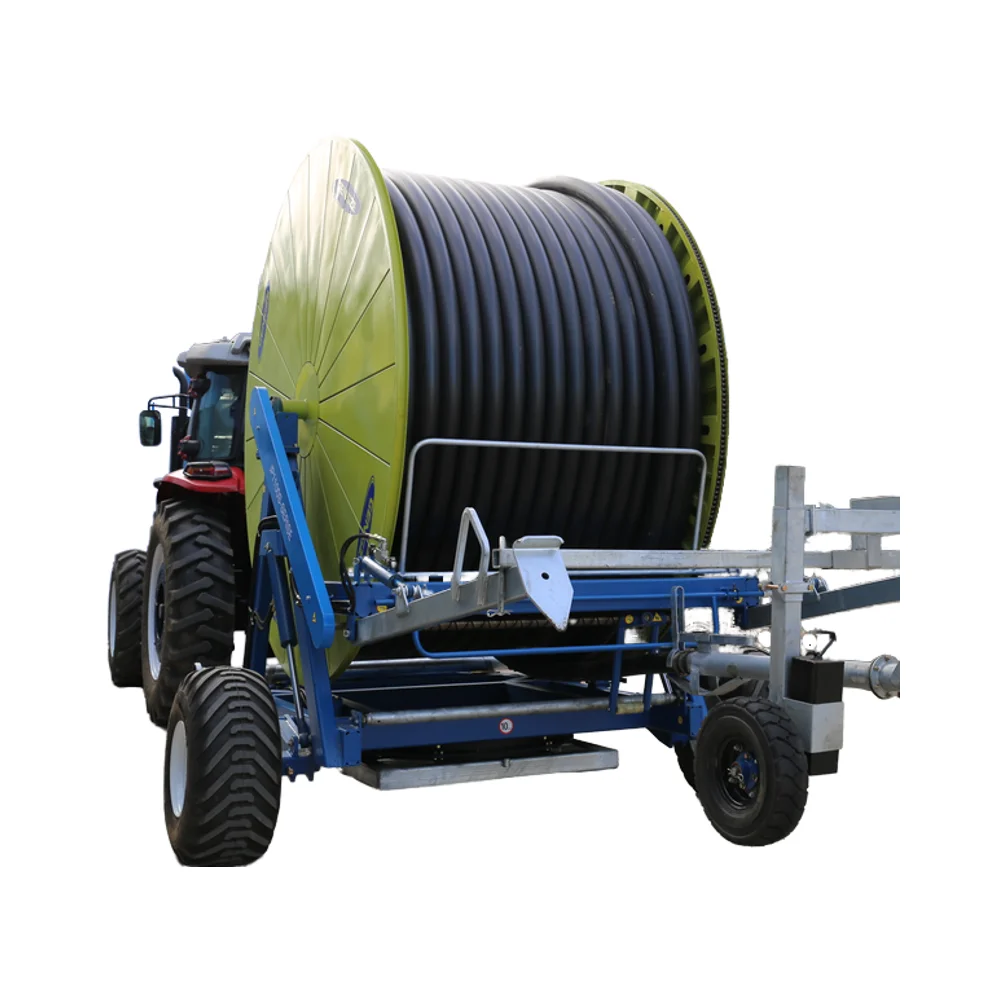
Specifications: Buyers should evaluate the reel's capacity, hose length, and materials used. For instance, a higher capacity reel can handle larger irrigation areas but may require more robust structural materials to withstand the elements.
Customization: Many manufacturers, including Dalian Gengze Agricultural Equipment Manufacturing Co., Ltd, offer customization options to meet specific agricultural needs. Buyers should inquire about available features such as adjustable hose lengths, varying reel sizes, and specific nozzle types.
Quality Assurance: Verify the manufacturer's quality control processes. Look for certifications or standards they adhere to, ensuring that the equipment can withstand rigorous agricultural conditions.
Pricing and MOQ: Understanding the minimum order quantity (MOQ) can help buyers plan their purchases effectively. Pricing can vary based on customization, material selection, and order volume, so it's essential to request detailed quotations.
Lead Times: Inquire about production lead times, especially if the equipment is customized. This will help manage expectations regarding delivery schedules.
By focusing on these factors, buyers can ensure they select hose reel irrigation that meets their operational requirements and budget.
When evaluating hose reel irrigation systems, buyers should consider several key attributes:
Material Quality: The materials used in the construction of the hose reel affect durability and performance. Corrosion-resistant materials, such as stainless steel or high-grade aluminum, are ideal for longevity, especially in wet environments.
Performance Specifications: Look for technical specifications that detail pressure ratings, flow rates, and hose compatibility. Understanding these parameters ensures the system can adequately meet the watering needs of various crops.
Ease of Use: Features such as automatic rewind, adjustable speed settings, and user-friendly controls can significantly enhance usability. Buyers should assess whether the system can be operated efficiently by farm workers.
Maintenance Requirements: Consider the maintenance demands of the system. Equipment that requires frequent servicing may lead to increased downtime, affecting overall productivity.
Warranty and Support: A comprehensive warranty and reliable customer support are crucial. They provide peace of mind regarding product issues and the availability of spare parts.
By focusing on these factors, buyers can select hose reel irrigation system that deliver efficiency and reliability.
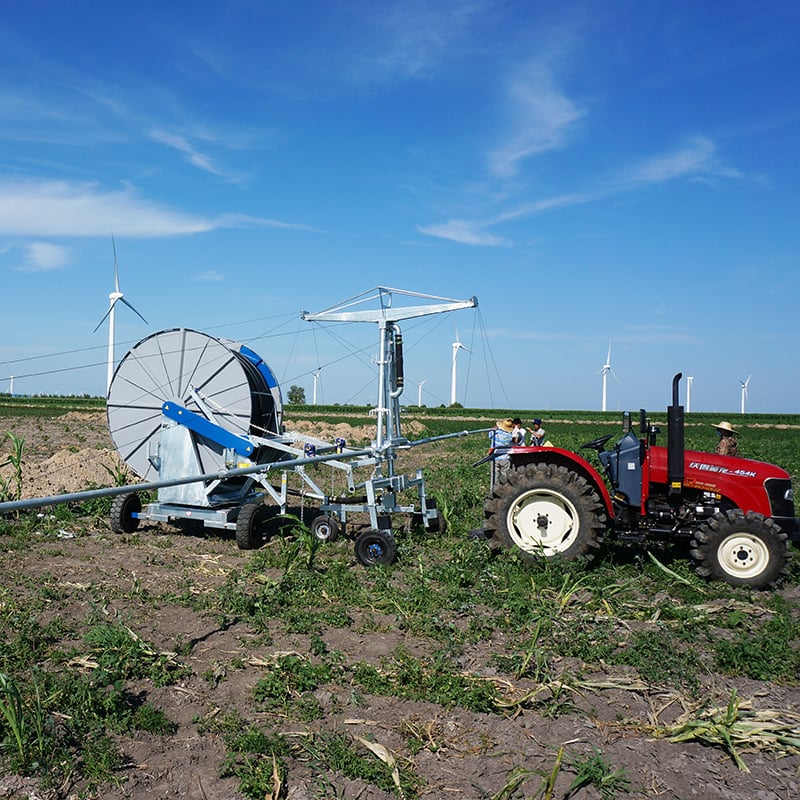
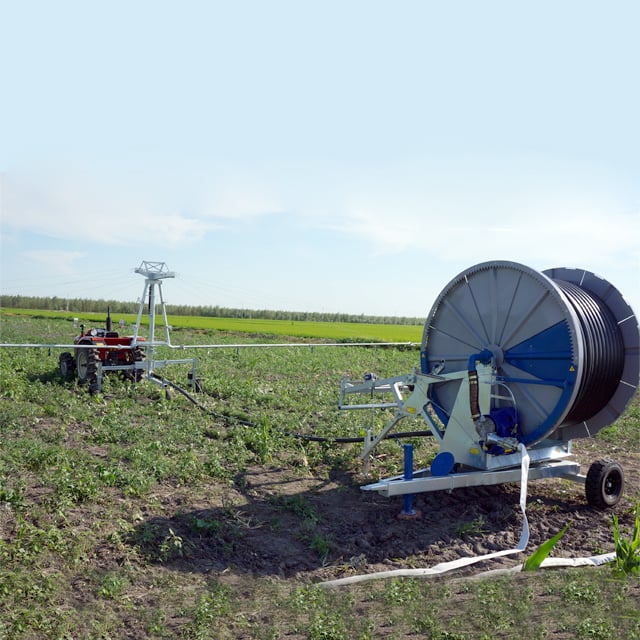
Installing Gengze hose reel irrigation equipment can present various challenges. Awareness of common issues can mitigate potential setbacks:
Incorrect Sizing: One common mistake is selecting a hose reel that does not match the irrigation area. Buyers should ensure that the reel's hose length is adequate for the intended application, taking into account the distance from the water source.
Inadequate Support Structures: Hose reels require stable support structures to function correctly. If the base is not level or strong enough, it can lead to operational failures. Buyers should assess the installation site and prepare the necessary support beforehand.
Hose Kinking and Tangling: Improper hose handling during installation can result in kinks and tangles, compromising water flow. It’s advisable to follow manufacturer guidelines for hose placement and management to avoid these issues.
Water Pressure Fluctuations: Buyers should consider how water pressure impacts installation. Inconsistent pressure can lead to uneven watering. Ensuring a steady water supply is critical for effective irrigation.
Electrical Requirements: If the system includes electric components, proper electrical installation is essential. Ensure that all connections comply with local regulations to avoid safety hazards.
By anticipating these common installation problems, buyers can streamline the setup process and enhance the overall efficiency of their irrigation systems.
Finding reputable suppliers for Gengze hose reel irrigation equipment is crucial for ensuring quality and reliability. Here are some strategies to identify trustworthy manufacturers:
Industry References: Seek recommendations from industry peers or agricultural associations. Referrals can lead to suppliers with a proven track record in providing quality equipment.
Online Research: Utilize online platforms and directories that list manufacturers and distributors specializing in agricultural equipment. Pay attention to customer reviews and ratings to gauge supplier reliability.
Trade Shows and Exhibitions: Attending agricultural trade shows can provide direct insights into various suppliers' offerings. This allows buyers to compare products, ask questions, and establish relationships.
Certifications and Compliance: Verify that potential suppliers adhere to industry standards and certifications. This ensures that their products meet quality and safety regulations.
Trial Orders: Before committing to larger purchases, consider placing trial orders to evaluate the supplier’s responsiveness, product quality, and delivery reliability.
By implementing these strategies, buyers can source reliable hose reel irrigation suppliers that align with their needs.
Maximizing efficiency in farming operations is essential for productivity and profitability. Here are some strategies to enhance the effectiveness of hose reel irrigation systems:
Regular Maintenance: Implementing a planned maintenance schedule can help prevent equipment failures and ensure optimal performance. Regular inspections of the hose, reel, and connections can identify potential issues before they escalate.
Training for Operators: Providing training for farmworkers on the proper use and maintenance of irrigation systems can significantly improve operational efficiency. Well-trained staff can troubleshoot minor issues and operate the equipment more effectively.
Data-Driven Decisions: Utilizing data analytics to monitor water usage and crop water requirements can lead to more efficient irrigation practices. This helps in optimizing water resources according to crop needs, reducing waste.
Integration with Smart Technologies: Investing in smart irrigation technologies can enhance efficiency. Automated systems that adjust hose reel irrigation machine based on weather conditions or soil moisture levels can optimize water usage and reduce labor costs.
Regular Performance Assessments: Conducting periodic evaluations of the irrigation system's performance can identify areas for improvement. This can lead to adjustments in operation or equipment upgrades for better efficiency.
By focusing on these strategies, farmers can maximize the effectiveness of their hose reel irrigation systems and enhance overall productivity.
Dalian Gengze Agricultural Equipment Manufacturing Co.,Ltd
Copyright © Dalian Gengze Agricultural Equipment Manufacturing Co.,Ltd All Rights Reserved | Blog | Privacy Policy
 EN