Requesting a Call:
Online Support
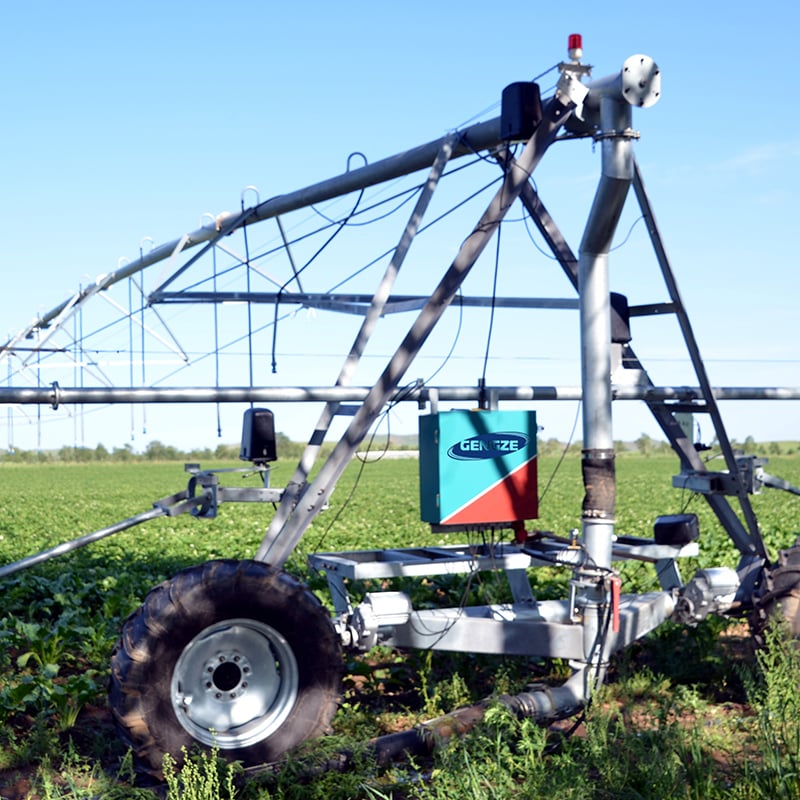
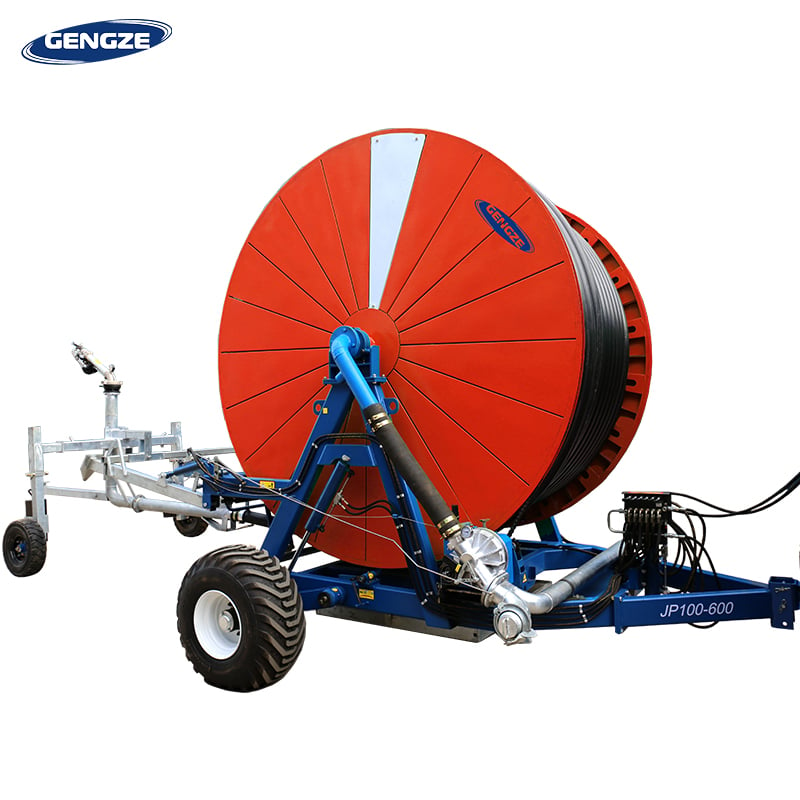
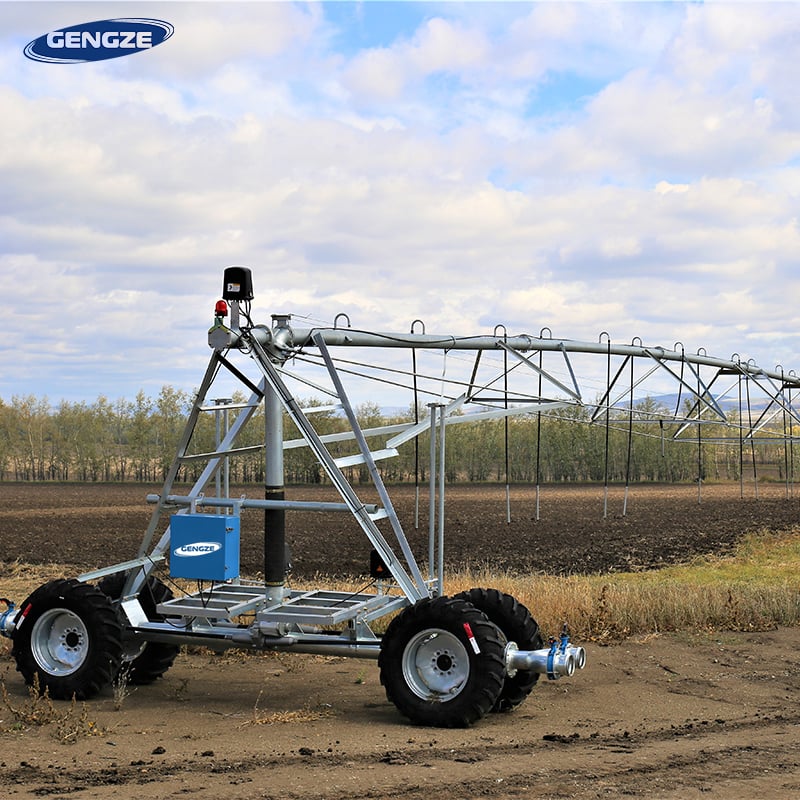
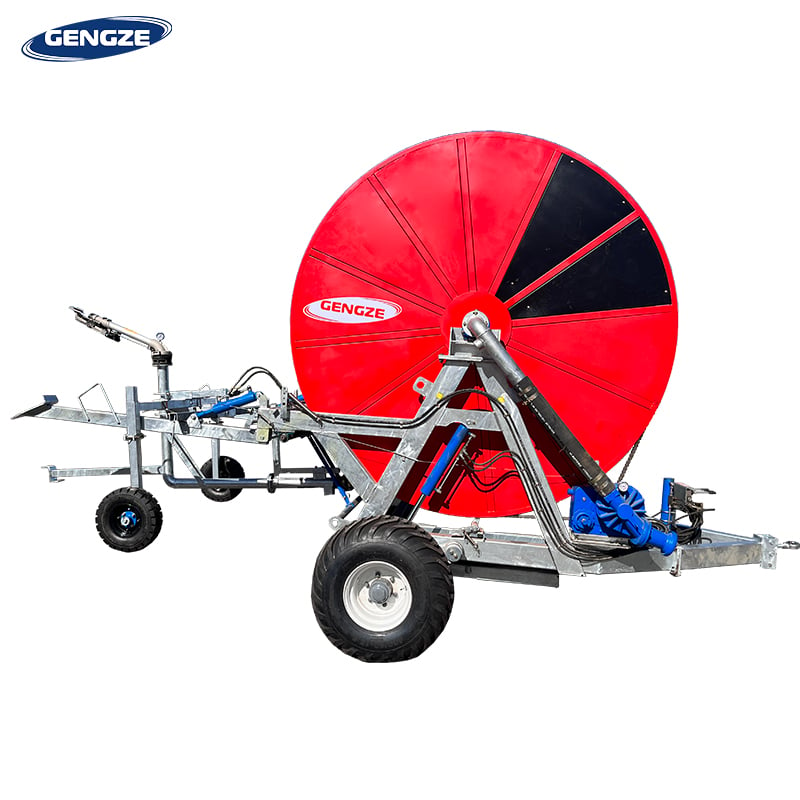
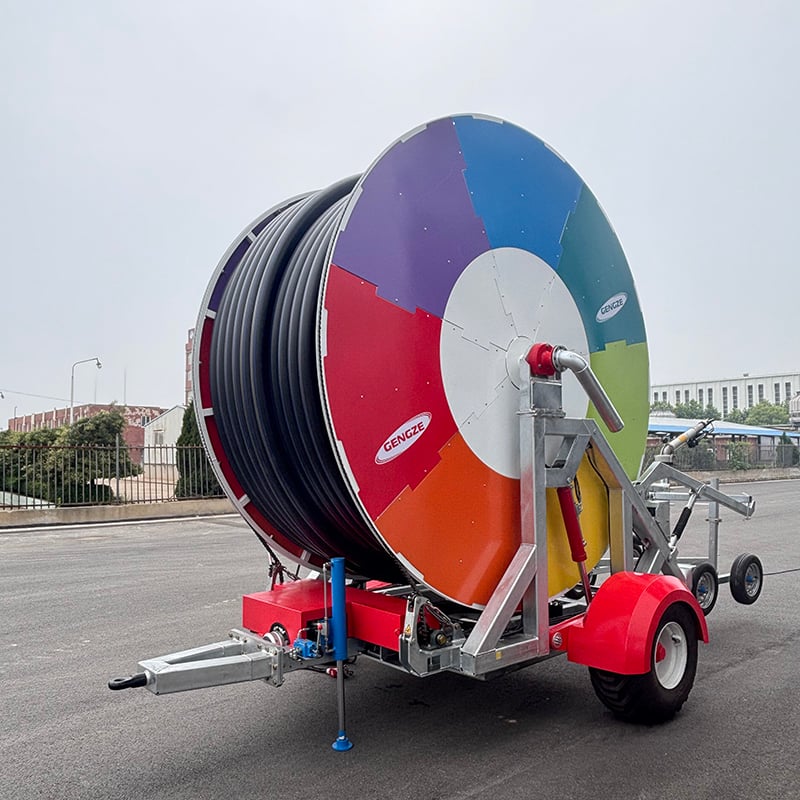
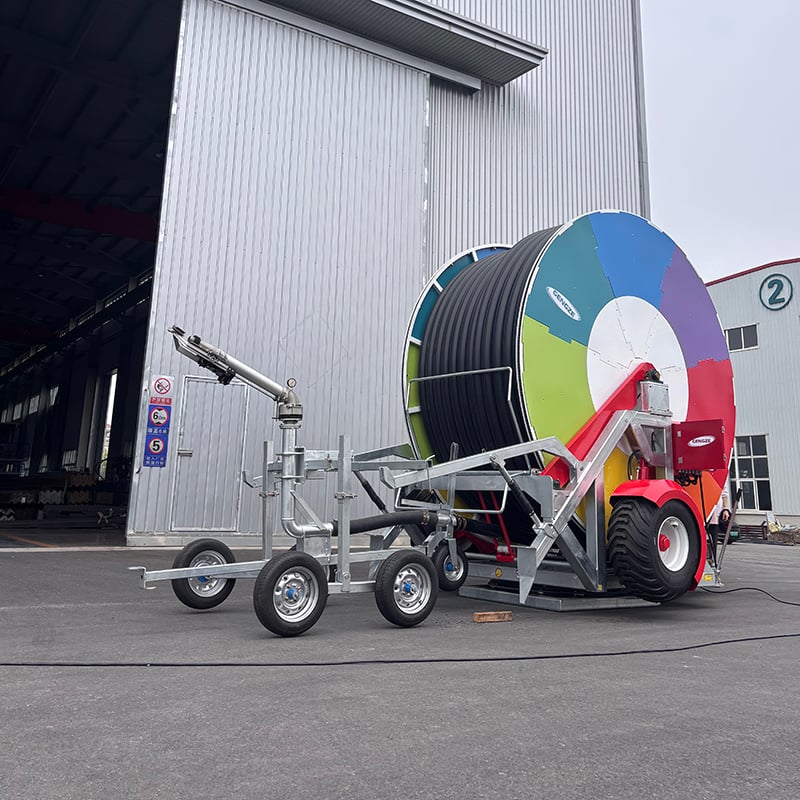
Electric hose reel irrigation systems are essential tools for modern agricultural practices, designed to deliver water efficiently and effectively to crops. With over 20 years of experience in manufacturing agricultural equipment, Gengze irrigation hose reel for sale has established itself as a reliable provider of high-quality irrigation solutions. This article will guide you through the critical considerations for selecting an electric hose reel irrigation system, including key specifications, installation guidance, quality standards, and common issues that may arise during operation.
Selecting the appropriate electric hose reel irrigation system involves several key considerations. First, assess the size and layout of your fields. Systems vary in hose length and reel capacity, which directly impacts their suitability for different agricultural environments. For larger fields, a Gengze hose reel irrigation machine with a longer hose length is essential to ensure water reaches all areas efficiently.
Next, consider the power source. Electric hose reels require a reliable power supply, so evaluate the availability of electricity in your operational area. If your fields are remote or lack consistent power, you may need to explore alternative power solutions or battery-operated models.
Finally, evaluate the water pressure requirements of your crops. Different systems can operate under varying pressure levels, which affects the efficiency of water delivery. Understanding the specific Gengze reel sprinklers irrigation needs of your crops and the pressure capabilities of the hose reel will help you make an informed decision.
When evaluating electric hose reel irrigation systems, several specifications should be prioritized:
Hose Material: The hose should be durable and resistant to UV light, abrasion, and chemical exposure. Common materials include PVC and rubber, each offering different strengths in flexibility and longevity.
Reel Design: Look for a reel that supports smooth winding and unwinding of the hose. A well-designed reel reduces wear and tear on the hose and allows for easy handling.
Motor Specs: The motor should have sufficient torque to handle the weight of the hose and water pressure. Check the wattage and voltage to ensure compatibility with your power source.
Flow Rate: This refers to the amount of water delivered per unit of time, typically measured in gallons per minute (GPM). The flow rate should align with the irrigation needs of your crops.
Control Features: Advanced systems may include remote control features or automated timers, which enhance convenience and efficiency in irrigation management.
Proper installation of electric hose reel irrigation systems is crucial for optimal performance. Here are some essential steps to follow:
Site Preparation: Ensure the installation site is clear of debris and obstacles. The ground should be level to facilitate smooth operation of the reel.
Power Supply Setup: Before installation, confirm the availability of a stable power source. This may require consultation with an electrician to ensure compliance with local electrical codes.
Positioning the Reel: The reel should be positioned close to the water source while allowing sufficient space to unwind the hose. Ensure that the hose can reach the farthest point of your irrigation area.
Testing the System: After installation, conduct a thorough test of the system. Check for leaks, ensure that the hose unwinds smoothly, and verify that the motor operates without any issues.
User Training: Once installed, train your team on the operation of the system, including safety precautions and troubleshooting common issues.
Quality standards play a vital role in the performance and longevity of electric hose reel irrigation systems. Here are some quality factors to consider:
Manufacturing Standards: Ensure that the products meet industry standards and certifications. Look for quality assurance processes that include material testing and performance evaluations.
Durability Testing: Reliable manufacturers will conduct durability tests to simulate long-term use. This helps identify potential failures before they occur in real-world applications.
Warranty and Support: A robust warranty indicates the manufacturer's confidence in their product quality. Additionally, responsive customer support is crucial for addressing any issues that arise post-purchase.
Feedback and Reviews: Research customer feedback and reviews on specific models. This real-world insight can provide valuable information on performance and reliability.
Like any equipment, electric hose reel irrigation systems can encounter problems. Here are some common issues and their solutions:
Hose kinking: Kinking can occur if the hose is not wound properly. Ensure that the hose is evenly wound on the reel and avoid sharp turns during operation.
Motor failure: If the motor fails to start, check the power supply and ensure that connections are secure. If the motor is operational but not performing, it may require servicing or replacement.
Leaks: Leaks can develop at hose connections. Regularly inspect all fittings and seals for wear and replace them as needed to maintain a watertight system.
Inconsistent water pressure: If you notice fluctuations in water pressure, check for blockages in the hose or connections. Ensure that the water source is providing consistent flow and pressure.
By understanding these common problems and their solutions, users can maintain their electric hose reel irrigation systems effectively, ensuring a reliable water supply for agricultural needs.
In summary, selecting and maintaining an electric hose reel irrigation system involves careful consideration of specifications, quality standards, and installation processes. By following the guidance provided, you can make informed decisions that enhance your agricultural productivity.
Dalian Gengze Agricultural Equipment Manufacturing Co.,Ltd
Copyright © Dalian Gengze Agricultural Equipment Manufacturing Co.,Ltd All Rights Reserved | Blog | Privacy Policy
 EN