Requesting a Call:
Online Support
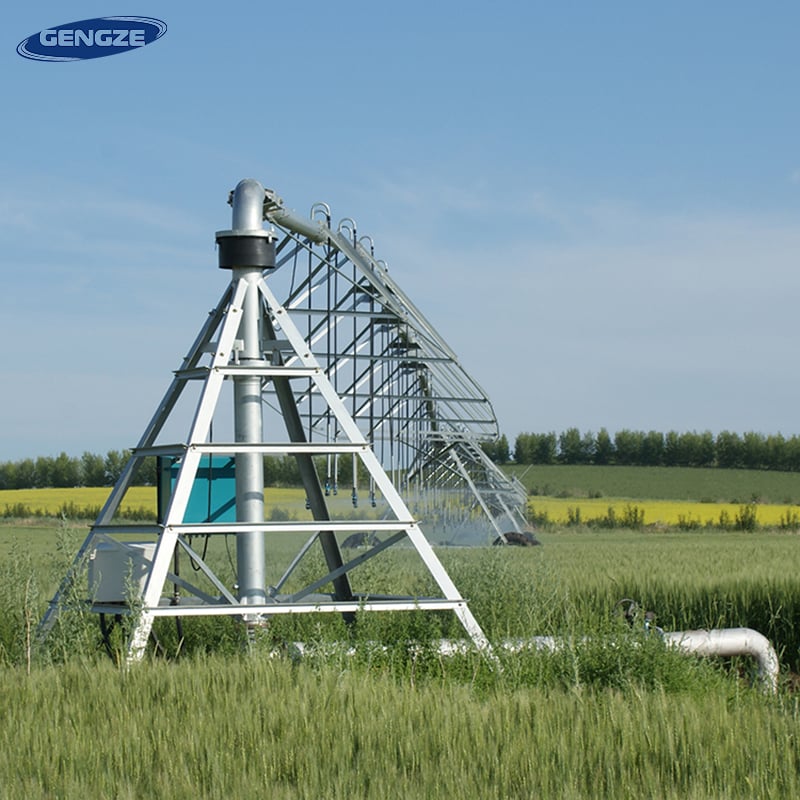
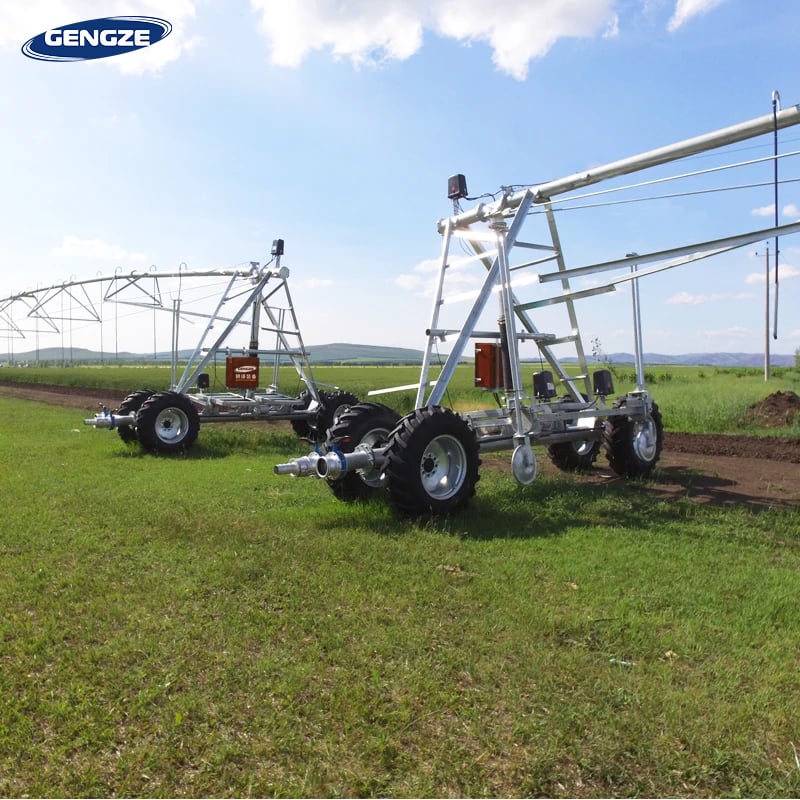
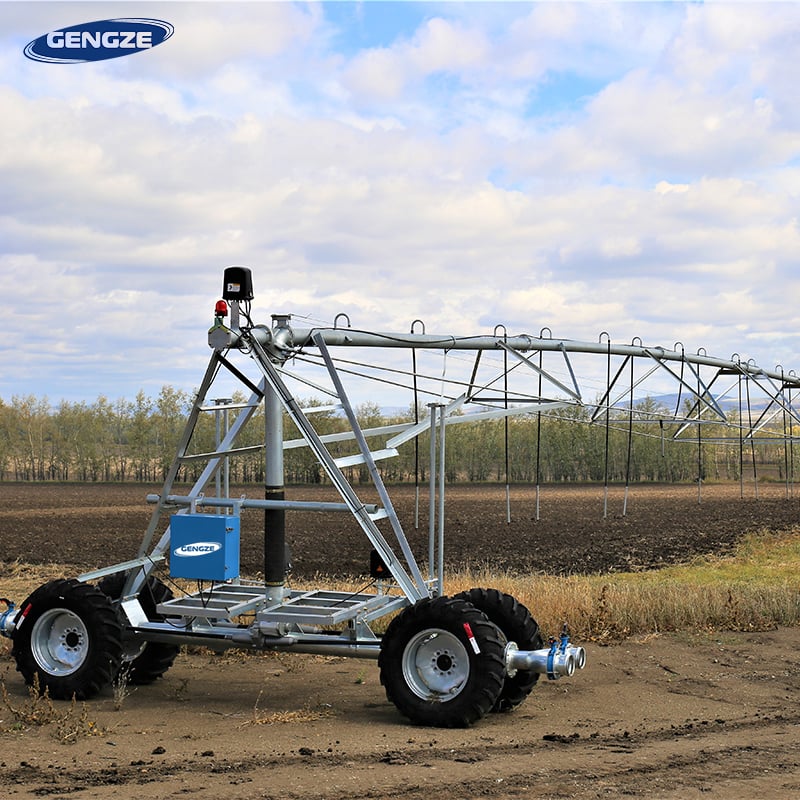
A center pivot irrigation system is a crucial technology for efficient water management in modern agriculture. Understanding the design and functionality of these systems is essential for B2B buyers such as purchasing managers, distributors, and agricultural engineers. This article will address the key considerations in center pivot irrigation system design, including selection, cost comparison, common issues, practical applications, and purchasing tips, enabling you to make informed decisions for your agricultural needs.
Selecting the appropriate center pivot irrigation system involves assessing various factors including field size, crop type, water source, and soil characteristics. Begin by evaluating the layout of your fields; systems can vary in length and configuration, so it's essential to choose one that fits your operational needs. For example, a longer pivot might cover a larger area but may also require more water pressure and a higher initial investment.
Additionally, consider the type of crops you are growing. Different crops have varying water requirements, and the irrigation system should be capable of meeting those needs efficiently. The choice of material for the pivot structure, such as galvanized steel or aluminum, also affects durability and cost. Buyers should also verify the manufacturer’s capabilities in customizing systems to meet specific agricultural requirements, as this can significantly enhance operational effectiveness.
Cost comparison for center pivot irrigation systems should extend beyond the initial purchase price. Evaluate total ownership costs, which include installation, maintenance, and operational expenses. Begin by acquiring quotes from multiple suppliers and ensure that each quote includes detailed specifications. Factors affecting cost include:
Length and configuration of the pivot system Material choices (e. g., steel vs. aluminum) Control systems (manual vs. automated) Water application methods (sprinkler type and spacing).
Also, consider the potential for efficiency gains. A more expensive system might offer advanced technology that reduces water usage and labor costs, leading to significant savings over time. Engaging with a manufacturer with a solid background in agricultural equipment, like Dalian Gengze, can provide insights into which systems offer the best value based on your specific agricultural context.
Center pivot irrigation systems can encounter several common issues, including uneven water distribution, mechanical failures, and electrical malfunctions.
Uneven Water Distribution: This can lead to crop stress and yield loss. Buyers should ensure that the system is properly calibrated during installation, and regular maintenance checks should be conducted to ensure no parts are clogged or damaged.
Mechanical Failures: Components such as gearboxes and drive wheels may wear out over time. It's crucial to choose a system with readily available spare parts and a warranty that covers essential components.
Electrical Issues: Control panels can fail due to environmental exposure. Selecting a center pivot irrigation system with robust, weather-resistant electrical components can minimize downtime and repair costs.
Understanding these common challenges and their solutions can help buyers select systems that have built-in features to mitigate these issues, ultimately leading to a more reliable irrigation process.
Center pivot irrigation systems are widely used across various agricultural sectors, including row crops, orchards, and vineyards. They are particularly effective in regions where water conservation is critical.
For row crops such as corn and soybeans, these systems can provide precise water application, reducing waste and improving overall crop yield. In orchards and vineyards, the ability to control the amount of water delivered can enhance fruit quality and reduce the risk of disease.
Moreover, advanced systems equipped with sensors can monitor soil moisture levels, allowing for more precise irrigation scheduling. This technology not only conserves water but also optimizes growth conditions, making it an attractive option for progressive farmers looking to maximize productivity while minimizing environmental impact.
When purchasing center pivot irrigation equipment wholesale, it's essential to prepare adequately to ensure you receive the best value. Here are several key tips:
Define Your Requirements: Clearly outline your operational needs, including the field size, crop type, and desired features. This information will help suppliers provide tailored solutions.
Request Detailed Quotations: Ask for comprehensive quotes that include not just the price of the equipment but also the expected lead time, installation costs, and warranty information.
Evaluate Supplier Expertise: Investigate potential suppliers' backgrounds, specifically their experience with solar center pivot irrigation system. Suppliers like Dalian Gengze, with over 20 years in agricultural equipment, can provide valuable insights and reliable products.
Check References and Reviews: Speak with other buyers or read testimonials to gauge the reliability and performance of the supplier’s systems. This can help avoid common pitfalls and ensure you are investing in quality equipment.
Discuss Customization Options: Many manufacturers offer customization based on specific agricultural needs. Discussing these options may lead to enhancements that improve system efficiency and reduce water usage.
By following these guidelines, you can ensure that your investment in center pivot irrigation systems will meet your operational demands and contribute positively to your agricultural productivity.

Dalian Gengze Agricultural Equipment Manufacturing Co.,Ltd
Copyright © Dalian Gengze Agricultural Equipment Manufacturing Co.,Ltd All Rights Reserved | Blog | Privacy Policy
 EN