Requesting a Call:
Online Support
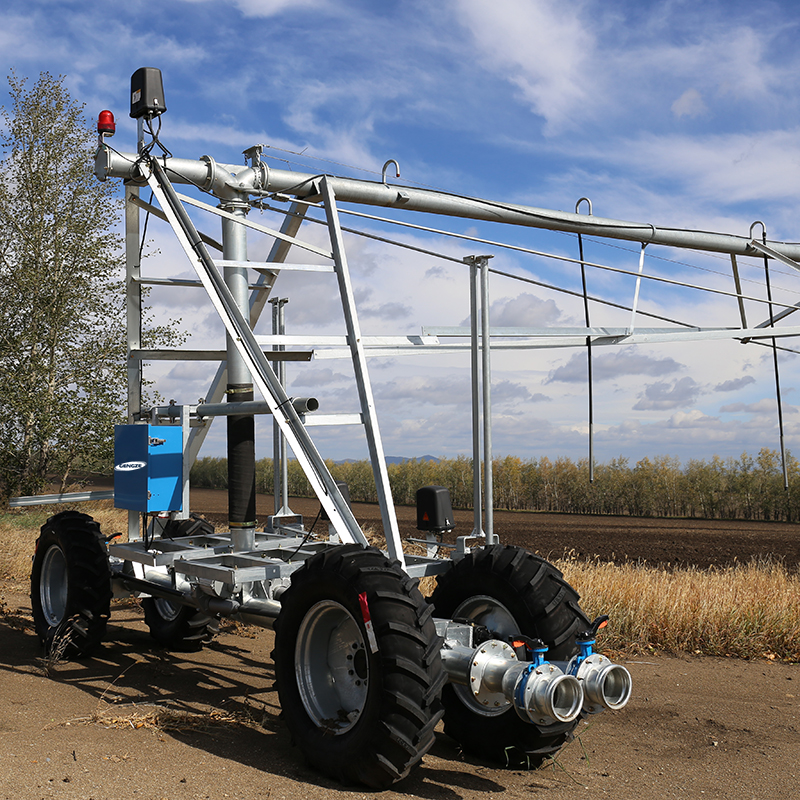
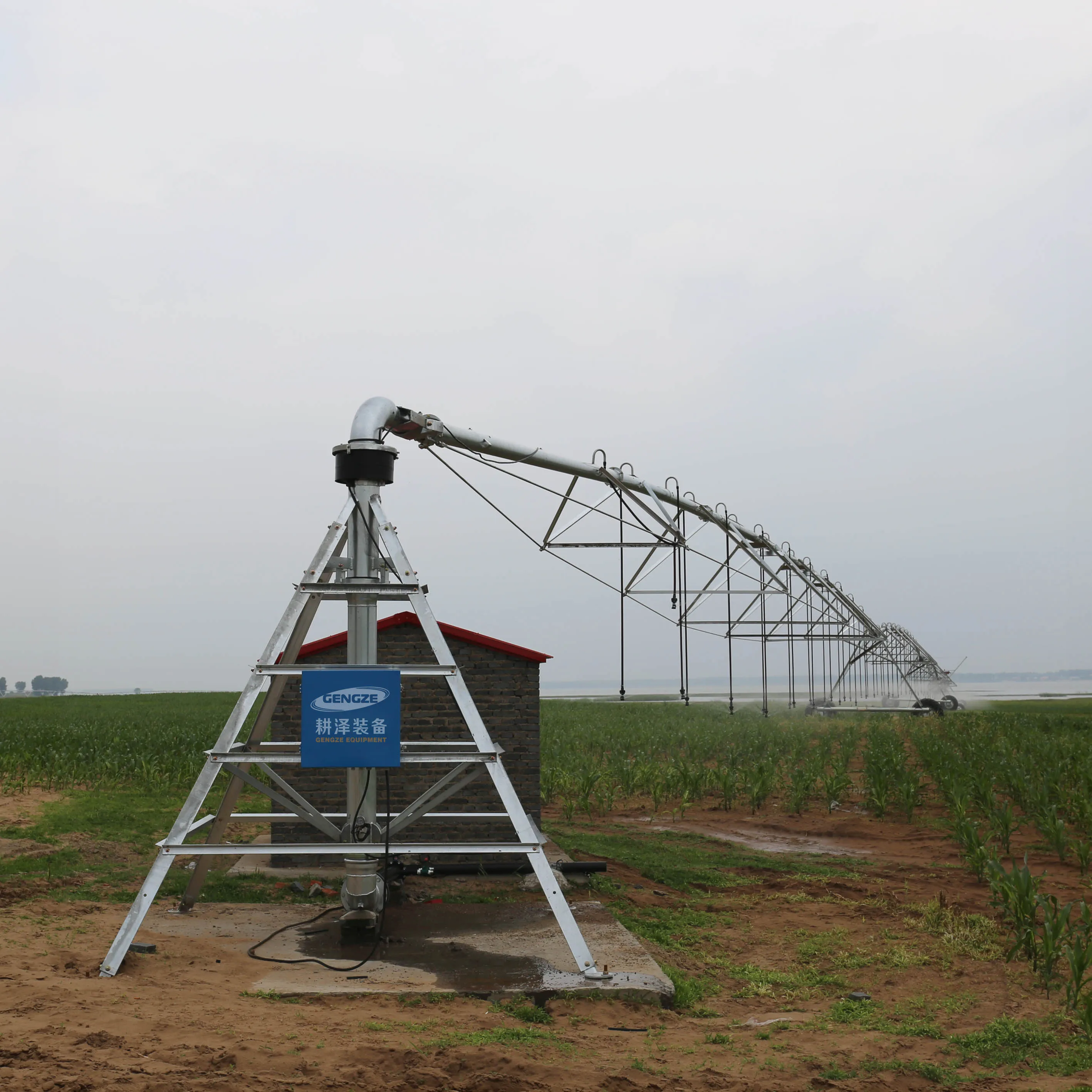
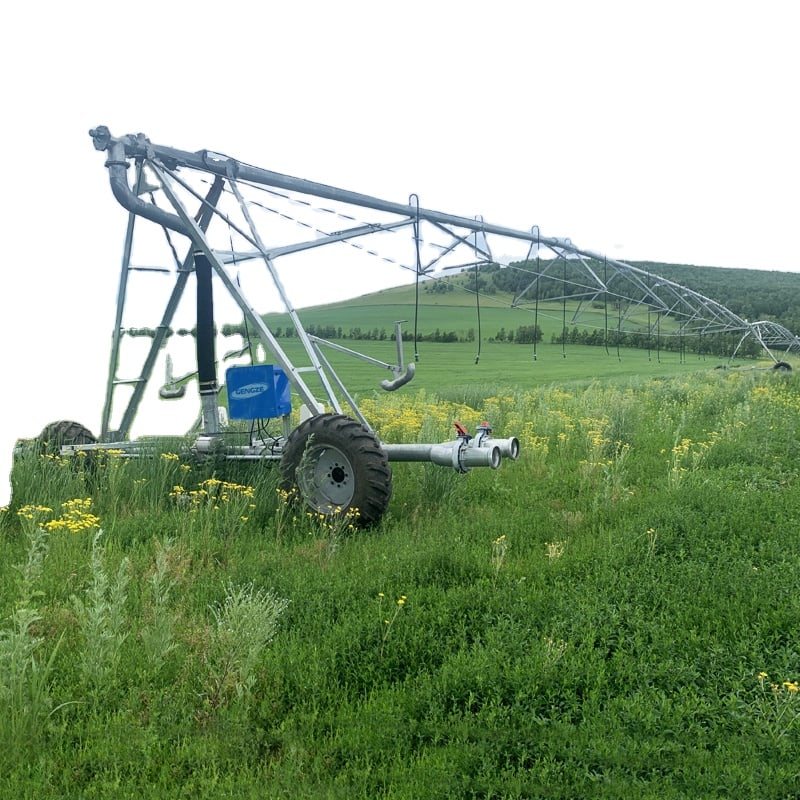
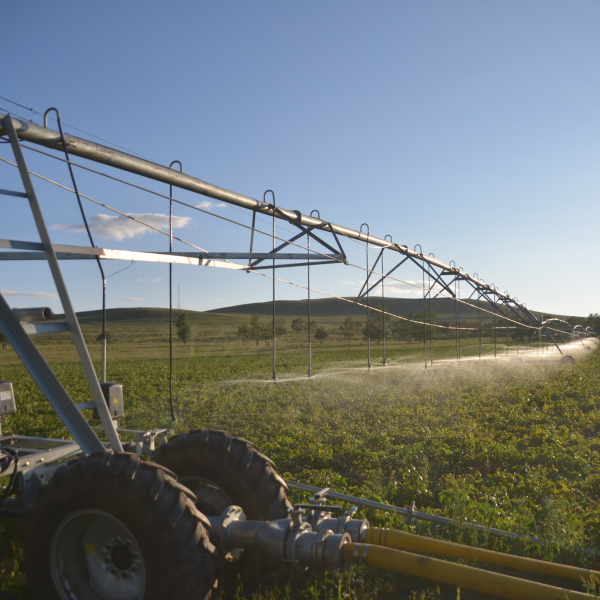
Lateral irrigators are essential tools in modern agriculture, designed to efficiently distribute water across fields for optimal crop growth. When searching for a lateral irrigator for sale, B2B buyers often focus on specifications, cost factors, and installation requirements. This article provides insights into various aspects of lateral irrigator, empowering purchasing managers, engineers, and agricultural professionals to make informed decisions.
When evaluating lateral irrigators, buyers should prioritize several key specifications that directly impact performance and efficiency.
Width of Coverage: The irrigation span is crucial. Wider coverage allows for fewer passes, which can save time and reduce operational costs. Common widths range from 80 to 120 feet, but custom configurations may be available based on field size.
Water Flow Rate: The flow rate, typically measured in gallons per minute (GPM), dictates how quickly an area can be irrigated. Buyers should assess the compatibility of the flow rate with their water source and the soil’s absorption capacity to prevent runoff.
Pressure Requirements: Understanding the pressure requirements is essential for optimal operation. Most lateral irrigators operate effectively within a specified pressure range, usually between 40 to 60 psi. Insufficient pressure may reduce coverage and efficiency.
Material Durability: Construction materials impact longevity and maintenance. High-quality lateral irrigators are often made from corrosion-resistant materials like galvanized steel or high-density polyethylene (HDPE), which can withstand harsh agricultural conditions.
Custom Features: Buyers often seek specific features such as automated control systems, adjustable nozzles, and compatibility with GPS technology for precision farming. Customization options can enhance efficiency and adaptability to various field conditions.
Several cost factors should be evaluated when purchasing a lateral irrigator.
Initial Purchase Price: The upfront cost varies widely based on specifications and features. Buyers should compare models and assess the value offered, keeping in mind that higher initial costs may lead to lower operational costs in the long run.
Maintenance and Operating Costs: Regular maintenance is essential for longevity. Costs can include repairs, part replacements, and routine checks. Buyers should inquire about the recommended maintenance schedule and associated costs to budget effectively.
Water Usage Costs: Efficient irrigation systems can reduce water consumption, directly affecting operating expenses. Buyers should evaluate the water efficiency of different models and consider local water costs.
Potential Subsidies or Financing Options: Some regions offer financial assistance for purchasing efficient irrigation equipment. Buyers should research available programs that can help offset costs.
Resale Value: Understanding the potential resale value is important for long-term financial planning. Investing in high-quality lateral irrigation systems, well-supported brands may yield better resale opportunities.
While lateral irrigators are effective, they can encounter several common issues.
Uneven Water Distribution: This can result from clogged nozzles or incorrect pressure settings. Regular maintenance and monitoring of pressure levels can help mitigate this problem.
Mechanical Failures: Components such as wheels, pumps, and control systems may experience wear and tear. Implementing a preventive maintenance program, which includes regular inspection and timely replacement of worn parts, can reduce downtime.
Soil Compaction: Frequent movement of heavy equipment can compact soil, reducing water infiltration. To address this lateral irrigation system, consider the use of lighter materials or alternative irrigation methods on sensitive soils.
Wind Drift: Wind can affect the trajectory of water, leading to inefficient irrigation. Utilizing windbreaks or scheduling irrigation during low-wind periods can help improve water application.
Electrical Failures: Automated systems may experience electrical issues. Regular checks and employing qualified technicians for repairs can ensure reliable operation.
Proper installation is crucial for maximizing the efficiency of lateral irrigators. Here are several key considerations:
Site Assessment: Conduct a thorough site assessment to determine the best layout for the irrigator. Consider factors such as field slope, soil type, and existing infrastructure.
Alignment and Leveling: Ensure that the irrigator is aligned correctly and leveled to facilitate uniform water distribution. Misalignment can lead to uneven irrigation and increased operational costs.
Connection to Water Source: Confirm that the water source is adequately connected and meets the required pressure and flow rates. Any discrepancies should be resolved before installation.
Testing: Once installed, conduct thorough testing to ensure all systems are functioning correctly. Monitor water distribution across the field to identify any issues early.
Training for Operators: Providing proper training for operators on how to manage and maintain the system can enhance efficiency and reduce the likelihood of errors during operation.
The materials used in lateral irrigators play a significant role in their durability and performance.
Galvanized Steel: Known for its strength and resistance to corrosion, galvanized steel is a popular choice for components exposed to the elements. This material can withstand harsh agricultural conditions, prolonging the lifespan of the equipment.
High-Density Polyethylene (HDPE): Lightweight and resistant to chemicals, HDPE is often used for pipes and fittings. Its flexibility allows for easy installation and maintenance while providing excellent durability against wear.
Aluminum: Some lateral irrigators utilize aluminum for its lightweight properties. While it may not be as strong as steel, aluminum is resistant to rust and can be an excellent choice for specific applications where weight is a concern.
Composite Materials: Emerging technologies have introduced composite materials that combine the benefits of various substances to enhance performance. These materials can offer superior resistance to environmental factors while maintaining a lower weight.
Impact on Cost and Efficiency: Selecting the right materials not only affects the purchase price but also influences the total cost of ownership. Materials that provide better durability and lower maintenance requirements can lead to significant long-term savings.
By understanding these aspects of lateral irrigators, buyers can make informed decisions that meet their operational needs and budget considerations. Dalian Gengze Agricultural Equipment Manufacturing Co., Ltd, with over 20 years of experience in agricultural equipment manufacturing, offers a range of lateral irrigators designed to meet various specifications and requirements for modern farming practices.

Dalian Gengze Agricultural Equipment Manufacturing Co.,Ltd
Copyright © Dalian Gengze Agricultural Equipment Manufacturing Co.,Ltd All Rights Reserved | Blog | Privacy Policy
 EN