Requesting a Call:
Online Support
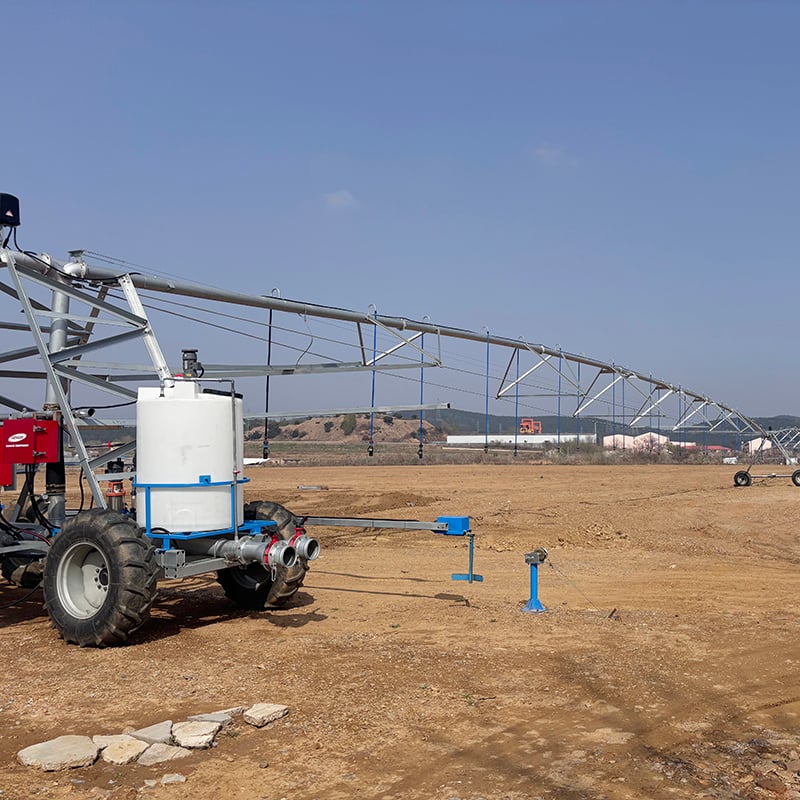
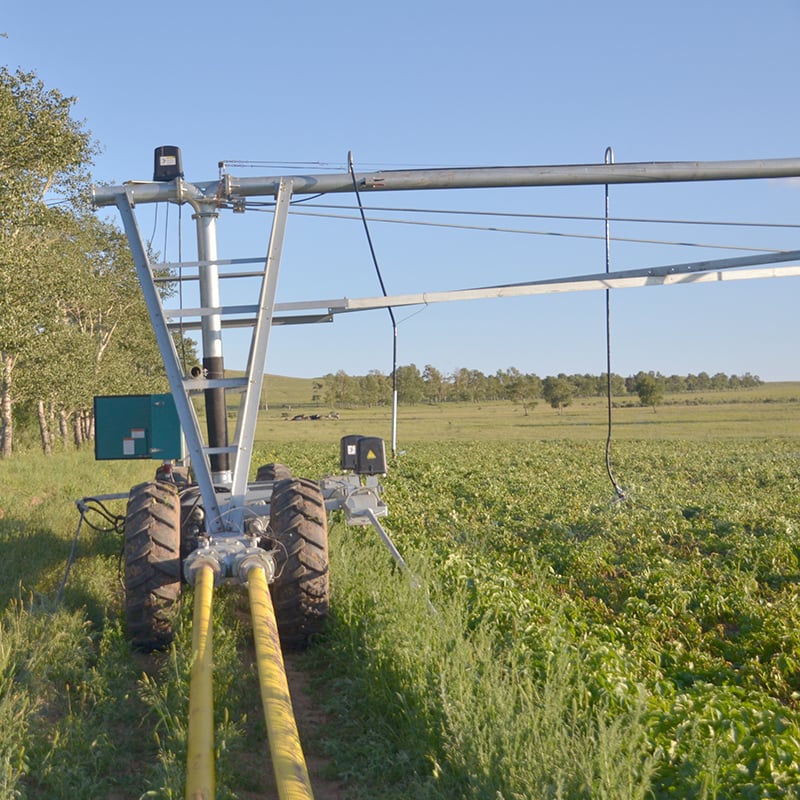
Linear irrigation systems are essential tools for efficient agricultural water management, enabling farmers to optimize their water usage while improving crop yields. When considering a linear irrigation system, one of the primary factors that buyers examine is the linear irrigation system price, which is influenced by various specifications, materials, and manufacturer capabilities. This article will help B2B buyers, including purchasing managers and agricultural engineers, navigate key considerations when evaluating these systems, ensuring they make informed purchasing decisions.
When purchasing a linear irrigation system, buyers should begin by assessing their specific agricultural needs and operational conditions. Key considerations include the scale of the operation, the types of crops being irrigated, and local climate conditions. Understanding these factors can help in selecting the right system that not only meets efficiency standards but also fits within budget constraints.
Pricing structures for linear irrigation system can vary significantly based on specifications such as length, capacity, and additional features. Buyers should request detailed quotations from multiple suppliers to compare not just prices, but also the value offered in terms of warranties, service packages, and maintenance support. Establishing clear communication with potential suppliers about the intended application and expected outcomes can also lead to better pricing options.
Key specifications to consider when comparing linear irrigation systems include:
Length and Coverage Area: The reach of the irrigation system is critical for determining how much land can be effectively irrigated. Buyers should evaluate the maximum length of the system and how it corresponds with their field dimensions.
Water Application Rate: Understanding the gallons per minute (GPM) or liters per second (LPS) rate is essential for ensuring the system meets crop water requirements. Buyers should also consider the uniformity of water distribution to prevent over- or under-watering.
System Control Features: Modern systems often come equipped with advanced control features such as remote monitoring and automation. These features can enhance efficiency but may also add to the overall cost.
Durability and Materials: The construction materials of the system can significantly impact its longevity and performance. Buyers should inquire about the types of materials used, such as aluminum or high-density polyethylene, and their resistance to environmental factors.
Compatibility: Ensure the system is compatible with existing infrastructure or other irrigation equipment. This can save costs on additional modifications or replacements.
Buyers should carefully evaluate these specifications against their operational requirements to ensure they select a system that aligns with their agriculture practices.
Sourcing quality linear irrigation system begins with researching reputable manufacturers. Buyers should look for companies with a proven track record in agricultural equipment and a specialization in irrigation solutions. It's beneficial to consult industry reviews, customer testimonials, and case studies to gauge reliability and performance.
When reaching out to manufacturers, buyers should request detailed product catalogs, specifications, and pricing structures. Engaging in discussions regarding customization options can also yield insights into how adaptable a system is to specific agricultural needs. For example, a manufacturer like Dalian Gengze Agricultural Equipment Manufacturing Co., Ltd, with over 20 years of experience, can provide tailored solutions that cater to unique farming conditions.
Additionally, verify the manufacturer's quality control processes and certifications to ensure that the products meet industry standards. Quality assurance measures during production can enhance the reliability of the irrigation systems.
Linear irrigation systems are versatile and can be applied in various agricultural settings. Some common application scenarios include:
Row Crops: These systems are ideal for irrigating row crops such as corn and soybeans, where precise water application is critical for optimal growth.
Fruits and Vegetables: For farms growing fruits and vegetables, linear systems provide consistent moisture levels, which can be crucial for yield and quality.
High-Value Crops: In regions where high-value crops are cultivated, such as vineyards or orchards, using a linear irrigation system can lead to improved crop quality and reduced water waste.
Large-Scale Operations: For extensive agricultural enterprises, linear irrigation systems can cover vast areas efficiently, making them suitable for large-scale farming operations.
Understanding these application scenarios helps buyers assess whether a linear irrigation system aligns with their specific agricultural practices and goals.
Material quality plays a vital role in the performance and longevity of linear irrigation systems. Buyers should consider the following aspects:
Material Type: Common materials include aluminum, which is lightweight and resistant to corrosion, and high-density polyethylene, known for its flexibility and durability. Buyers should evaluate the advantages and disadvantages of each material based on their specific operational needs.
Resistance to Environmental Factors: The chosen material should withstand local climatic conditions, including UV exposure, temperature fluctuations, and moisture levels. Products that offer high resistance to these factors can lead to lower maintenance costs over time.
Construction Techniques: Understanding the manufacturing processes used to construct the irrigation system can provide insights into its overall durability. Look for linear irrigation equipment that utilize advanced welding techniques or reinforced joints for added strength.
Lifecycle Costs: Higher initial costs for quality materials can lead to lower overall costs due to reduced maintenance and replacement needs. Buyers should consider the long-term value of investing in high-quality materials.
By focusing on material quality, buyers can ensure that their investment in a linear irrigation system yields reliable performance and longevity, ultimately enhancing their agricultural productivity.
Dalian Gengze Agricultural Equipment Manufacturing Co.,Ltd
Copyright © Dalian Gengze Agricultural Equipment Manufacturing Co.,Ltd All Rights Reserved | Blog | Privacy Policy
 EN