Requesting a Call:
Online Support
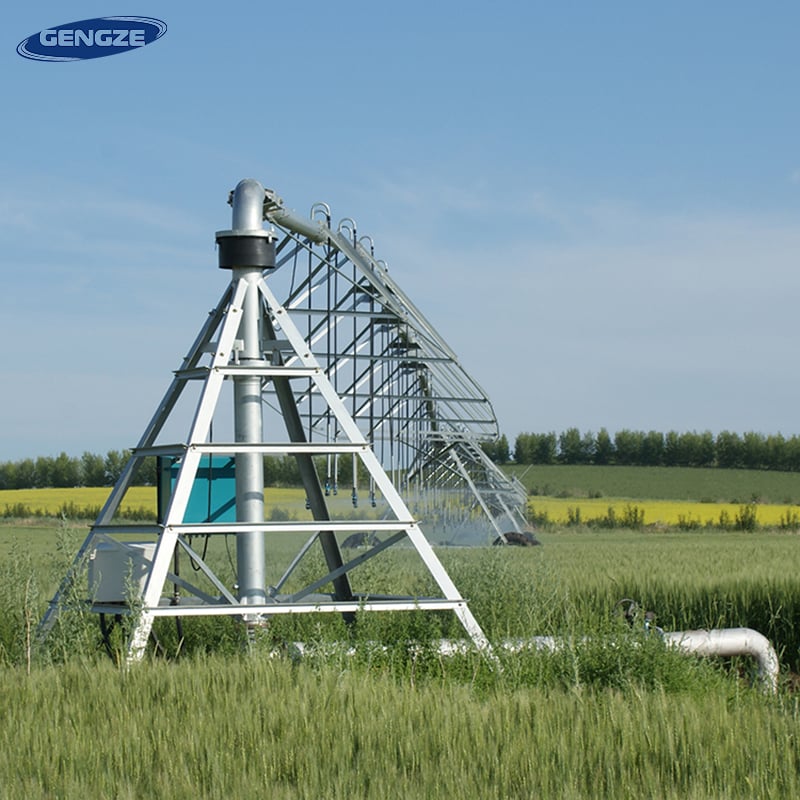
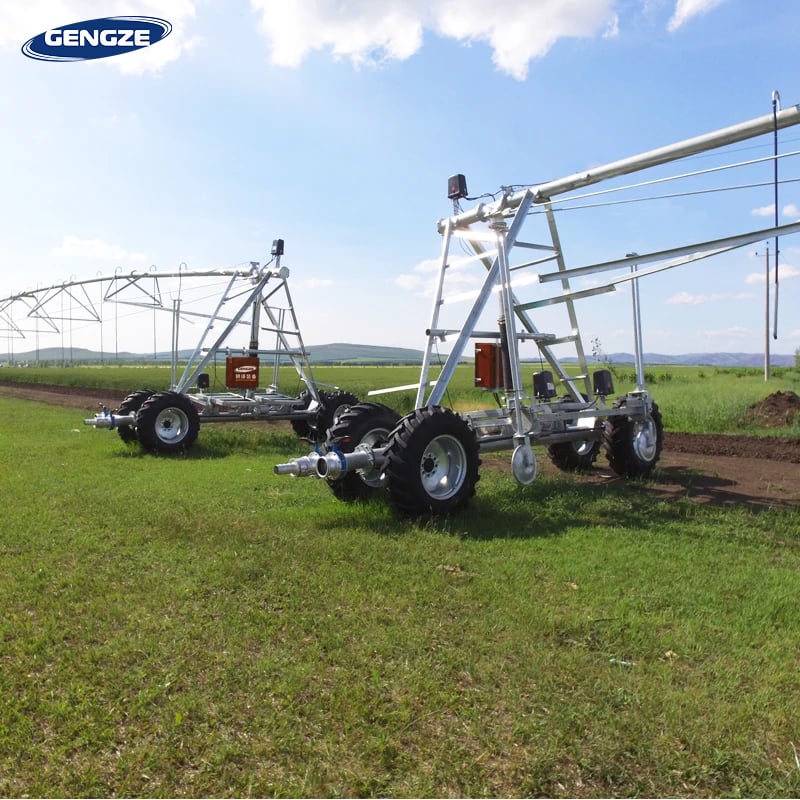
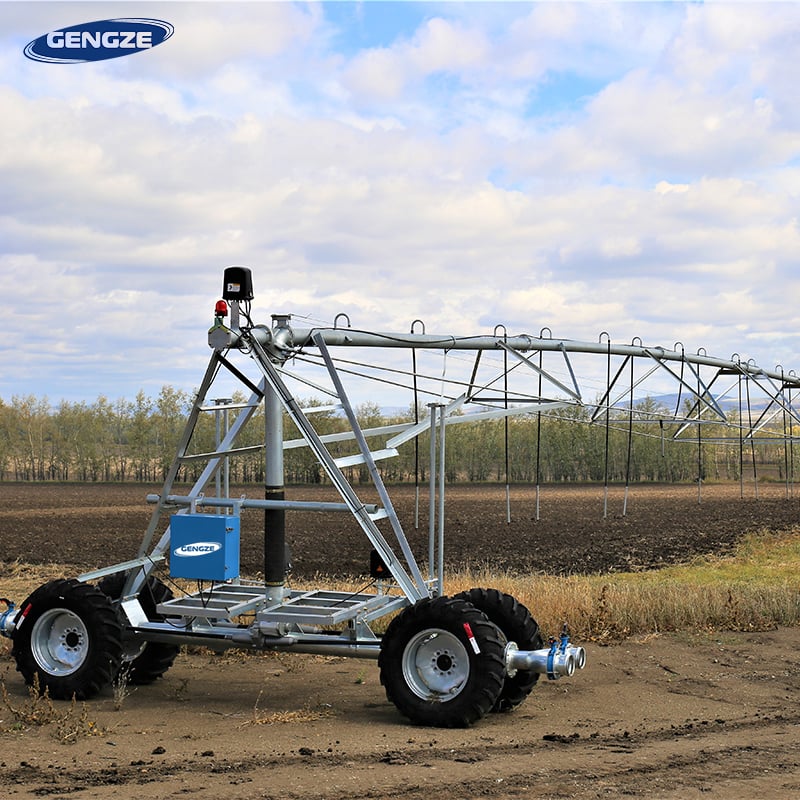
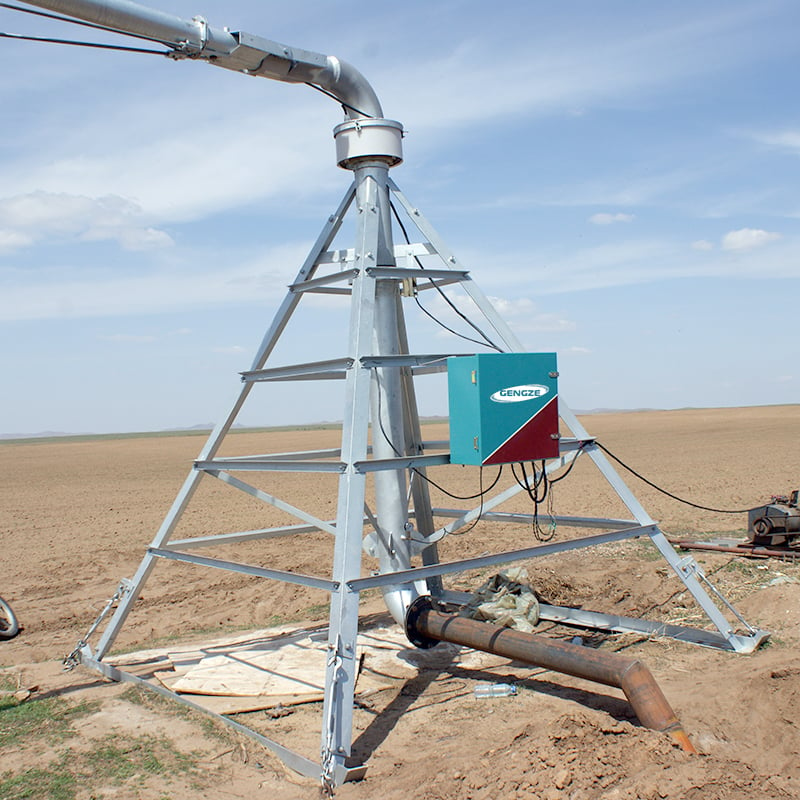
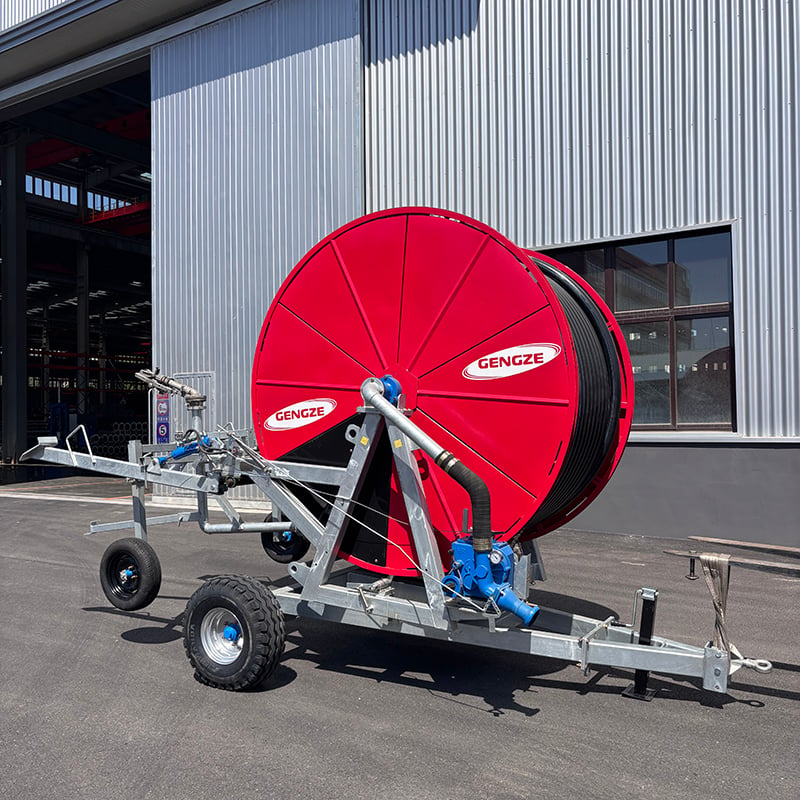
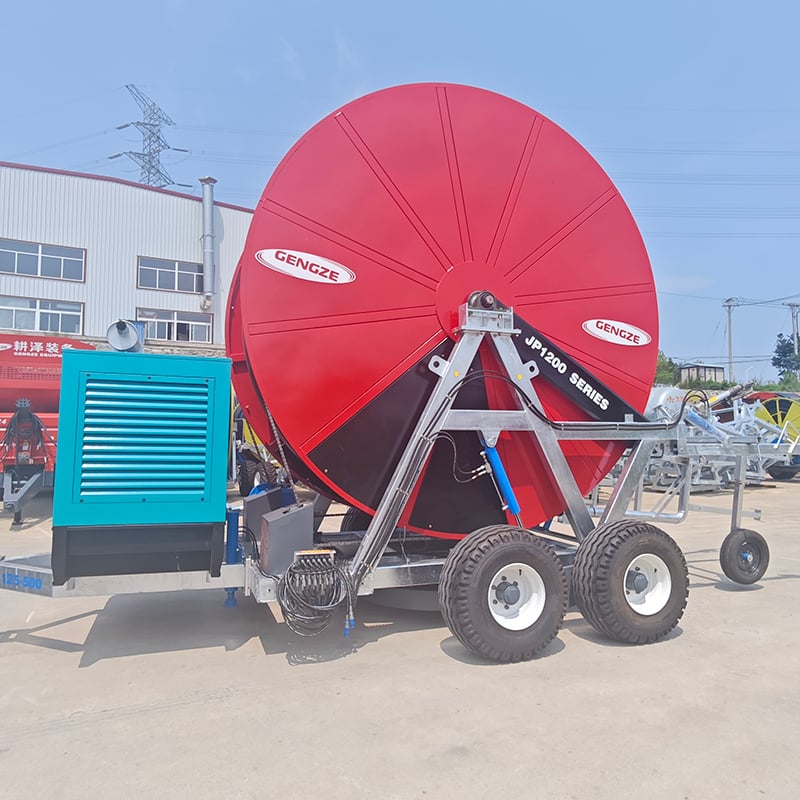
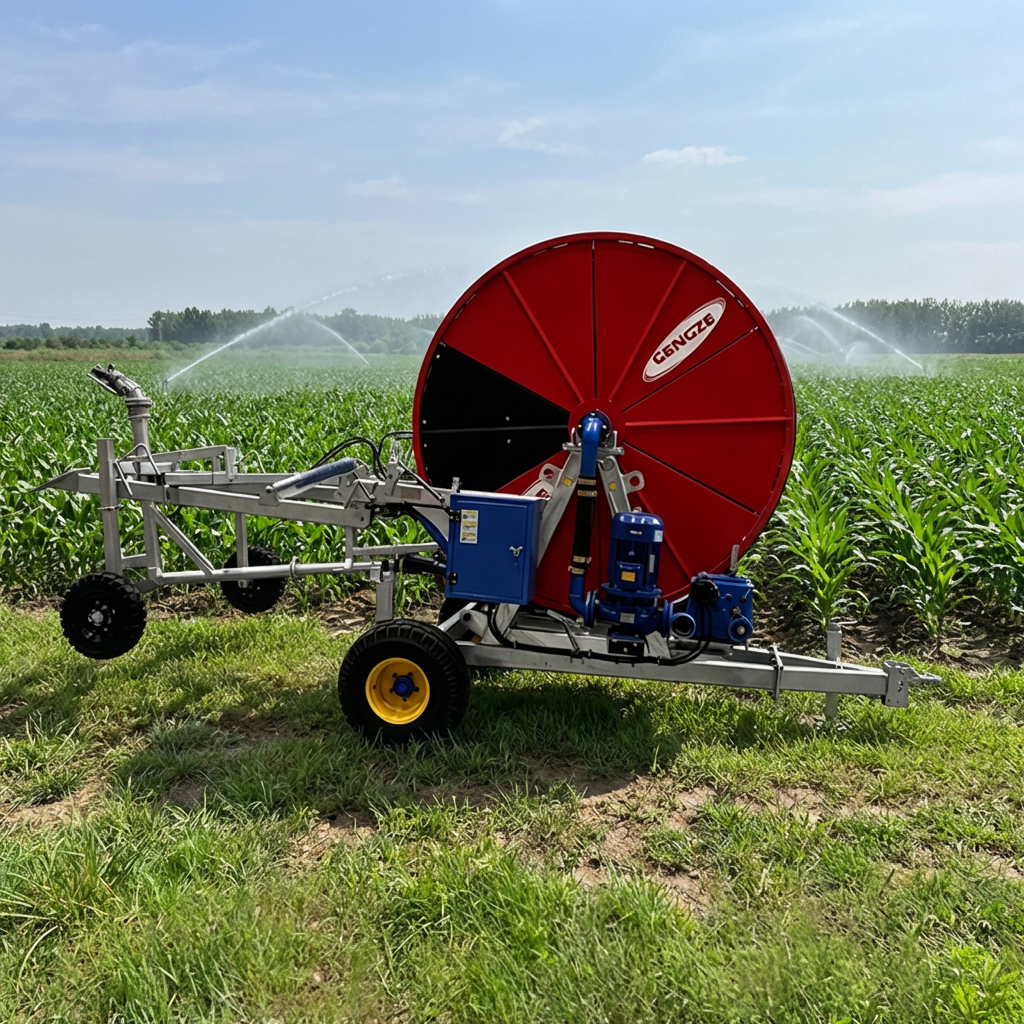
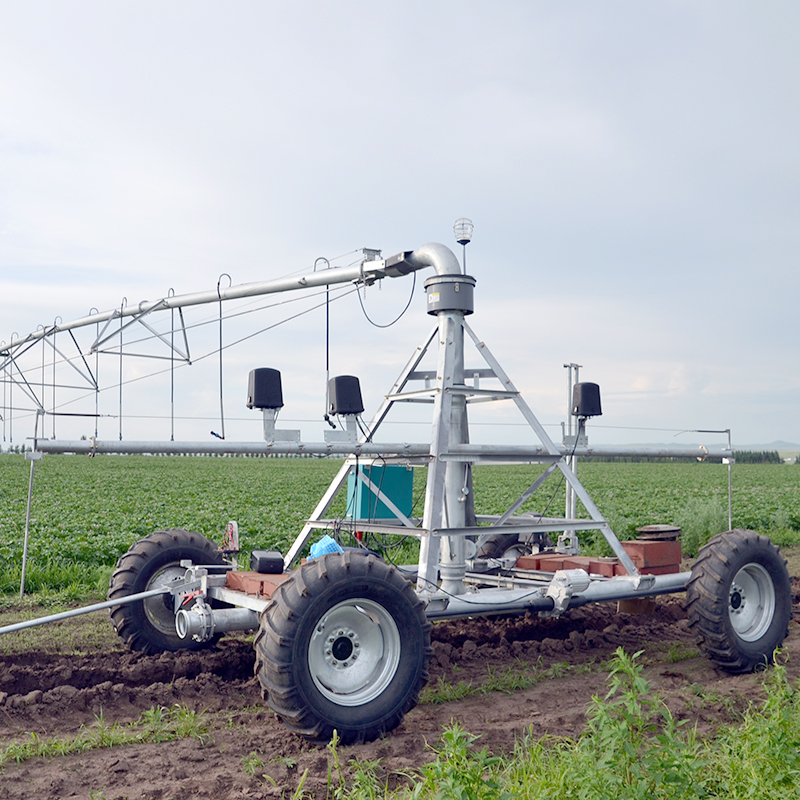
A linear irrigation system design is an essential component for modern agriculture, providing efficient water distribution across fields to maximize crop yield and conserve resources. As a B2B buyer, your primary concerns likely involve quality, compatibility, and cost-effectiveness. This article aims to guide you through evaluating suppliers, understanding best practices, and comparing different linear irrigation system to make informed purchasing decisions.
When assessing the quality of linear irrigation systems, consider several key specifications that directly impact performance and durability.
Material Selection: Look for systems constructed from high-grade materials such as high-density polyethylene (HDPE) or stainless steel, which offer resistance to corrosion and UV exposure. The choice of material affects not only longevity but also the system's ability to withstand varying environmental conditions.
Manufacturing Process: Ensure that the systems are produced through advanced manufacturing techniques, which should include rigorous quality control processes. These may involve pressure testing, leak detection, and surface finishing that can prevent wear over time. A reputable manufacturer like Dalian Gengze Agricultural Equipment, with over 20 years of experience, typically implements stringent quality checks throughout the production cycle.
Performance Specifications: Verify the system's flow rate, pressure rating, and coverage area. These specifications should align with your specific agricultural needs. For instance, a linear irrigation systems for sale designed for a large field may require a higher flow rate and pressure tolerance than one intended for smaller plots.
Certifications: Check for relevant certifications that could indicate adherence to industry standards. While the company background does not specify certifications, reputable manufacturers usually follow ISO standards or similar quality benchmarks.
Finding reliable suppliers for linear irrigation systems involves a blend of research and networking. Start by exploring:
Industry Trade Shows: Events such as agricultural expos and trade shows provide opportunities to meet manufacturers and suppliers in person. This allows for direct discussions about your specific needs and the chance to see products firsthand.
Online B2B Marketplaces: Platforms like Alibaba or ThomasNet can connect you with various suppliers. Look for manufacturers with strong customer reviews and comprehensive product listings, ensuring they provide detailed specifications and capabilities.
Industry Associations: Membership in agricultural or irrigation associations can give you access to a network of trusted suppliers. Organizations often vet their members, ensuring a level of reliability and quality.
Direct Manufacturer Outreach: Consider contacting manufacturers like Dalian Gengze directly. Established companies often have dedicated teams to assist potential buyers, providing detailed product information and support for custom orders.
When procuring linear irrigation systems, adhere to these best practices to ensure successful implementation:
Request Samples: Before committing to a bulk order, request product samples to assess quality and suitability for your application. Conduct tests under actual operating conditions to evaluate performance.
Understand Your Needs: Clearly define the specifications required for your agricultural project, including the type of crops, field layout, and soil conditions. This understanding will help you select the right system and avoid costly mismatches.
Engage in Pre-Order Discussions: Communicate openly with suppliers about your expectations, including any customization requirements. Discussing your needs upfront can prevent misunderstandings and ensure the final product meets your specifications.
Inquire About After-Sales Support: Reliable suppliers should offer support after the sale, including installation assistance, maintenance guidance, and warranty policies. This support can significantly impact the long-term success of your irrigation system.
Linear irrigation systems are utilized in various agricultural applications, enhancing efficiency and productivity. Some key applications include:
Row Crop Irrigation: Ideal for crops like corn and soybeans, linear systems deliver water precisely along the rows, minimizing wastage and ensuring uniform coverage.
Vegetable and Specialty Crop Production: For high-value crops, these systems allow for precise water management, crucial for optimizing growth conditions and improving yield quality.
Greenhouse Irrigation: In controlled environments, linear systems can be adapted to provide consistent moisture levels, directly influencing plant health and productivity.
Research and Development: Agricultural research institutions often use linear irrigation system price for experimental plots, allowing for precise control over water delivery in trial conditions.
When comparing linear irrigation systems, focus on the following factors to guide your decision-making:
Cost of Ownership: Analyze not just the initial purchase price but also the total cost of ownership, including maintenance, energy consumption, and potential repair costs. A lower upfront cost may not always equate to long-term savings.
Customization Options: Evaluate whether suppliers offer customization to meet unique agricultural needs. Flexibility in design can be essential for fields with varying topography or crop types.
Performance Metrics: Compare flow rates, pressure capabilities, and coverage efficiency between different models. Understanding these metrics will help you choose a system that meets your operational requirements.
Supplier Reputation: Research the supplier's track record in the industry. Look for customer testimonials and case studies that provide insight into the manufacturer’s reliability and product performance.
By considering these aspects, you can make a more informed decision regarding which linear irrigation system aligns best with your agricultural goals. Partnering with a reputable manufacturer like Dalian Gengze, known for its high-efficiency agricultural equipment, can further enhance your irrigation strategy and overall productivity.
Dalian Gengze Agricultural Equipment Manufacturing Co.,Ltd
Copyright © Dalian Gengze Agricultural Equipment Manufacturing Co.,Ltd All Rights Reserved | Blog | Privacy Policy
 EN