Requesting a Call:
Online Support
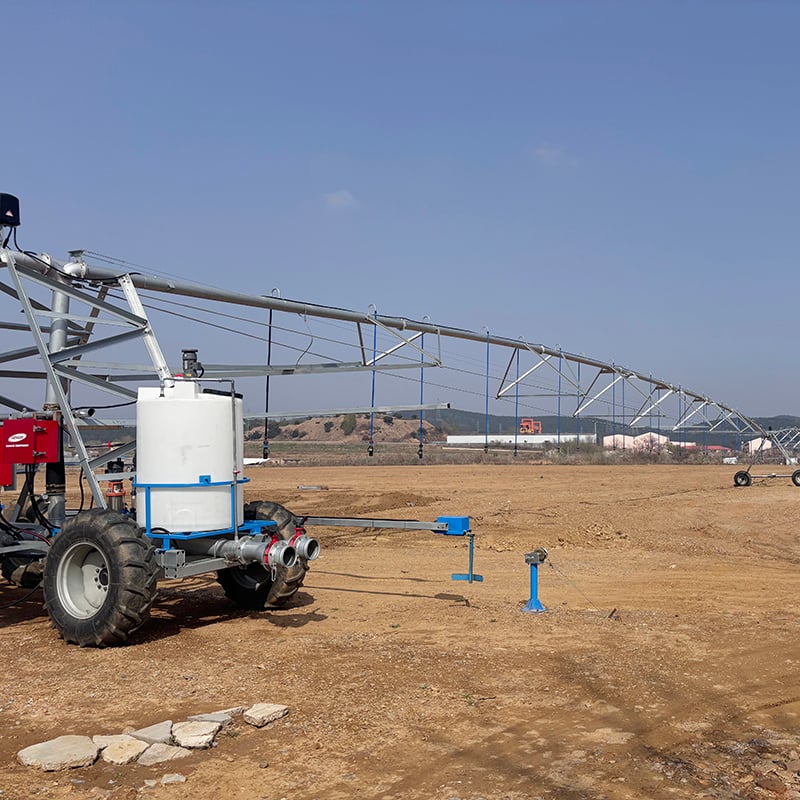
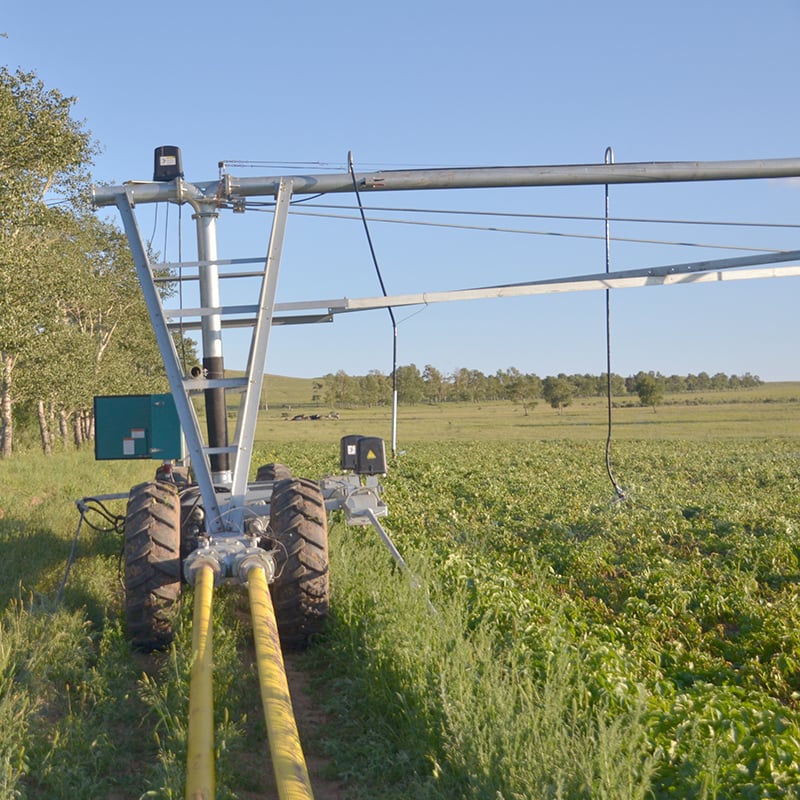
A linear irrigation system is a vital tool in modern agriculture, designed to provide efficient water delivery across large fields. Understanding the linear irrigation system cost is essential for B2B buyers, such as purchasing managers and distributors, who need to make informed decisions regarding their investments. Key concerns often include product specifications, installation requirements, and long-term operational efficiency. This article will guide you through selecting the right system, sourcing reliable suppliers, and recognizing the benefits of quality systems, enabling you to optimize your agricultural operations.
Selecting the appropriate linear irrigation system involves several critical considerations. First, assess the size and layout of your field. Systems are typically designed for either large, flat expanses or uneven terrains, which can affect water distribution. Ensure the system’s length can accommodate your field dimensions without excessive overlap or gaps.
Next, evaluate the water requirements of the crops you intend to irrigate. Different crops have varying water needs, which should inform the system's capacity and flow rate. Additionally, consider the source of your water supply; systems may require specific configurations depending on whether you are drawing from a well, reservoir, or municipal supply.
Material selection is also crucial. High-density polyethylene (HDPE) and PVC are common materials used for pipes and components due to their durability and resistance to corrosion. Ensure that the materials chosen can withstand the specific environmental conditions of your area, such as temperature fluctuations and chemical exposure from fertilizers.
Lastly, customize your irrigation system based on specific farming practices. Options such as automated control systems or sensors for soil moisture can significantly enhance the efficiency of water use, thus impacting overall cost-effectiveness.
Distributors play a crucial role in connecting manufacturers with end-users. When sourcing linear irrigation systems, it's imperative to evaluate potential suppliers based on several factors. Begin by assessing the manufacturer’s reputation in the market. Companies with extensive experience, such as Dalian Gengze Agricultural Equipment Manufacturing Co., Ltd, often offer better reliability and product quality.
Request detailed product specifications, including technical parameters like flow rates, pressure ratings, and customizable features. This information will help you provide accurate recommendations to your clients. Additionally, inquire about the linear irrigation equipment manufacturer’s quality control processes and certifications to ensure that their products meet industry standards.
Establish a clear communication channel with the supplier to discuss lead times, minimum order quantities (MOQ), and pricing. Understanding these elements will enable you to manage expectations with your customers effectively.
Finally, consider offering value-added services, such as installation guidance or maintenance training, to enhance customer satisfaction and loyalty.
Sourcing reliable suppliers for linear irrigation systems requires careful research and evaluation. Start by leveraging industry networks and resources, such as agricultural trade shows and exhibitions, to meet potential suppliers face-to-face. Such events allow you to assess product quality firsthand and establish relationships with manufacturers.
Online platforms and directories can also serve as valuable resources for identifying credible suppliers. Look for companies with a strong online presence, positive customer reviews, and verified case studies showcasing their products in action.
When evaluating suppliers, request references from existing customers to gauge their reliability and service quality. A supplier with a proven track record in delivering high-quality products on time is crucial for maintaining your business's reputation.
Finally, consider the supplier's ability to provide ongoing support, such as technical assistance or spare parts availability. This can significantly impact the overall satisfaction of your customers and the longevity of the systems you distribute.
Investing in high-quality linear irrigation systems can yield significant long-term benefits. A well-designed system enhances water efficiency, reduces wastage, and optimizes crop yield. This is particularly important as agricultural practices increasingly focus on sustainability and resource conservation.
Quality systems often feature advanced technologies such as automated controls and precision management tools that allow for real-time monitoring of water usage. This can lead to substantial savings on water costs and improve the overall efficiency of irrigation practices.
Moreover, high-quality materials contribute to the durability and lifespan of the irrigation system. Systems built from robust materials like HDPE or PVC can withstand harsh environmental conditions, reducing the need for frequent replacements or repairs.
Lastly, a reliable linear irrigation system can improve the uniformity of water application, which is essential for healthy crop growth. Consistent moisture levels help prevent issues such as root rot or drought stress, thus enhancing yield potential.
Proper installation is crucial for maximizing the efficiency of linear irrigation systems. Start by preparing the field according to the specific requirements of the system. This may involve grading the land to ensure proper water flow and adjusting the layout to prevent puddling or runoff.
Follow the manufacturer’s guidelines for assembling and installing the system components. It’s important to ensure that all connections are secure and that the system is aligned correctly to avoid operational issues. Misalignments can lead to uneven water distribution, impacting crop health.
Conduct a thorough testing phase after installation. Check for leaks, assess pressure levels, and ensure the linear irrigation for sale operates as intended. Also, run the system to observe its performance under various conditions, which will help identify any potential adjustments needed for optimal functionality.
Finally, provide training for operators to ensure they understand the system’s features and maintenance requirements. Regular maintenance checks, including cleaning filters and inspecting valves, can prevent common issues and extend the system’s lifespan.
understanding the linear irrigation system cost and its implications is essential for making informed decisions in agricultural operations. By following the guidance provided, B2B buyers can enhance their purchasing strategies and ensure a successful investment in irrigation technology.
Dalian Gengze Agricultural Equipment Manufacturing Co.,Ltd
Copyright © Dalian Gengze Agricultural Equipment Manufacturing Co.,Ltd All Rights Reserved | Blog | Privacy Policy
 EN