Requesting a Call:
Online Support
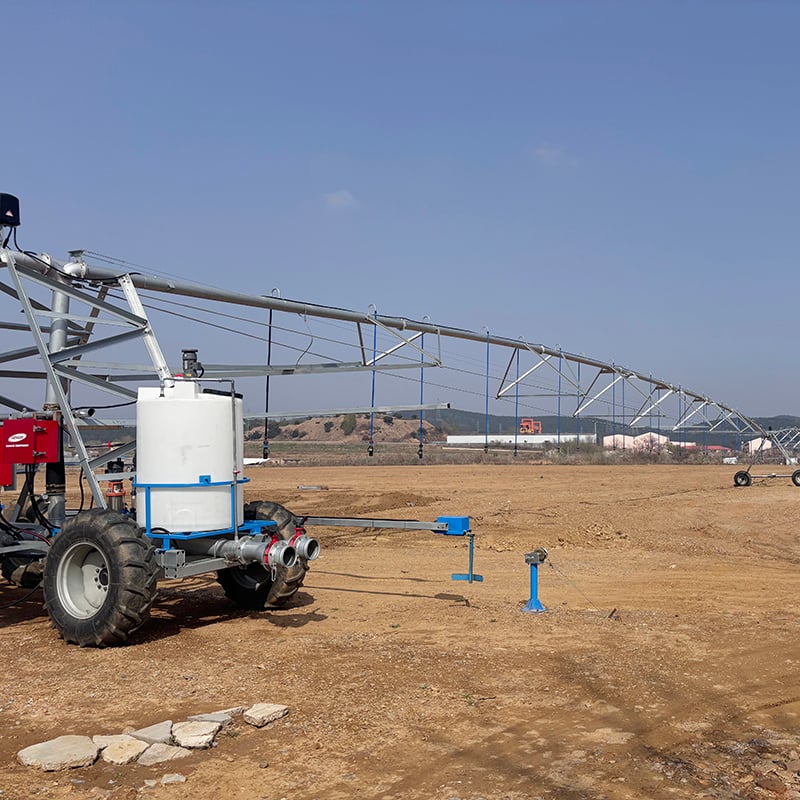
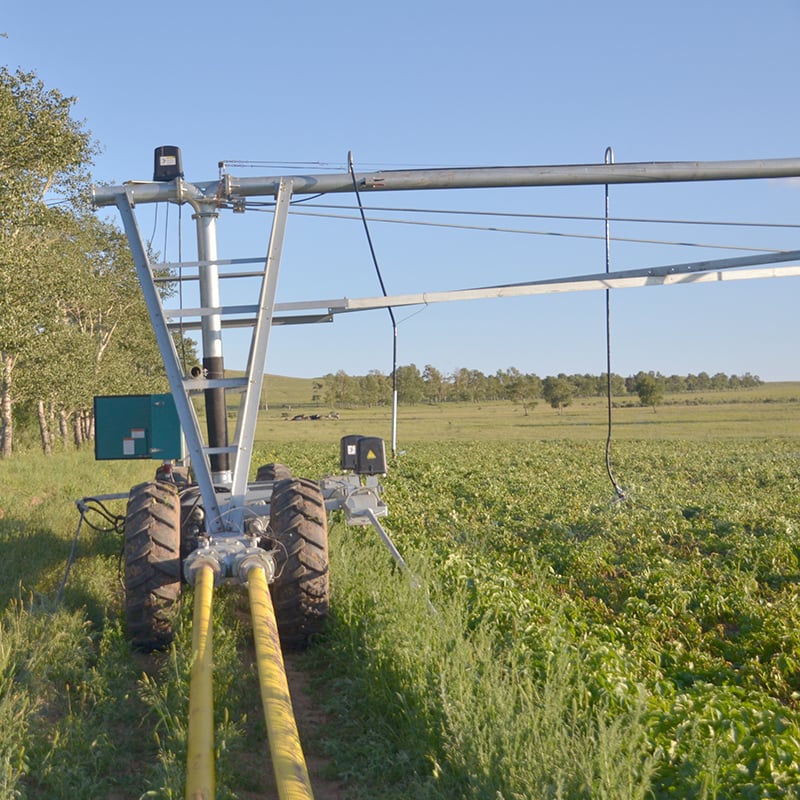
Linear irrigation systems are essential for efficient water management in agricultural practices. For B2B buyers seeking linear irrigation for sale, understanding the various supplier options, specifications, and installation requirements is crucial for making informed purchasing decisions. This article will guide you through reliable sourcing, comparing system specifications, evaluating cost factors, providing installation guidance, and troubleshooting common issues associated with linear irrigation systems.
Finding a trustworthy supplier for linear irrigation equipment requires thorough research. Start by assessing manufacturers with a proven track record in agricultural equipment, particularly those with experience in linear irrigation system. Companies like Dalian Gengze Agricultural Equipment Manufacturing Co., Ltd, with over 20 years of experience and a reputation for quality, can be a reliable choice.
Trade fairs, industry expos, and online marketplaces are excellent avenues to connect with potential suppliers. Always check for customer reviews and testimonials to gauge their reliability and service quality. Additionally, verifying certifications and production capabilities can provide insight into the supplier's commitment to quality.
Engaging directly with manufacturers can also yield benefits; inquire about customization options and their capacity to fulfill bulk orders, as this can affect your overall purchasing strategy.
When evaluating Gengze linear irrigation systems, buyers should compare key specifications critical to their agricultural needs. Important specifications include:
Span Length: The distance between towers determines the area covered. Typical spans range from 30 to 100 feet, and selecting the appropriate length is crucial for optimal coverage.
Flow Rate: Measured in gallons per minute (GPM), this indicates the system's ability to deliver water. Ensure the flow rate matches the crop requirements for effective irrigation.
Pressure Requirements: The system should operate within a specified pressure range to maintain efficiency. Inadequate pressure can lead to uneven water distribution, negatively impacting crop health.
Materials: Durable materials like aluminum or high-density polyethylene (HDPE) are preferred for their corrosion resistance and longevity. Understanding the material properties helps in assessing the system's suitability for specific environments.
Buyers should assess these specifications against their operational needs and potential environmental conditions to ensure the chosen system will perform effectively.
The cost of Gengze linear irrigation systems can vary significantly based on several factors. Key considerations include:
System Size: Larger systems, designed to cover more acreage, typically incur higher costs. Buyers should calculate their specific needs for an accurate estimate.
Technology Level: Advanced systems with automated controls or sensors usually come with a premium price. While these may increase initial costs, they can provide long-term savings through improved efficiency and reduced labor.
Installation Costs: Consider whether the supplier provides installation services, and if so, ensure these are factored into the overall cost. Self-installation may save money but requires careful planning and expertise.
Maintenance and Operational Costs: Regular maintenance is essential for system longevity. Buyers should inquire about expected maintenance schedules and costs to accurately assess the total cost of ownership.
Understanding these factors will help buyers negotiate better prices and make informed decisions about their linear irrigation systems for sale.
Proper installation of linear irrigation systems is crucial for achieving optimal performance. Here are key steps to consider:
Site Assessment: Conduct a thorough evaluation of the installation site, taking into account the terrain, soil type, and existing infrastructure. This will help in determining the best layout for the irrigation system.
System Configuration: Work with the manufacturer to configure the system according to the specific needs of the land and crops. Proper configuration can significantly enhance water efficiency and distribution.
Installation Techniques: Follow the manufacturer's guidelines for installation. This typically includes assembling the system components, installing pipes, and ensuring proper alignment of the towers.
Testing: Before full-scale operation, conduct a thorough test run of the system. Check for leaks, verify pressure levels, and ensure even water distribution across the coverage area.
Proper installation not only enhances system efficiency but also minimizes the risk of operational issues down the line.
Even the best irrigation systems can encounter issues. Here are some common problems and their solutions:
Uneven Water Distribution: This can result from incorrect pressure settings or blockages in the system. Regularly inspect and clean filters and nozzles to maintain optimal flow rates.
Mechanical Failures: Components such as motors and gearboxes may fail due to wear and tear or inadequate maintenance. Establish a routine maintenance schedule to check all moving parts regularly.
Soil Saturation: Over-irrigation can lead to waterlogging, damaging crops. Monitor soil moisture levels using sensors or manual checks to tailor irrigation schedules to actual plant needs.
Clogged Lines: Accumulation of debris can obstruct water flow. Implement a regular flushing schedule for the system to clear any build-up.
By proactively addressing these issues, buyers can ensure their linear irrigation equipment operate efficiently, ultimately supporting healthier crop yields and better resource management.
Dalian Gengze Agricultural Equipment Manufacturing Co.,Ltd
Copyright © Dalian Gengze Agricultural Equipment Manufacturing Co.,Ltd All Rights Reserved | Blog | Privacy Policy
 EN