Requesting a Call:
Online Support
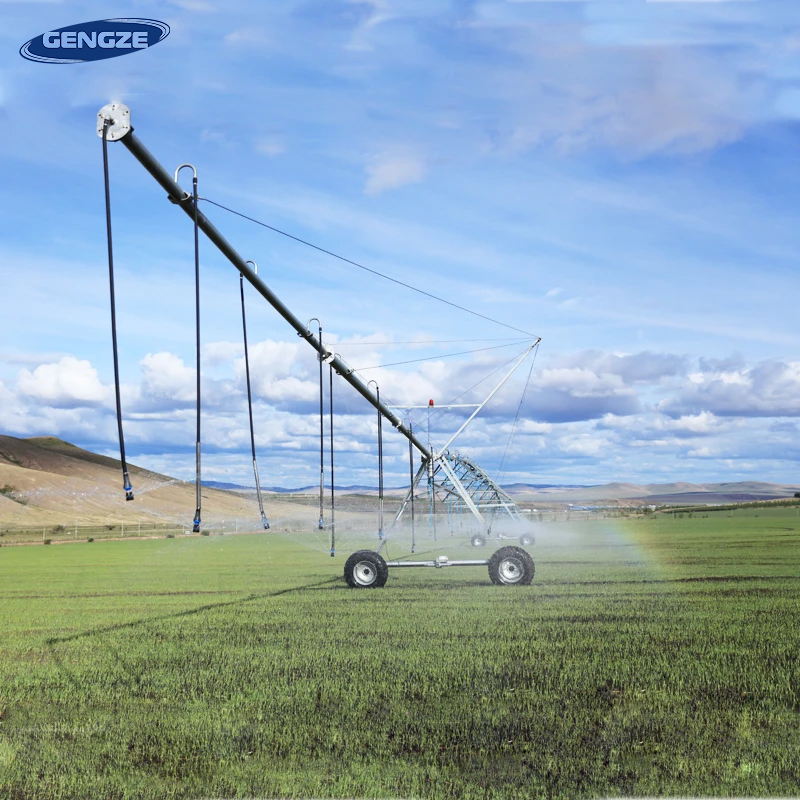
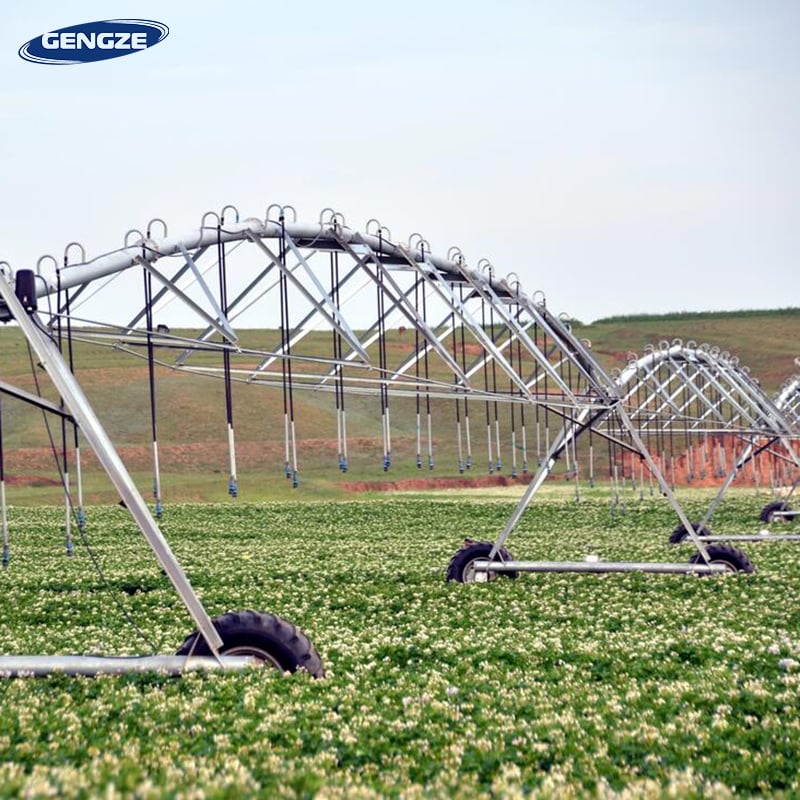
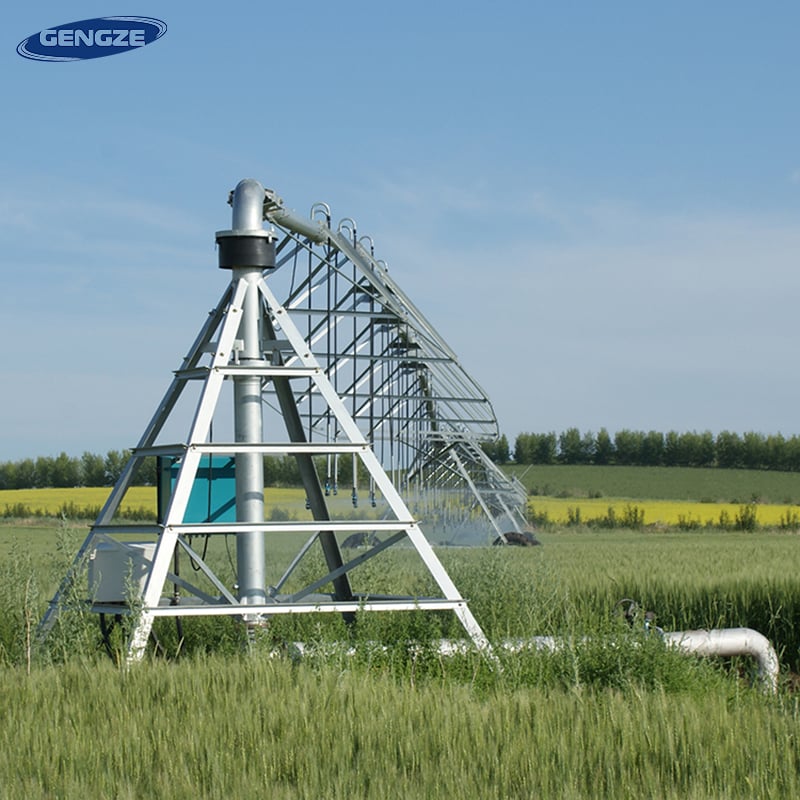
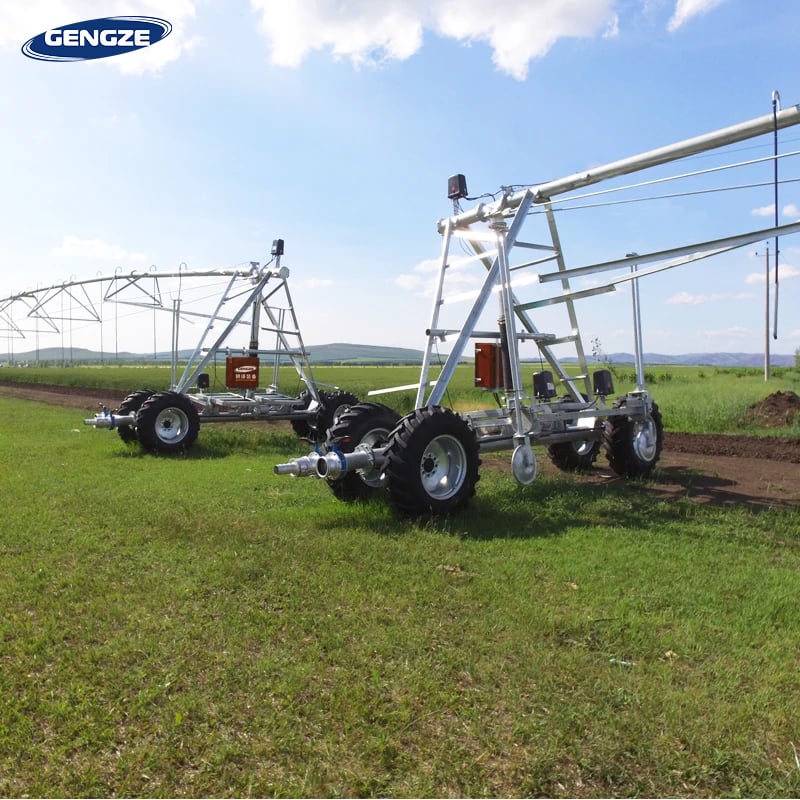
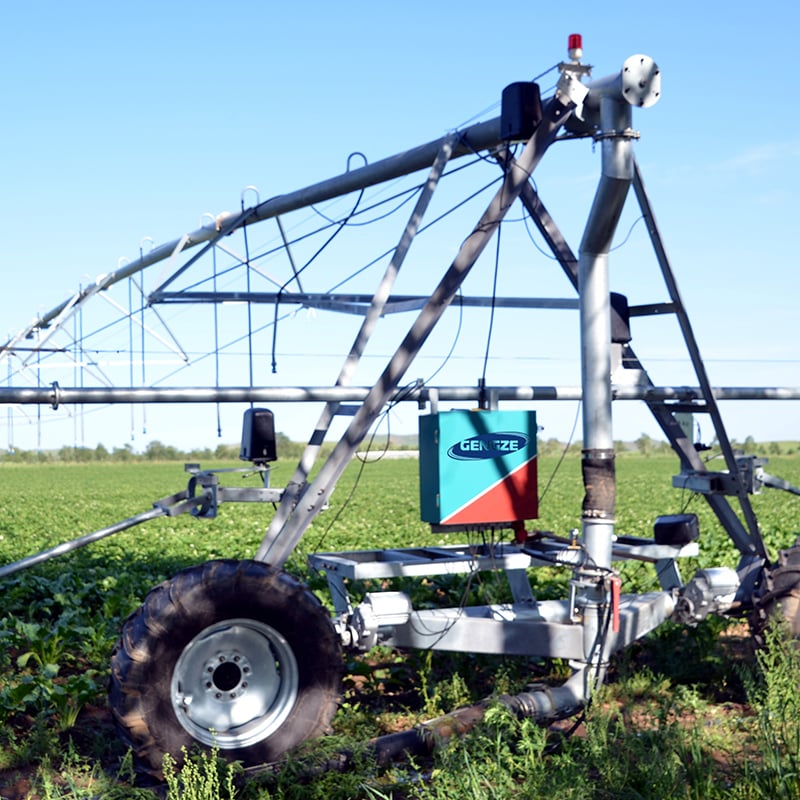
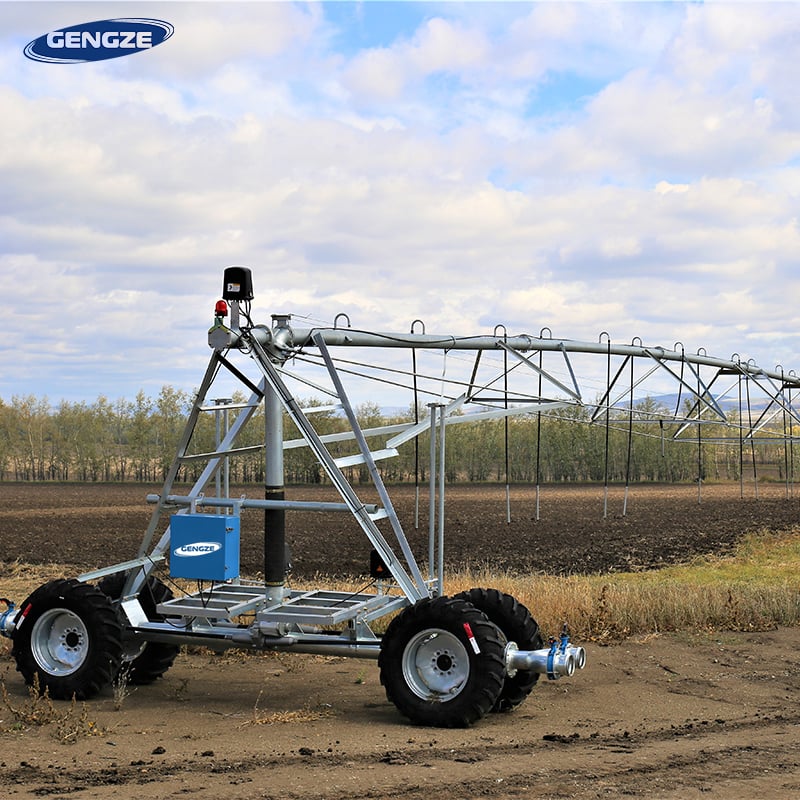
Center pivot and linear irrigation systems are essential agricultural tools designed to efficiently distribute water across large fields. These systems enable farmers to optimize water usage, improve crop yield, and reduce labor costs. As a purchasing manager or distributor, your main concerns may include product reliability, compatibility with existing equipment, and total cost of ownership. This article aims to equip you with practical insights on sourcing, installing, and maintaining center pivot and linear irrigation systems, helping you make informed decisions for your agricultural projects.
When exploring wholesale options for center pivot and linear irrigation equipment, it’s essential to consider various factors that will influence your purchasing decision. First, identify the specific needs of your customer base. Equipment specifications, such as span length, watering capacity, and control systems, should match the agricultural practices of the end user.
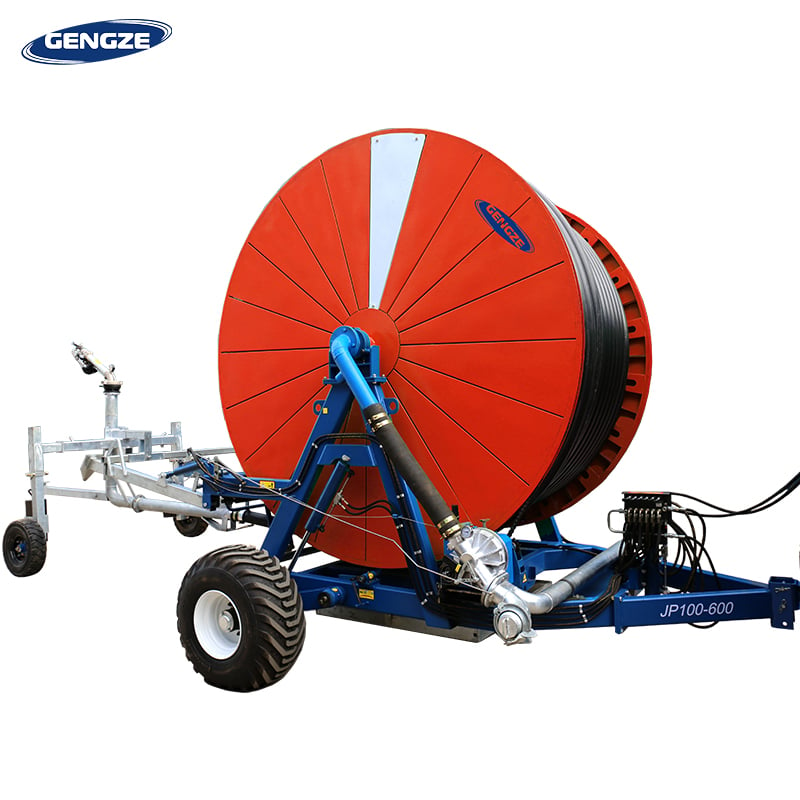
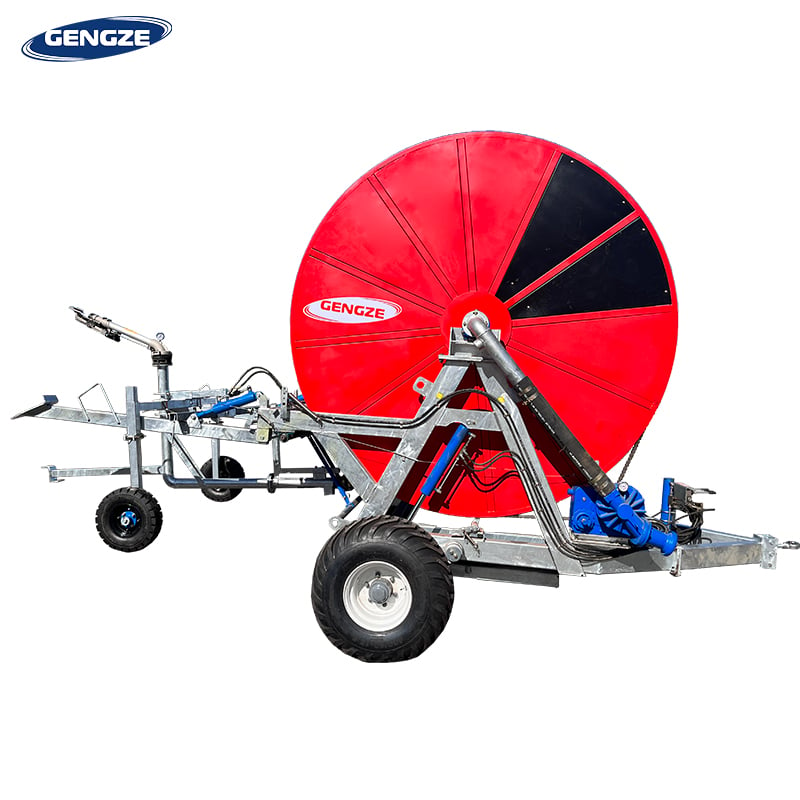
Dalian Gengze Agricultural Equipment Manufacturing Co., Ltd offers a comprehensive portfolio of center pivot and linear irrigation systems tailored to various agricultural applications. As a manufacturer with over 20 years of experience, we ensure our products are designed for durability and efficiency. When approaching wholesale purchases, consider minimum order quantities (MOQ) that align with your budget and storage capabilities. Additionally, explore customization options to meet unique project requirements, which may include modifications to system lengths or control mechanisms.
Lastly, evaluate the total cost of ownership, including installation and maintenance expenses, to ensure the equipment delivers long-term value to your customers.
Sourcing quality irrigation solutions necessitates a thorough understanding of the technical specifications and performance requirements of the equipment. When evaluating potential suppliers, such as Dalian Gengze, consider their manufacturing capabilities and quality assurance processes. Key factors to assess include:
Material Quality: Ensure that the materials used in the construction of the irrigation systems are suitable for the local climate and soil conditions. For example, galvanization can enhance the corrosion resistance of metal components, prolonging the lifespan of the equipment.
Technology Integration: Many modern irrigation systems incorporate advanced technology for improved water management, such as automated control systems and moisture sensors. Assess whether these technologies are compatible with existing farm management systems.
Certifications: Verify any industry certifications that guarantee product quality and compliance with local regulations. This can provide assurance of the equipment’s performance and reliability.
By focusing on these criteria, you can source irrigation solutions that not only meet the immediate needs of your projects but also offer long-term benefits for your clients.
Proper installation is critical to maximizing the efficiency of center pivot and linear irrigation systems. Here are key considerations for a successful installation:
Site Assessment: Conduct a thorough assessment of the installation site to identify terrain features, soil conditions, and other environmental factors. This will influence the design and configuration of the irrigation system.
Layout Planning: Plan the layout of the irrigation system, ensuring optimal coverage of the field. This includes determining the appropriate pivot point location, span lengths, and water distribution patterns.
Professional Installation: While some components may be installed by in-house teams, consider hiring professionals with experience in setting up agricultural irrigation systems. Their expertise can help avoid common pitfalls, such as misalignment or inadequate water pressure.
Calibration: After installation, calibrate the system to ensure it operates as intended. This may involve adjusting the speed and timing of the pivot to achieve the desired water application rates.
Training: Provide operators with training on how to use the irrigation system effectively. This can include guidance on monitoring water usage and troubleshooting common issues.
By following these steps, you can ensure that the center pivot and linear irrigation systems are installed correctly, leading to improved efficiency and productivity.
Despite their advantages, center pivot and linear irrigation systems can encounter various issues that may hinder performance. Understanding these common problems and their solutions is crucial for maintaining operational efficiency:
Water Distribution Issues: Uneven water distribution can result from misaligned pivots or clogged nozzles. Regularly inspect the system for obstructions and ensure that components are aligned correctly.
Mechanical Failures: Components such as gearboxes, drive motors, and pumps may experience wear and tear over time. Implement a routine maintenance schedule to check for signs of wear, and replace parts as necessary to prevent costly downtime.
Control System Malfunctions: Modern irrigation systems often rely on electronic controls, which can malfunction due to power issues or software errors. Familiarize yourself with the control system and keep a backup power source available to minimize disruptions.
Environmental Factors: Factors such as high winds or extreme temperatures can affect the performance of irrigation systems. Implement adaptive strategies, such as adjusting watering schedules during adverse weather conditions.
By proactively addressing these common issues, you can enhance the reliability of irrigation systems and ensure they deliver optimal performance throughout their operational lifespan.
Center pivot and linear irrigation systems have a wide range of applications in modern farming, making them versatile tools for various agricultural practices. Some key applications include:
Row Crop Farming: These systems are ideal for irrigating row crops such as corn, soybeans, and cotton, providing uniform water distribution and reducing labor costs.
Vegetable Production: Growers of vegetables benefit from the precision and efficiency of center pivot systems, which can be adjusted to meet the specific water needs of different crops.
Orchard and Vineyard Irrigation: Linear irrigation systems are particularly effective in orchards and vineyards, where precise water application is critical for optimizing fruit quality and yield.
Pasture Irrigation: These systems can also be utilized for irrigating pastures, ensuring that livestock have access to sufficient water throughout the growing season.
By understanding the various applications of center pivot and linear irrigation systems, buyers can better match equipment to the specific needs of their agricultural projects, ensuring that their investments are aligned with operational goals.

Dalian Gengze Agricultural Equipment Manufacturing Co.,Ltd
Copyright © Dalian Gengze Agricultural Equipment Manufacturing Co.,Ltd All Rights Reserved | Blog | Privacy Policy
 EN