Requesting a Call:
Online Support
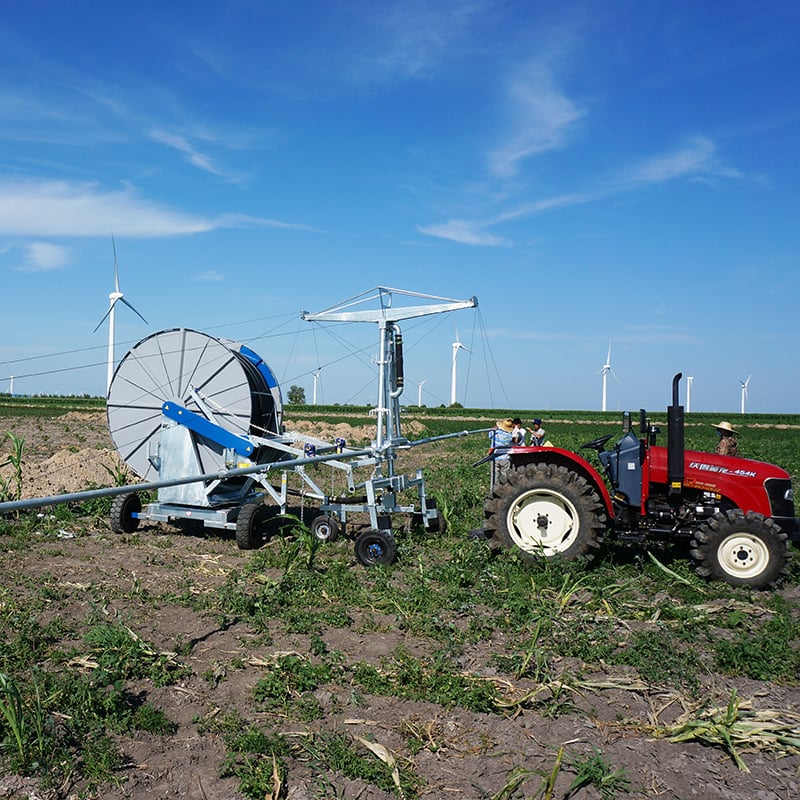
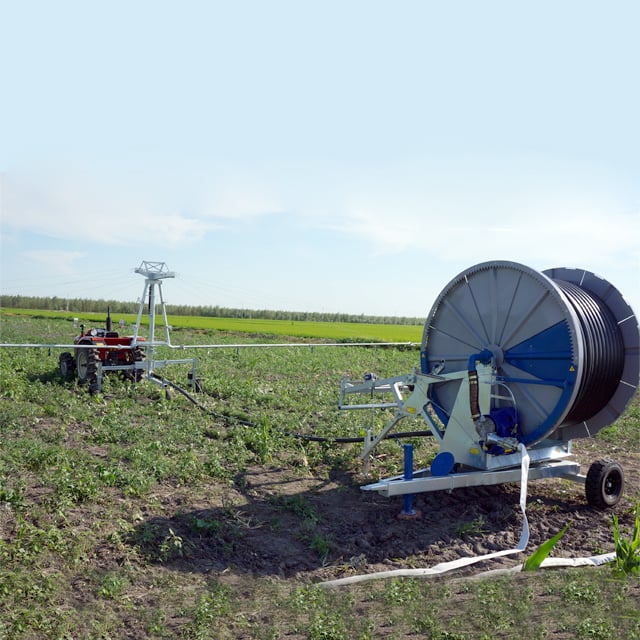
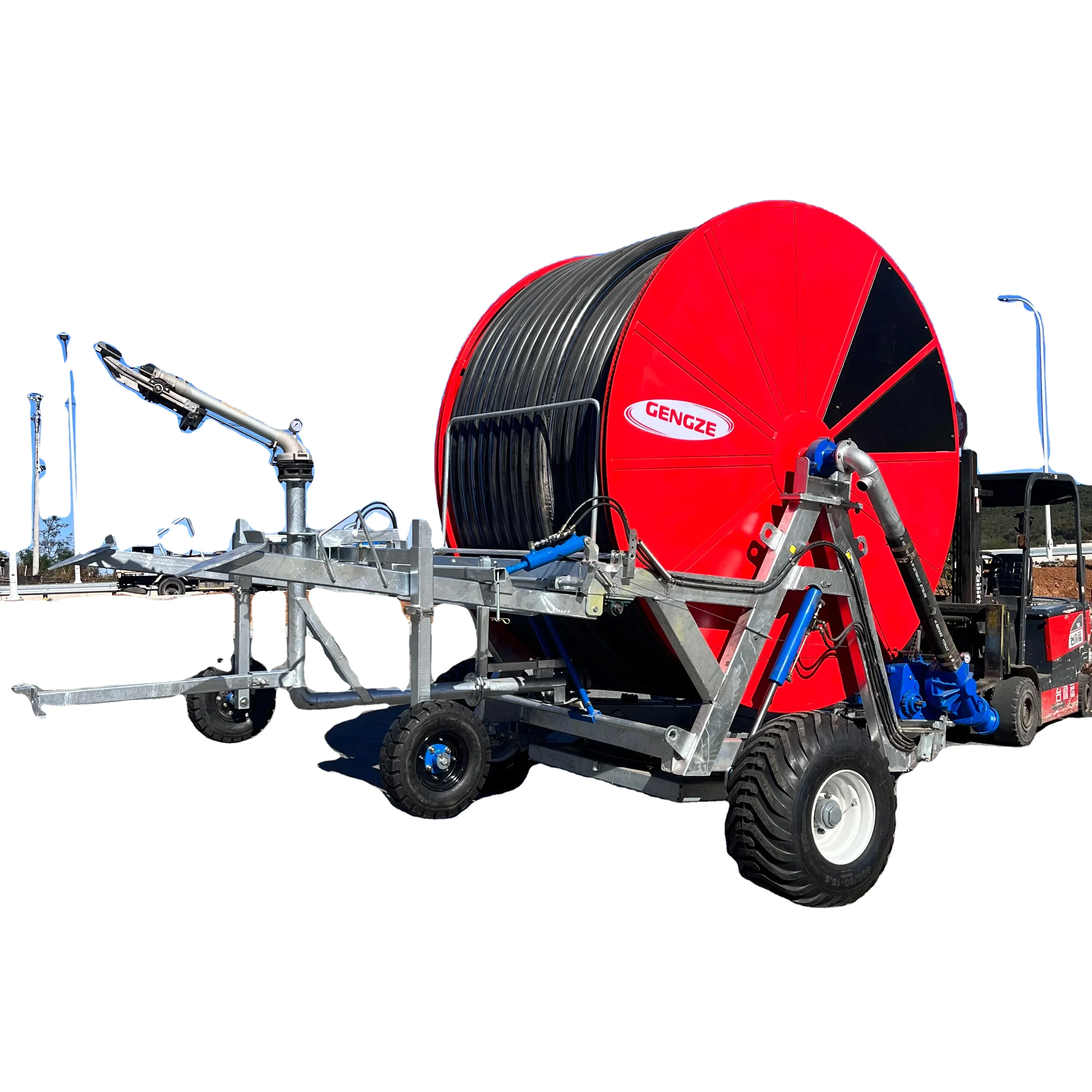
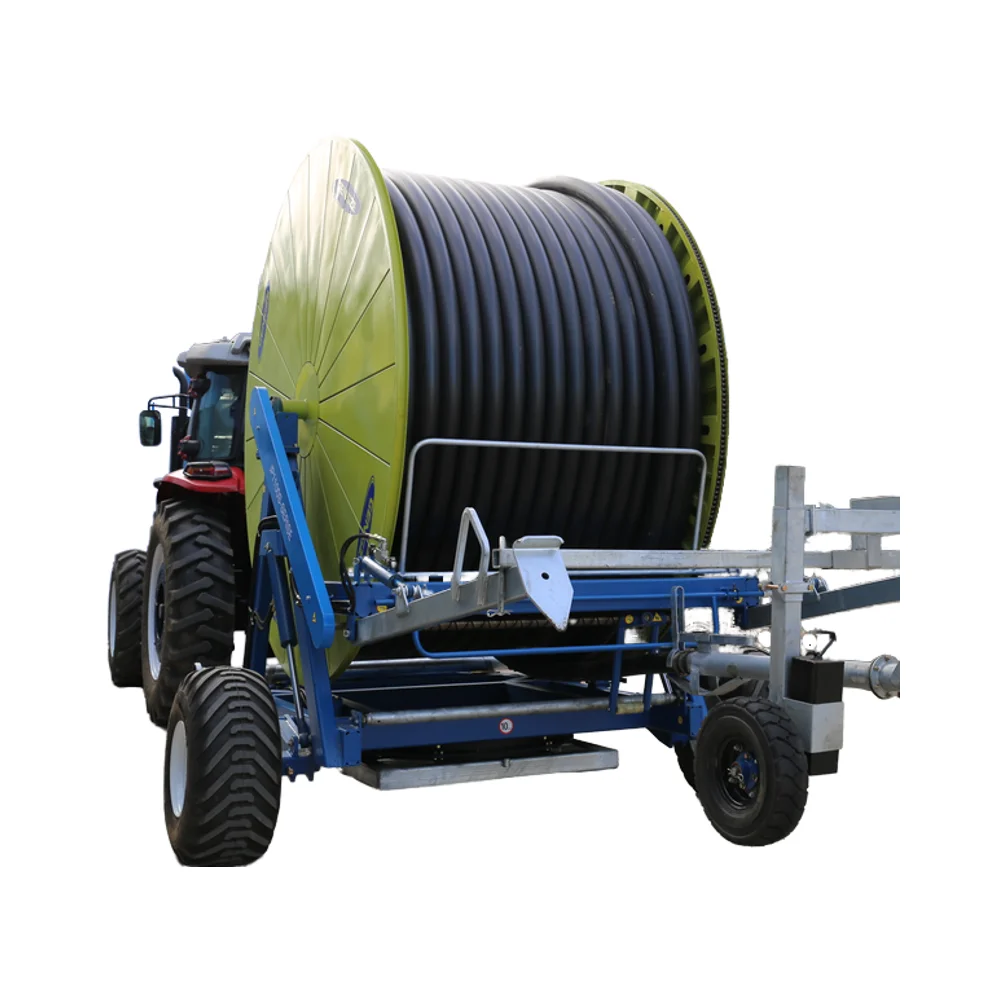
Reel irrigation systems are an essential component for modern agricultural practices, designed to provide efficient water management for crops. As a B2B buyer, understanding the intricacies of these systems is crucial for making informed purchasing decisions. Buyers often seek clarity on product specifications, applications, and cost-effectiveness. This article will guide you through selecting the right hose reel irrigation system, sourcing reliable suppliers, comparing quality and costs, exploring application scenarios, and identifying key supplier attributes.
Selecting the appropriate reel irrigation system hinges on several factors, including crop type, field size, and water availability. Understanding the specifications is vital. These systems typically vary in terms of hose diameter, reel capacity, and the length of the hose. For instance, a system with a larger reel capacity can cover more extensive fields and deliver water to more crops simultaneously.
Another important consideration is the type of materials used in construction. High-quality components, such as durable hoses and robust reels, will withstand the rigors of agricultural use and environmental conditions. Additionally, the system's design must facilitate easy transport and setup to maximize efficiency during critical irrigation times.
Buyers should also assess the system's compatibility with existing equipment. It's advisable to consult with suppliers to ensure that the selected system integrates seamlessly with other hose reel irrigation system tools and practices already in place on the farm.
Finding a dependable source for reel irrigation systems can significantly impact the purchasing process. Established manufacturers like Dalian Gengze Agricultural Equipment Manufacturing Co., Ltd, with over 20 years of experience in agricultural equipment, offer significant advantages. Look for companies that have a proven track record in manufacturing and supplying agricultural equipment, including hose reel irrigation machine.
When sourcing systems, wholesale buyers should consider both local and international suppliers. Many manufacturers have export capabilities, which may provide access to competitive pricing and a wider range of products. Connecting with suppliers that have a robust quality assurance process and positive customer reviews can help in making a well-informed decision.
It’s beneficial to request samples or visit manufacturing facilities if possible. This not only assures the quality of the products but also allows buyers to gauge the supplier's capabilities and reliability.
When evaluating reel irrigation systems, it’s essential to compare quality alongside cost. A lower purchase price may sometimes mean trade-offs in quality and durability. Buyers should look closely at product specifications, such as material types, hose thickness, and reel construction. For example, systems made from high-grade polyethylene or rubber hoses may have a higher upfront cost but tend to last longer and require less maintenance, ultimately reducing long-term expenses.
Consideration should also be given to the warranty and support offered by suppliers. A comprehensive warranty can provide peace of mind, indicating that the manufacturer stands behind their product quality. Furthermore, checking customer service responsiveness can reveal how well a supplier addresses post-purchase issues, which is crucial in B2B transactions.
It's advisable to develop a standardized checklist for comparing multiple systems. This checklist can include specifications, pricing, warranty terms, and supplier reputations, ensuring a thorough evaluation process.
Reel irrigation systems are versatile and can be adapted for various crops, from vegetables to grains. For instance, vegetable crops often require precise water application to avoid over-saturation, while cereal crops may benefit from broader coverage. Understanding the specific water needs of different crop types helps in selecting the right system features.
In high-value crops, such as berries or specialized vegetables, the ability to control water application rates is critical. Systems with adjustable flow rates allow farmers to meet the precise irrigation needs of these crops and can ultimately enhance yield quality.
Furthermore, geographic considerations play a role in application scenarios. In regions prone to variable weather conditions, a reliable irrigation system can provide the necessary flexibility in water management. Buyers should consider local climate factors and soil types when choosing a reel irrigation system to ensure optimal performance.
Choosing the right supplier for reel irrigation systems involves assessing several key factors. Firstly, evaluate the supplier’s experience and reputation within the agricultural industry. A supplier with a history of positive customer feedback and a strong presence in the market can often provide greater assurance regarding product quality and service reliability.
Secondly, investigate the supplier's manufacturing processes and quality control measures. Suppliers that adhere to stringent quality control protocols are more likely to provide consistent, high-quality products. This includes checks on raw materials, assembly processes, and final inspections.
Additionally, consider the supplier's capacity for customization. Depending on specific agricultural needs, customization of reel irrigation systems may be necessary, whether it's adjusting hose lengths or incorporating specialized features. Suppliers who are willing and able to customize products can offer tailored solutions that fit unique buyer requirements.
Finally, communication and support are vital. A responsive supplier who provides clear and timely answers to inquiries can facilitate a smoother purchasing process and help resolve any issues that may arise post-purchase.
By focusing on these factors, buyers can ensure they partner with reputable suppliers who meet their operational needs and support long-term agricultural productivity.

Dalian Gengze Agricultural Equipment Manufacturing Co.,Ltd
Copyright © Dalian Gengze Agricultural Equipment Manufacturing Co.,Ltd All Rights Reserved | Blog | Privacy Policy
 EN