Requesting a Call:
Online Support
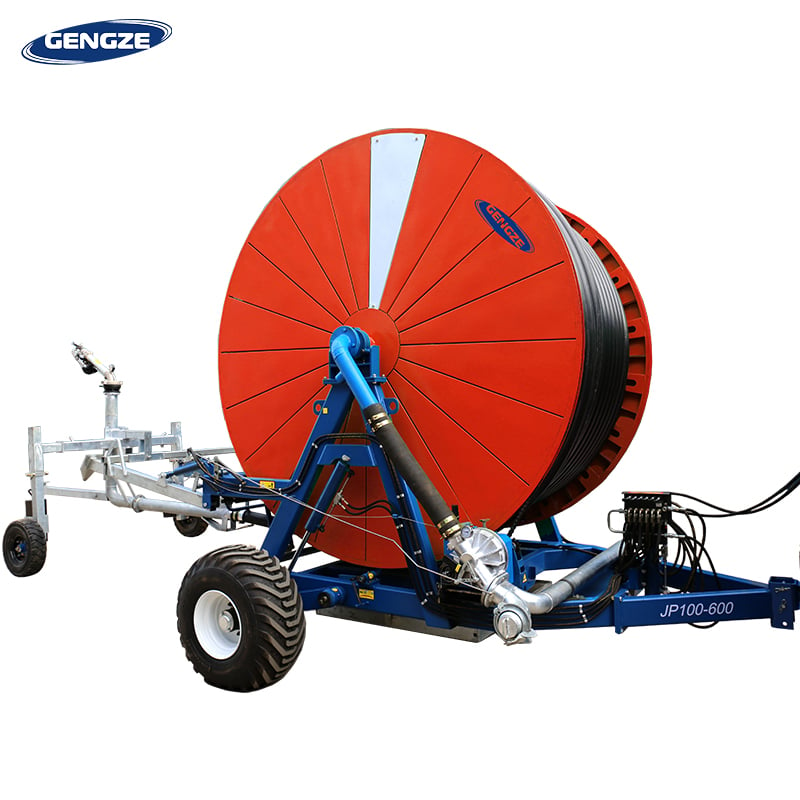
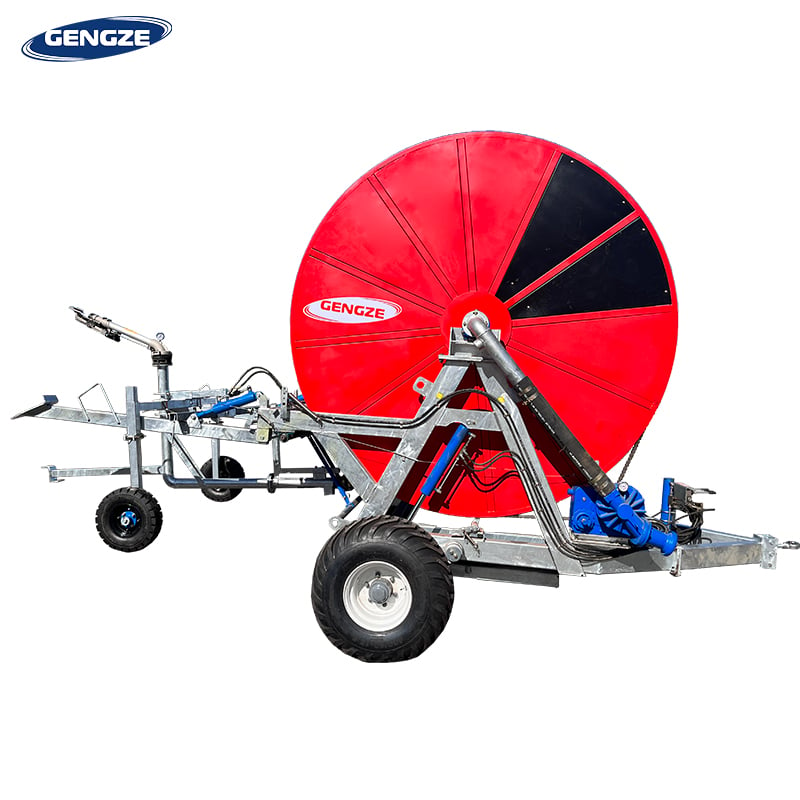
Reel irrigation systems are vital tools in modern agricultural practices, allowing farmers to efficiently manage water resources and optimize crop yields. For purchasing managers, distributors, and engineers, understanding the various options available can significantly impact operational efficiency and cost-effectiveness. This article will guide you through essential considerations when looking for a reel irrigation system for sale, including selection criteria, sourcing options, quality evaluation, installation guidelines, and troubleshooting common issues.
Selecting the appropriate reel irrigation system requires an understanding of your specific agricultural requirements. Key factors include the size of the area to be irrigated, the types of crops being cultivated, and the water source available.
System Size and Capacity: Determine the coverage area and the flow rate needed. For instance, larger fields may require systems with a higher discharge rate and longer hoses. Be sure to assess the maximum distance the system must cover to ensure the right specifications.
Crop Type: Different crops have varying water needs. For instance, leafy greens may require more frequent watering compared to root vegetables. Understanding these nuances can help you select a system that provides optimal irrigation without water wastage.
Terrain Compatibility: The topography of your land plays a vital role in system selection. A system designed for flat terrain may not perform adequately on sloped fields. Evaluate if adjustable features are necessary to accommodate your land's contours.
Automation and Control Features: Some modern hose reel irrigation machine systems come with advanced features such as automated timers and sensors that can optimize water application based on soil moisture levels. Consider whether these features would enhance your irrigation efficiency.
When seeking reel irrigation systems for sale, sourcing through reliable wholesale distributors can lead to significant cost savings and improved supply chain efficiency. Here are some options to consider:
Direct Manufacturers: Establishing a relationship with manufacturers like Dalian Gengze Agricultural Equipment Manufacturing Co., Ltd can provide access to high-quality systems at competitive prices. They often offer customization options to meet specific operational needs.
Wholesale Distributors: Partnering with established irrigation equipment distributors can also be beneficial. These distributors typically have a wide range of products and can provide additional services such as technical support and delivery logistics.
Trade Shows and Industry Events: Attending agricultural trade shows can provide opportunities to connect directly with manufacturers and suppliers. This allows for firsthand inspection of products and discussions regarding pricing, lead times, and customization options.
Online Marketplaces: Platforms that specialize in agricultural equipment can be useful for comparing different models and prices. However, always verify the supplier's credibility and product quality before making a purchase.
Before placing a bulk order for reel irrigation systems, it’s crucial to conduct a thorough quality evaluation. Here are key aspects to consider:
Material Specifications: Assess the materials used in the construction of the reel and hoses. Durable materials like high-density polyethylene (HDPE) or reinforced rubber can withstand harsh environmental conditions and prolong the lifespan of the system.
Manufacturing Processes: Understanding the manufacturer’s production capabilities can indicate quality. Look for certifications that demonstrate adherence to industry standards, such as ISO 9001, which ensures consistent quality management.
Quality Control Procedures: Inquire about the manufacturer’s quality assurance processes. Regular inspections during production and third-party testing can help ensure that the systems meet specified performance criteria.
Warranty and Support: A solid warranty indicates the manufacturer’s confidence in their product quality. Ensure that support services, such as maintenance and repair, are readily available.
Proper installation of reel irrigation systems is critical for optimal performance. Consider the following guidelines:
Site Preparation: Before installation, ensure that the site is clear of debris and that the terrain is appropriately graded to facilitate even water distribution.
Assembly Instructions: Follow the manufacturer’s assembly instructions carefully. Pay attention to the setup of hoses, reels, and any electronic components if the system is automated.
Testing: Once installed, conduct a thorough test run of the system. Check for leaks, monitor water distribution patterns, and make any necessary adjustments to ensure even coverage.
Regular Maintenance: Establish a maintenance schedule that includes routine checks on hoses, connections, and the reel mechanism to prolong system life and effectiveness.
Even the best hose reel irrigation system price can encounter issues. Here are common problems and recommended solutions:
Leaks in Hoses or Fittings: Over time, hoses can develop leaks due to wear and tear. Regular inspections can help identify issues early. Use appropriate sealing solutions or replace damaged sections promptly.
Improper Water Distribution: Uneven water distribution can lead to crop stress. Adjust the system’s pressure settings and check for blockages in hoses or fittings to ensure optimal operation.
Reel Malfunction: If the reel does not retract or extend smoothly, check for mechanical obstructions or wear on the reel components. Regular lubrication can also prevent operational issues.
Clogged Filters: If the system incorporates filters, these can become clogged with debris over time, affecting performance. Periodic cleaning or replacement of filters is essential to maintain flow rates.
By understanding these aspects of reel irrigation systems, agricultural professionals can make informed purchasing decisions, ensuring efficient water management and improved crop yields.

Dalian Gengze Agricultural Equipment Manufacturing Co.,Ltd
Copyright © Dalian Gengze Agricultural Equipment Manufacturing Co.,Ltd All Rights Reserved | Blog | Privacy Policy
 EN