Requesting a Call:
Online Support
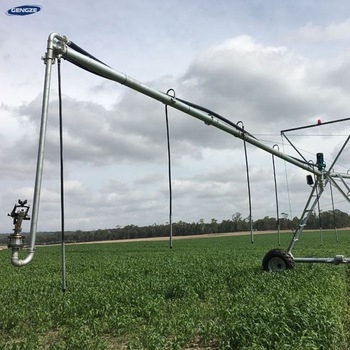
A solar automatic watering system is an innovative irrigation solution designed to provide efficient water management for agricultural and commercial applications. These systems utilize solar energy to operate, making them an environmentally friendly choice that reduces operational costs. For B2B buyers, such as purchasing managers and agricultural engineers, understanding how to select the right pivot watering systems is essential in ensuring that their investment meets specific operational needs and budget constraints. This article will provide practical insights into choosing the right system, key specifications to consider, bulk ordering options, installation guidance, and common issues along with their solutions.
Selecting the right Gengze solar automatic watering system depends on several factors, including the scale of your operation, the specific crops being irrigated, and local climate conditions. Begin by assessing the area that requires irrigation; larger fields may necessitate more robust systems with higher water delivery capacities.
Consider the source of water available—whether it’s from a well, rainwater collection, or a nearby water body. The system should be compatible with the chosen water source, and the expected flow rate should align with the watering requirements of your plants. Additionally, evaluate the system's energy needs; a solar automatic watering system should have enough solar panels to ensure consistent operation even on less sunny days.
A practical tip for buyers is to consult with manufacturers about customization options, as different crops may require varying irrigation schedules and methods. Understanding your specific needs will help guide you in selecting a system that maximizes efficiency and minimizes waste.
When evaluating solar automatic watering systems, several key specifications should be taken into account:
Water Delivery Rate: This indicates how much water the system can deliver per hour. Ensure this rate meets the demands of your crops during peak growth periods.
Battery Storage Capacity: Systems equipped with batteries can store solar energy for use during cloudy days or nighttime. A higher capacity can improve reliability.
Pump Type and Efficiency: The pump type (submersible, surface, etc.) plays a critical role in system efficiency. Choose pumps known for durability and energy efficiency to reduce operational costs.
Control Systems: Advanced control systems can automate irrigation schedules based on soil moisture levels, weather forecasts, or crop needs. Look for systems that offer smart controls for enhanced flexibility.
Durability and Materials: The materials used in the system should withstand local environmental conditions. Corrosion-resistant components extend the life of the system and reduce maintenance requirements.
System Size and Layout: Ensure the system can be scaled to meet future needs as your agricultural operation grows. Modular designs may offer better flexibility.
These specifications directly affect the system's performance and longevity, making it essential to thoroughly evaluate them before making a purchase.
When considering bulk orders of solar automatic watering systems, several factors come into play. First, inquire about minimum order quantities (MOQs) and potential discounts for larger orders. Many manufacturers, such as Dalian Gengze Agricultural Equipment Manufacturing Co., Ltd, may offer competitive pricing for bulk purchases, which can significantly lower your overall costs.
Additionally, discuss customization options with suppliers. Bulk orders often allow for tailored specifications that meet unique operational requirements. Be sure to provide detailed information about your irrigation needs, preferred materials, and any specific features that may be necessary for your application.
Lead times are also an important consideration. Clarify production timelines and shipping arrangements to ensure that your order arrives when needed, especially during critical planting or growing seasons.
Proper installation is crucial for maximizing the efficiency of Gengze solar automatic watering systems. Here are some key steps to consider:
Site Preparation: Clear the installation area of debris and ensure the ground is level to prevent water pooling. Consider potential shading from nearby structures or trees that could impact solar panel efficiency.
Panel Orientation: Install solar panels at an angle that maximizes exposure to sunlight throughout the day. In most regions, a south-facing orientation works best.
Pump Installation: Follow manufacturer guidelines for pump placement and connections. Ensure all fittings are secure to prevent leaks and optimize water flow.
Electrical Connections: Properly connect the solar panels to the battery and pump, adhering to safety standards. Seek professional help if necessary to ensure compliance with local electrical codes.
System Testing: Once installed, conduct a thorough test of the entire system. Check for any leaks, verify pump operation, and ensure that the control systems function correctly.
Maintenance Plan: Establish a routine maintenance schedule to clean solar panels, check battery health, and inspect pumps for wear and tear. Regular maintenance helps prevent issues and extends the system's lifespan.
By following these guidelines, buyers can ensure their pivot watering operate efficiently and effectively, maximizing the return on their investment.
While solar automatic watering systems are generally reliable, some common issues may arise that buyers should be aware of:
Insufficient Water Supply: This can occur if the system is not sized correctly. Buyers should ensure that the water delivery rate matches their irrigation needs. If problems persist, consider consulting with the manufacturer for system adjustments or upgrades.
Battery Failure: Solar systems rely heavily on battery storage. If the battery capacity is inadequate or the battery experiences failure, the system may not operate effectively. Regularly check battery health and replace batteries as needed.
Pump Blockages: Debris can clog pumps, affecting water delivery. Implementing pre-filters or strainers can help prevent blockages, and regular maintenance checks can identify issues before they escalate.
Solar Panel Damage: Environmental factors can damage solar panels. Inspect panels regularly for cracks or debris and address any damage promptly to maintain efficiency.
Control System Failures: If the control system malfunctions, it can disrupt irrigation schedules. Ensure that all connections are secure and consider having a backup control option in place.
Understanding these potential issues allows buyers to mitigate risks and maintain optimal system performance. Consulting with experienced manufacturers can provide additional insights into troubleshooting and maintenance best practices.
By considering these factors, B2B buyers can make informed decisions regarding solar power watering system, ensuring they select products that meet their operational needs while optimizing efficiency and sustainability.
Dalian Gengze Agricultural Equipment Manufacturing Co.,Ltd
Copyright © Dalian Gengze Agricultural Equipment Manufacturing Co.,Ltd All Rights Reserved | Blog | Privacy Policy
 EN