Requesting a Call:
Online Support
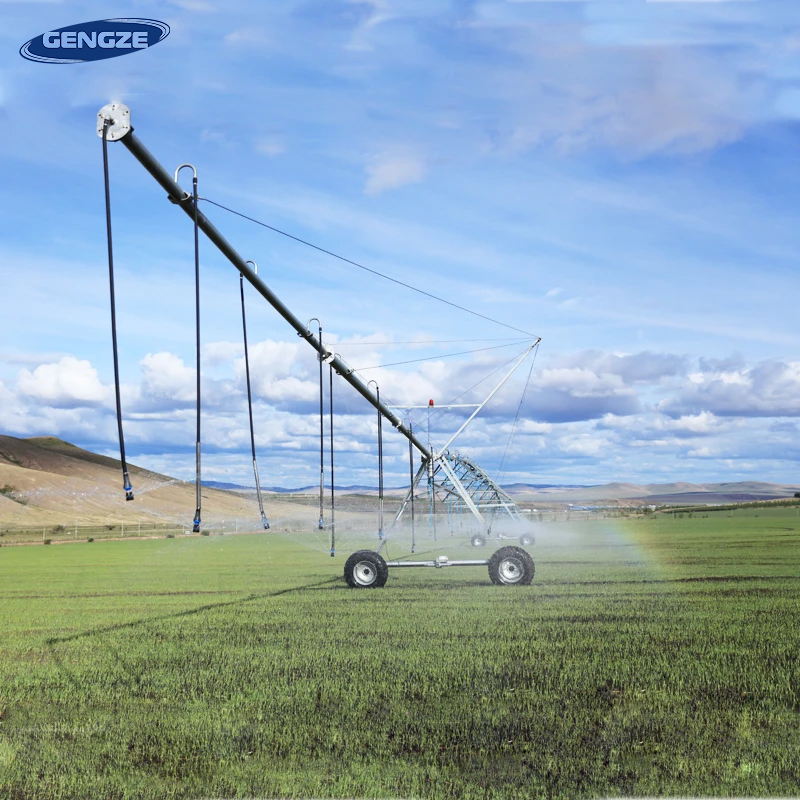
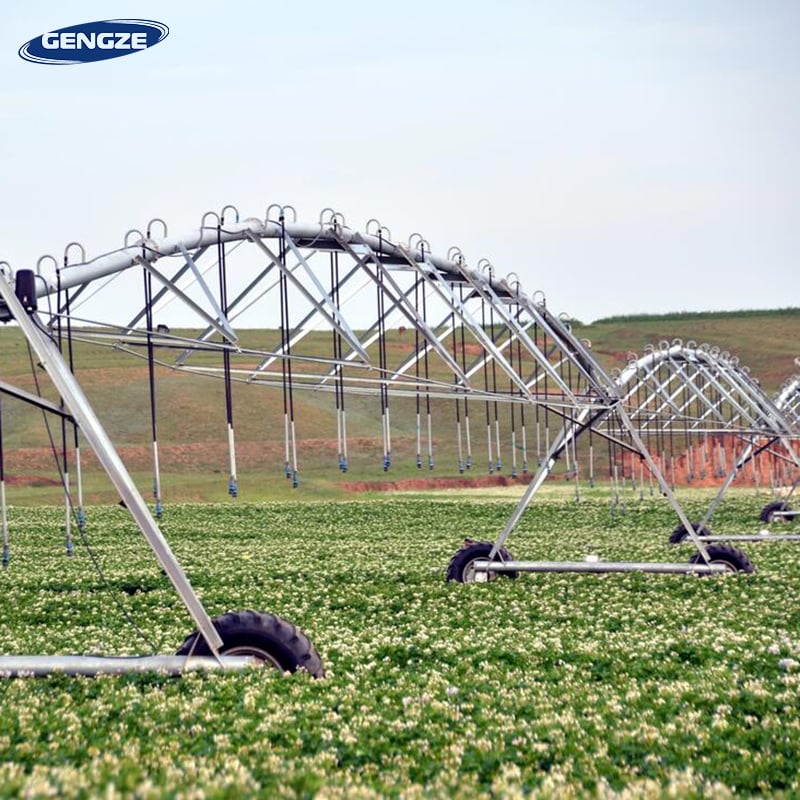
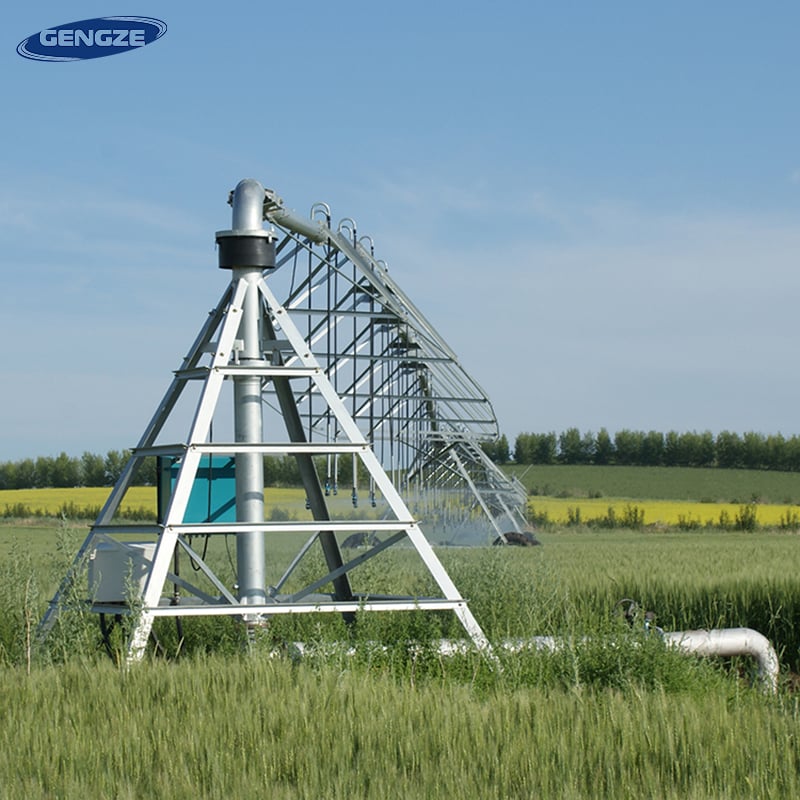
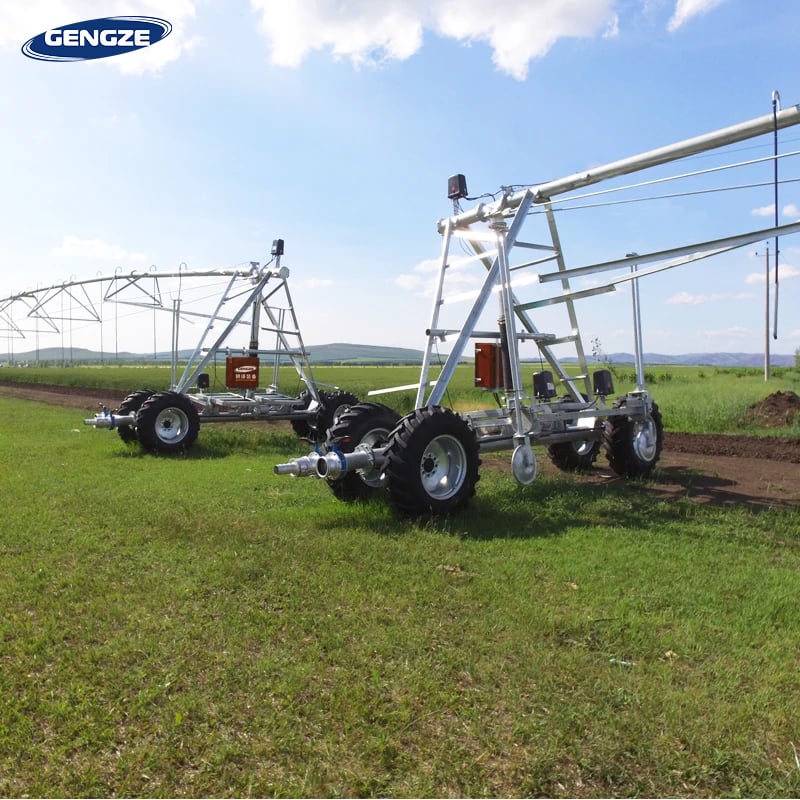
Pivot watering systems are advanced irrigation solutions designed to deliver water efficiently across agricultural fields. These systems are particularly essential for optimizing water usage and enhancing crop yields, which are key concerns for purchasing managers, distributors, and agricultural engineers. We will explore the unique features of pivot watering systems, guide you on finding reliable suppliers, discuss the cost factors involved in purchasing, identify common problems and solutions, and highlight the applications of these systems in modern agriculture.
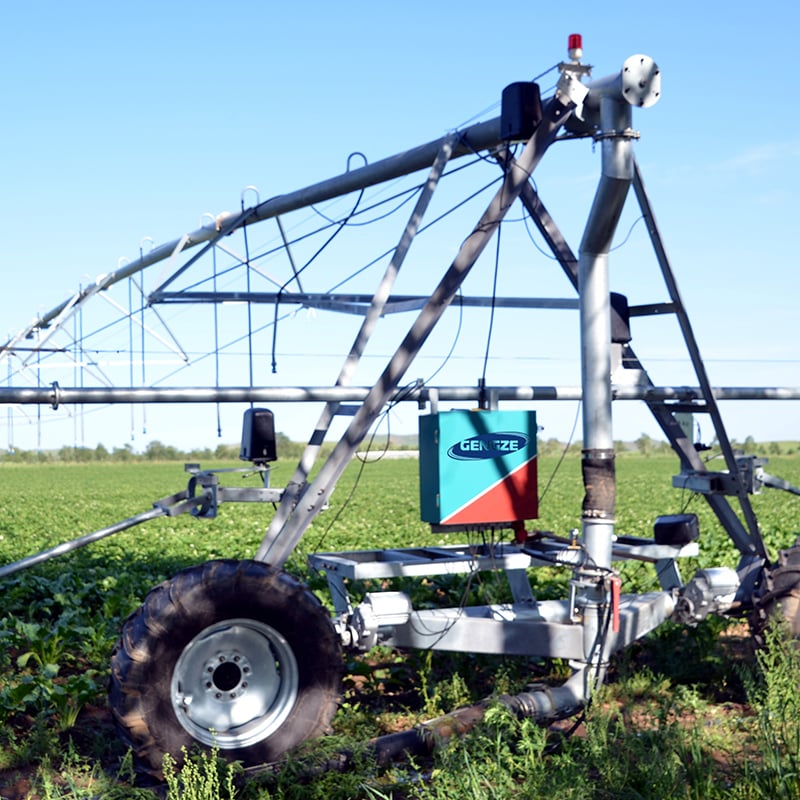
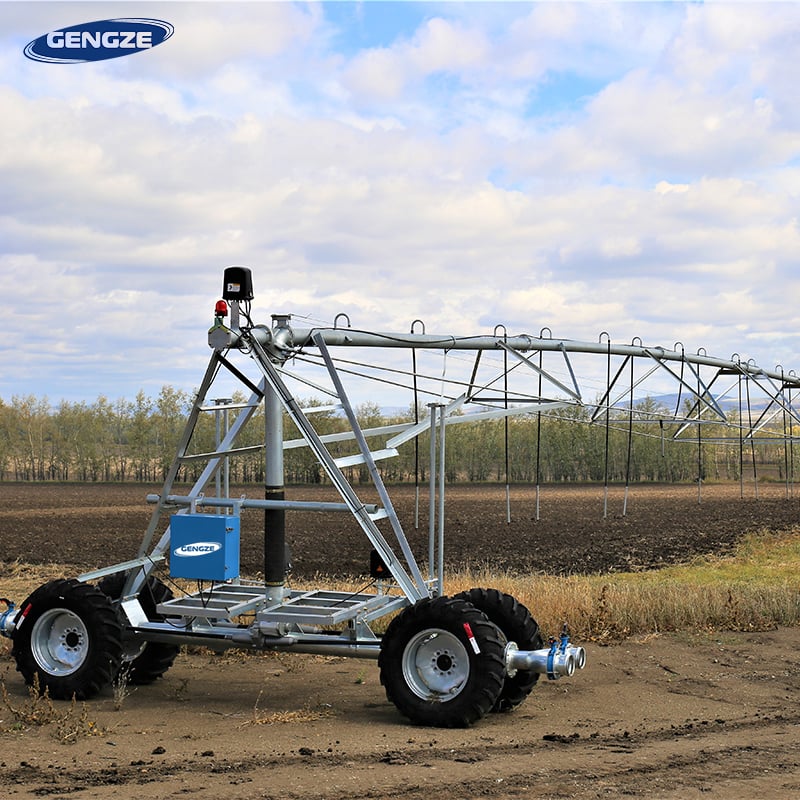
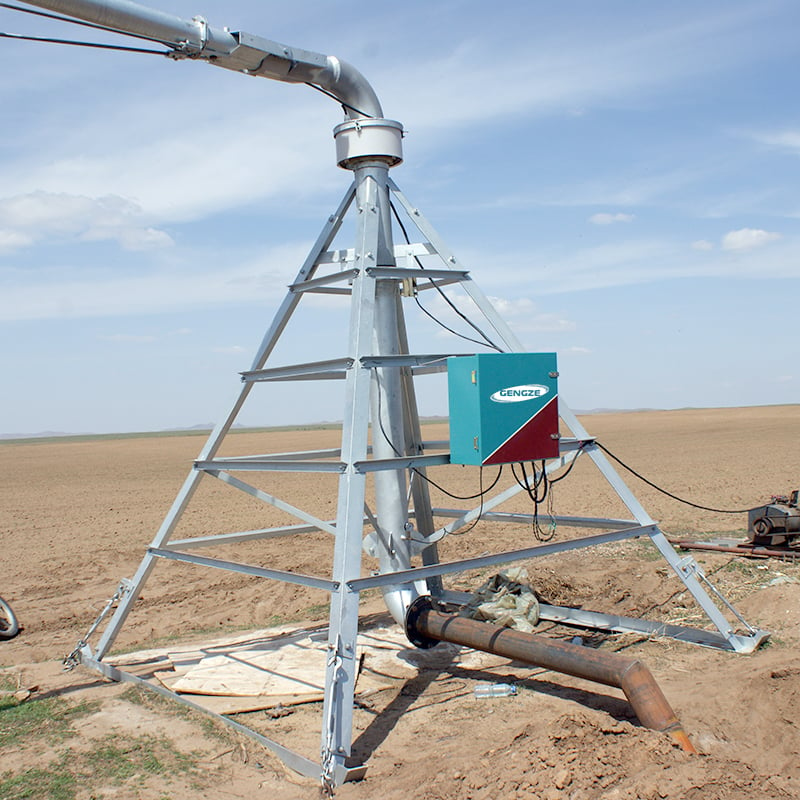
Dalian Gengze Agricultural Equipment Manufacturing Co., Ltd. leverages over two decades of experience in agricultural equipment manufacturing to produce high-efficiency pivot watering systems. Our systems are designed with precision engineering, incorporating durable materials that withstand the rigors of agricultural environments. One of the standout features of our pivot watering systems is their adaptability to various crop types and terrains. The systems can be customized to meet specific water distribution requirements, ensuring optimal coverage and efficiency. Furthermore, our pivot systems are equipped with advanced control technology, allowing for real-time monitoring and adjustments, which helps in conserving water and improving crop health. Additionally, our manufacturing process adheres to stringent quality control measures. Each component, from the pivot arms to the nozzles, undergoes rigorous testing to ensure reliability and performance. This commitment to quality has earned us a reputation as a trusted supplier in global markets.
When searching for reliable suppliers of pivot watering systems, it is crucial to evaluate their experience and capabilities. Look for manufacturers with a proven track record in agricultural equipment, particularly those who have been in the industry for several years. Companies like Dalian Gengze Agricultural Equipment Manufacturing Co., Ltd., with over 20 years of experience, are often more adept at understanding the complexities of agricultural irrigation needs. Another important factor is the supplier's ability to provide customization. Suppliers that offer tailored solutions are better equipped to meet the specific requirements of your agricultural practices. Additionally, consider the supplier's certifications and quality standards; reputable manufacturers typically comply with international standards, which can be verified through industry certifications. Networking within agricultural trade shows or industry events can also help in identifying reliable suppliers. Engaging with peers and gathering recommendations can provide insights into supplier reliability and product performance.
The cost of pivot watering systems can vary significantly based on several factors. Key considerations include the system size, the complexity of the installation, and the specific features required. For instance, larger systems designed for extensive fields will naturally incur higher costs than smaller models. Customization options can also affect pricing. Systems with advanced control features, specialized nozzles, or additional components such as pumps and sensors may come with a premium. It's essential to clearly define your requirements and budget before initiating discussions with suppliers. Additionally, consider the total cost of ownership, which encompasses installation, maintenance, and operational costs. A lower initial purchase price may not always translate to cost savings in the long run, particularly if ongoing maintenance is higher than anticipated. When requesting quotes, be prepared to provide detailed information, including the intended application, field size, and any specific customization needs. This will help suppliers offer accurate pricing and recommendations.
Understanding potential issues with pivot watering systems can significantly enhance their effective operation. One common problem is uneven water distribution, which can lead to crop stress and reduced yields. This issue often arises from clogged nozzles or incorrect setup. Regular maintenance, including cleaning and inspecting nozzles, can mitigate this problem. Another frequent concern is mechanical failure, particularly in the pivot arms and drive systems. Regular inspections and adherence to the manufacturer's maintenance schedule can help prevent breakdowns. It’s advisable to train staff on basic troubleshooting techniques to quickly address minor issues before they escalate. Additionally, environmental factors such as wind or uneven terrain can affect system performance. Implementing windbreaks or adjusting the system configuration can help in achieving better water distribution. Collaborating with suppliers for training and support can also aid in effectively managing these challenges.
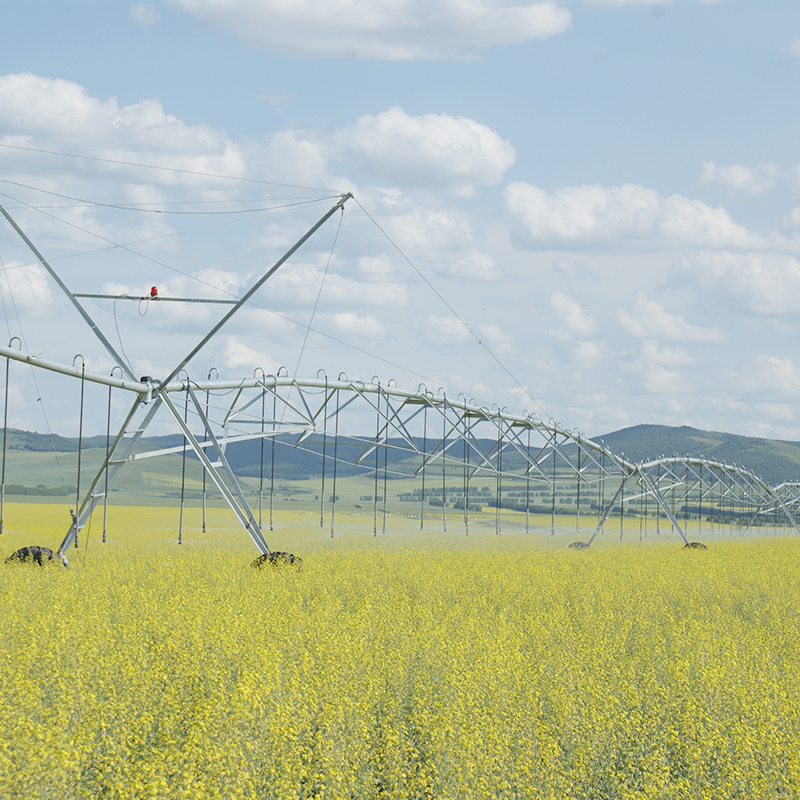
Pivot watering systems are versatile tools in modern agriculture, suitable for a wide range of applications. They are primarily used for irrigating row crops, such as corn and soybeans, where consistent moisture levels are crucial for optimal growth. The flexibility of these systems allows farmers to adapt to different crop types and growing conditions. Additionally, pivot watering systems can be utilized in high-value crops, including fruits and vegetables, where precise water management is vital to ensure quality and yield. They are also effective in pastures and forage production, helping to maintain soil moisture and support livestock health. In regions facing water scarcity, centre pivot irrigation systems are increasingly being adopted for their efficiency in water use. The ability to monitor and control water application helps farmers conserve resources while maximizing productivity. The integration of technology, such as soil moisture sensors and automated controls, further enhances the effectiveness of pivot irrigation in precision agriculture. By understanding the features, cost factors, and applications of pivot watering systems, B2B buyers can make informed purchasing decisions that align with their agricultural goals.

Dalian Gengze Agricultural Equipment Manufacturing Co.,Ltd
Copyright © Dalian Gengze Agricultural Equipment Manufacturing Co.,Ltd All Rights Reserved | Blog | Privacy Policy
 EN