Requesting a Call:
Online Support
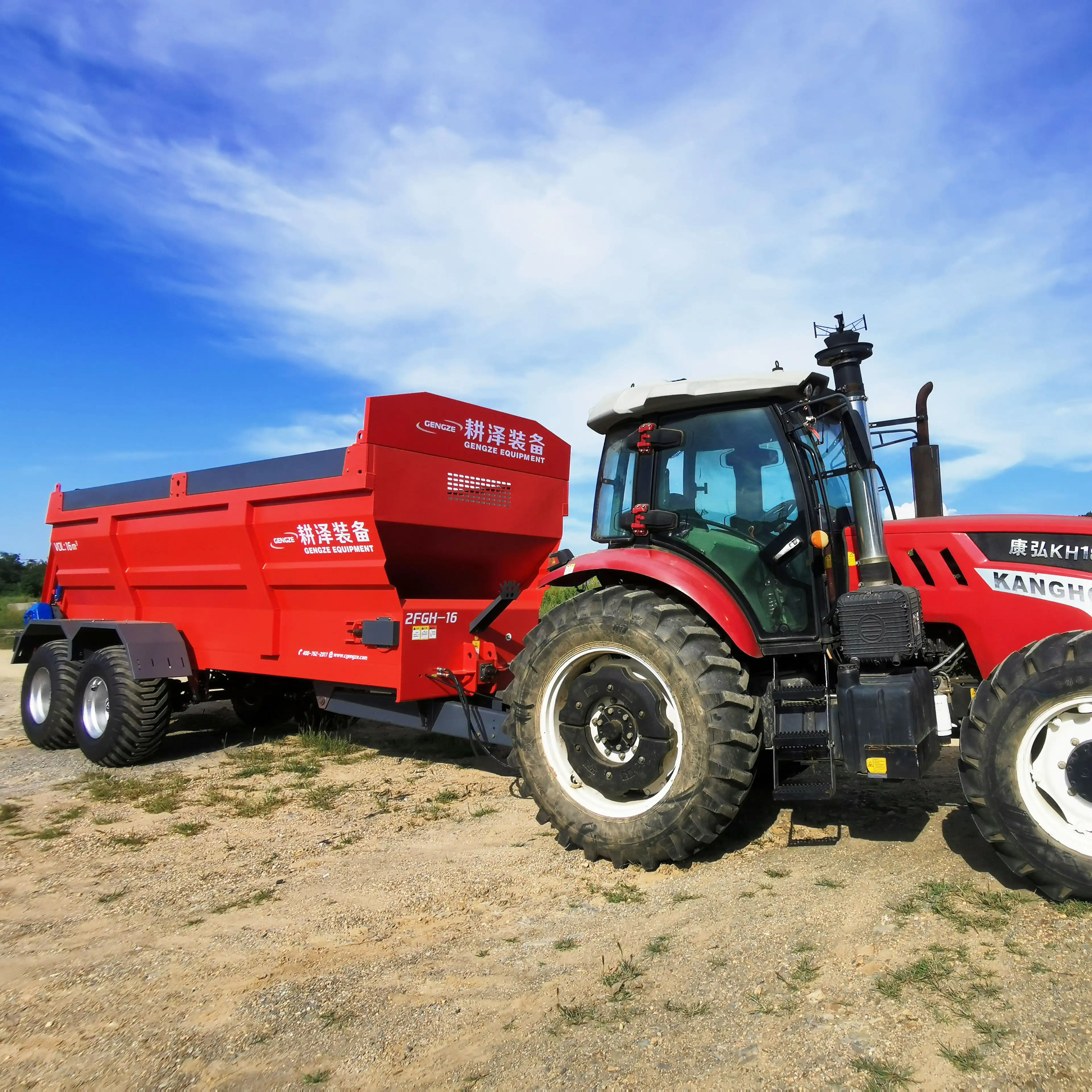
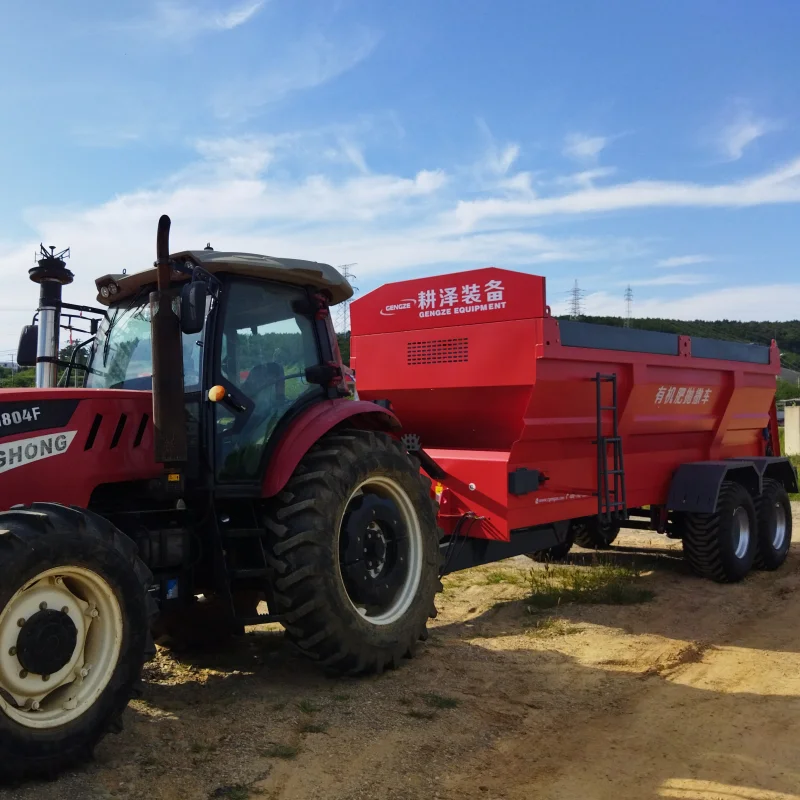
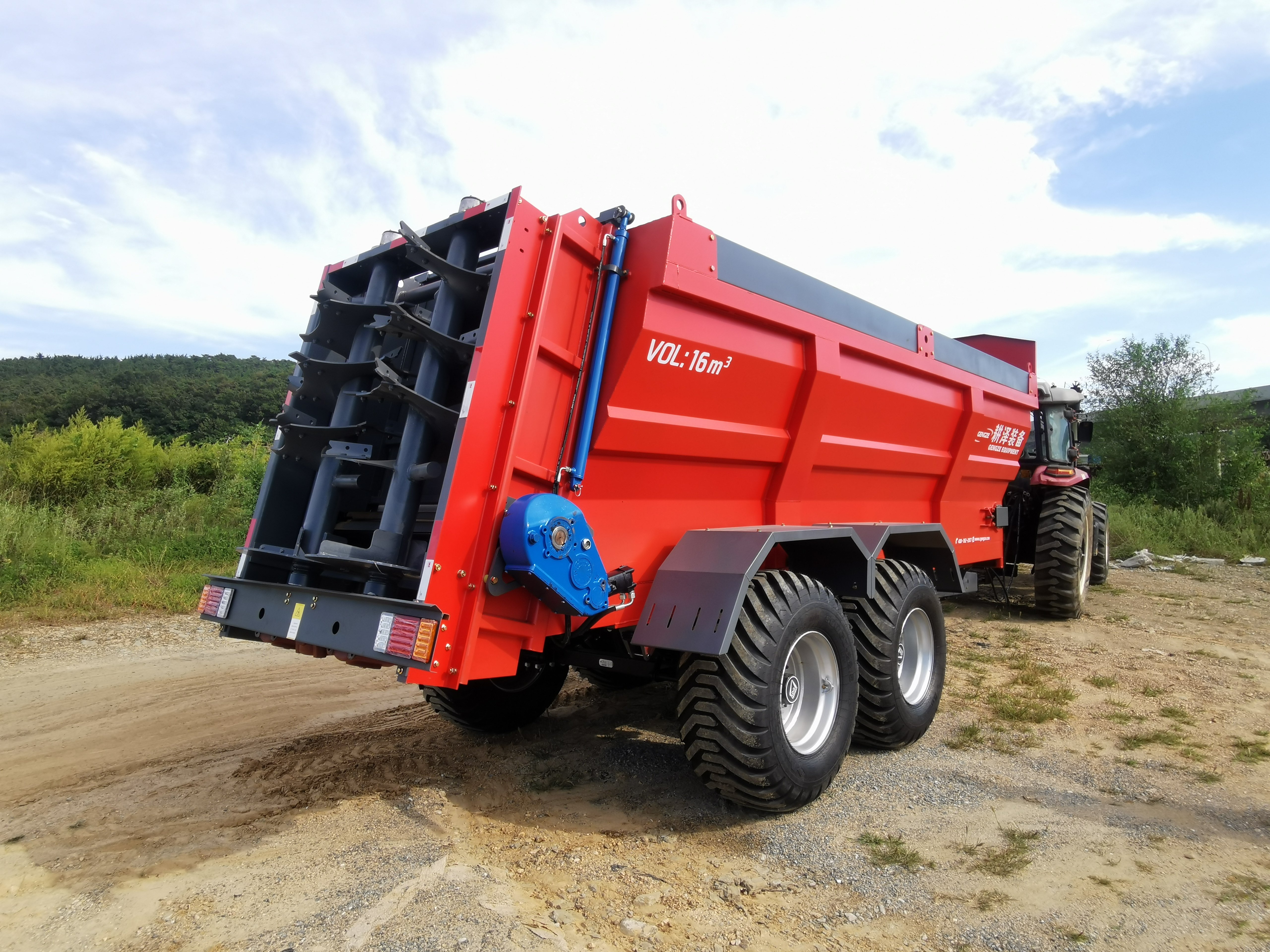
A tractor manure spreader is an essential agricultural tool designed to efficiently distribute manure across fields, enhancing soil fertility and promoting healthy crop growth. For B2B buyers, such as purchasing managers and agricultural engineers, selecting the right manure spreader involves considering factors like performance, durability, and cost-effectiveness.
This article will guide you through the critical aspects of choosing a fertilizer spreader for tractor manure spreader, addressing common purchasing concerns, installation guidance, troubleshooting, and comparing different models to aid in your decision-making process.
When selecting a tractor manure spreader, it is crucial to consider several factors that align with your specific farming requirements. First, assess the capacity needed based on the size of your operation. Smaller farms may benefit from a compact model, while larger farms might require a high-capacity spreader for efficiency.
Next, consider the type of manure you will be spreading. Different spreaders are designed for various types of manure liquid slurry, solid manure, or compost each having unique handling and spreading requirements. For instance, a slurry spreader is ideal for liquid manure, while a solid manure spreader is better suited for dry materials.
Material construction is another important aspect. High-quality materials such as galvanized steel or heavy-duty polymer can enhance durability and ensure a longer lifespan, especially when exposed to harsh agricultural environments. Additionally, check for features like adjustable spreading widths, which can improve application efficiency and reduce wastage.
Lastly, consult with manufacturers about available customization options that may cater to your specific needs, such as varying sizes or additional features like hydraulic lift systems for improved ease of use.
The total cost of a tractor manure spreader encompasses not only the initial purchase price but also ongoing operational costs. When evaluating costs, consider the following factors:
Initial Purchase Price: This is often a significant factor, but it should not be the only consideration. Cheaper models may save money upfront but could lead to higher maintenance costs or reduced efficiency over time.
Operating Costs: This includes fuel consumption, maintenance, and repair costs. Models with efficient designs and fewer moving parts may incur lower operational costs.
Resale Value: Some manure spreaders retain their value better than others. Researching market trends can help you choose a model that will not depreciate rapidly.
Financing Options: Many manufacturers offer financing options that can affect overall cost. Understanding these options can help you manage your budget effectively.
Warranty and Service Agreements: A robust warranty can save costs in case of defects or failures. Consider the length and coverage of the warranty when comparing models.
By evaluating these factors, buyers can make informed decisions that align with their financial constraints while meeting operational needs.
Proper installation of a tractor manure spreader is vital for optimal performance. Here are key steps to ensure an efficient setup:
Compatibility Check: Ensure that the spreader is compatible with your tractor in terms of hitch type and power requirements. This prevents operational issues and ensures safety during use.
Assembly Instructions: Follow the manufacturer’s assembly instructions carefully. Pay attention to the alignment of the spreader components, as improper assembly can lead to malfunctions.
Calibration: Once installed, calibrate the spreader for accurate manure application rates. This may involve adjusting the spreader settings based on the type of manure and desired application rate.
Testing: Before full-scale use, perform a test run in a small area. This allows you to adjust settings and confirm that the spreader functions correctly, ensuring even distribution and minimizing waste.
Maintenance Schedule: Establish a routine maintenance schedule to inspect and clean the spreader. Regular checks will help identify potential issues early and prolong the lifespan of the equipment.
By adhering to these steps, buyers can maximize the efficiency and longevity of their manure spreaders.
Like any piece of agricultural equipment, tractor manure spreaders may encounter issues during operation. Here are common problems and their potential solutions:
Clogging: A frequent issue with manure spreaders, particularly with solid manure. To mitigate this, ensure that the manure is adequately processed before spreading and regularly clean the spreader to remove buildup.
Uneven Application: This can occur due to improper calibration or spreader malfunction. Regularly check and calibrate the spreader settings based on manure type and desired application rates to maintain even distribution.
Mechanical Failures: Components such as augers or belts may wear out over time. Conduct routine inspections and replace worn parts promptly to avoid breakdowns during critical spreading periods.
Hydraulic Issues: If your spreader relies on tractor compost spreader systems, ensure that fluid levels are adequate and that there are no leaks in the system. Regular maintenance of hydraulic components is essential for smooth operation.
By addressing these common problems proactively, users can ensure consistent performance and minimize downtime.
When evaluating different tractor manure spreader models, buyers should consider a variety of criteria to determine the best value for their needs:
Specifications: Compare critical specifications such as capacity, dimensions and weight. These factors can influence performance and compatibility with your existing equipment.
Material Quality: Assess the construction materials used. Higher-quality materials can lead to better durability and lower maintenance needs, impacting long-term value.
Features: Look for additional features that enhance usability, such as easy-to-operate controls, adjustable spreading widths, and hydraulic lift systems. These can improve efficiency and user experience.
Customer Reviews: Research customer feedback and expert reviews to gauge real-world performance and reliability. This can provide insights into potential issues or advantages of specific models.
Warranty and Support: Evaluate the warranty terms and manufacturer support options available. A robust warranty indicates confidence in the product and provides peace of mind for the buyer.
By conducting a thorough comparison of these factors, buyers can make a more informed decision that balances initial costs with long-term value and efficiency in their manure spreading operations. In summary, understanding the nuances of manure spreader for tractor manure spreaders will empower you to make informed purchasing decisions that enhance your farming operations. With over two decades of manufacturing experience, Dalian Gengze Agricultural Equipment provides high-quality solutions tailored to global agricultural needs, ensuring reliability and efficiency for modern farming practices.

Dalian Gengze Agricultural Equipment Manufacturing Co.,Ltd
Copyright © Dalian Gengze Agricultural Equipment Manufacturing Co.,Ltd All Rights Reserved | Blog | Privacy Policy
 EN