Requesting a Call:
Online Support
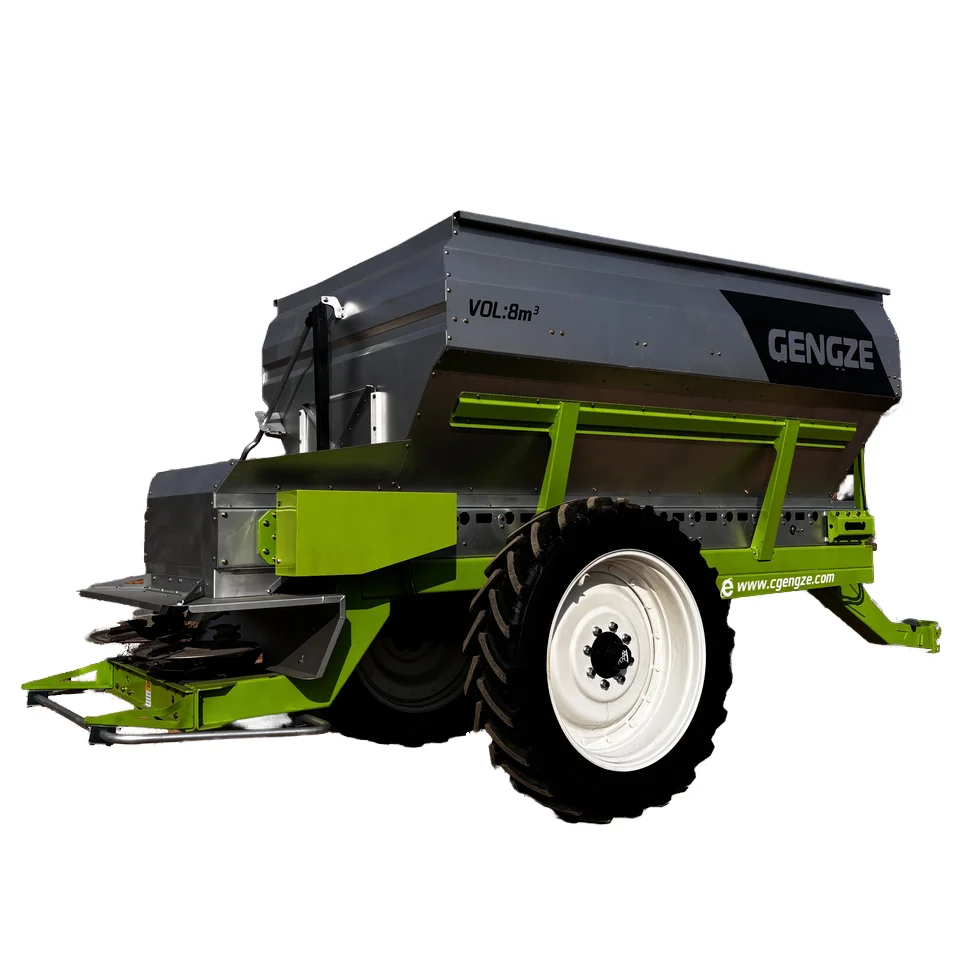
Agriculture is the cornerstone of global food security, supporting the livelihoods of billions of people worldwide. As the global population continues to grow and the challenges of climate change intensify, the demand for sustainable and efficient agricultural practices has never been more urgent. Among the various agricultural machinery that has revolutionized farming operations, fertilizer spreaders stand out as a critical tool. By enabling precise and uniform application of fertilizers, these devices not only enhance crop yields but also minimize environmental impact, playing a pivotal role in bridging the gap between food production and ecological conservation on an international scale.
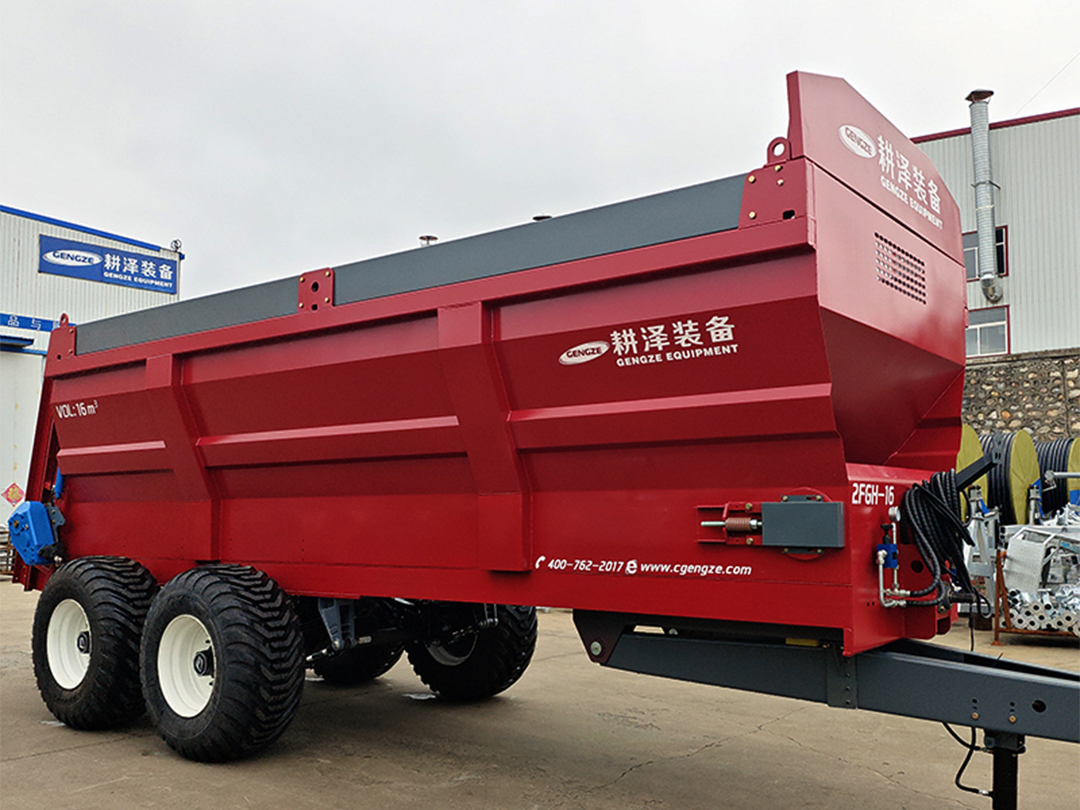
The evolution of fertilizer spreaders reflects the continuous advancement of agricultural technology across different regions. In the early stages of agricultural development, fertilizer application was predominantly manual, a labor-intensive process that resulted in uneven distribution, waste of resources, and inconsistent crop growth. The advent of mechanical fertilizer spreaders marked a significant turning point. From the initial centrifugal spreaders, which rely on rotating discs to disperse fertilizers, to the modern precision spreaders equipped with GPS positioning, variable rate technology (VRT), and sensor systems, the technology has undergone remarkable upgrades. In developed agricultural economies such as the United States, Germany, and Japan, high-end fertilizer spreaders integrated with intelligent systems have become mainstream. These devices can adjust fertilizer application rates in real-time according to soil nutrient levels, crop growth stages, and even microclimatic conditions, ensuring that each plot receives the optimal amount of nutrients. For instance, in the European Union, the promotion of precision fertilization technologies, including advanced spreaders, has been closely linked to the Common Agricultural Policy (CAP), which aims to reduce nutrient runoff and protect water quality.
In contrast, the application of fertilizer spreaders in developing and emerging agricultural regions presents a different landscape, characterized by a mix of traditional and modern technologies. In countries such as India, Brazil, and Nigeria, small-scale farmers still widely use manual spreaders or basic mechanical models due to factors such as limited financial resources, fragmented landholdings, and inadequate infrastructure. However, there is a growing trend toward adopting more efficient spreaders driven by the need to increase productivity and adapt to changing climate conditions.
International organizations and governments have played a crucial role in this transition. For example, the Food and Agriculture Organization (FAO) has launched technical assistance programs to introduce affordable and easy-to-maintain fertilizer spreaders to smallholder farmers in sub-Saharan Africa. These programs not only provide access to machinery but also include training on proper use and maintenance, helping farmers maximize the benefits of the equipment while minimizing environmental harm.
Sustainability has become a key driver of innovation in fertilizer spreader technology globally. Excessive and improper fertilizer application has long been a major contributor to environmental problems such as soil degradation, water pollution (eutrophication), and greenhouse gas emissions. To address these issues, manufacturers and researchers are focusing on developing spreaders that promote nutrient use efficiency. Variable rate technology (VRT) is a game-changer in this regard, as it allows farmers to apply fertilizers only where and when they are needed, reducing over-fertilization.
Additionally, the integration of digital technologies such as IoT (Internet of Things) and big data analytics enables real-time monitoring of fertilizer application, providing farmers with valuable insights to optimize their practices. In some European countries, smart spreaders are even connected to national soil databases, allowing for customized fertilization plans based on detailed soil maps. These advancements not only reduce the environmental footprint of agriculture but also improve the economic viability of farming operations by lowering input costs.
The global market for fertilizer spreaders is also evolving in response to changing agricultural needs and policy frameworks. According to industry reports, the market is projected to grow steadily in the coming years, driven by increasing mechanization in emerging economies, growing awareness of sustainable agriculture, and supportive government policies. However, there are still challenges to overcome, including the high cost of advanced equipment, limited access to credit for smallholder farmers, and the need for improved infrastructure (such as reliable power supply and internet connectivity) to support digital agricultural technologies. International cooperation is essential to address these challenges. Cross-border partnerships between manufacturers, research institutions, and governments can facilitate the transfer of technology and knowledge, making advanced and sustainable fertilizer spreaders more accessible to farmers around the world. For example, joint research projects between European and African institutions have led to the development of low-cost, solar-powered precision spreaders tailored to the needs of small-scale farmers in arid and semi-arid regions.
Looking ahead, the role of fertilizer spreaders in global agriculture will continue to expand. As the world strives to achieve the Sustainable Development Goals (SDGs), particularly SDG 2 (Zero Hunger) and SDG 13 (Climate Action), the demand for efficient and sustainable fertilization practices will only increase. Future innovations in fertilizer spreader technology are likely to focus on further integration with digital agriculture, the use of alternative energy sources (such as solar and wind power) to enhance sustainability, and the development of spreaders suitable for specialized crops and challenging agricultural environments (such as mountainous regions and smallholder farms). Additionally, efforts to promote standardization and certification of fertilizer spreaders at the international level can help ensure the quality and performance of the equipment, fostering trust among farmers and facilitating global trade.
In conclusion, fertilizer spreaders are more than just agricultural machinery; they are a critical enabler of sustainable and efficient agriculture worldwide. From the precision-equipped models in developed countries to the affordable, adapted versions in developing regions, these devices are helping farmers meet the dual challenges of increasing food production and protecting the environment. As global agricultural systems continue to evolve, international cooperation, technological innovation, and supportive policies will be key to unlocking the full potential of fertilizer spreaders. By working together to make advanced and sustainable fertilization technologies accessible to all farmers, we can take a significant step toward ensuring global food security and building a more resilient and sustainable agricultural future.
 Hot News
2026-09-03
2026-08-28
2026-08-25
2026-08-21
2026-08-18
2026-08-13

Dalian Gengze Agricultural Equipment Manufacturing Co.,Ltd
Copyright © Dalian Gengze Agricultural Equipment Manufacturing Co.,Ltd All Rights Reserved | Blog | Privacy Policy
 EN
EN