Requesting a Call:
Online Support
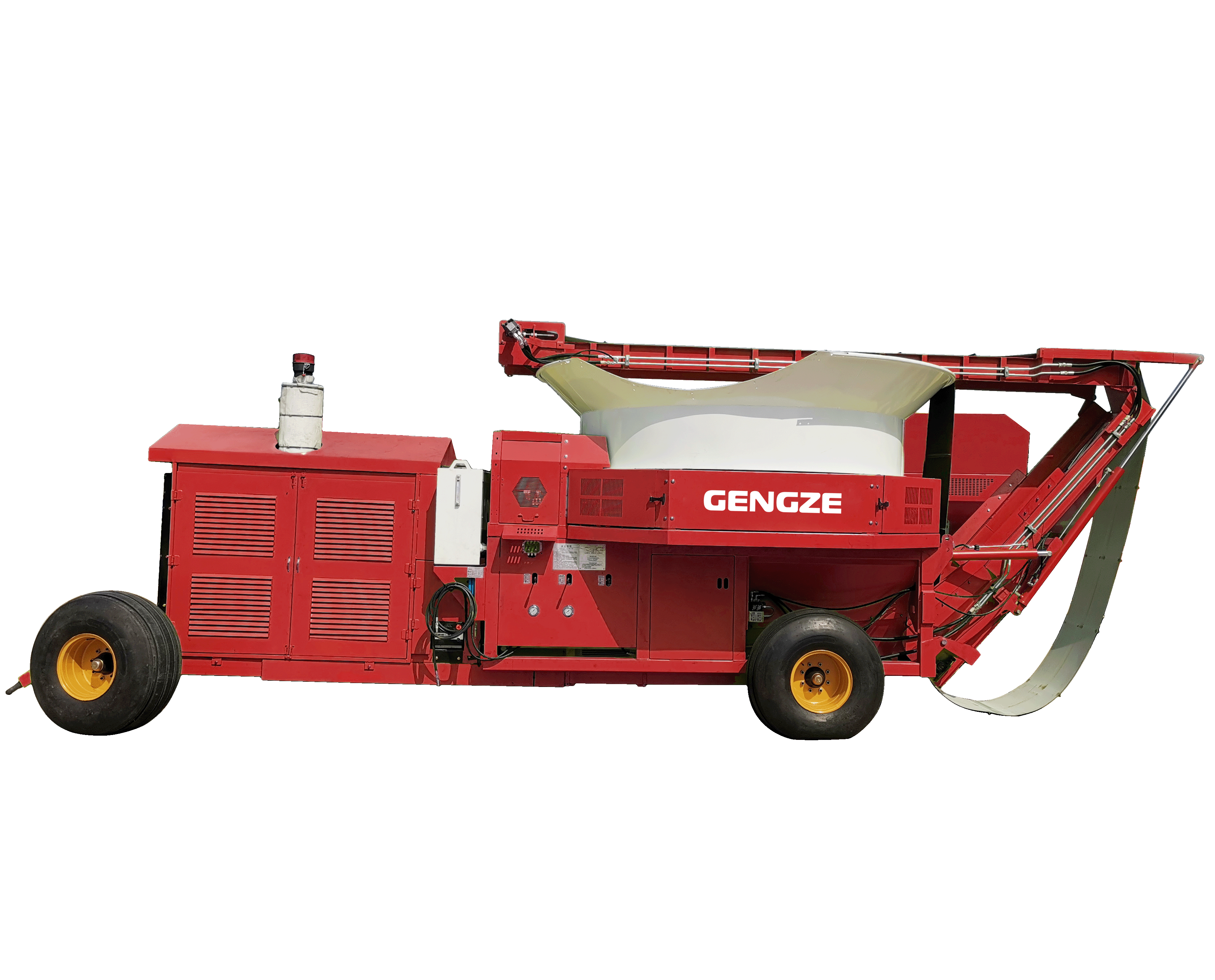
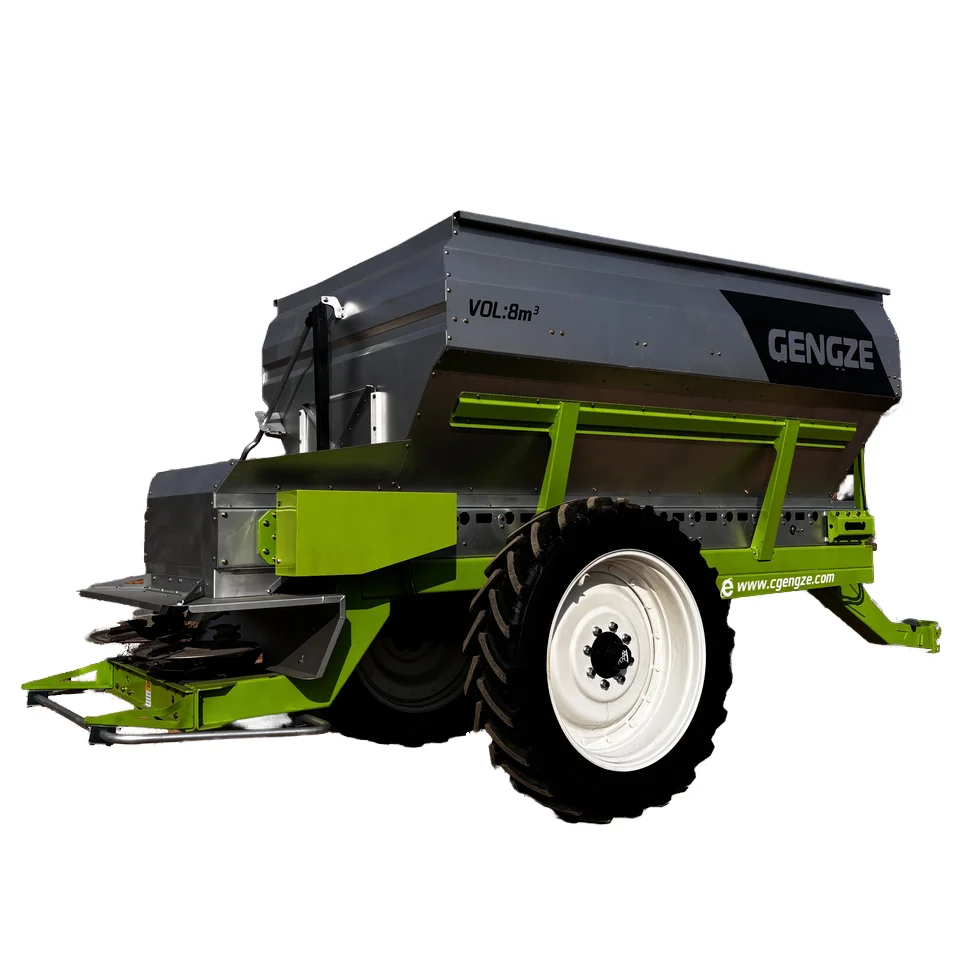
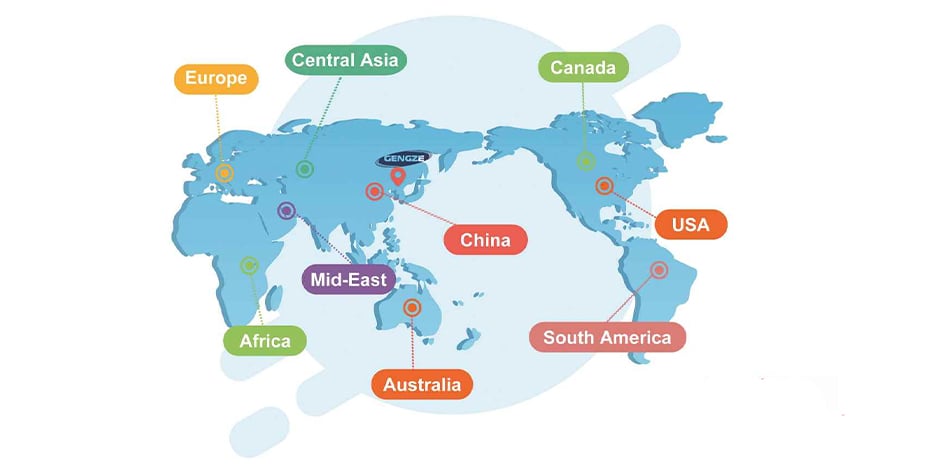
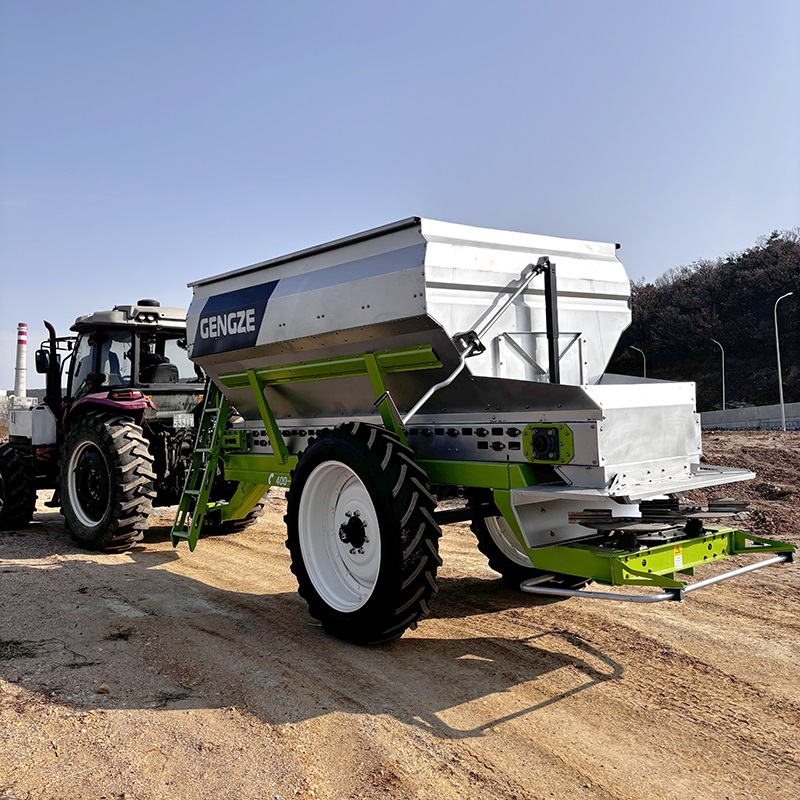
Precision fertilizer spreaders are driving a global agricultural transformation, revolutionizing fertilization practices across North America, Europe, Asia, Africa and Latin America. By boosting yields, cutting fertilizer waste and advancing environmental sustainability, these smart machines are empowering both large commercial farms and smallholder operations, marking a new era of precise, efficient and green farming worldwide.
Technological innovation is at the core of this shift. Integrating GPS/Beidou navigation, radar speed measurement and variable rate technology (VRT), modern spreaders eliminate the uneven application of traditional manual or basic mechanical methods. European models achieve gram-level precision, decoupling tractor speed from fertilizer discharge, with a spreading width of over 20 meters and daily operating efficiency 20 times that of manual labor. North American farms combine spreaders with IoT and big data, adjusting fertilization in real time based on soil nutrients, crop growth and weather—realizing "field-specific" precision. Field tests show these machines lift staple crop yields by 8%-15% and boost fertilizer utilization by over 15%.
The impact extends far beyond developed economies. In China, policy subsidies (35%-40% for high-end smart machinery) and localized innovation have accelerated adoption; Heilongjiang cooperatives cut fertilizer use by 30% while increasing corn yields, lifting net profits by 23%. In Brazil, Chinese-adapted spreaders have become a "yield-boosting tool" for smallholder farms across six states. In Kenya and Tanzania, lightweight, low-cost models are promoting efficient fertilization and protecting fragile ecosystems, supported by international agricultural projects.
These machines are also pivotal to global agricultural sustainability. The UN FAO notes global chemical fertilizer utilization is only 30%-40%, with excess causing soil and water pollution. Precision spreaders can reduce global fertilizer use by 15%-20% while raising yields, aligning farming with climate action and environmental protection. They also drive the integration of agricultural machinery, big data and IoT, laying the groundwork for agricultural product traceability and smarter production decisions.
Looking ahead, the FAO predicts precision spreaders will reach over 60% penetration in global large and medium-sized farms by 2030. As AI and unmanned technology advance, these machines will grow more intelligent, with deeper international cooperation making cost-effective solutions accessible to developing nations. From European farmlands to African smallholdings, precision fertilizer spreaders are sowing the seeds of a more productive, sustainable global agricultural future.
 Hot News
2026-10-13
2026-10-08
2026-09-29
2026-09-22
2026-09-03
2026-08-28

Dalian Gengze Agricultural Equipment Manufacturing Co.,Ltd
Copyright © Dalian Gengze Agricultural Equipment Manufacturing Co.,Ltd All Rights Reserved | Blog | Privacy Policy
 EN
EN