Requesting a Call:
Online Support
Introduction: A Farming Revolution
Farming used to mean hours of backbreaking labor—carrying buckets, spreading by hand, uneven results, and exhausted bodies at the end of the day.
Today, from the wheat fields of Kansas to the corn farms of Brazil, a transformation is underway. Modern manure spreaders are replacing traditional methods, changing not just how farmers work, but how their soil responds.
One Hour vs. One Day
Traditional fertilizing meant one person covering just one to two acres per day, with uneven results that left some areas overfed and others starving for nutrients. Labor shortages worldwide have made this method increasingly unsustainable.
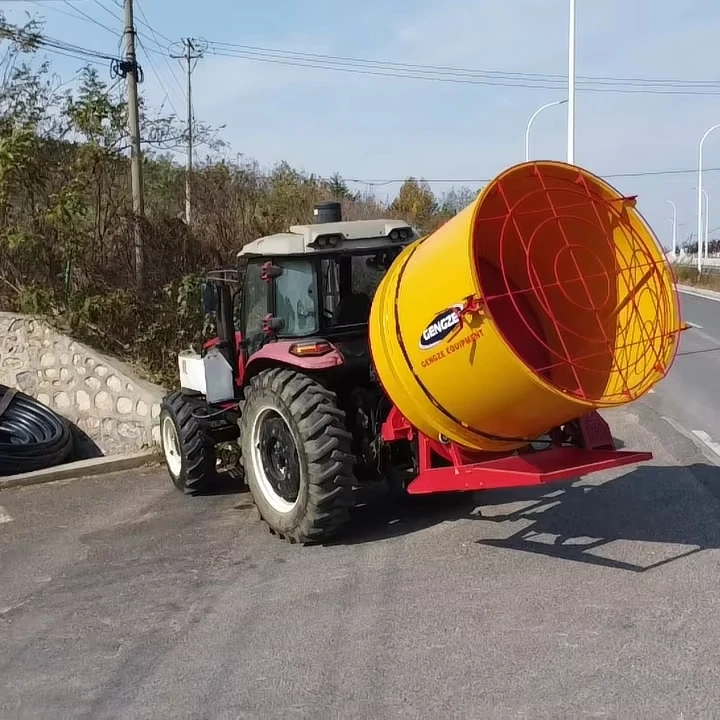
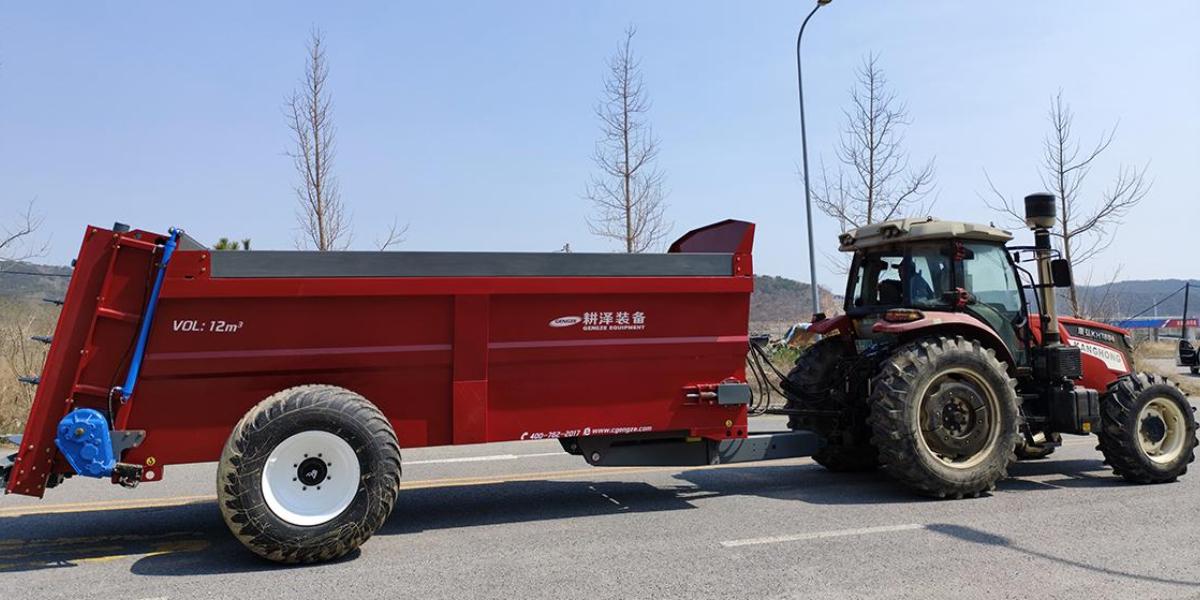
Modern manure spreaders tell a different story. A single operator with a GENGZE 2F series machine can cover 30 to 50 acres in just one hour, with mechanical precision that keeps variation under ten percent. What once took thirty workers a full day, one machine now accomplishes before lunch.
Healing the Soil
Traditional methods took a toll on the land. Uneven application created weak zones where crops struggled. Foot traffic and animal hooves compacted the soil, making it harder for roots to breathe. Surface spreading left valuable nutrients exposed to sun and rain, wasting much of the fertilizer before it could benefit the crops.
Modern spreaders work with the soil, not against it. Uniform distribution means consistent crop growth across entire fields. Reduced compaction keeps soil structure healthy. And because mechanical spreading allows for immediate incorporation into the soil, nutrient retention improves by as much as thirty percent.
As one Iowa farmer put it: "After three seasons with a spreader, the earthworms are back."
Better Crops, Higher Yields
The proof shows up in the harvest. Fields fertilized with modern spreaders produce more uniform emergence, stronger stands, and better root development. Yields become more predictable and consistently higher—fifteen to twenty percent on average.
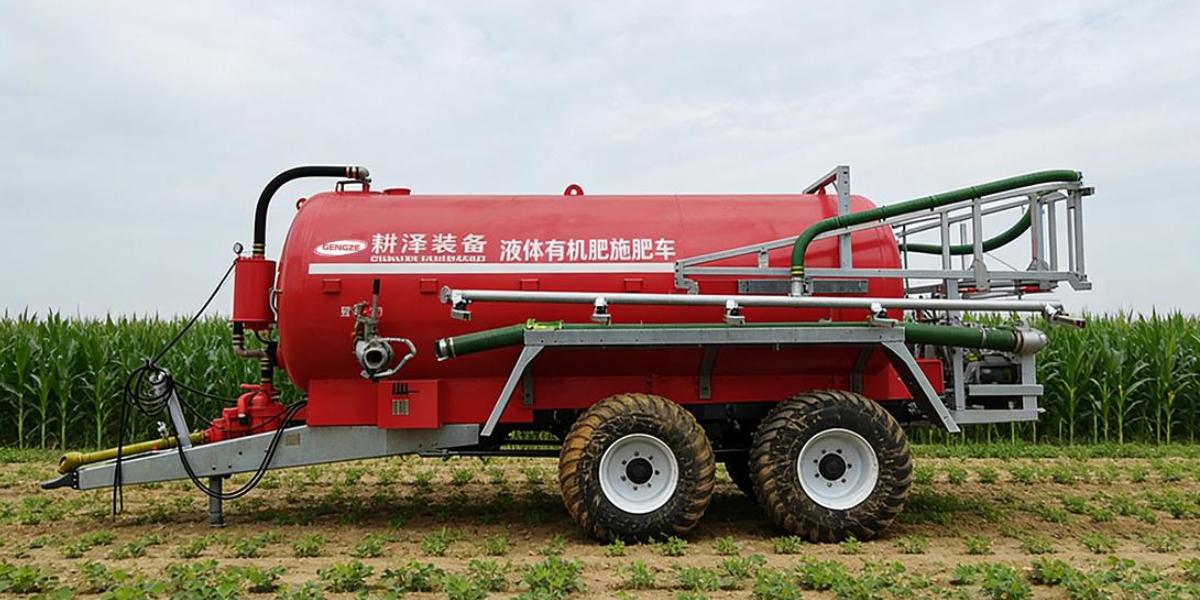
Environmental Gains
Traditional spreading created environmental headaches. Manure stockpiles polluted waterways. Ammonia loss contaminated the air. Nitrogen leaching harmed groundwater.
Modern equipment turns manure from a pollution problem into a farm resource. Precise application prevents overuse. Immediate incorporation cuts ammonia loss by forty percent. In the Netherlands, widespread adoption of mechanical spreaders reduced waterway pollution by thirty-five percent while cutting fertilizer imports.
Economics That Work
The financial case is straightforward. Traditional methods cost fifteen to twenty-five dollars per acre in labor alone. Mechanical spreading cuts that to just two to four dollars. Farmers typically save twenty to thirty percent on fertilizer costs through better efficiency. Add in higher yields, and the equipment pays for itself in two to three years.
Voices from the Field
The Miller family farm in Ontario, Canada spans three generations of change. In the 1950s, hand spreading meant covering just five acres a day, leaving men and horses exhausted. Today, a GENGZE 2F spreader covers a hundred acres before lunch.
Third-generation farmer James Miller puts it simply: "I tell my grandfather—farming used to be hard work."
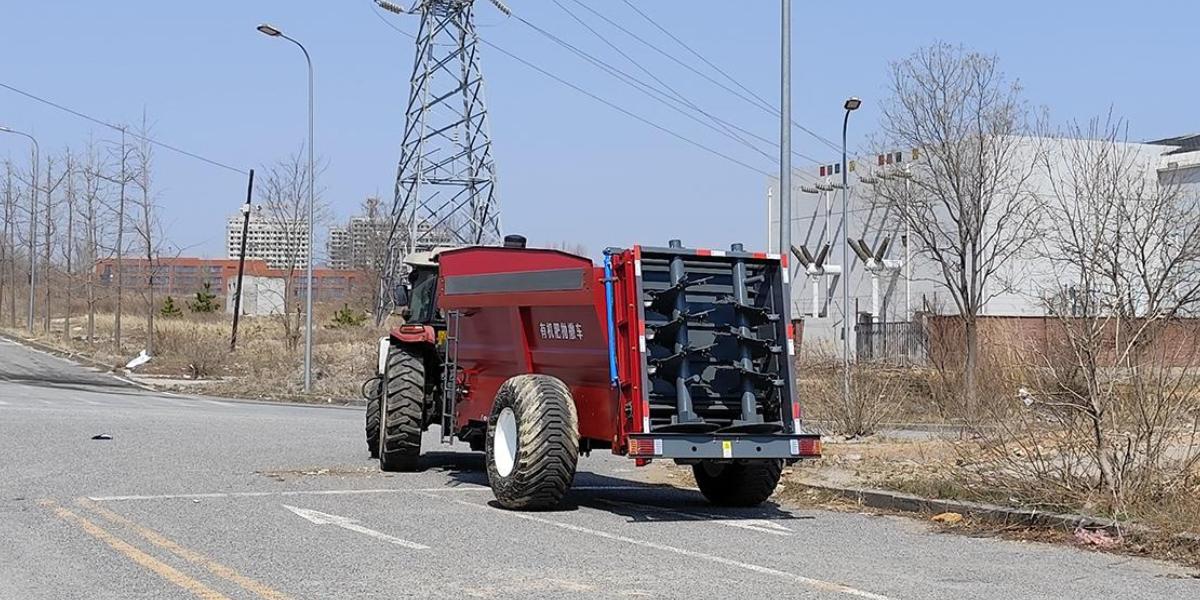
Built for the Job
GENGZE 2F series spreaders deliver even spreading with adjustable width, built to last with corrosion-resistant construction. They handle dry manure, wet manure, and compost with equal ease. Simple tractor operation means any farmer can learn quickly.
The Bottom Line
The transition from traditional to mechanical isn't just about saving labor. It's about better soil, higher yields, and sustainable farming for the next generation.
Leave the buckets behind.
GENGZE Equipment — Feeding a growing planet.
 Hot News
2026-10-13
2026-10-08
2026-09-29
2026-09-22
2026-09-03
2026-08-28

Dalian Gengze Agricultural Equipment Manufacturing Co.,Ltd
Copyright © Dalian Gengze Agricultural Equipment Manufacturing Co.,Ltd All Rights Reserved | Blog | Privacy Policy
 EN
EN