Requesting a Call:
Online Support
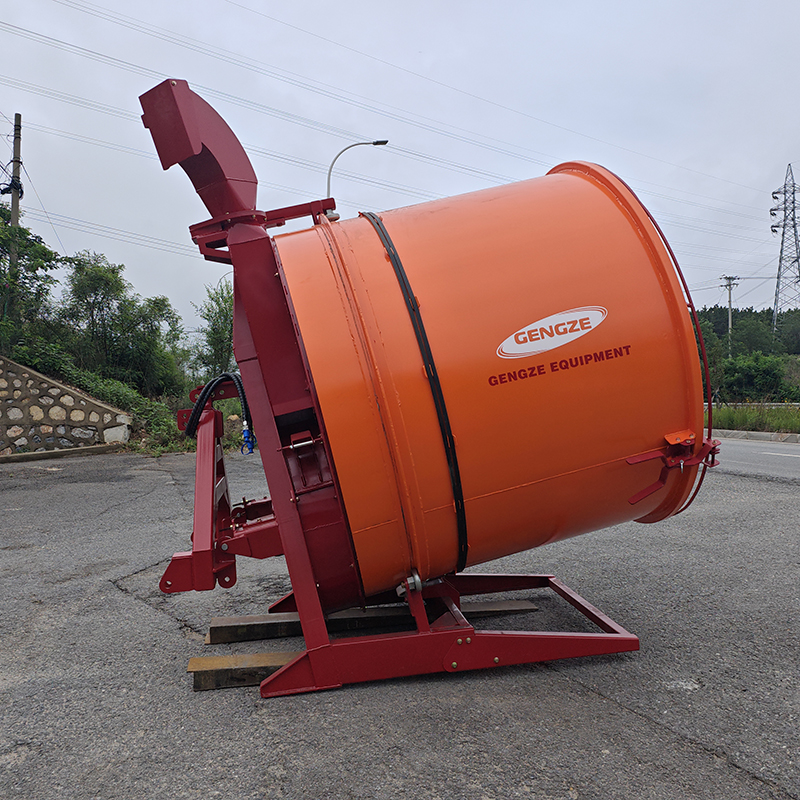
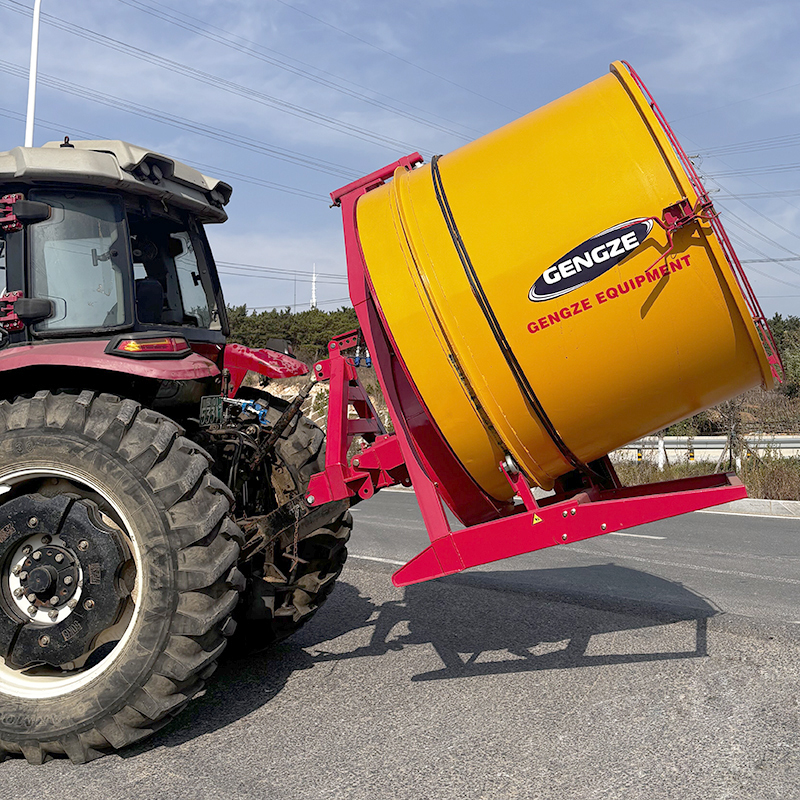
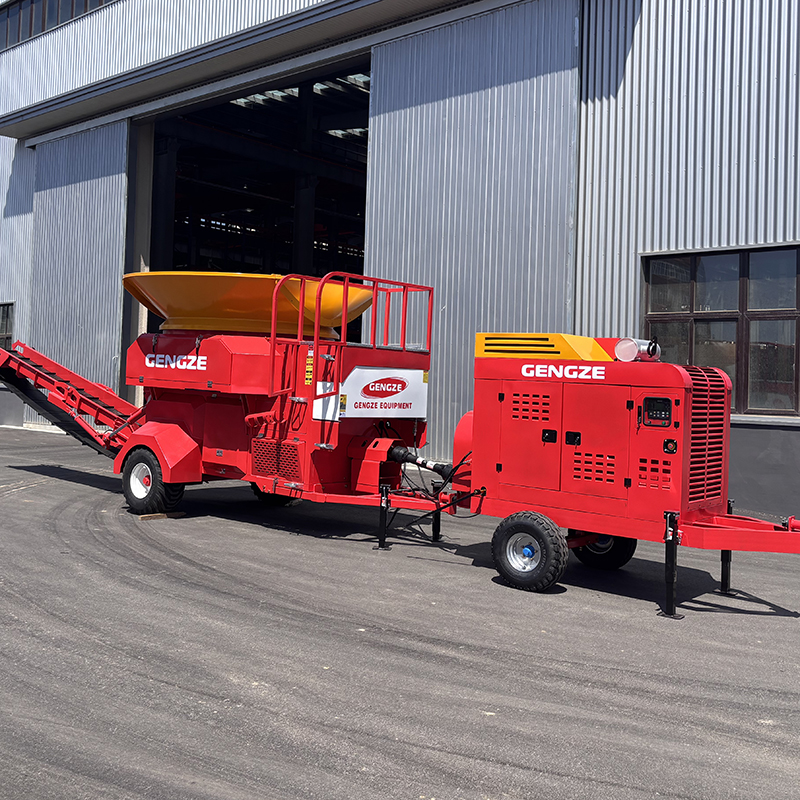
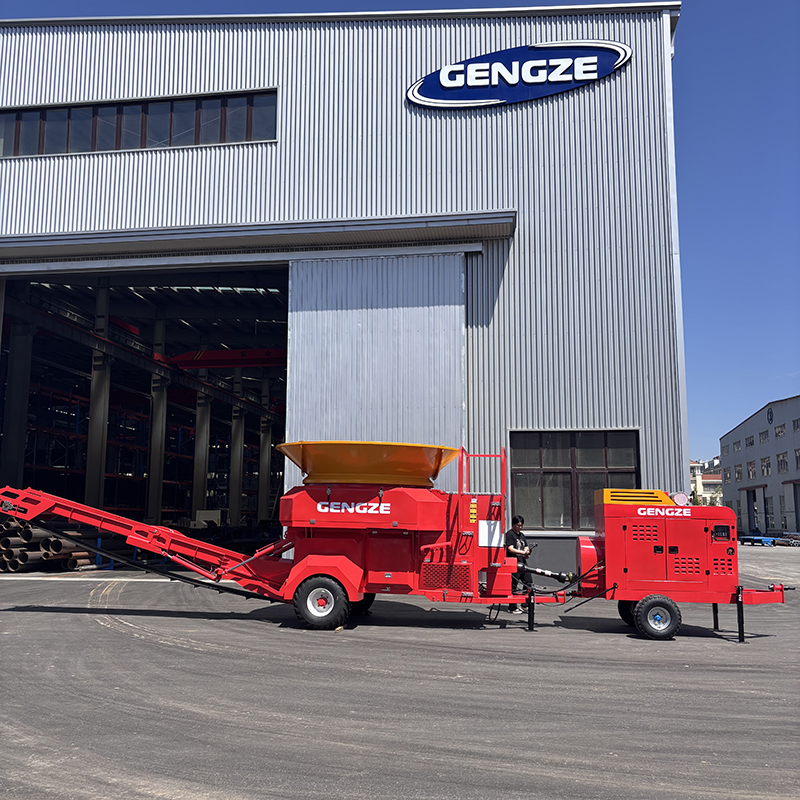
A tub grinder (rotary tub hay kneading machine) is core processing equipment for modern cattle, sheep and ruminant farms. It crushes round bales, square bales, loose straw, alfalfa, corn stalks and high-moisture grains via high-speed hammer and kneading rotors, turning coarse, rigid forage into soft filamented feed. For dairy farms, beef feedlots and pasture breeding operations, this machine delivers comprehensive advantages in feed quality, breeding profit, labor management and resource utilization. Combined with GENGZE F800/F1000/F1300 series technical characteristics, below are its core practical benefits for livestock feed production.

1.Improve Forage Palatability & Livestock Feed Intake
Raw straw and crop stalks contain hard knots and lignified coarse stems, which ruminants tend to sort out and waste. The tub grinder breaks rigid stalk structures into soft uniform filaments, eliminating tough fibrous segments that cattle and sheep refuse to eat.
- Processed forage is softer and easier to chew; daily feed intake per cow can rise by around 1.5kg, greatly lowering selective feeding behavior.
- Finely kneaded feed optimizes rumen digestion, boosts nutrient absorption, supports stable milk output for dairy cows and improves daily weight gain of beef cattle by 0.5%–2% as field data shows.
- It handles high-moisture corn, oat grass and alfalfa evenly, avoiding whole stalk rejection and maximizing the utilization of low-quality crop residues.
2.Cut Feed Waste & Lower Daily Breeding Costs
Unprocessed bales often get trampled, soiled or discarded by livestock, causing huge forage loss. Tub grinders produce uniform feed particles with adjustable crushing length (20–200mm via interchangeable screens):
- Uniform filament feed prevents sorting; farms can reduce hay waste by nearly 30% compared to direct bale feeding.
- High-moisture corn can be crushed in batches at 40–105 tons/hour, directly applied for silage without extra drying, cutting daily feed expenditure by about 4.6 yuan per cow.
- Processed straw and corn stalks can fully replace partial commercial concentrates, reducing long-term feed purchasing costs and raising ranch profit margins.
- Farms can offer paid crushing service for surrounding pastures in off-feeding seasons, lifting overall equipment utilization and creating extra income.
3.Strong Material Compatibility & Flexible Multi-Scenario Application
GENGZE tub grinders support diversified raw material processing, breaking the single-feed limitation of traditional choppers:
- Forage: Round bales, square bales, loose hay, alfalfa, corn stalk, wheat straw, rape stalk and weeds.
- Grains: High-moisture corn kernels, corn cobs and other cereal raw materials.
- Three power drive options: Tractor PTO, electric motor and diesel engine, adapting to large-scale feedlots, remote pastures without stable power, and small family farms.
- Hydraulic foldable discharge conveyor with adjustable lifting height (up to 4.19m) can spread feed evenly across feeding troughs or directly pile processed materials for storage, matching TMR total mixed ration preparation workflows perfectly.
4.Greatly Save Labor & Simplify Daily Feeding Workflow
Manual bale unpacking, cutting and spreading consume massive manpower, while tub grinders realize one-person independent operation:
- Large-capacity rotary tub holds 100–400kg of materials per feeding, with continuous processing capacity ranging from 2–25 tons/hour based on models. - Automatic rotary tub and dual screw pushers feed materials steadily without frequent manual refilling; hydraulic one-button flip design simplifies screen replacement and internal cleaning, cutting maintenance time significantly.
- The foldable conveyor avoids secondary manual material transfer, allowing finished feed to be directly laid in pens. No extra workers need to enter breeding areas, lowering labor input and reducing safety risks.
5.Stable Durable Structure & Low Long-Term Maintenance Cost
Designed for harsh outdoor farm environments, tub grinders adopt heavy-duty wear-resistant configurations to reduce downtime and maintenance expense:
- Hammer pieces are made of carbonized wear-resistant alloy; main rotors use high-strength alloy steel paired with standard SKF bearings for strong impact resistance and heavy-load operation.
- Large screen void design prevents wet material clogging; eight-belt pulley transmission stabilizes rotor speed for consistent crushing effect.
- Hydraulic turnover platform allows full access to internal rotor and screen components, making daily inspection, replacement and cleaning quick and convenient.
- Apart from normal wearing parts like hammers and screens, the whole machine has low failure rates, cutting long-term repair and replacement costs.
6.Realize Full Recycling of Agricultural Crop Residues
Crop straw was once idle waste difficult to store and utilize. Tub grinders turn agricultural byproducts into high-value livestock feed:
- Corn stalk, wheat straw and rape stalk are fully processed into digestible feed, realizing the recycling of farm waste and aligning with eco-friendly circular agriculture standards.
- Processed filament forage can also serve as soft livestock bedding, improving stall hygiene while reusing straw resources doubly.
- Reduce straw burning and waste stacking, complying with national ecological agriculture policies and lowering farm environmental management pressure.
Conclusion
Tub grinders bring multi-layered value to livestock farms: they raise feed intake and animal production performance, slash feed waste and labor costs, expand the usable range of crop residues, and deliver flexible, low-maintenance processing capacity. For dairy, beef and sheep breeding enterprises of all sizes, investing in a reliable tub grinder is an effective way to optimize feeding efficiency and boost comprehensive farm revenue.
 Hot News
2026-10-13
2026-10-08
2026-09-29
2026-09-22
2026-09-03
2026-08-28

Dalian Gengze Agricultural Equipment Manufacturing Co.,Ltd
Copyright © Dalian Gengze Agricultural Equipment Manufacturing Co.,Ltd All Rights Reserved | Blog | Privacy Policy
 EN
EN