Requesting a Call:
Online Support
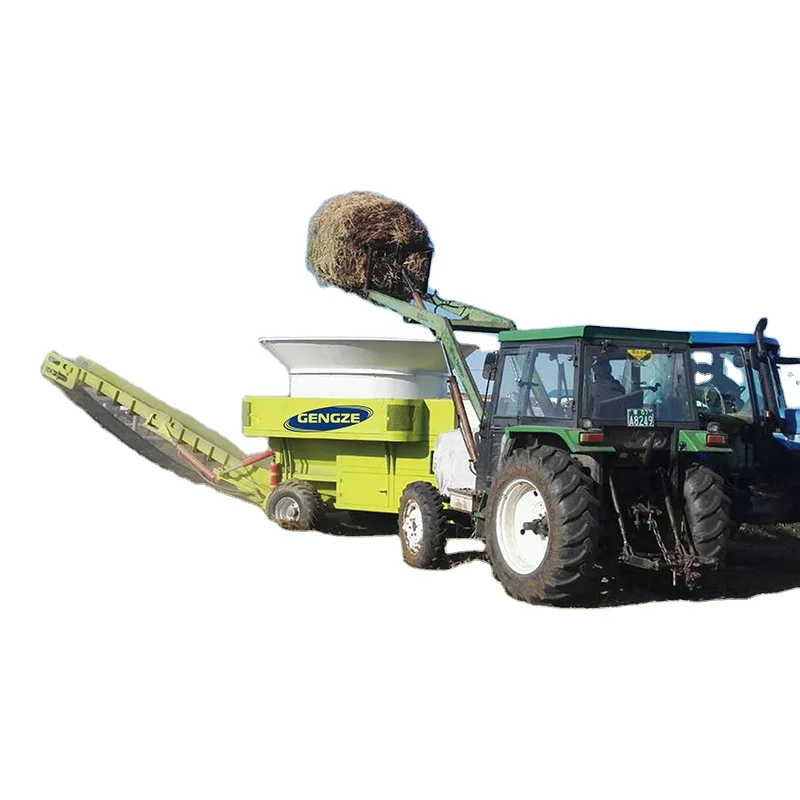
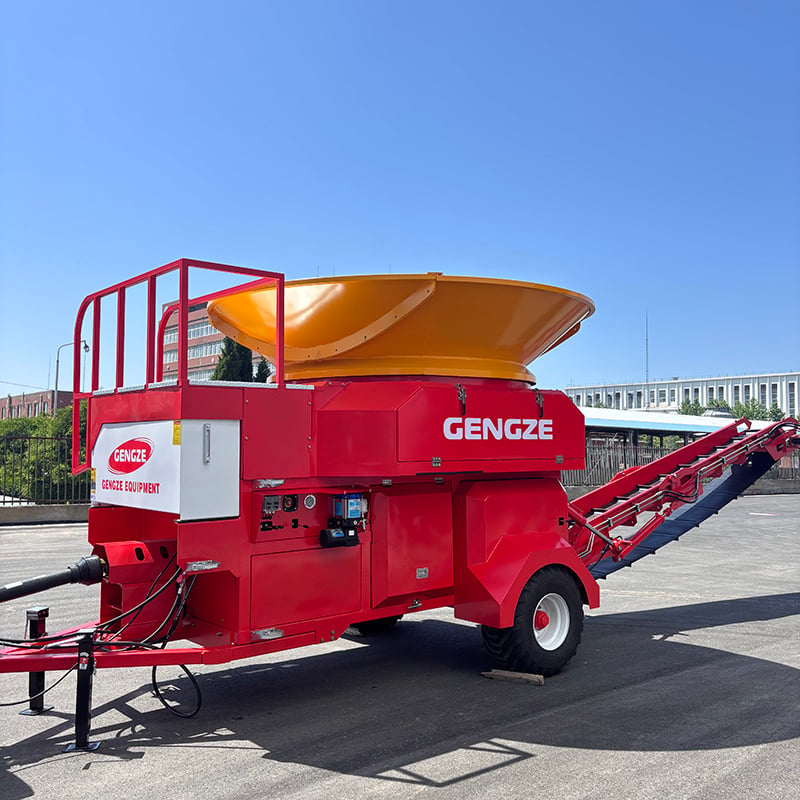
Tub grinders are essential livestock farm equipment for processing hay, stalks and bales into digestible feed. As high-load high-speed machines, hammers and rotor bearings endure severe impact and abrasion. Delayed maintenance leads to uneven crushed feed, intense vibration, frequent clogging, shaft cracking and complete machine breakdown.
This checklist focuses on inspection, replacement and daily maintenance of worn hammers and bearings, customized for GENGZE F800/F1000/F1300 tub grinders to cut downtime and spare part costs.
Part 1: Pre-Maintenance Safety Rules
1.Empty all feed inside the grinder, cut off power from tractor PTO, electric motor or diesel engine and lock the power supply.
2.Wait 5–10 minutes for the rotor to fully stop spinning before opening the equipment cover.
3.Secure the rotary tub with locking brackets to stop accidental rotation during disassembly.
4.Wear cut-resistant gloves, safety goggles and steel-toe boots, and keep irrelevant personnel away from the work area.
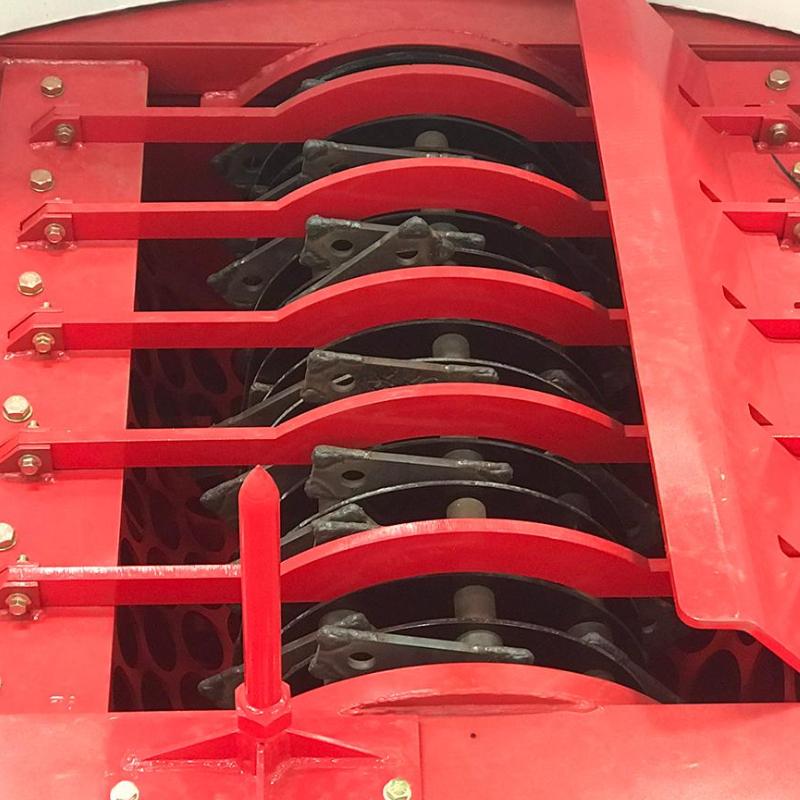
Part 2: Hammer Inspection & Replacement GENGZE tub grinders adopt four-corner carbide alloy hammers. Inspect hammers every 50 working hours. Once all working edges are worn flat, all hammers must be replaced together. 2.1 Wear Judgment & Handling Minor partial wear means only one or two corners are abraded while the carbide layer stays intact. You can flip the hammer to use its unworn edges and rebalance the rotor. For moderate wear, three corners become worn and the carbide coating turns thin. Prepare new spare hammers and finish full replacement within 10 working hours. Severe wear requires mandatory full replacement. If all four edges are ground smooth, the alloy base is exposed, or the hammer body has cracks and chipping, replace all hammers on the same rotor row right away. If auxiliary parts are damaged including grooved hammer pins, deformed snap rings and worn spacer blocks, replace pins and snap rings together with hammers.
Post-Replacement Optimization Tips Choose original GENGZE carbide hammers. Their four-side wear-resistant design extends service life by over 40% compared with ordinary alloy hammers. After hammer replacement, run the machine at low speed for 10 minutes. Shut down immediately if strong vibration occurs to recheck rotor balance. Clean the screen during hammer maintenance. Blocked screens increase hammer impact load and speed up abrasion.
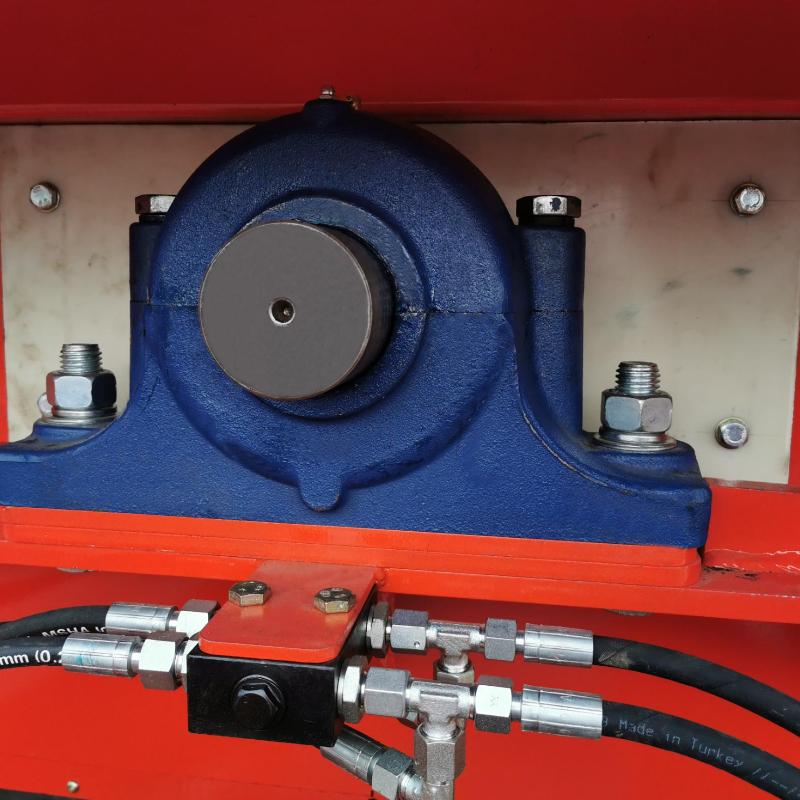
Part 3: Bearing Inspection & Replacement All GENGZE tub grinders are fitted with SKF heavy-duty bearings for rotors, screw pushers and rotary tub transmission. Dust invasion, insufficient lubrication and unbalanced rotors caused by worn hammers lead to premature bearing failure. Inspect bearings every 100 working hours.
2.1 Warning Signs of Worn Bearings Stop operation and disassemble for replacement once any of the following signs appear: continuous high-pitched metal screeching during crushing, excessive machine vibration, wobbling tub or offset discharge conveyor, bearing housing temperature over 70°C after 30 minutes of normal load operation, obvious radial and axial gaps when shaking the rotor shaft, stiff shaft rotation, grease mixed with metal powder leaking from bearing seals, and cracked or deformed sealing rings.
Part 4: Daily Preventive Maintenance to Reduce Abrasion Regular daily care greatly reduces hammer and bearing replacement frequency. Screen raw feed materials before crushing to remove hard impurities like iron wires and stones. Hard foreign objects crack hammers instantly and bring heavy shock load to bearings. Control feeding volume and avoid overloading the tub. Overfeeding causes rotor blockage, severe vibration and accelerated wear of both hammers and bearings. Clean dust around bearing housings and rotor chambers with compressed air every day to stop abrasive dust from entering seal gaps. Conduct anti-corrosion treatment after farming seasons. Coat idle bearings and hammer pins with anti-rust oil and cover the whole grinder with waterproof tarpaulin. Keep maintenance records including operating hours, hammer rotation and replacement dates, and bearing lubrication cycles. Predict wear cycles and arrange replacement in advance to avoid emergency shutdowns.
Part 5: Model-Specific Reference for GENGZE Tub Grinders F800 Small-Medium Tub Grinder It is equipped with 40 alloy hammers that need full replacement every 300 to 500 working hours. It uses standard SKF roller bearings, which should be replaced after 1,500 working hours. Its single batch capacity is 100–200kg. Avoid long-term full-load continuous processing to slow down wear.
F1000 Large Tub Grinder This model has 64 carbide-reinforced hammers. Flip hammers every 200 hours and replace the whole set every 600 to 800 hours. The rotor has 8 groups of hammer shafts with independent SKF bearings, all of which need checking in each inspection. Its hourly output reaches 3–15 tons. Farms with over 5,000 cattle should shorten the lubrication cycle by half.
F1300 Super Large Tub Grinder It comes with 88 thickened wear-resistant hammers. Under heavy-load working conditions, inspect hammers every 30 hours. Matched with a 230–320kW Weichai diesel engine, it adopts upgraded heavy-duty SKF bearings that require replacement after 2,000 working hours. Its oversized tub easily accumulates straw residues, so clean the rotor chamber every day to lower abrasive wear.
Conclusion Hammers and SKF bearings are the most vulnerable wearing parts of tub grinders. Ignoring slight abrasion will lead to costly rotor deformation, transmission failure and long production stops. Strictly follow this inspection, replacement and lubrication checklist to maintain stable crushing efficiency, extend the machine’s overall service life by over 30%, and greatly cut annual spare part replacement costs. Always use original GENGZE matched hammers and standard SKF bearings during replacement to guarantee crushing performance and reliable long-term operation for livestock farms.
 Hot News
2026-10-13
2026-10-08
2026-09-29
2026-09-22
2026-09-03
2026-08-28

Dalian Gengze Agricultural Equipment Manufacturing Co.,Ltd
Copyright © Dalian Gengze Agricultural Equipment Manufacturing Co.,Ltd All Rights Reserved | Blog | Privacy Policy
 EN
EN